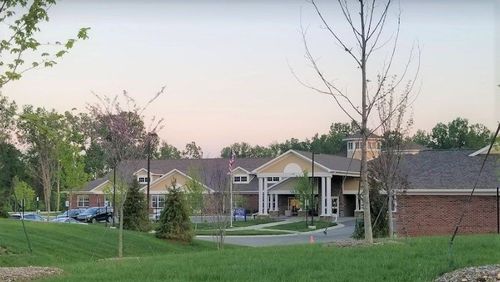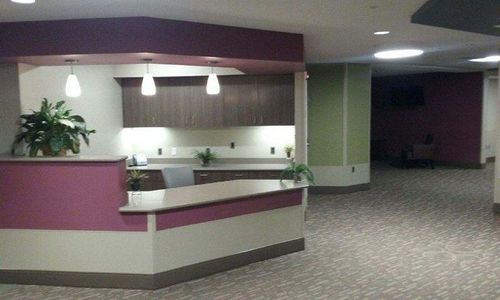
Skilled nursing is the one level of senior care almost nobody chooses in advance. It is arranged from a hospital bed, on somebody else's timetable, in the days after a clinician says a patient is not yet safe to manage at home. What a family can usefully do beforehand is understand how the local picture is arranged, and in Brighton that picture is a single address: Caretel Inns Of Royalton - Dover, the 1 matching community.
One of the two things worth knowing about it is that public funding is billed here, which matters at this level more than at any other, because nursing care consumes private savings faster than anything else in senior living. The other is that short stays are offered, which gives a recovery somewhere to land when the timing does not line up neatly.
What a Skilled Stay Involves
The rhythm of a skilled stay is set by therapy rather than by the calendar. A resident works with physical, occupational and speech therapists on most days, licensed nurses cover every hour of every night, and a physician is genuinely involved rather than visiting occasionally. Wound care, intravenous medication, oxygen management and the close monitoring that follows an unstable stretch all sit inside what the licence permits.
Progress is what everything else follows from, reviewed formally at set points, the length of a stay is tied to those reviews, and a family should expect to be in the room for them rather than told the conclusion later. Most residents are working toward going home with support arranged around them, and the single most useful question a relative can ask is whether that remains the plan or whether it has quietly changed.
Where the Funding Cliff Sits
There is a cliff in skilled-nursing funding and families rarely see it coming. Medicare Part A pays for a defined period following a qualifying inpatient hospital admission, generously at the start and with a resident contribution later on, but only while skilled care remains necessary and progress is still being recorded. The moment either condition fails the coverage ends, and it can end well before a resident is ready to leave.
What sits on the other side is private payment or, for those who meet the financial and clinical tests, traditional Michigan Medicaid long-term-care benefits. That is a separate programme from the waiver families read about in connection with assisted living, which funds care in community settings rather than nursing-facility stays. Brighton's address does bill Medicaid, so a resident reaching the end of a Medicare period here is not automatically being moved somewhere else.
One Address in an Ageing County
Roughly 42,000 Livingston County residents are past sixty-five, about 21 percent of the population and above the Michigan share. Against that, Brighton holds one skilled-nursing address, so the availability question is answered yes or no rather than by comparison.
Discharge planners work that early for exactly this reason, and a family that has already asked about a bed is in a different position from one starting on the afternoon a discharge date is set. Short stays are offered here, which occasionally separates a considered arrangement from whatever is free that week.
Keeping a Recovery in the County
Trinity Health Livingston Hospital sits in Brighton itself, a 56-bed hospital running an emergency department alongside intensive cardiac rehabilitation, advanced cardiac imaging and expanded women's imaging. For a county of this size, having that in town rather than an hour away shapes how a recovery is organised.
The county also sits between two metropolitan systems, with Ann Arbor to the south and the Lansing hospitals to the west, so complex surgery frequently happens outside the county while the recovery comes back into it. That pattern rewards planning for deliberately, because a resident whose operation is done elsewhere generally does better recovering where relatives can call in after work rather than at weekends, and where their own physicians resume the follow-up.
What a Local Advisor Brings to Brighton
When a county's skilled nursing sits at one address, local knowledge shifts from comparing buildings to reading a clock and a set of rules. A Local Senior Advisor covering Livingston County can establish whether a bed is genuinely free this week, what the building requires clinically before accepting an admission, and how quickly the paperwork moves against a hospital's timetable.
The funding half deserves equal attention, because a household assuming Medicare will carry the whole stay is planning on a misunderstanding that surfaces in week three. Working out in advance what happens when that coverage ends, and how the Medicaid route would work here, is what keeps a recovery from becoming a scramble. Better to talk it through during the admission than to discover the arithmetic later.
The Brighton directory continues to grow as we evaluate providers for quality and alignment in 2026. Start the conversation about skilled nursing in Brighton, or look through the buildings we cover at your own pace.