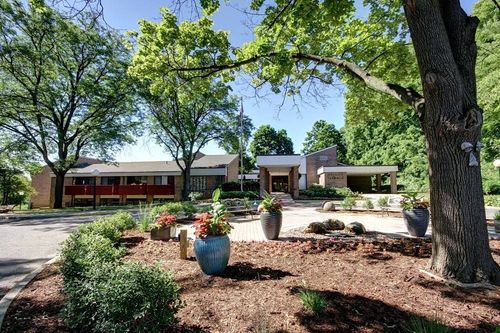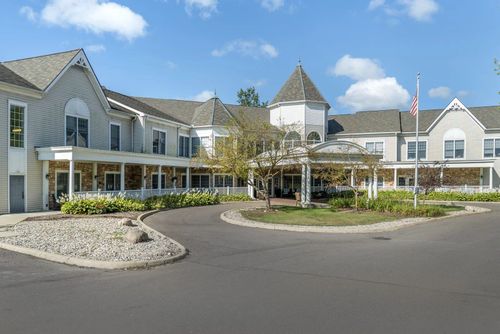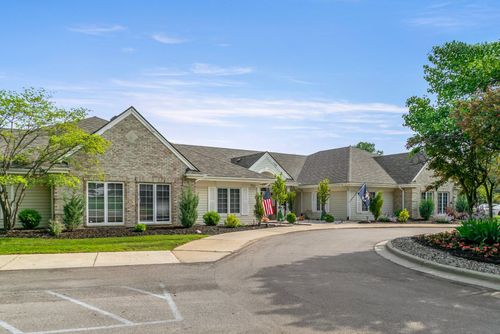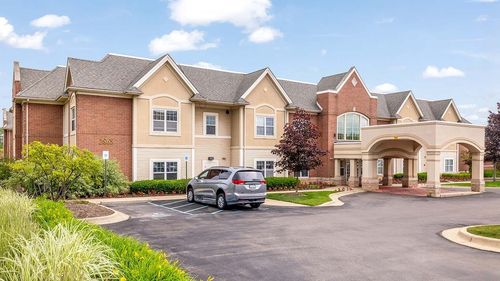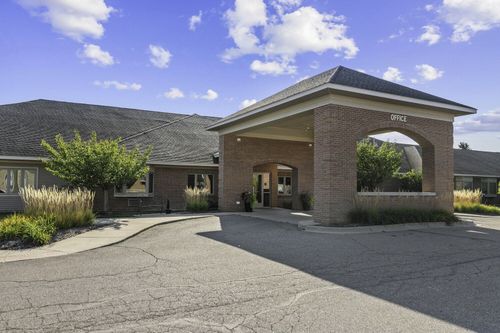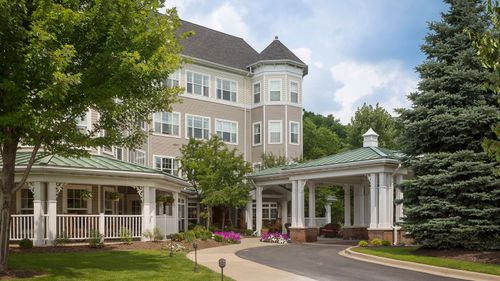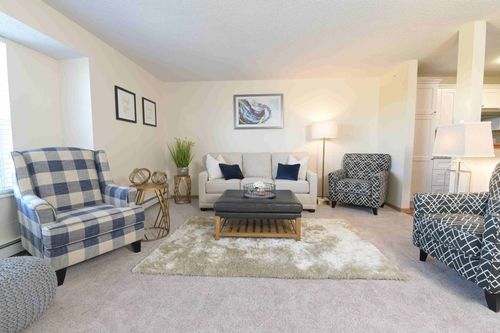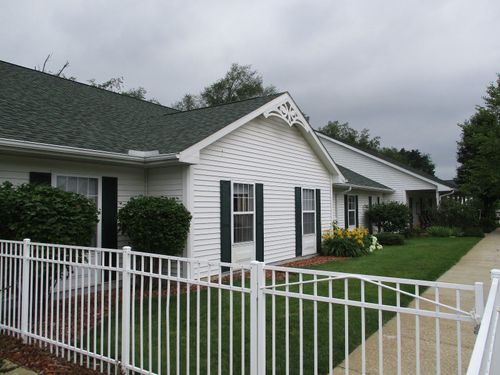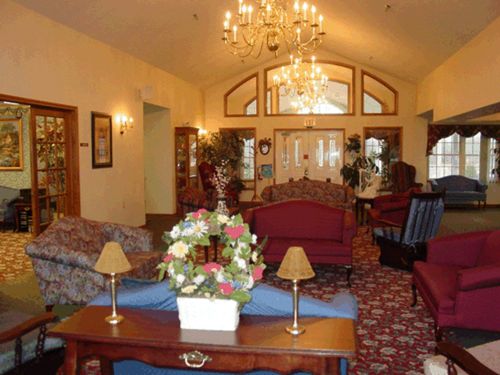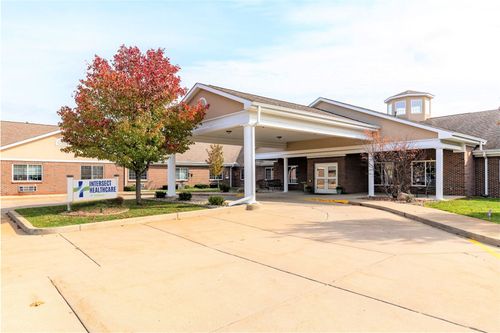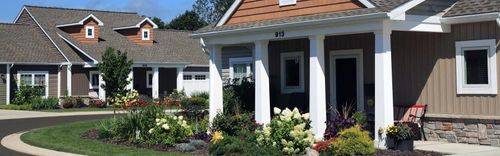



A village of this size holding assisted living inside continuing-care campuses is unusual, and it changes what the first decision is really about. Chelsea offers a fork rather than a ladder: a household where a handful of residents share one table, or a campus of eighty-five that already contains the levels of care that come after assisted living and will not make anyone move house to reach them. Starting rates of $4,910 to $6,559 a month follow that fork rather than causing it.
Most people arriving here are not in crisis; they have watched medications, bathing and cooking each become a small daily negotiation, and they would rather choose the setting themselves than have a hospital choose it for them.
Everyday Help at Two Very Different Scales
The tasks are the same wherever a resident lands. Someone hands over medications on schedule, someone is there for bathing and dressing, meals are cooked and served, laundry and housekeeping stop being anyone's problem, and staff are in the building overnight. What changes between the two settings is not that list of tasks but how they feel to live with.
In a six-resident adult foster care home the caregiver knows without asking that one person takes coffee before pills and another will not come to breakfast before eight. On a campus the same care runs on a rota, and the trade is a fuller week: real choice on the activity calendar, therapy and nursing staff on site, and neighbours enough that a resident finds people they actually like. Chelsea also gives residents somewhere to go that is not the building, with the senior centre on Washington Street running upwards of two hundred activities a month alongside a hot noon meal.
Starting Rates and What Sits on Top
Starting rates in Chelsea open at $4,910 and reach $6,559 a month in 2026, and almost all of that gap is scale rather than service. A campus is carrying dining staff, a therapy gym, a nursing licence and grounds; a small home is carrying a house. Care tiers are then assessed on top of whichever base a family picks, so a resident needing help twice a day and one needing help six times will not pay the same rate in the same building.
One Chelsea address participates in Medicaid, which is unusual for a village this size, though it does not make assisted living free. Michigan's MI Choice waiver reaches the care half of the bill and leaves the housing half to the resident's own income; Washtenaw applications go through AgeWays, enrolment is capped, and families who can see the end of their private funds should open that file early.
Where Washtenaw County's Older Households Settle
Washtenaw County is young by Michigan standards, with about one resident in six past sixty-five against roughly one in five statewide, but that average is an Ann Arbor artefact. The county's older households concentrate in the villages west of the city, and Chelsea is the largest of them.
The effect on assisted living is a market that stays fairly steady rather than swinging. Rooms come open at a predictable rhythm, but the small home has few of them by definition, so timing there is closer to luck than to planning.
Why Chelsea Families Stay Inside the Village
Chelsea is compact enough that a resident keeps their own errands. The pharmacy, the bank, the theatre and the Friday morning coffee crowd are all inside a few blocks, and none of that has to be surrendered to gain help with a shower.
The hospital matters here more than it usually would. Chelsea Hospital, jointly run by Trinity Health and University of Michigan Health, sits a short drive from the senior living addresses and holds the forty-bed adult inpatient rehabilitation unit that University of Michigan Health consolidated its adult rehabilitation care into in 2024. A fractured wrist or a stroke is therefore treated and rehabilitated in the same village, and the return is a matter of minutes rather than a transfer.
What a Local Advisor Brings to Chelsea
A Local Senior Advisor working Chelsea knows what each address quotes once the care assessment is done, which of them has a room open rather than a waiting list, and how the Medicaid question really works for the one local building that takes it. That last point is where families lose the most time, because the answer depends on timing and paperwork more than on willingness.
Three inputs settle this in an afternoon: the budget, the level of daily help required, and whether a family wants the next care level under the same roof. A short conversation before touring saves walking through a building the numbers were never going to allow.
Our Chelsea directory keeps expanding as we evaluate providers for quality and alignment in 2026. Start the conversation about assisted living in Chelsea, or scan the buildings we cover at your own pace.