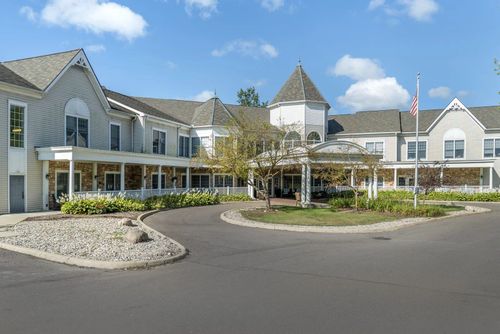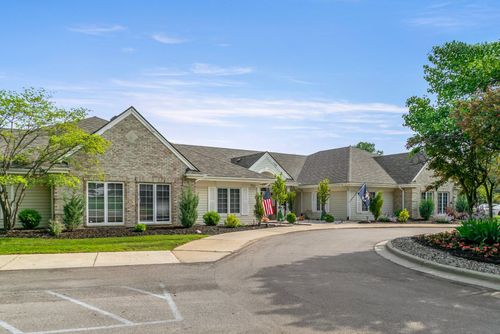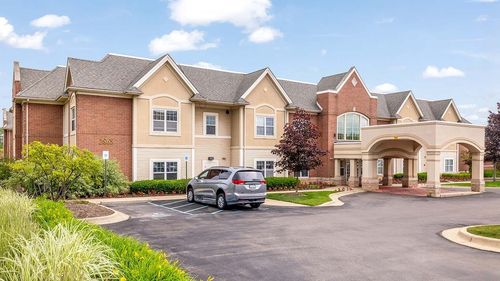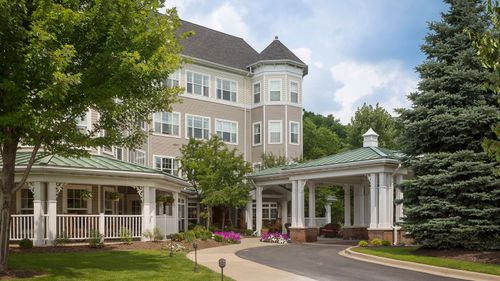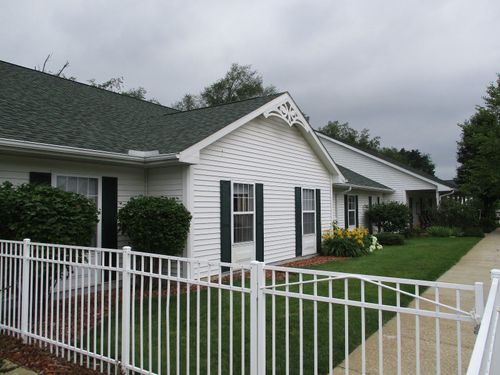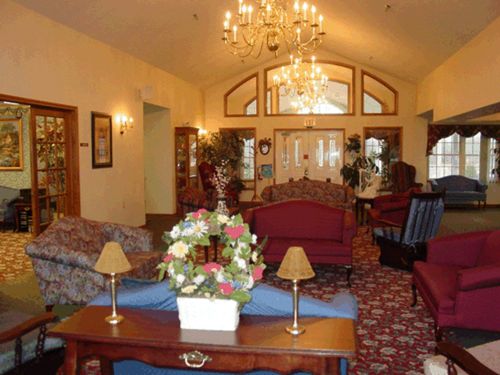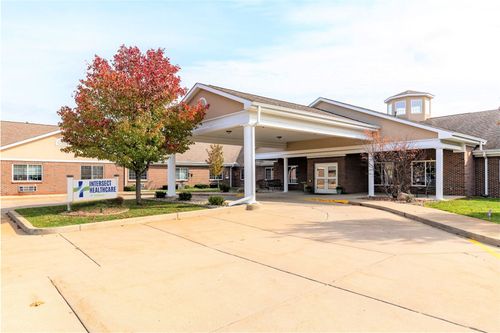


Most people who end up in a Chelsea secured neighborhood were already living in the building. Chelsea Retirement Community on West Middle Street and The Meadows at Silver Maples on Silver Maples Drive are both continuing-care campuses, with apartments and assisted living upstream of the dementia care, so their secured rooms fill as often from inside as from a phone call.
That changes the question for a family arriving from outside, because what matters is not only whether the setting suits but whether a room will be free when it is needed. A campus generally looks after its own residents first, so a household coming in cold is joining a shorter queue than it looks.
Structure, Supervision, and a Hospital Down the Road
Secured care on either campus is built on a fixed sequence, so waking, washing, meals and the afternoon quiet land at the same hours every day. Doors to the outside are alarmed, a caregiver stays awake on the floor rather than answering a bell from another part of the building, and staff work by redirecting attention instead of arguing a point.
What Chelsea adds to that is proximity to clinical judgment, because Chelsea Hospital sits under a mile from both campuses. A joint venture between Trinity Health and University of Michigan Health since 2018, it runs a separate senior emergency room alongside the main department. For dementia care that counts for more than trauma level does, since the common emergencies are sudden confusion from an infection, a medication interaction or a fall, and a senior emergency room is built for exactly those.
Where the Rates Begin
Chelsea Retirement Community starts at $6,559 a month and The Meadows at Silver Maples at $5,800 in 2026. Both are campus entry figures rather than secured-side quotes, and the memory care neighborhoods price above them, so ask each campus for the secured number directly.
One of the two participates in Medicaid, which is uncommon for a continuing-care campus and matters to any household planning past its savings. The clinical review and the financial review for Michigan's MI Choice waiver run on separate timetables, so families generally begin the first while still paying privately, and in every case the program pays toward care rather than toward the apartment itself. Respite is available in Chelsea, giving a family a way to try the setting before committing.
A County That Concentrates Its Older Households Here
Washtenaw County is young for Michigan at 16.3 percent aged sixty-five or over against the state's 19.6, and that older share settles in towns like Chelsea rather than Ann Arbor.
The result is a town of this size carrying two full continuing-care campuses, which for memory care means a genuine choice of secured setting that most places with Chelsea's population cannot offer. It does not mean either neighborhood is sitting empty in a given month.
Why Families Choose Memory Care in Chelsea
Households pick Chelsea when they want small-town life and a real hospital at the same time, and here the two arrive together: the downtown is walkable, the hospital is inside it, and Ann Arbor is half an hour off when a specialist is needed. For a resident living with dementia the shortness of every trip matters more than the walking, since a familiar route survives cognitive change longer than a new one.
Continuity of company is the second draw, since most people in these buildings spent their working lives in this county and their children stayed nearby rather than leaving the state. Visits therefore happen on ordinary weekday evenings instead of being planned, and frequency of visiting does more for a resident with dementia than the length of any single visit.
What a Local Advisor Brings to Chelsea
The hard question in Chelsea is timing rather than choice. A Local Senior Advisor covering the town can tell a household which campus has an actual opening this month rather than a place in a queue, how each handles a resident moving across from its own assisted living, and whether the one that takes Medicaid is worth the difference for a household whose funds have an end in sight.
For families still a year or two out, moving a parent into an apartment or assisted living on one of these campuses now generally improves their standing for the secured neighborhood later, which is a real advantage and also a real commitment. Weighing that properly is worth a short conversation well before anything is urgent.
Our directory for Chelsea continues to grow as we evaluate providers for quality and alignment in 2026. Start the conversation about memory care in Chelsea, or look through the buildings we cover at your own pace.