Dearborn, MI

Medicaid-Accepting Senior Living in Dearborn

One medicaid-accepting community in Dearborn, MI — with free, unbiased guidance from local advisors.

1
Community
1
Medicaid Accepted
$4,574
Avg. Monthly Pricing

Explore Medicaid-Accepting Senior Living in Dearborn

One medicaid-accepting community to review, with free guidance from a local advisor.

View all communities in Dearborn

What to Expect From Medicaid-Accepting Senior Living in Dearborn

  • Medicaid: All 1 community accepts Medicaid for residents who qualify.
  • Care types offered: independent living, assisted living, memory care, and skilled nursing.
  • Setting mix: 1 ccrc in the matching set.

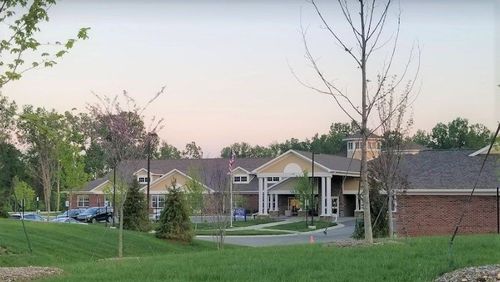
In Dearborn the Medicaid conversation is usually a conversation about a house. Households here have often owned the same address for thirty or forty years, and when care costs start outrunning income the family home is both the largest asset in the picture and the thing nobody wants to talk about. Allegria Village on Ford Road is the Dearborn senior living address that accepts Medicaid, a continuing-care campus running independent apartments, assisted living, secured memory care and licensed nursing, and it publishes assisted living from $4,574 a month.

Seventeen percent of Wayne County is sixty-five or older, which in the largest county in Michigan comes to 300,122 people, and Dearborn sits in the dense inner ring where those households have the deepest roots. Staying inside the city they know is usually the first requirement a family states, and understanding how Medicaid treats what they own is what makes that possible rather than the other way round.

How the Programs Divide Up the Care Levels

Michigan reaches long-term care through two separate doors and they behave differently. Care services in assisted living and secured memory care come through the MI Choice waiver, available to somebody who meets nursing-facility level of need and clears the financial rules, and it stops short of the housing element, which the resident continues to meet, generally out of monthly income. Places in the waiver are capped, so clearing the tests and holding a funded place are not the same milestone.

Licensed nursing works on a different basis, with Medicaid meeting the stay while the resident hands over a set contribution from income, so no separate housing charge arises. Neither door opens onto an independent apartment, because Medicaid follows a care need and an independent apartment carries none by definition. On a campus carrying all four levels, a resident can pass from one arrangement into another without the address on their letters changing.

The House, the Look-Back and the Spend-Down

Eligibility rests on income and on countable assets, and the family home is treated differently from the rest of what a household owns. Its treatment depends on circumstances, including whether a spouse or a dependent relative still lives there and whether the applicant is expected to return, and Michigan also operates an estate recovery program that can look to the estate of somebody who received long-term-care Medicaid after their death. None of that is a reason to panic and all of it is a reason to ask early.

The related trap is the look-back, since assets given away or sold below value in the years before an application are reviewed, which is why transferring a Dearborn house into a son or daughter's name shortly before applying so reliably produces the delay it was meant to avoid. Two determinations then run in parallel, a financial review and an assessment of care need, and either can hold up the other. Medicare has no part in any of it, covering hospital care, short rehabilitation stays and hospice rather than daily living support.

What This Means for a Dearborn Household

With one Medicaid-accepting address in the city, the practical questions narrow quickly. How many rooms the campus has funded that way at a given moment, whether it looks for a period of private payment beforehand, and whether a later change happens in the resident's own room or involves a move across the property are the three that shape a plan.

The second is what happens when the care level changes, which households consistently underestimate. Moving from assisted living into the nursing wing means moving between two different Medicaid arrangements, with different treatment of income and housing costs, and nothing carries across automatically because the resident stayed on the same campus. Seeing that coming a year out is what turns it into paperwork rather than a crisis.

What a Local Advisor Brings to a Dearborn Medicaid Plan

Everything that decides a Dearborn placement is current rather than published. Whether a Medicaid-funded room is open on the Ford Road campus this month, how the community handles a resident switching over from private payment, what financial reviews and care assessments are currently taking across Wayne County, and where a household actually sits against the thresholds are what a local advisor keeps track of.

Sequencing accounts for the rest, since a financial review opened at the right moment against the care assessment routinely saves a household several weeks. If Medicaid looks likely to feature in a Dearborn plan, even a year ahead, a short conversation now is worth considerably more than a long one later.

We keep expanding our Dearborn coverage as we evaluate providers for quality and alignment in 2026. Start the conversation about medicaid in Dearborn, or scan the buildings we cover at your own pace.

Advisor Insight on
Medicaid in Dearborn

Allegria Village on Ford Road is Dearborn's Medicaid-accepting address, covering apartments through licensed nursing. Michigan treats a primary residence differently from other countable assets, the treatment turning on who else lives there, and the state operates estate recovery against long-term-care Medicaid, while transfers made beforehand fall under a look-back review.

Medicaid-Accepting Senior Living Near Dearborn

Medicaid communities within 25 miles of Dearborn.

Frequently Asked Questions About Medicaid-Accepting Senior Living in Dearborn

Does Michigan Medicaid pay for assisted living in Dearborn?

It pays toward the care and not toward the accommodation. Assisted living and secured memory care are reached by the MI Choice waiver, which covers personal support and supervision for anybody meeting nursing-facility level of need who also satisfies the program financial rules. The housing element of the monthly bill remains with the household and is usually met from the resident's income. Waiver places are limited in number, so being found eligible and having a funded place are separate steps, and the Dearborn campus can only offer what it currently has funded.

What happens to the family home when applying for Medicaid in Michigan?

A primary residence is treated differently from other assets, and how it is treated depends on the circumstances, including whether a spouse or a dependent relative continues to live there and whether the applicant is expected to return home. Michigan also runs an estate recovery program that can look to the estate of a person who received long-term-care Medicaid after their death. Because the answer turns on individual facts rather than a general rule, this is the part of a Dearborn plan worth raising with a professional early rather than acting on assumptions.

Can a house be transferred to a family member before applying?

Transfers of property or money made in the years preceding an application are examined during the eligibility review, and one made below market value can produce a period during which benefits are not payable. That is why signing a Dearborn house over to an adult child shortly before applying so often creates precisely the delay it was intended to prevent. Any plan involving the home is best made well in advance and with proper advice, rather than in the weeks when a room is already needed.

Does Medicaid cover memory care in Dearborn?

Yes, by the same waiver route that reaches assisted living and under identical terms. What Michigan calls memory care is a secured setting providing personal care rather than a licence category of its own, which means somebody living with dementia who clears both the level-of-need test and the financial rules can have the care element funded while continuing to meet the housing portion. Secured rooms are the scarcer part of any local inventory, so in a city with a single Medicaid-accepting address the practical limit is more often timing than eligibility.

How long does a Michigan long-term care Medicaid application take?

Longer than most households plan for, because two processes run at the same time. One reviews the money, looking at income, countable assets and any transfer caught by the look-back, and the other decides whether the level of care the program demands is actually met. Either can stall the other, and assembling financial records is usually what consumes the time. Opening the process months before a move, instead of during the week a room turns out to be necessary, is the single most useful thing a family can do.

Can somebody have both Medicare and Medicaid?

Yes, and a great many older adults do, which is worth understanding because the two cover entirely different things. Medicare handles acute and short-term medical care: hospital stays, doctors, short skilled rehabilitation and hospice. Medicaid, for those who meet its financial and functional tests, handles long-term custodial care of the kind senior living provides. Somebody eligible for both is generally described as dual eligible, and Medicaid may also help with Medicare premiums and cost sharing depending on the category they qualify under.

More Senior Living in Dearborn

Get Help Finding Medicaid-Accepting Senior Living in Dearborn

Our local advisors know every medicaid-accepting community in Dearborn personally. Get free, unbiased recommendations tailored to your family's care needs, budget, and location preferences.

Free service · No obligation · We only recommend what's right for you