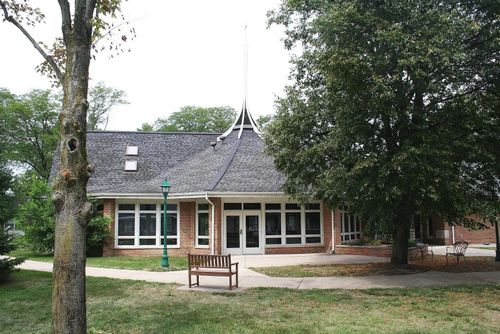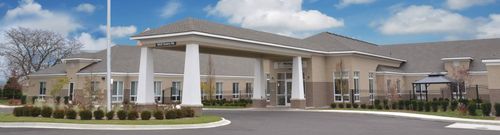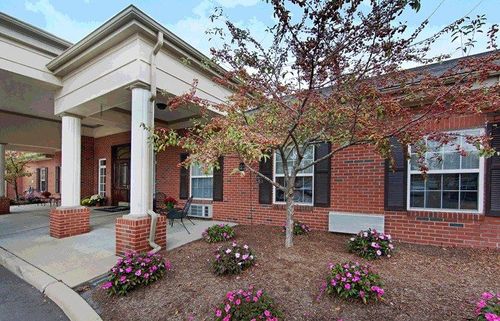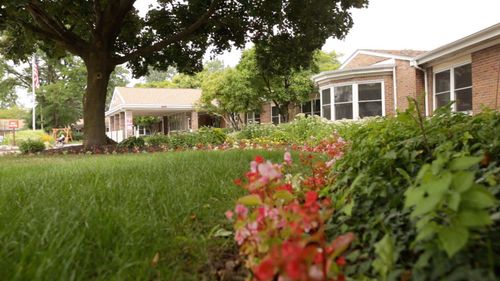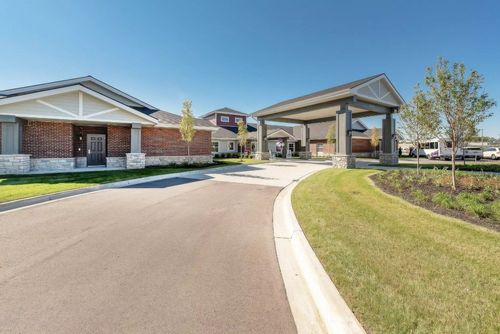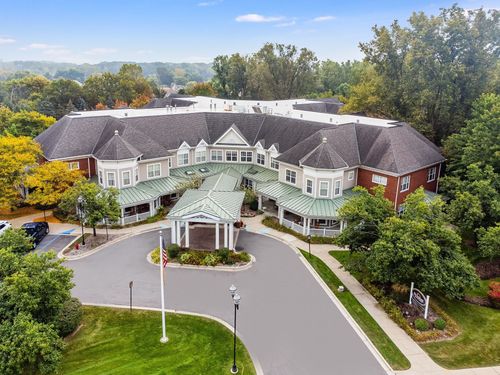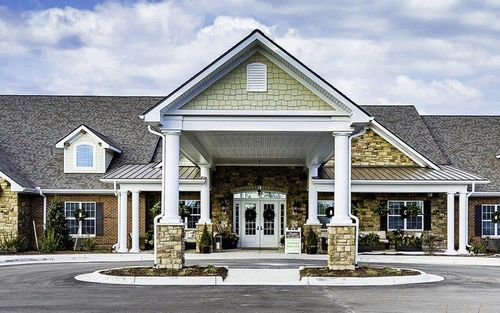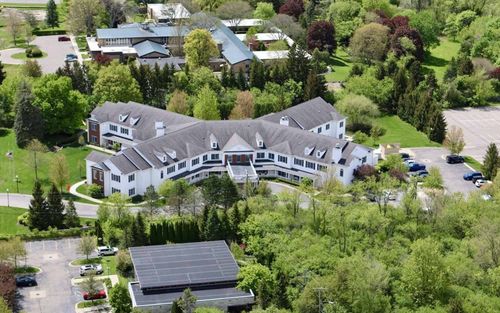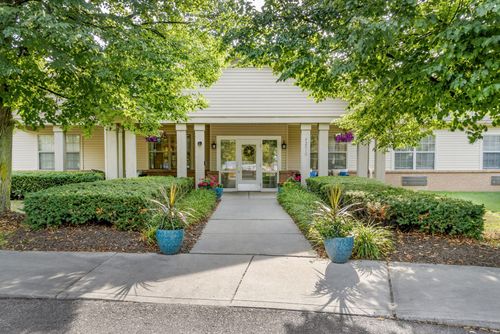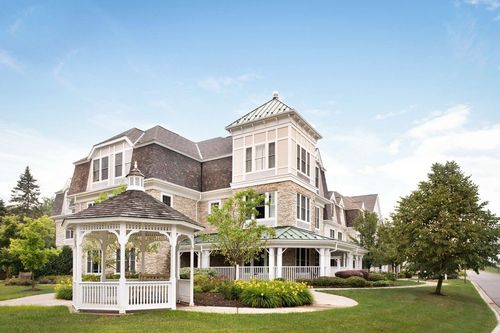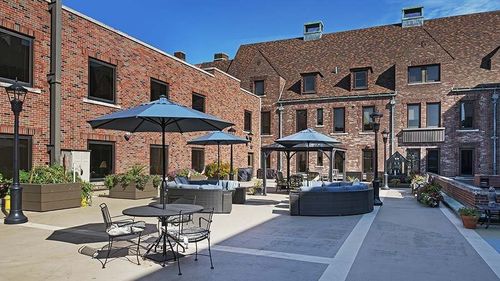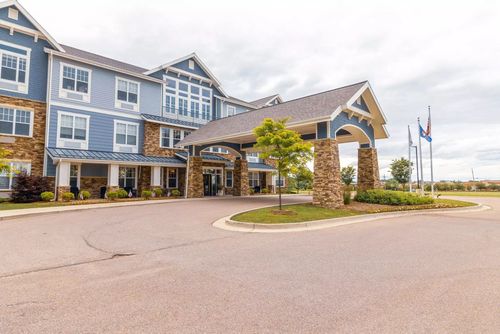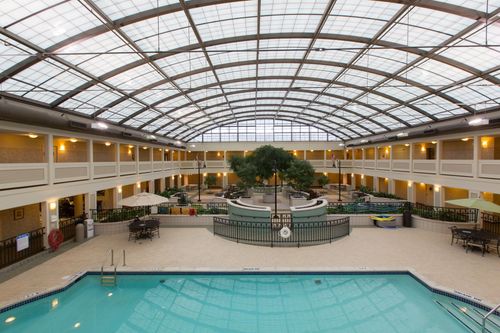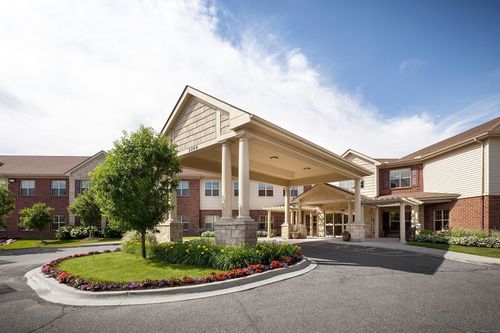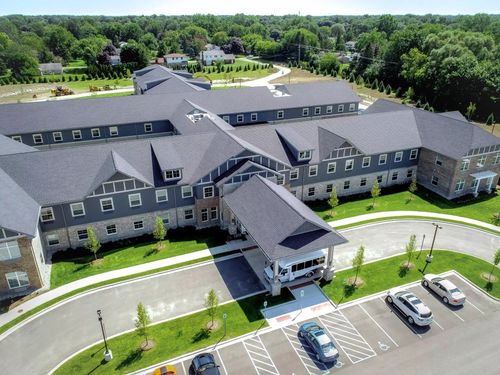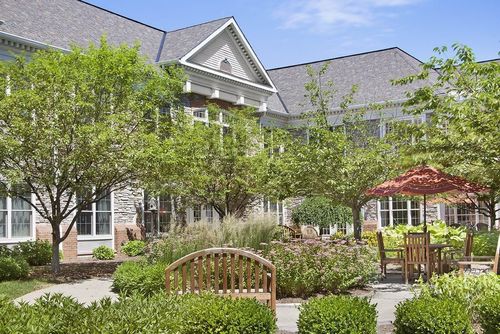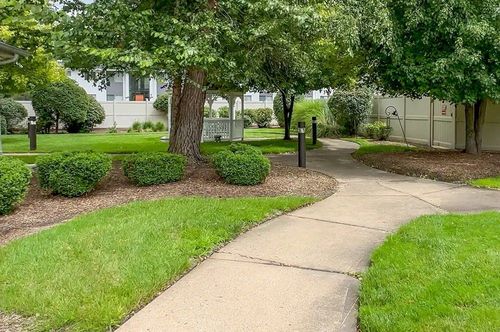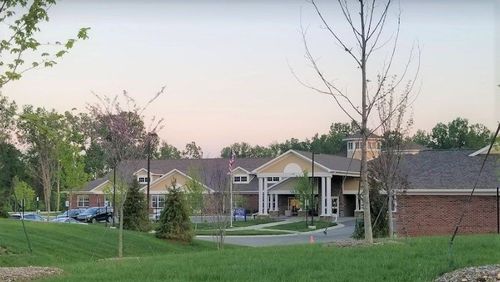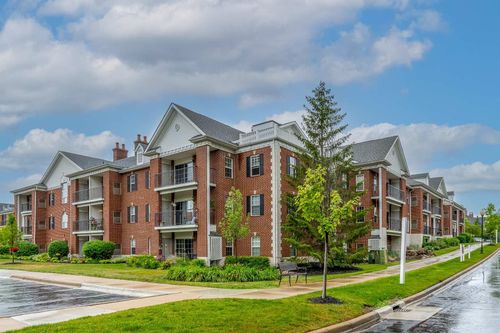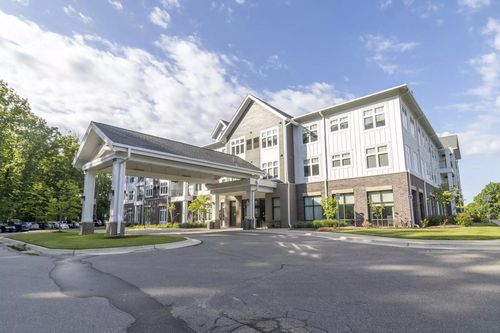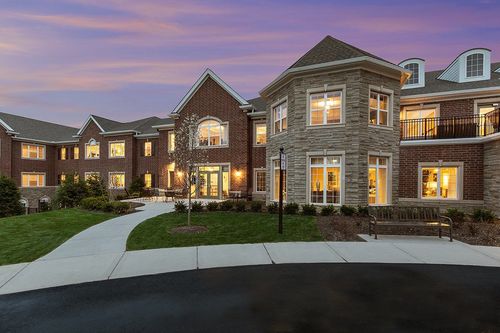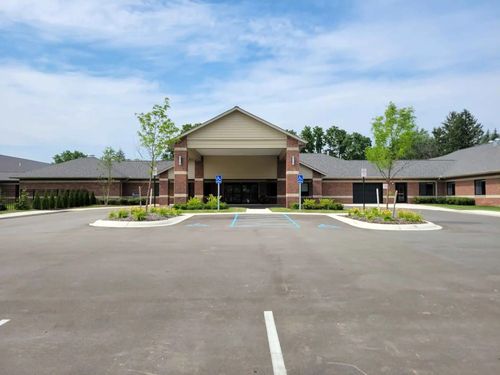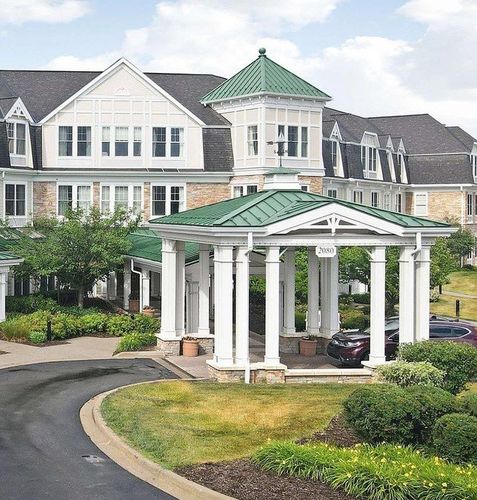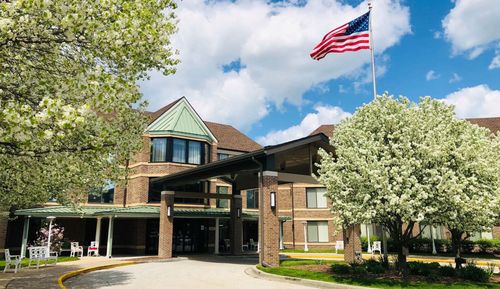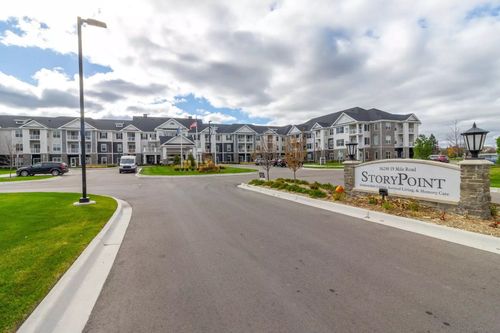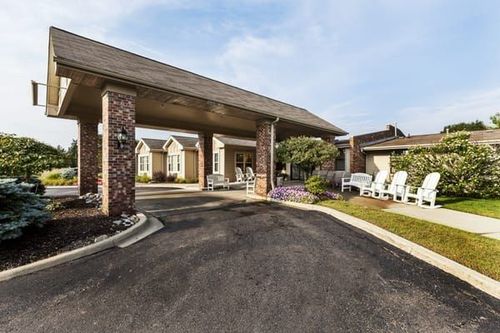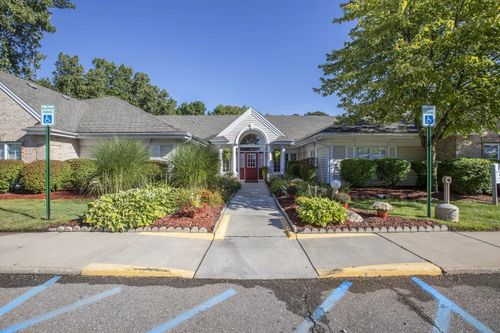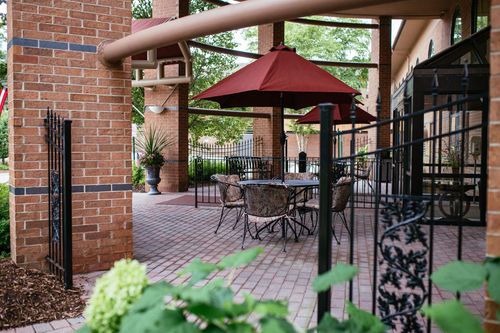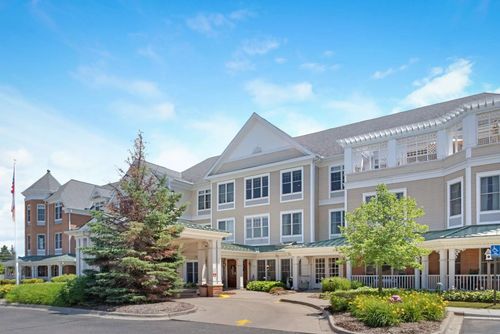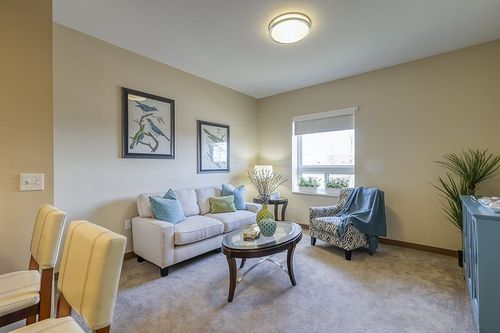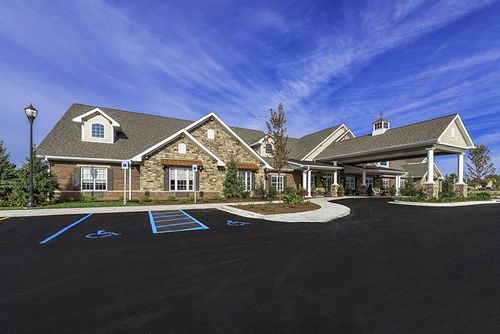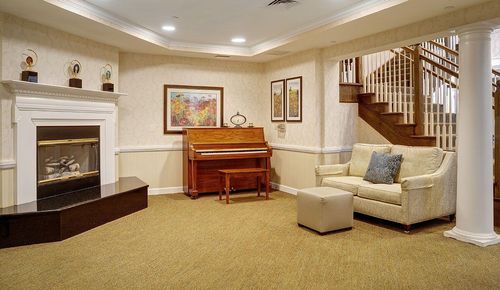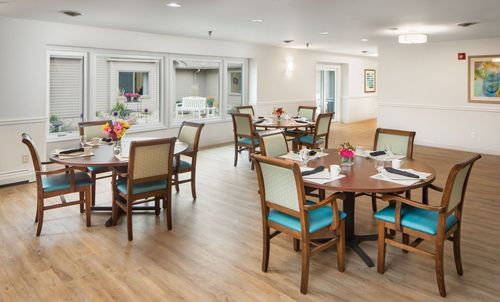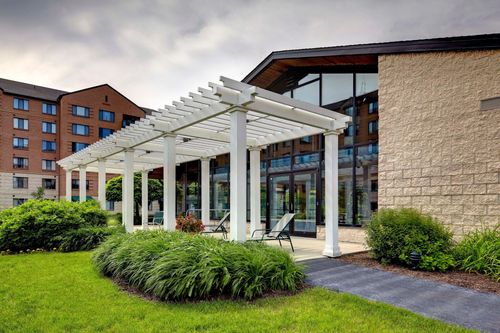
Two things a family looking at memory care usually cannot get in the same place are the ability to keep going up the ladder without changing address, and a funding route for the year private money runs thin. Dearborn has both in one property, where Allegria Village on Ford Road, the 1 matching community, runs a secured dementia neighborhood inside a campus that also carries independent apartments, assisted living and nursing beds, and is also a Medicaid participant.
That combination changes what a family is deciding, because the question stops being whether the setting can hold a resident as dementia progresses, and becomes one of timing: whether a secured room is free when it is needed, and how the move onto the secured side is handled.
What the Secured Side Provides, and What Sits Behind It
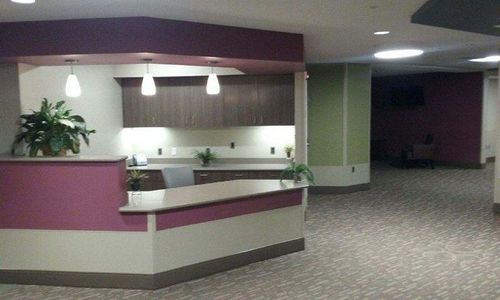
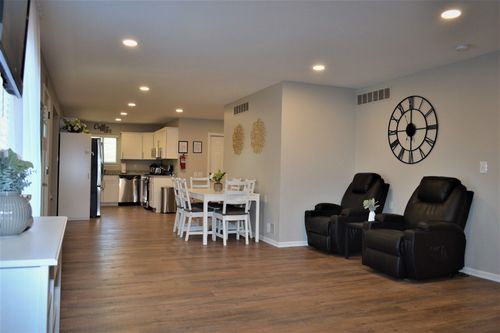
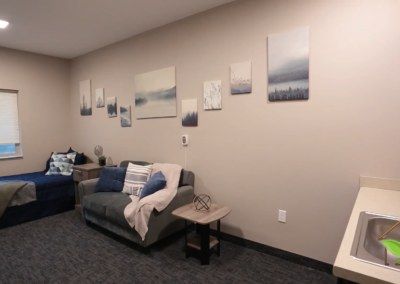
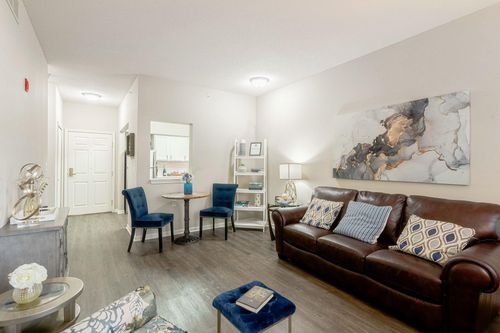
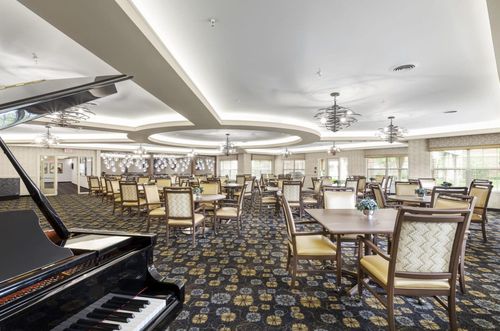
Inside the neighborhood the routine is deliberate: the same order to a morning, caregivers who know how to move a conversation on instead of correcting it, medication managed entirely by the building, unhurried meals, secured doors, and overnight staff who are properly awake.
What sits behind it is the part most secured settings cannot offer. On a campus that also runs nursing beds, a resident who develops a wound needing daily attention, or who comes back from hospital needing weeks of recovery, does not necessarily have to be moved to a strange building to get it. For a person with dementia that continuity is clinical rather than sentimental, since every change of environment costs orientation that takes time to rebuild. It is worth asking directly how movement between the levels is decided and who is involved in that call.
Two Kinds of Runway
The campus publishes an entry rate of $4,574 a month for 2026. Secured care is charged on top of that rather than instead of it, so the number a household should actually be working from is the one nobody quotes first. Ask for it directly, and ask what would move it as needs change.
The second runway is the one that makes Dearborn unusual at this level. Because the campus participates in Medicaid, a household whose savings will not stretch across a long illness is not automatically looking at a move later. The rules differ by level, with nursing-facility stays covered under traditional Michigan Medicaid and community settings falling under the MI Choice Waiver, which funds care rather than housing. Establishing which pathway applies, and when, belongs at the start of a stay rather than in the year the money runs down.
An Inner-Ring City That Stays Put
About seventeen percent of Wayne County is past sixty-five, which in the state's largest county still amounts to a very large number of households, most of them long settled in the same neighborhoods.
Dearborn is a city where people have owned the same house for decades and intend to stay inside the city they know. That produces steady local demand for a small amount of secured capacity, which is why the availability question here is worth asking early. A single secured neighborhood in a city this size does not sit empty waiting.
Why Dearborn Households Do Not Move Out
Staying inside the city keeps a resident among the same streets, the same shops and the same congregation, and it keeps the people visiting on the routes they already drive. For dementia care that matters more than for any other level, because the visits that hold up over years are the short, frequent, unremarkable ones rather than the planned expeditions.
The medical fabric is as deep as anywhere in Michigan. Corewell Health Dearborn sits under four miles away with a Level II trauma designation, primary stroke accreditation and teaching programs run with Wayne State University, while two Level I trauma centers, Henry Ford Hospital with the largest intensive care unit in the state and DMC Detroit Receiving with its verified burn center, are inside eight miles, so very little has to travel far from here.
What a Local Advisor Brings to Dearborn
When a city's secured capacity sits in one neighborhood, the useful knowledge is about access rather than comparison. A Local Senior Advisor covering the inner ring tracks whether a secured room is genuinely free this month, what the campus requires clinically before it accepts a resident, and how the assessment process runs against a hospital's timetable.
The funding pathways are the other half and they reward getting ahead of them. Which program applies at which level, what a spend-down actually involves and how long an application realistically takes are not things to work out in the month they matter. Families who reach out while the situation still has some slack in it tend to keep both the room and the plan.
Our directory for Dearborn continues to grow as we evaluate providers for quality and alignment in 2026. Start the conversation about memory care in Dearborn, or look through the buildings we cover at your own pace.