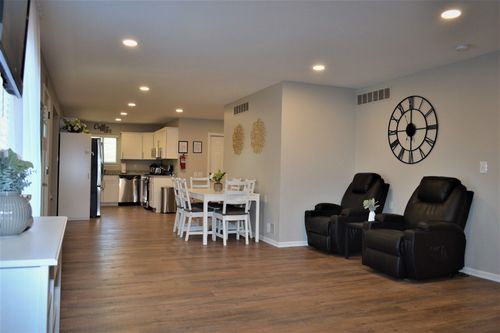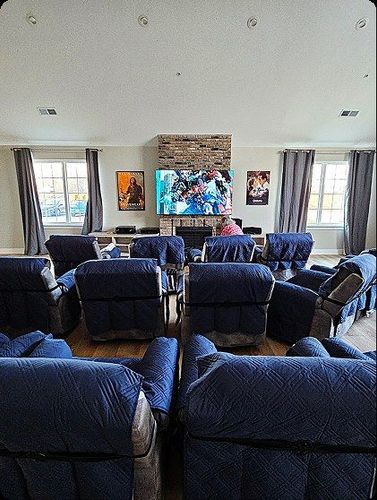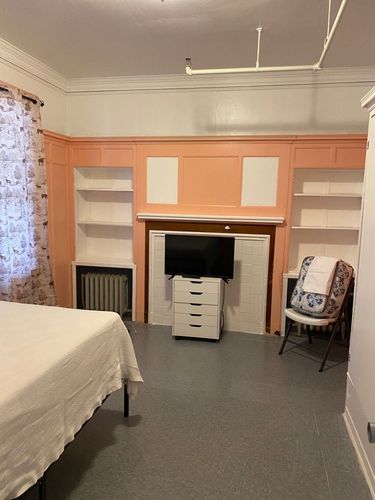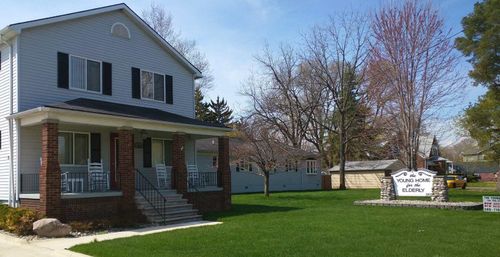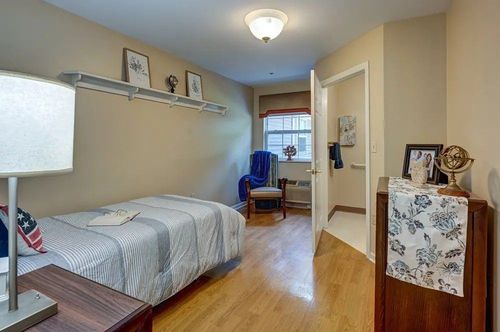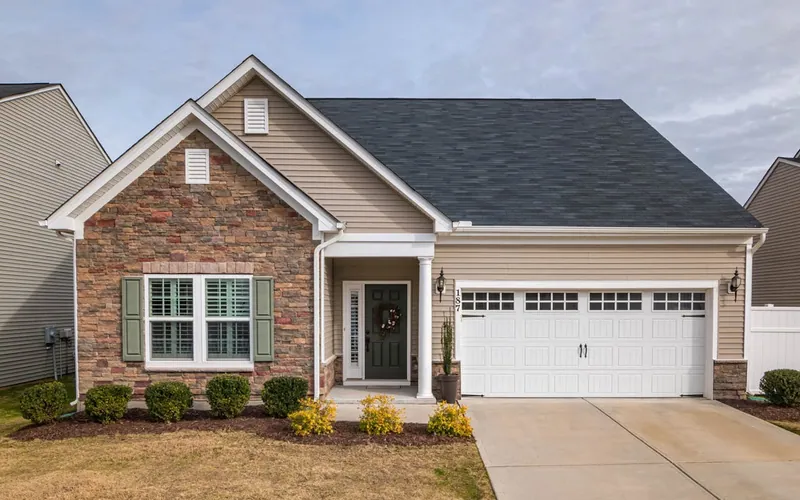
Oxford Manor West on Beech Street is Dearborn's home-style senior living, a house on a residential street in a city where the alternative is a campus of well over a hundred rooms. It carries assisted living, and that scope is the single most important thing for a household to understand before falling for the setting, because a home that does not run a secured neighborhood is answering a different question from one that does.
The setting itself is what most families come looking for here. A care home puts a small number of older adults in an ordinary house with hands-on daily support, and the help is the same assisted living a large community provides, arranged around a household rather than along corridors. Seventeen percent of Wayne County is sixty-five or over, some 300,122 people, and in the dense inner ring where Dearborn sits a house among houses is a setting many residents recognise immediately in a way a purpose-built building is not.
Living in a House on an Ordinary Street
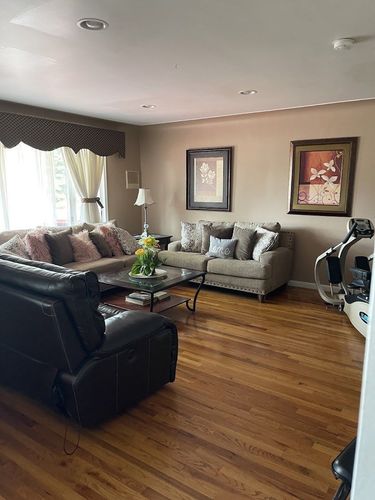
Fewer people under one roof changes the texture of a day rather than the substance of the care. Food comes out of a domestic kitchen and is eaten together, laundry and cleaning fit around the residents instead of running to a schedule, and a caregiver on shift covers a handful of people, so support with washing, dressing and moving about arrives at the moment it is wanted. Overnight cover works as it does in any licensed setting.
What a household cannot offer is worth naming rather than skirting. There is no therapy room, no calendar of daily events, no nursing staff on the premises and a social circle of a few people instead of dozens. For a resident who wants company, outings and a full dining room, one of Dearborn's larger settings is genuinely the better answer, and a page that argued otherwise would be selling. The house exists for the resident who finds scale itself the obstacle.
Cost, and the Question of Care Scope
Oxford Manor West starts at $3,500 a month, the lower of the two published figures in the city, and the starting number becomes a monthly one only after an assessment establishes how much daily help a resident actually needs. Small homes are not automatically the economical choice across Michigan, since a handful of residents divide the cost of staffing and a building between them, but in Dearborn the house does sit at the lower end.
Scope is where a household should spend its attention. A home carrying assisted living is set up for a resident who needs daily support and supervision rather than a secured environment, so the honest question to raise at the outset is what the house does when memory loss advances to the point that a secured setting becomes necessary. Care services inside a licensed residential setting can be paid through Michigan's MI Choice waiver where a resident satisfies its rules, with the housing element left to the household. Dearborn's care home does not currently participate, so a place is met privately.
Deciding Whether the House Is the Right Setting
Start with the resident rather than with the building itself. Somebody who is anxious in crowds, tires quickly among unfamiliar faces or is simply happier in a domestic space tends to do markedly better in a house, and somebody who has always liked being where things happen usually does not. That judgement is worth making honestly, because a setting mismatch shows up within weeks.
Availability is the practical question that follows straight after it. Rooms in a house exist only as residents move on, so a household needing one in a particular month may find nothing free and no queue to join, and the city offers a single house rather than several. Location is the third and it favours the city: Beech Street sits within the grid families already know, so visiting fits around an ordinary week rather than becoming a trip.
What a Local Advisor Brings to a Dearborn Care Home Search
Almost nothing that decides a placement in a house gets written down. A room approaching vacancy, the way nights are covered in practice, the point at which the home stops taking on additional need, and the distance between the published figure and an assessed one: those are learned by turning up and asking, not by reading.
The scope conversation is the one worth having early and plainly, because a household that understands what a home is set up for makes a better decision than one that discovers it later. If a house rather than a campus is what you are picturing for Dearborn, reach out and we will work through whether this one fits.
The Dearborn directory continues to grow as we evaluate providers for quality and alignment in 2026. Start the conversation about residential care homes in Dearborn, or scan the buildings we cover at your own pace.