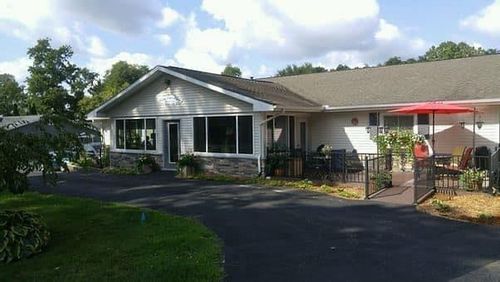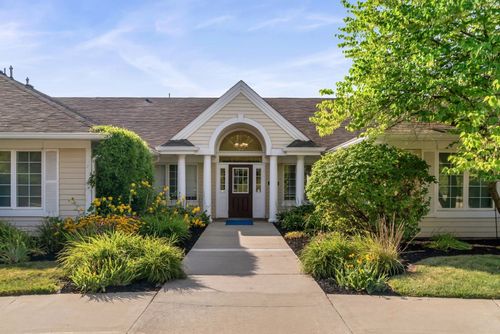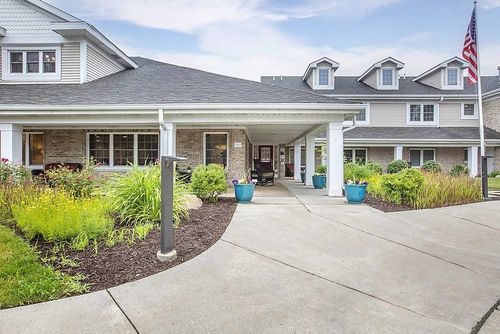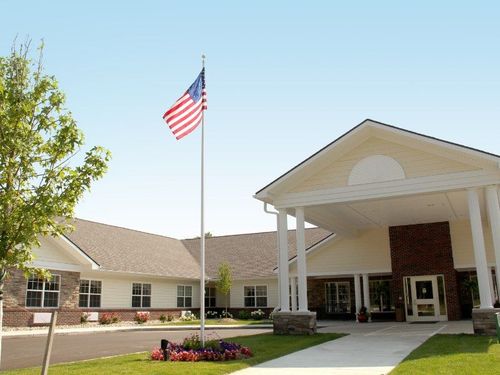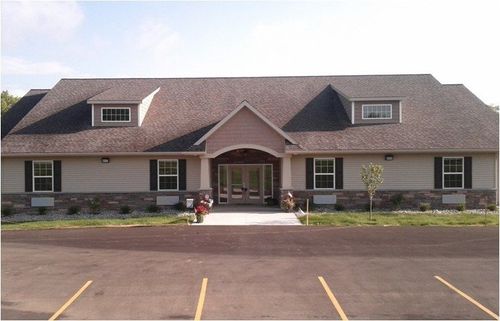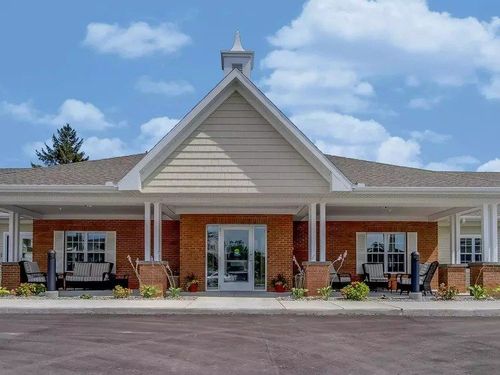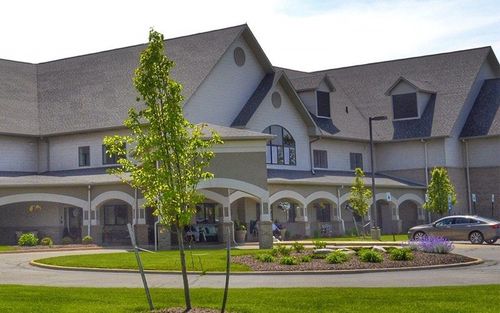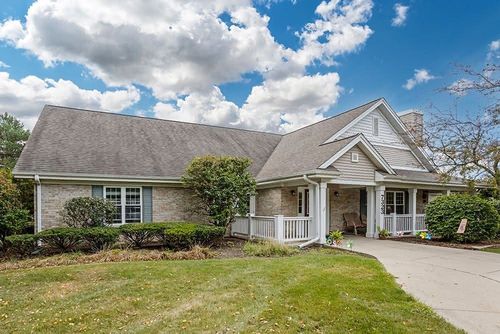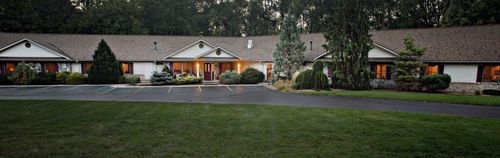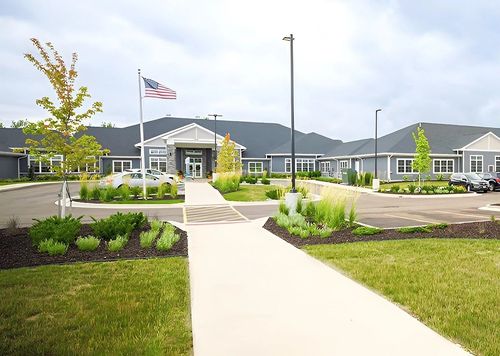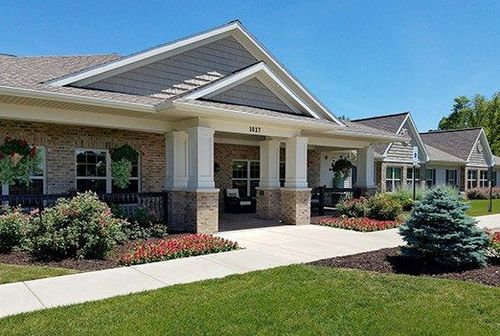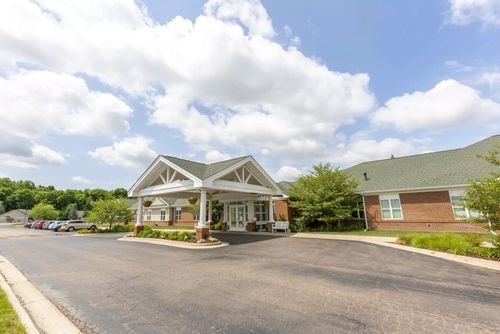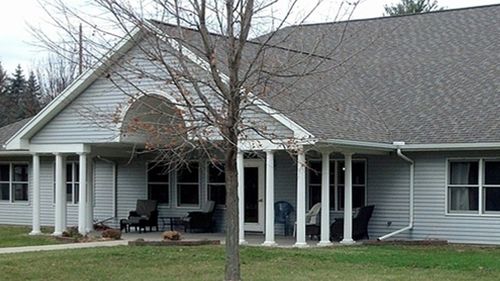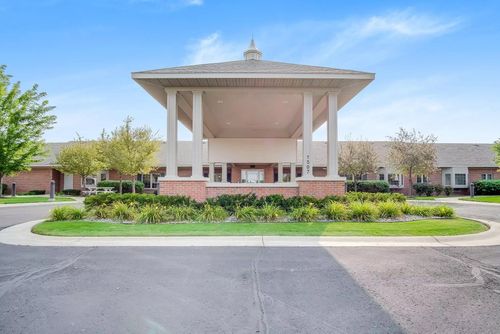
East Lansing does something unusual with assisted living: it offers it as a tier rather than as a destination. Both addresses carrying it, Burcham Hills Retirement Center II on Burcham Drive and The Willows at East Lansing, are licensed all the way through to skilled nursing, so the apartment a resident moves into sits on a property that already holds the next two answers.
That changes the question a household is really asking. Instead of working out which place suits this year, the decision becomes which of the two would be tolerable to belong to for the next ten, because the odds here are good that nobody has to move again.
Help That Arrives Without a Move
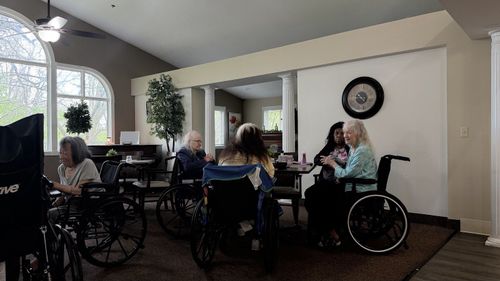
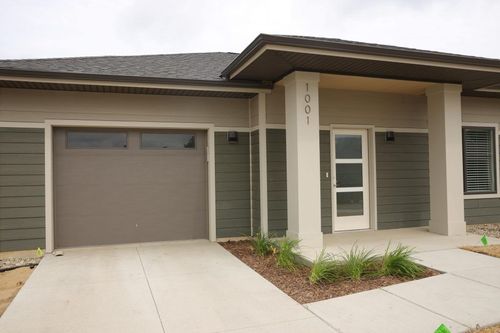
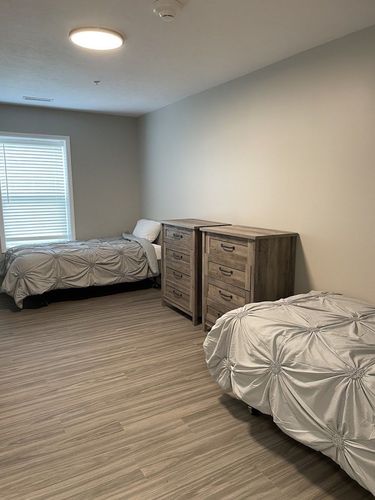
Assisted living at both campuses is apartment-based, so a resident keeps a private door and their own hours, and support is layered onto that: medications given on schedule and tracked, a caregiver for bathing and dressing at agreed times, meals in a dining room, housekeeping and laundry folded into the rate, and a call system that reaches staff at any hour of the night.
What matters more is the point at which that stops being enough. On a property licensed for nursing, an increase in need is usually a change of care plan rather than a change of address, and a stay in the nursing wing after a hospital admission does not cost a resident their apartment. Both addresses also hold secured dementia neighborhoods, so a change in memory is handled on the same site as well. Transportation to appointments runs from the building, worth more than it sounds in a city where winter parking is its own project.
What the Two Campuses Charge
Assisted living in East Lansing runs $4,474 to $5,428 a month in 2026, with Burcham Hills Retirement Center II at the lower figure and The Willows at East Lansing at the higher. Both are entry rates set by a care assessment, and both sit above what the small residential houses in the surrounding townships ask, which is the honest trade for a property carrying every level of care.
One of the two participates in Michigan Medicaid, and that matters most at the nursing tier, where private rates climb fastest and a long stay can outrun what a household set aside. The state's MI Choice waiver helps with the caregiving half of a bill while the housing half stays with the family, so it changes the slope of the cost rather than removing it. A household planning across a decade should price the nursing tier now rather than discover it later.
The Older Half of a University Town
Ingham County reads young on paper because Michigan State dominates the count, with roughly one resident in seven past 65 against nearly one in five across the state. The older population is real all the same, and it concentrates in the residential streets east of campus and in the townships beyond them rather than in the student core.
East Lansing answers that with capacity more than with variety. A substantial number of senior-living beds sit inside the city limits across the two properties, and assisted-living apartments turn over often enough to be planned for, while the secured and nursing tiers move less predictably and reward an early call.
Why Households Choose a Campus Here
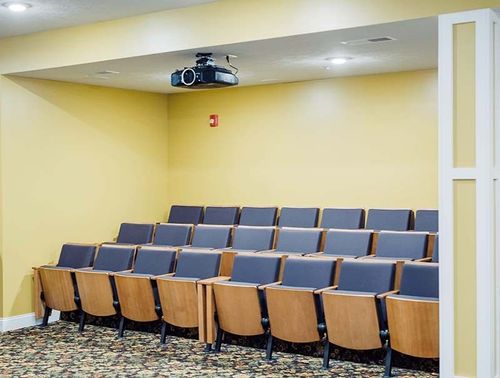
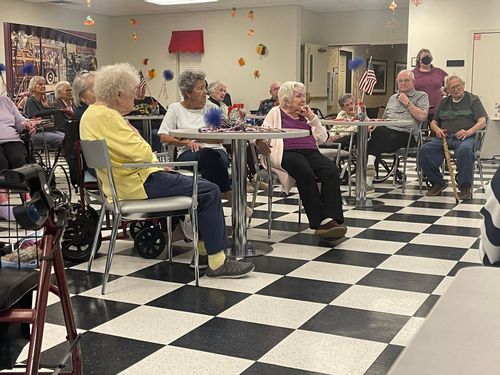
University towns keep their retirees, and people who spent careers at Michigan State tend to stay in the same neighborhoods afterward, and that shows up inside the communities themselves, in lecture series, library runs and a calendar built on the assumption that residents still want to learn things.
Healthcare sits unusually close, with McLaren Greater Lansing having opened its replacement hospital with 240 private rooms and a Level III trauma center at the southern edge of the Michigan State campus in 2022, minutes from either address, while University of Michigan Health-Sparrow Lansing is a short drive west with 733 beds, the region's only Level I trauma center and the first comprehensive stroke certification granted in Michigan.
What a Local Advisor Brings to East Lansing
The two campuses look alike from the road and diverge on the things that decide a decade: which participates in Medicaid, how each handles the move from an apartment into the nursing wing, and what the assessed rate does at every step along the way. An advisor working the city carries those answers and knows which apartments are open now.
Narrowing is mostly a question of horizon, in that a household planning two years should weigh price and location; one planning ten should weigh the funding path and the nursing tier, because that is where the difference eventually lands. Reach out before an admission at Sparrow or McLaren sets the timetable, and both campuses can be compared properly instead of in a hurry.
We keep expanding our East Lansing coverage as we evaluate providers for quality and alignment in 2026. Start the conversation about assisted living in East Lansing, or scan the buildings we cover at your own pace.