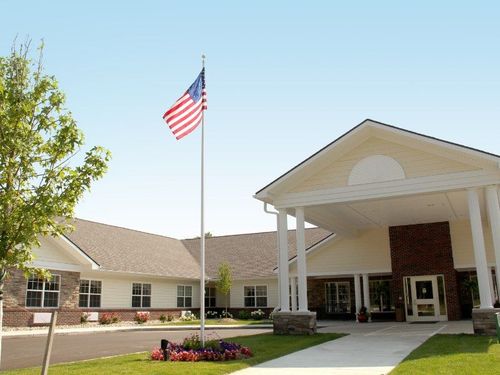
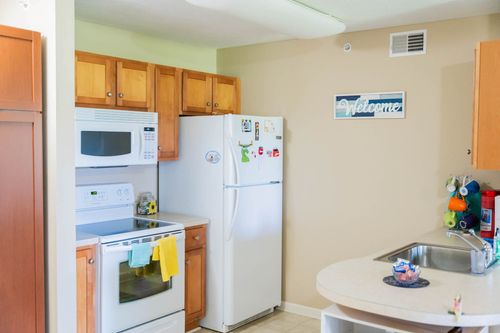
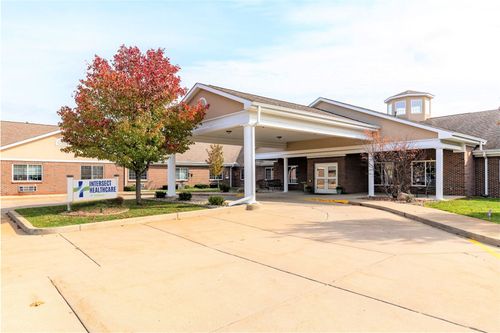
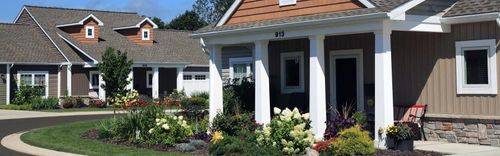
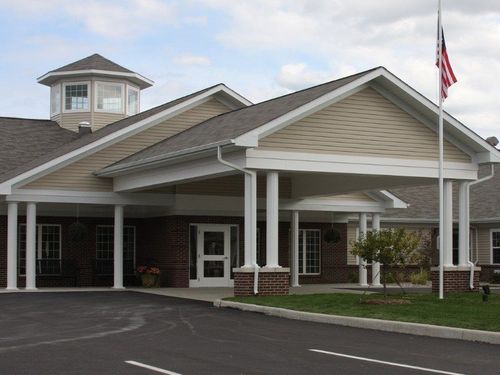
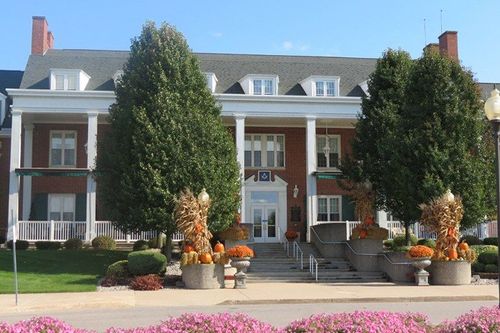
Most East Lansing households arrive at Medicaid the same way, which is later than they meant to. Private savings carry the first year or two of care, the balance draws down faster than anyone modeled it would, and the question of what happens next turns urgent while a parent is already settled somewhere. A small number of local addresses appear on this page, Burcham Hills Retirement Center II among them, and the thing worth understanding before anything else is that a Medicaid-accepting address in Michigan is not the same as Medicaid-covered care. The program funds a care need rather than a place to live, and which part of that distinction applies depends on which part of a building a resident actually occupies.
Coverage Changes With the Level of Care
Where a Medicaid-accepting address offers several levels of support rather than one, the coverage question has to be asked level by level. Michigan runs two routes into funded long-term care and they land in different places. The MI Choice waiver pays for care services inside licensed community settings, which covers adult foster care homes and homes for the aged, for anyone assessed as needing what a nursing facility would provide. Nursing facility Medicaid reaches the skilled tier for people who satisfy both the financial and the clinical requirements.
Independent living sits outside both of those routes entirely. No waiver and no Medicaid pathway exists for an independent apartment, since the whole program is built around a demonstrated need for care and an independent apartment is precisely the arrangement where none has been demonstrated. A family weighing a multi-level address in East Lansing should therefore establish which tier a resident would actually live in before asking what Medicaid covers, since the answer differs completely between the assisted and the skilled ends of a single campus.
The Two Tests, and the Gap Between Them
The monthly figure published for the East Lansing listing here is $4,474, which describes private-pay residency rather than what a Medicaid-funded resident ends up contributing. Eligibility rests on two determinations that proceed in parallel. The financial one holds income under a ceiling set as a multiple of the federal Supplemental Security Income rate, holds countable assets for one applicant to two thousand dollars, and looks back five years at gifts and at anything sold below value. The clinical one is an assessment establishing a nursing-facility level of need.
Neither determination waits for the other, and either is capable of stalling. Applications go through the local Michigan Department of Health and Human Services office in Ingham County while the care assessment is arranged through the regional waiver agency, so a household ends up running two files at once. The waiver is capped rather than open-ended, which turns qualifying and being funded into separate events with a gap between them across much of the state. Spousal impoverishment rules apply throughout and allow a husband or wife remaining at home to keep a defined share of assets and income.
Working the Order of Events
With so few Medicaid-accepting addresses in the city, the exercise is sequencing rather than shopping. Establish which level of care applies, open both files at once, and calculate the monthly shortfall the resident's own income has to absorb after the care itself is covered.
The gap that costs families the most sits between a license and an actual room. A community can take part in the waiver program and still have no funded place standing open, or may keep a small number of funded places alongside residents paying their own way, and neither situation is visible from outside the building. Discharges through the Lansing hospitals often arrive with an application still pending, which leaves a household needing something workable for the interval while a determination grinds forward.
What a Local Advisor Brings to East Lansing
A Medicaid placement rarely stalls where a family expected it to. A bank statement missing from four years ago, an assessment scheduled two weeks out, a funded place that filled while a determination was still pending: the obstacles are procedural rather than substantive, and every one of them is easier to anticipate than to unwind afterward.
An advisor covering Ingham County follows both files and watches what a list this short does the moment a funded place comes free. Any East Lansing household expecting to rely on the program eventually is better served starting while the savings still leave the timetable some slack, so reach out before the runway shortens.
The East Lansing directory continues to grow as we evaluate providers for quality and alignment in 2026. Reach out for a conversation about medicaid in East Lansing, or browse the communities we have vetted at your own pace.