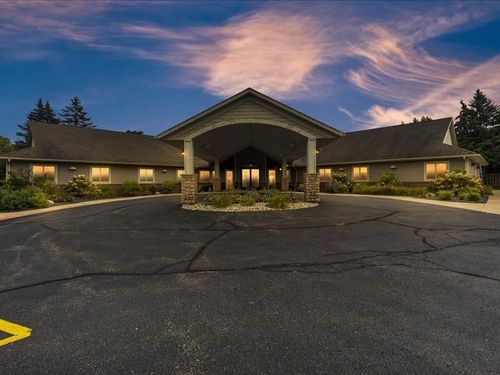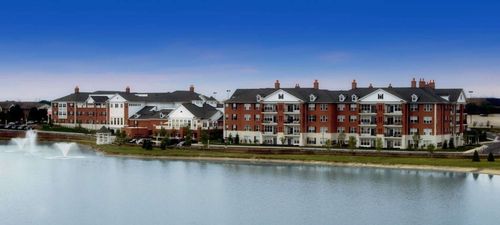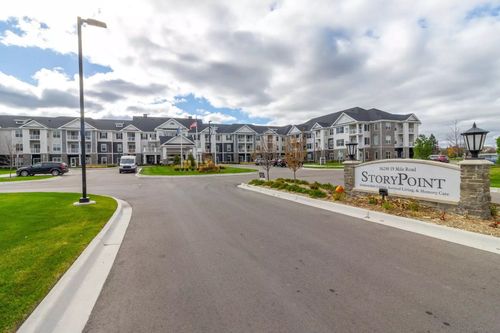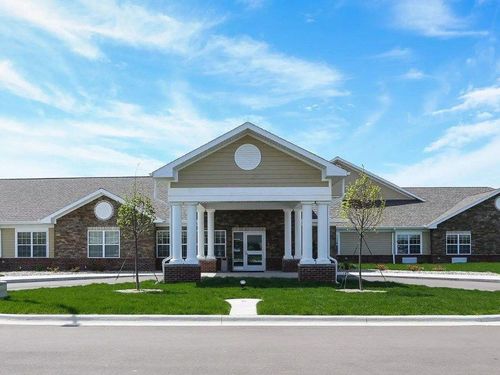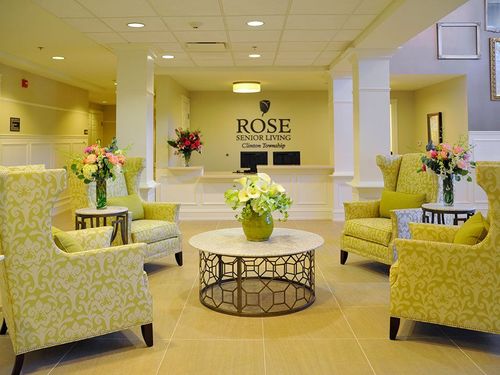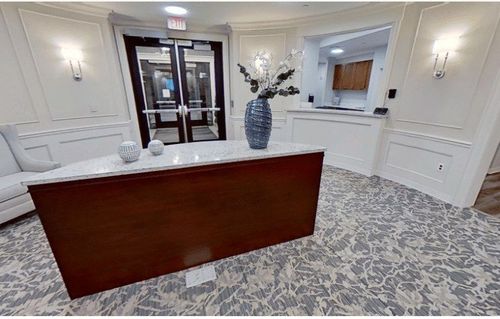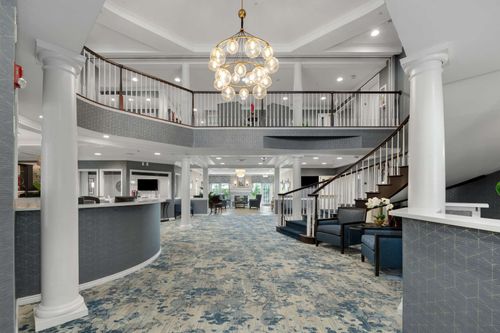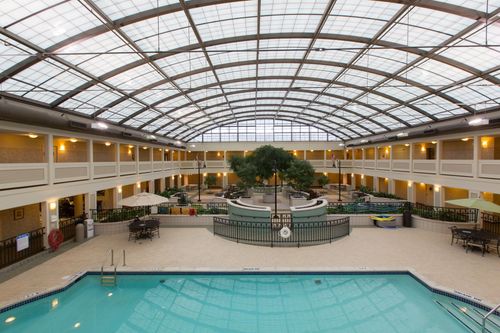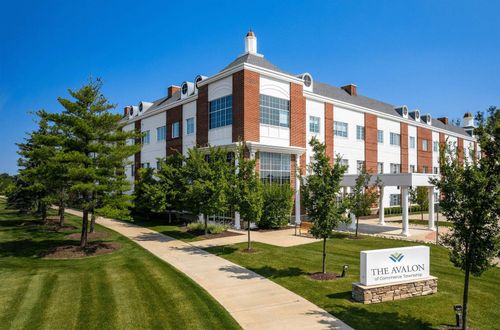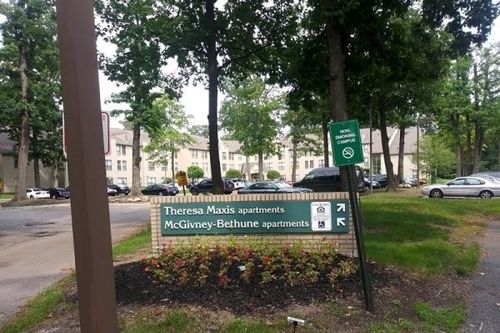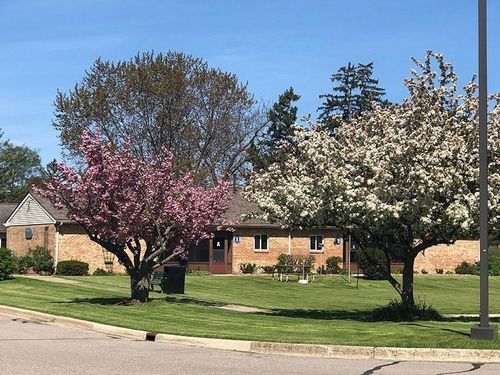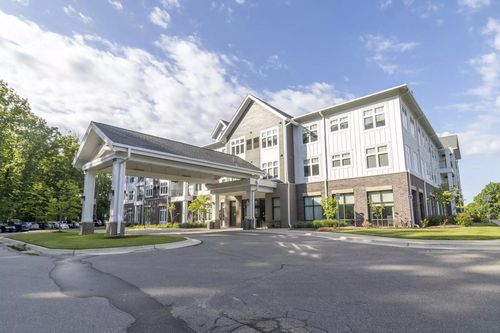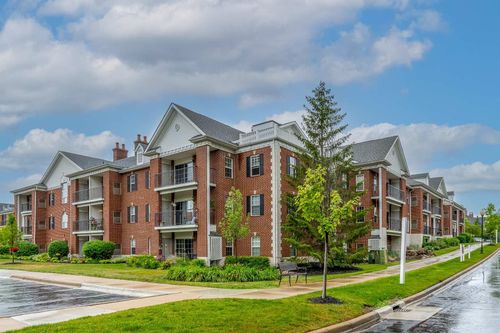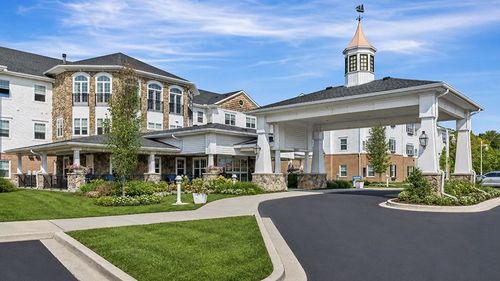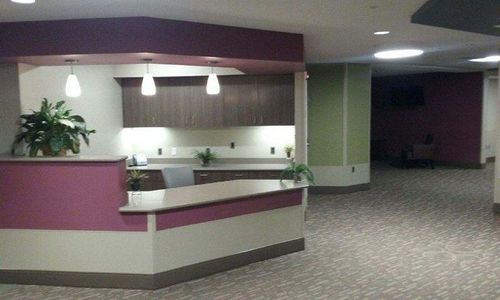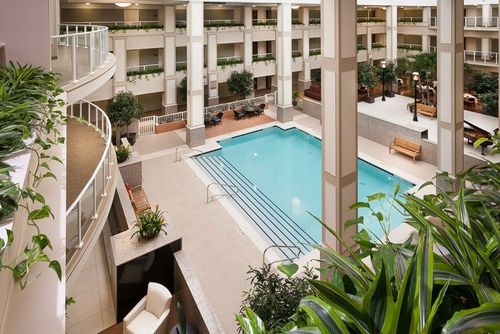
An independent living apartment in Rochester is bought as a front door rather than a destination. Flourish Collection at Rochester and River Oaks Senior Living both run the levels of care that come after it inside the same building, at campus scale, somewhere between eighty-five and a hundred and seventeen residents apiece, so a household choosing an apartment here is really choosing where they will be if things change in ten years.
That reframes what a tour is even for, because nobody moving into independent living needs help with medications or bathing, and both addresses would say so plainly. The question worth asking is what happens on the day somebody does, and in Rochester the answer is a different corridor rather than a different postcode.
What the Monthly Rate Actually Buys
Independent living is hospitality rather than care, and the monthly figure reflects that. It buys the apartment and its utilities, meals in a shared dining room, housekeeping, the upkeep nobody misses doing, scheduled transport, and a calendar that fills the hours a house used to take. What it does not buy is hands-on help: no medication administration, no assistance with bathing or dressing, no clinical assessment at move-in and no nurse rostered to a resident's door.
That distinction is the one families most often blur, and it matters because the model breaks quietly. A resident who starts skipping meals, missing doses or avoiding the shower has outgrown independent living even if nothing dramatic has happened, and the building will say so. Where a Rochester campus differs from a standalone apartment complex is that outgrowing it does not mean packing up a life again.
Rates, and What a Thousand Dollars Buys
Published starting rates for independent living in Rochester run from $4,469 to $5,500 a month in 2026, and the gap between the two addresses holds fairly steady as a resident moves up the levels. What the higher figure buys is atmosphere rather than capability, since both buildings carry the same ladder: newer finishes, a different staffing pattern, a particular feel to the corridor late in the afternoon.
Medicaid does not enter this conversation at all, which surprises some families. Michigan's MI Choice waiver requires a clinical assessment placing a resident at nursing-facility level of need, and somebody choosing independent living is by definition nowhere near that threshold. Independent living is a private-pay decision from the outset, and the useful planning question is not how to subsidise the first year but whether the household can carry the later, dearer levels in the same building.
Who Is Moving, and When
Oakland County holds around two hundred and fifty thousand residents past sixty-five, and Rochester's older households skew toward people who have owned a house nearby for decades rather than retirees arriving from elsewhere. That produces a particular kind of move: planned, unhurried and often triggered by a winter of shovelling rather than by anything medical.
Demand runs steadier than for the care levels because nobody is being discharged into an apartment. Waiting lists exist, they move slowly, and a household that puts its name down a year early usually gets the unit it wanted rather than the one that happened to be free.
Why Rochester Holds Its Own Retirees
The town gives an independent resident somewhere to be. The Older Persons' Commission on Letica Drive is a ninety-thousand-square-foot centre open to anyone past fifty living in Rochester, Rochester Hills or Oakland Township, membership costs the price of a card, and it runs classes, trips, an adult day service, equipment loans, meals and transport. Very few Michigan towns have anything on that scale.
Downtown does the rest of the work, being walkable, holding real shops, and running a winter light display that keeps grandchildren coming through the coldest months, which is worth more to an older household than most of what a brochure lists. One of the two local addresses also takes pets, which for a resident downsizing out of a house is occasionally the whole decision.
Working With a Local Senior Advisor in Rochester
A Local Senior Advisor working Rochester spends most of the conversation on the years after the move rather than the move itself: what each building charges at the levels above independent living, how it decides a resident should step up, and whether the wait list for the apartment a household actually wants runs months or a year.
Those answers change which building is the better buy, and they are easier to get before a family has fallen for a show apartment. A short conversation early is usually what turns two similar-looking campuses into a clear choice.
The Rochester directory continues to grow as we evaluate providers for quality and alignment in 2026. Start the conversation about independent living in Rochester, or look through the buildings we cover at your own pace.