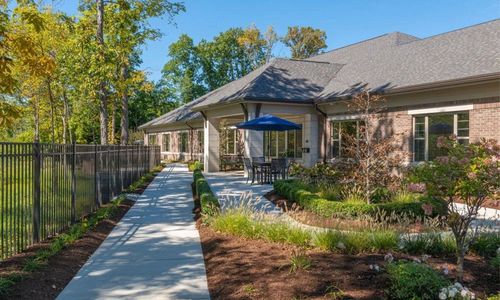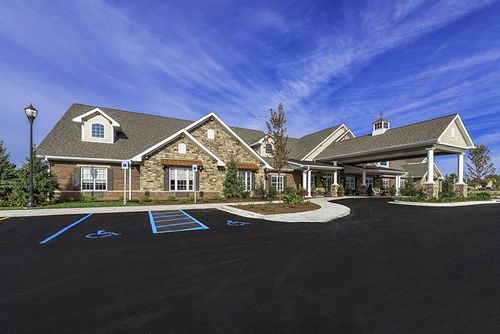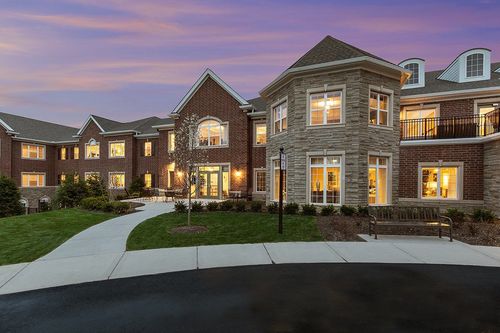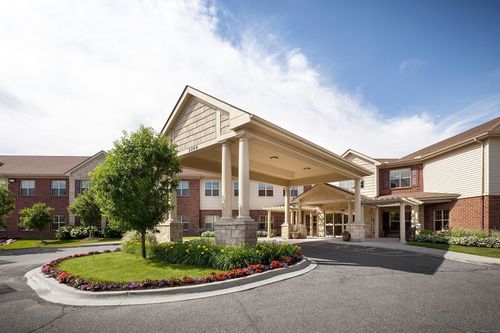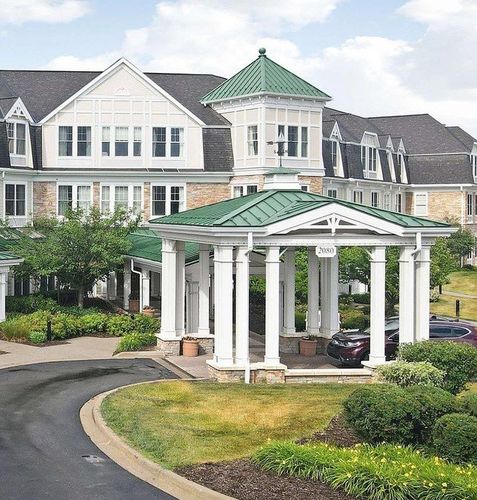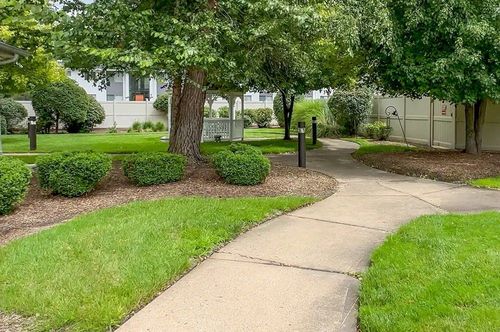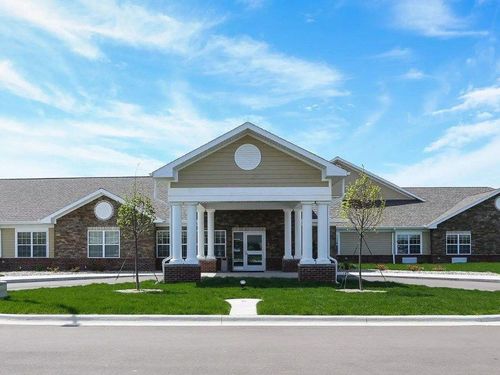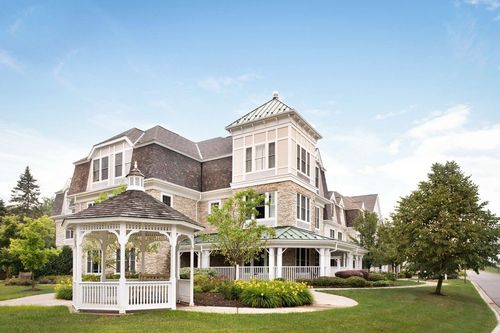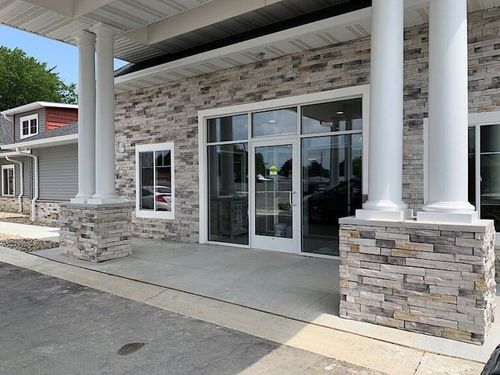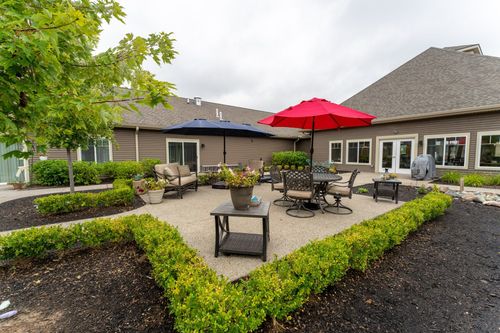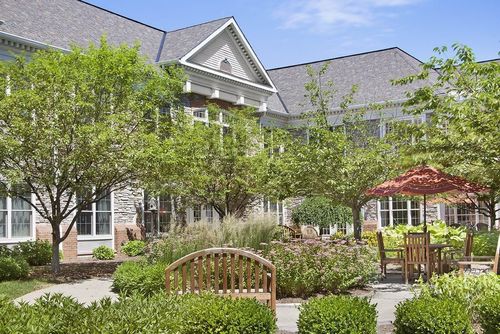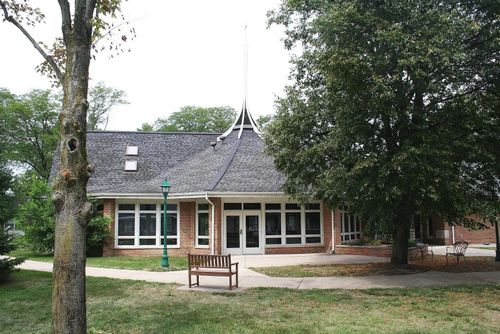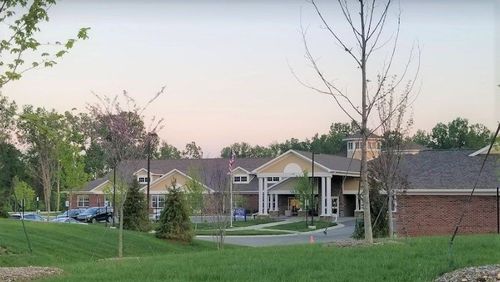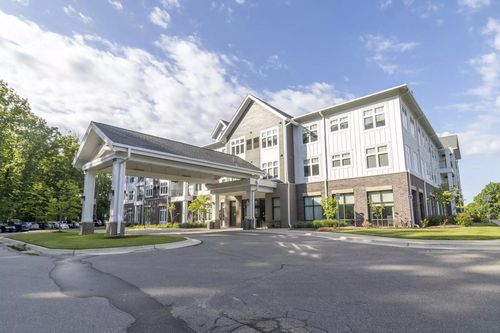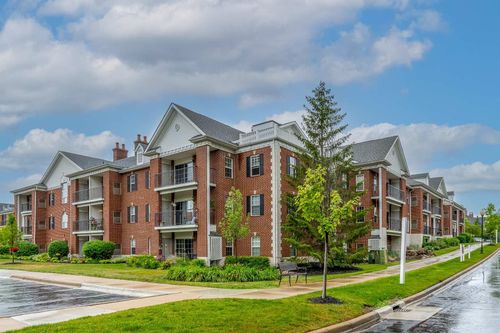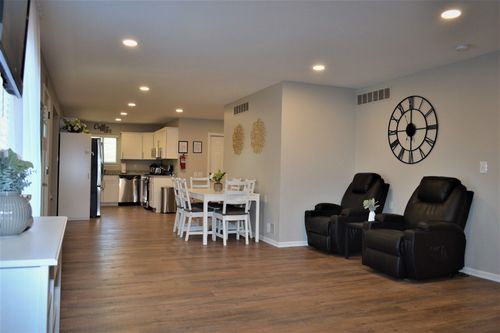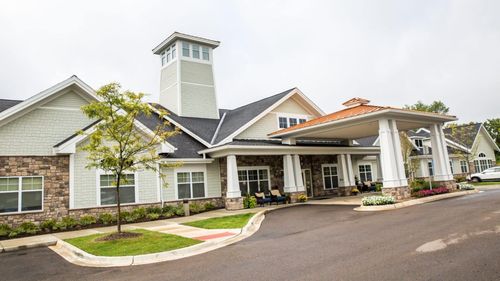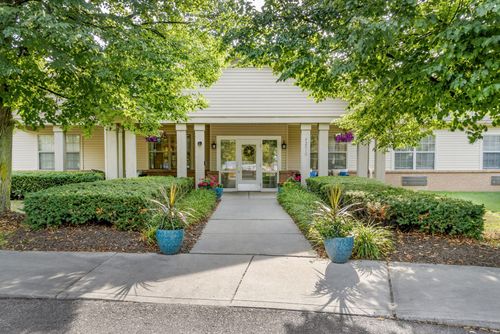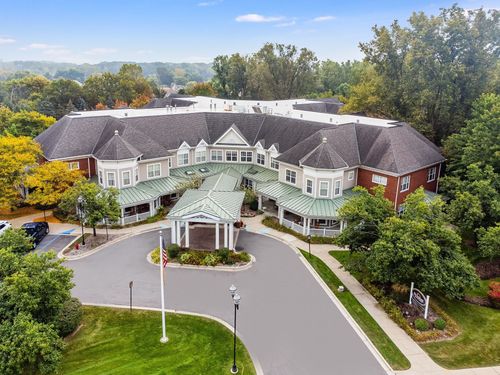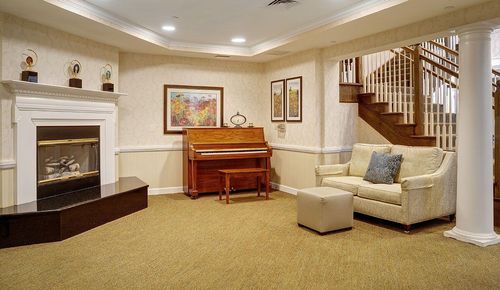
Everything about a short stay starts with dates, and in Rochester those dates are usually somebody else's: an operation booked for the eleventh, a flight leaving on a Tuesday, a discharge planner saying Thursday and then possibly Friday. River Oaks Senior Living on East University Drive arranges short-term stays inside a building holding independent apartments, an assisted living floor and a memory care neighborhood behind secured doors, with permanent residency starting at $4,469 a month.
The advantage of that scale in Oakland County is real. A community of over a hundred apartments turns rooms over often enough to say yes at shorter notice than a small house ever can, which is exactly what a family working to somebody else's calendar needs.
What a Guest Receives While the Booking Runs
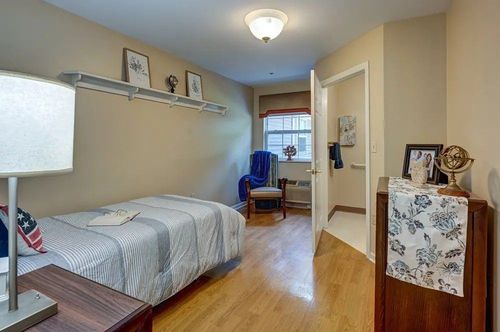
The room arrives furnished, so nothing is packed or stored, and a guest is served exactly as the residents are: dining room meals, assessed help with washing, dressing and medication, the day's activities, and staff awake overnight. The only thing marking the stay as temporary is the date at the end of it.
Before a booking is confirmed, two matters are settled. A minimum booking length normally applies, measured in weeks rather than days, and an assessment establishes what support the guest needs, which sets both the staffing and the price. Where the request is for the secured memory care neighborhood, expect fewer rooms and a longer lead time than the assisted living side involves.
What the Days Add Up To
The $4,469 figure belongs to permanent residency and misleads badly if read as the cost of two weeks. A short stay is quoted by the day, and a day normally costs more than the same month divided out, because a room readied and re-let several times a season carries expenses that a settled resident's apartment does not.
Households pay for this themselves in almost every instance. Medicare buys no part of a supportive stay in a retirement community; its respite provision belongs to hospice and covers a handful of inpatient days. After a qualifying hospital admission Medicare will fund therapy and nursing on a rehabilitation floor, an entirely different service carrying its own conditions, and confusing the two costs families weeks. Michigan's waiver money is committed to continuing care for people who clear its financial and assessment thresholds, so a private fortnight sits outside it.
Working Backwards From the Calendar
Where dates are known in advance, ask about availability and the minimum length in the same conversation, several weeks out, because a minimum measured in weeks can quietly rule out an eleven-day trip that looked straightforward.
Where a discharge is setting the pace, everything depends on how quickly an assessment can happen. Bring the medication list as it stands, a recent physician assessment, and a straightforward description of what help the nights require as opposed to the days, since that is the material a community decides on. A household holding all three usually gets an answer within the day; one still gathering them can lose the week that mattered.
Sorting Three Answers in One Call
Three answers decide a short stay, and all three move: whether a room is free on the dates, what the assessment produces by way of level and price, and whether the secured side can take a guest at all that month.
Someone working these communities can get all three at once, and can say plainly when the request a family is making is really for rehabilitation rather than respite. Where an operation or a trip is already fixed, reach out while the surrounding arrangements can still be shifted.
We keep expanding our Rochester coverage as we evaluate providers for quality and alignment in 2026. Start the conversation about respite care in Rochester, or scan the buildings we cover at your own pace.