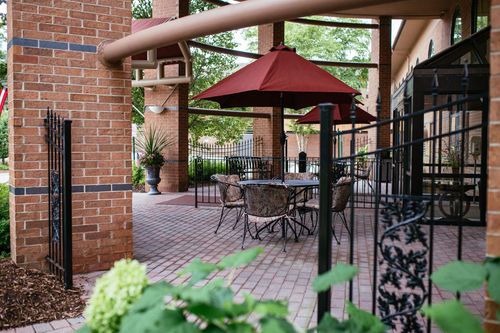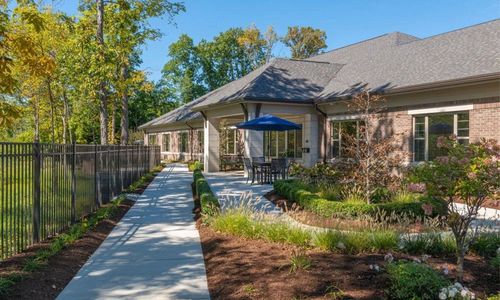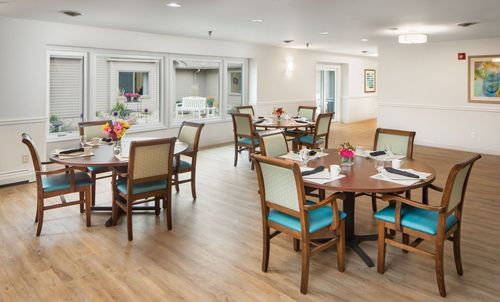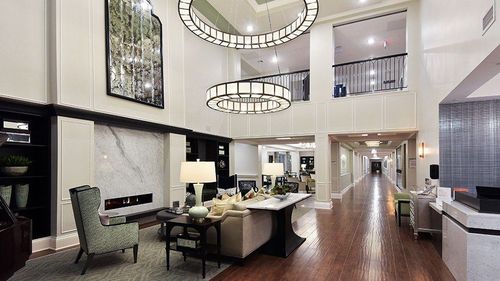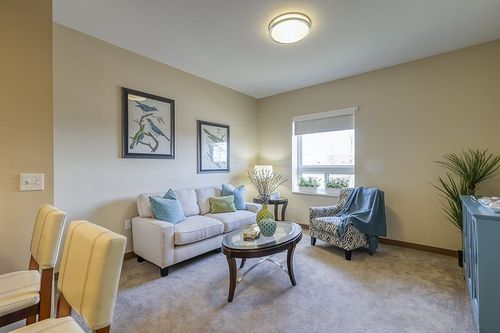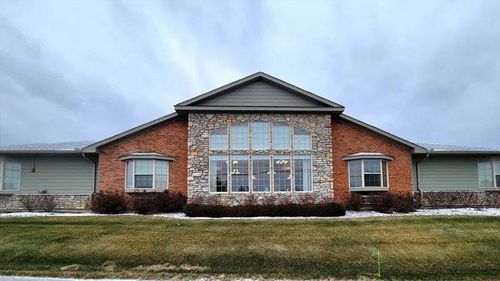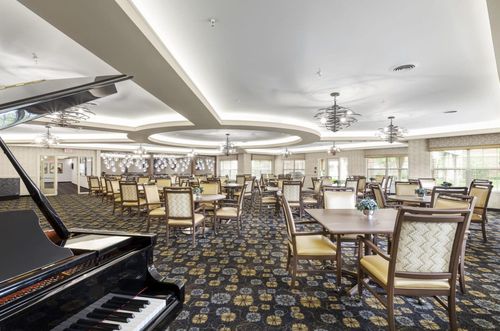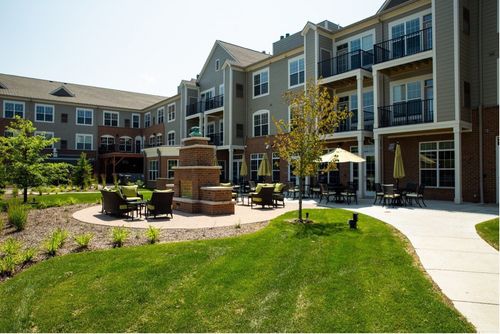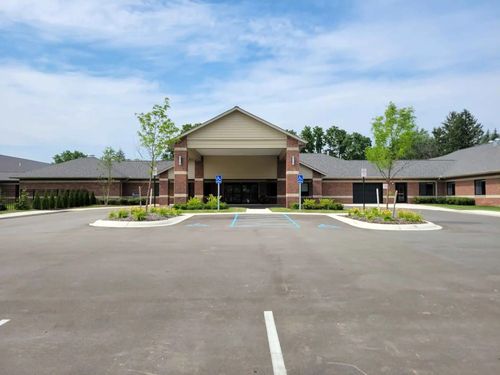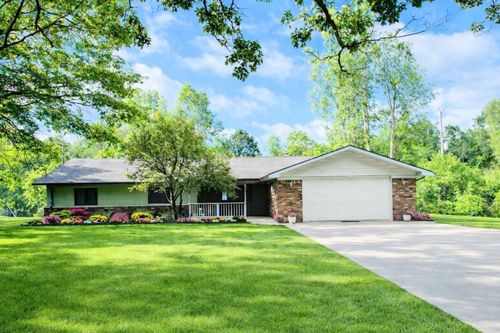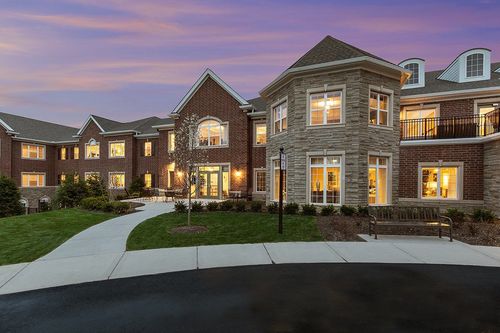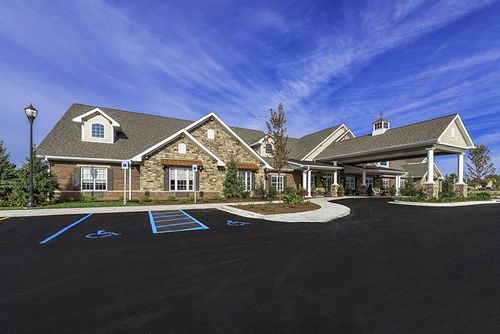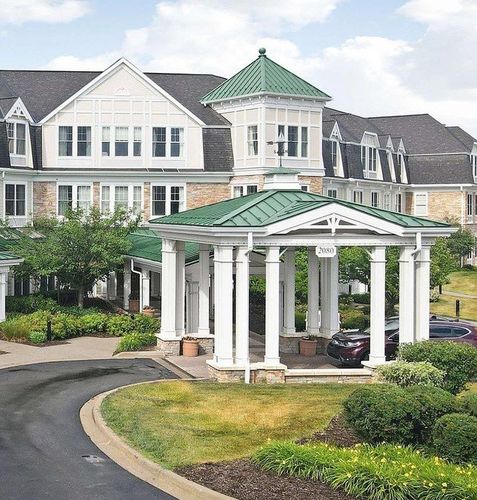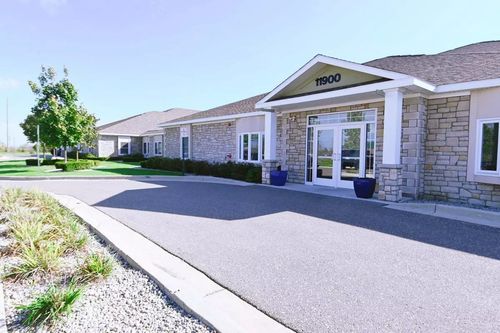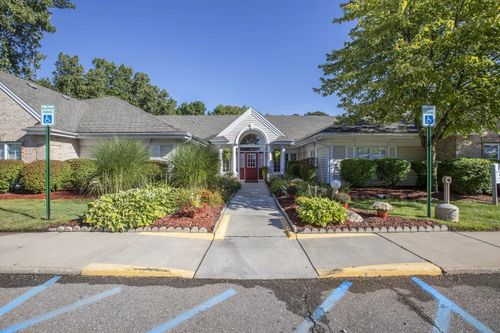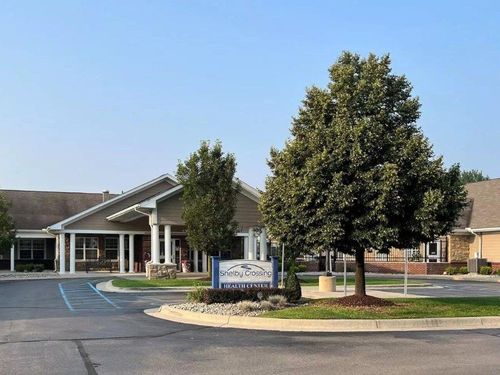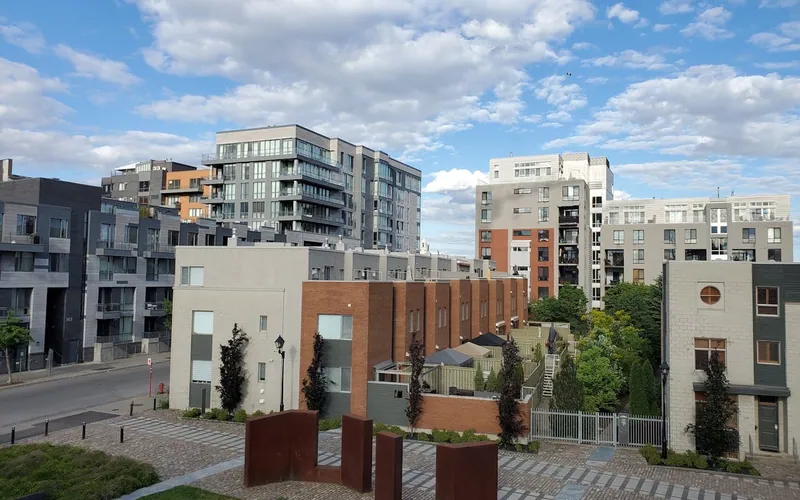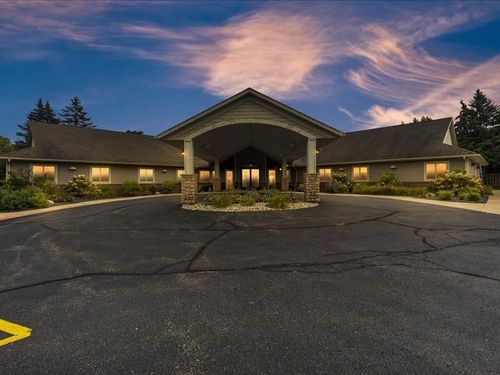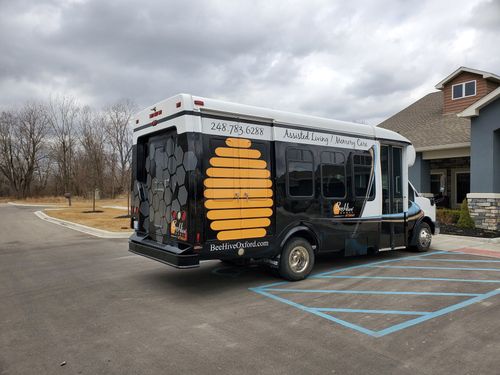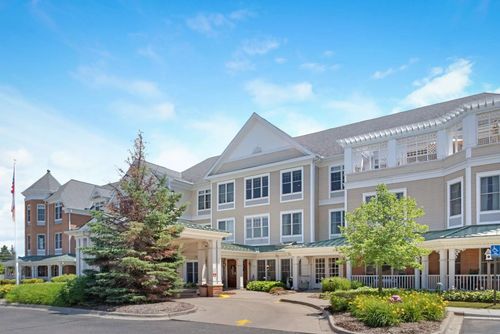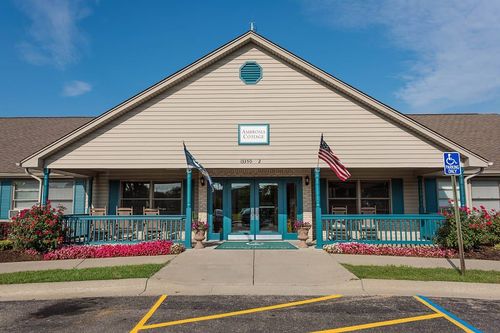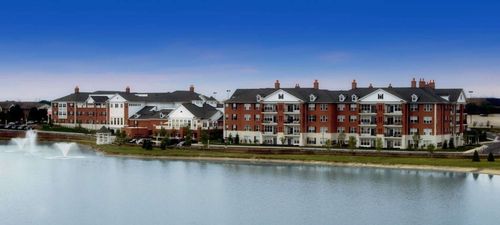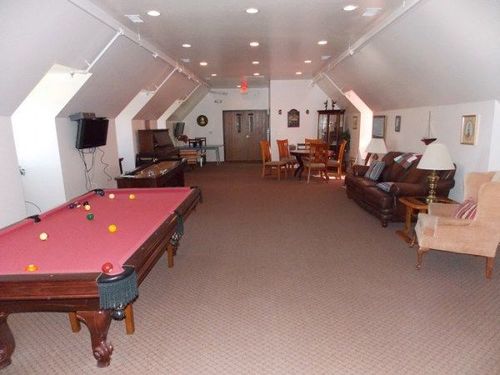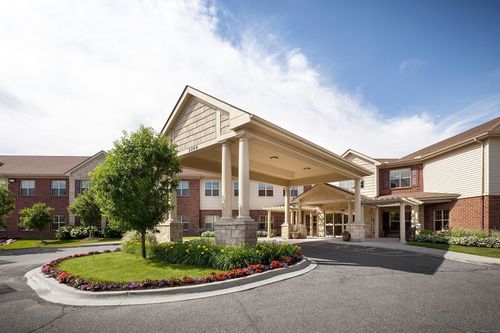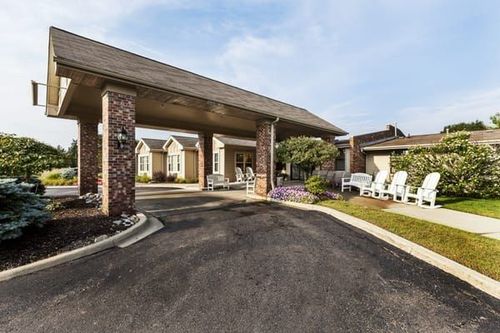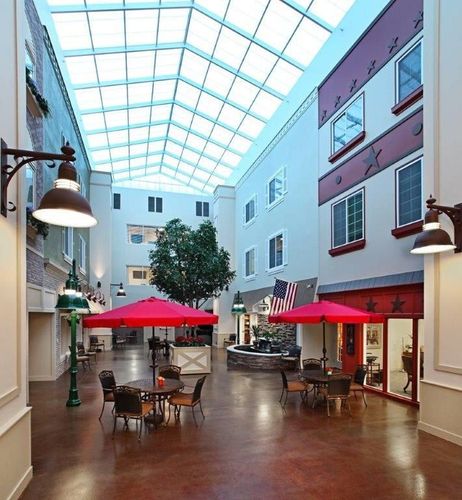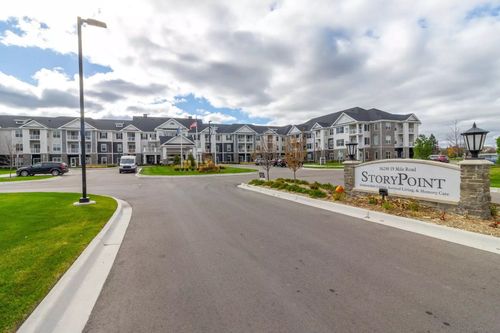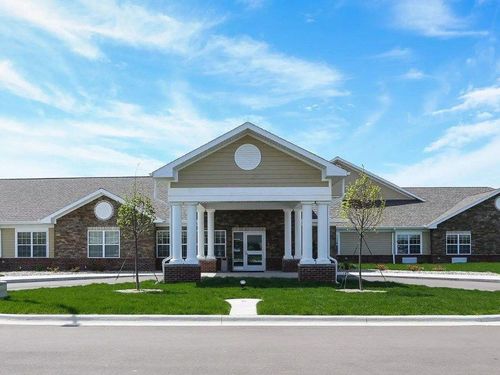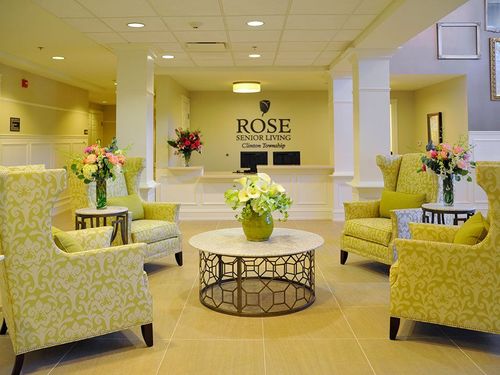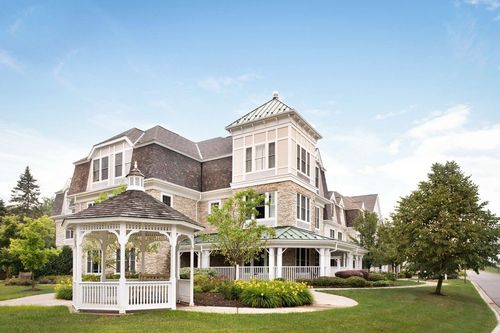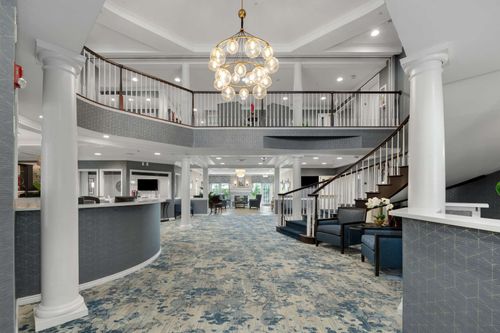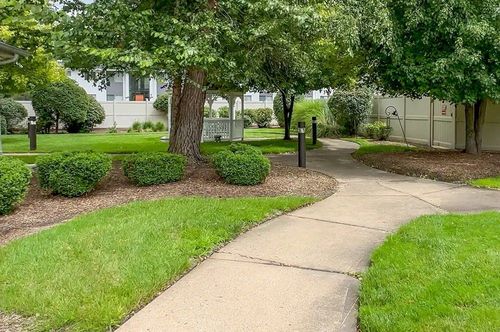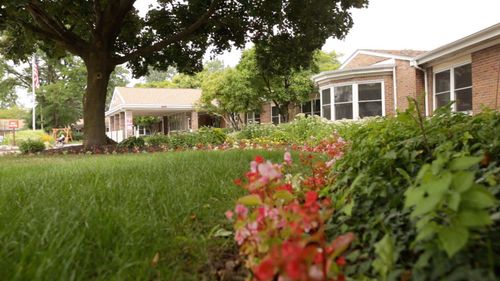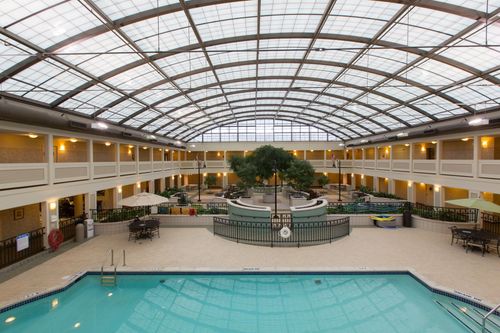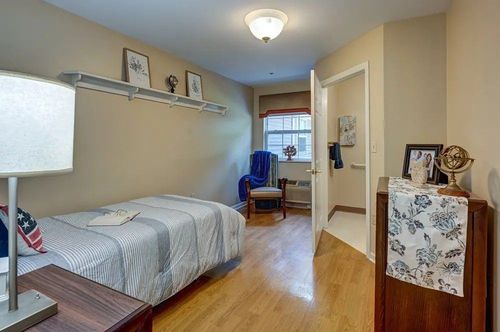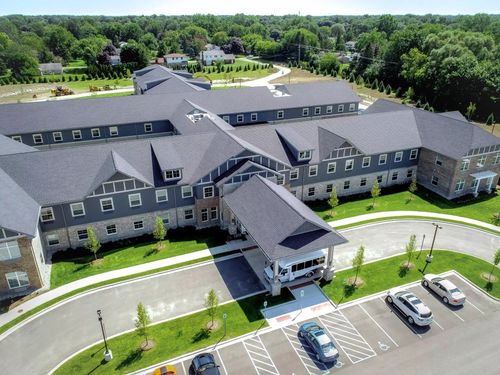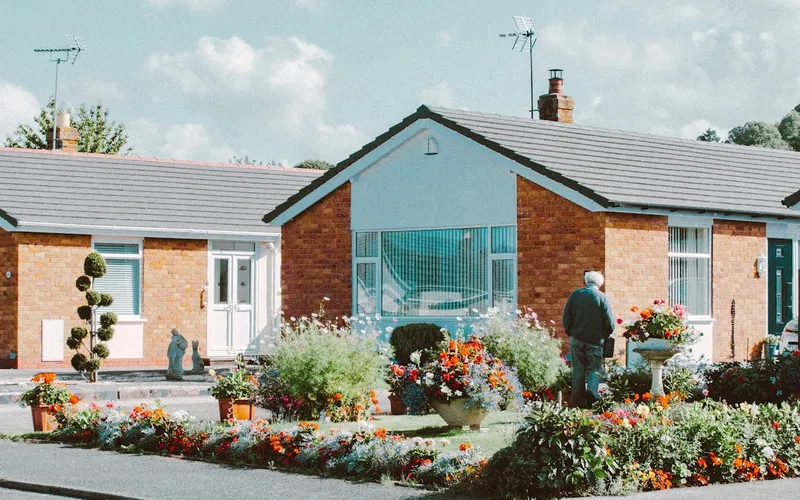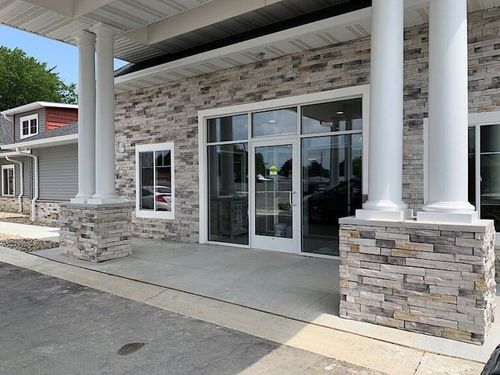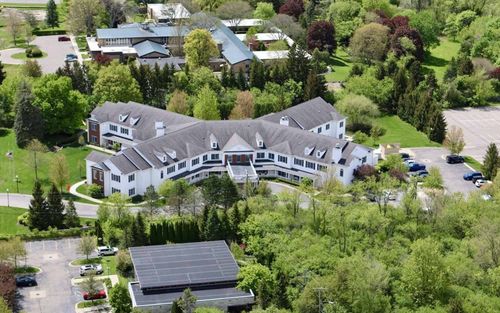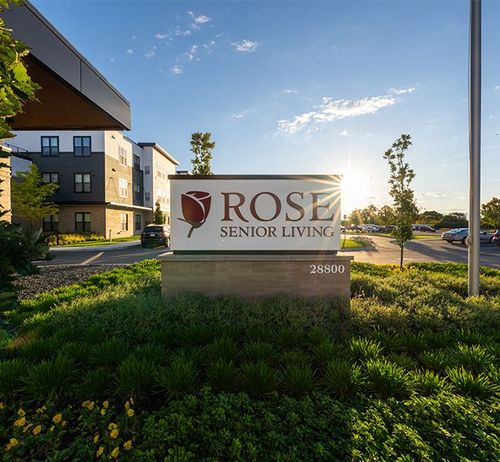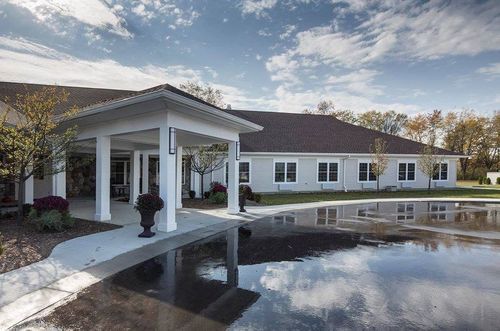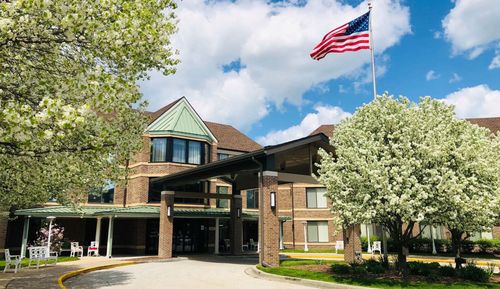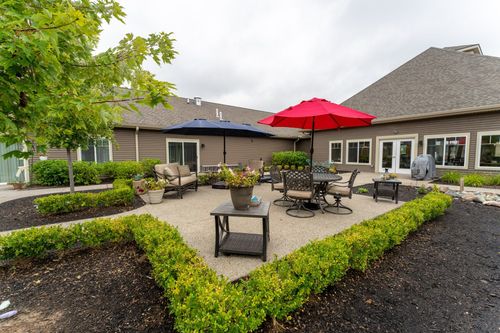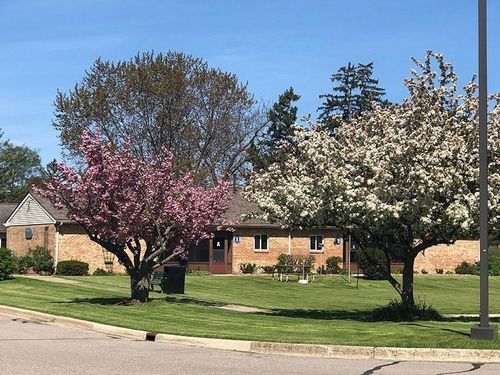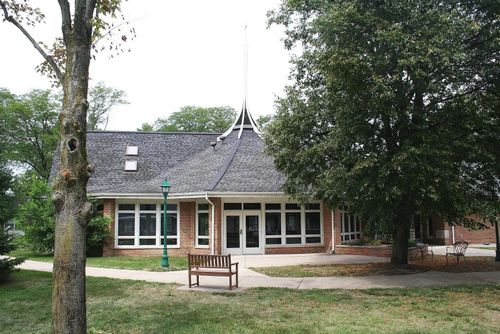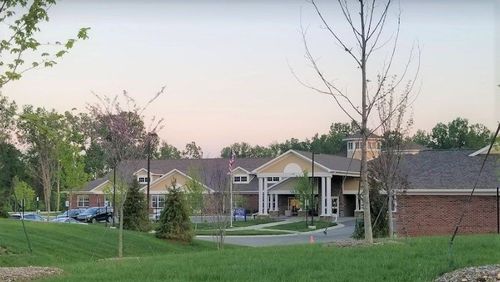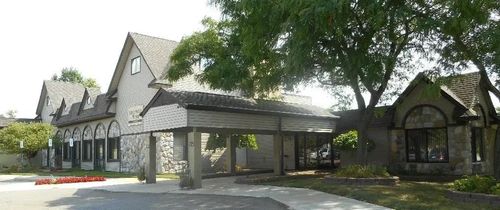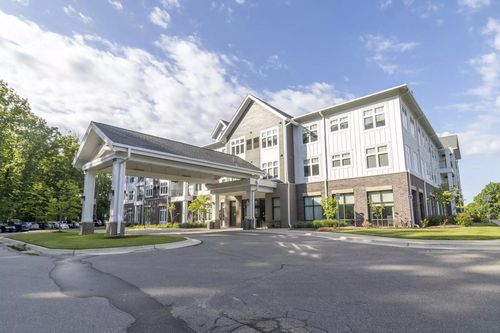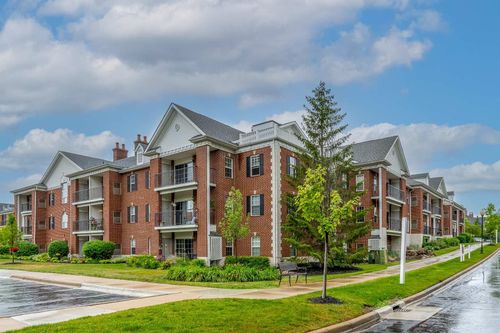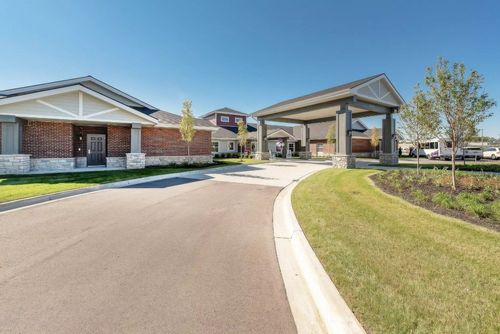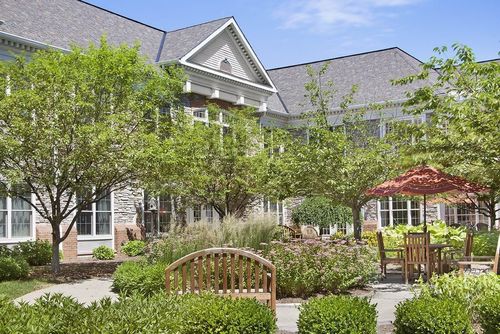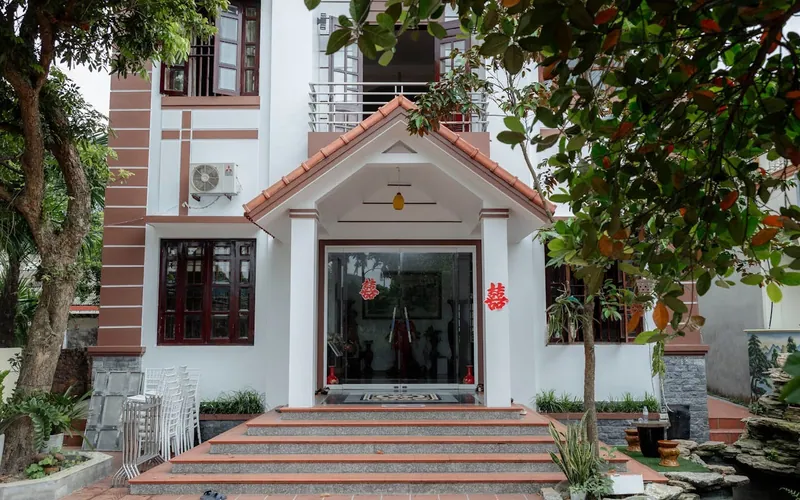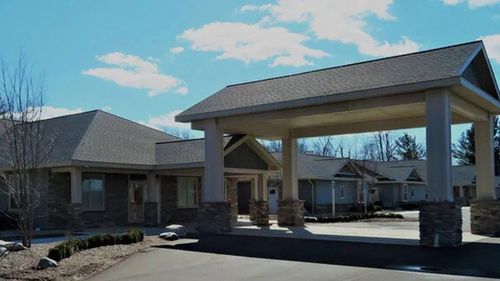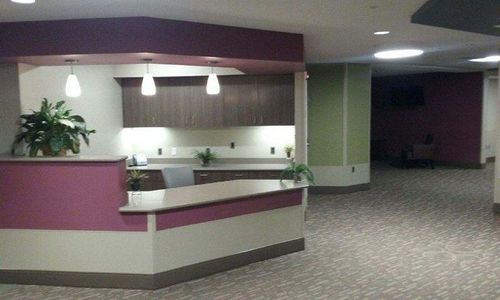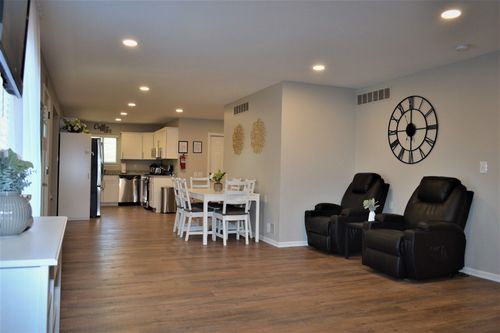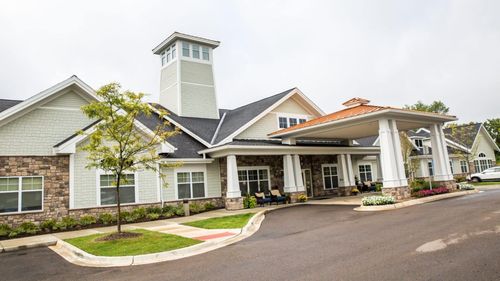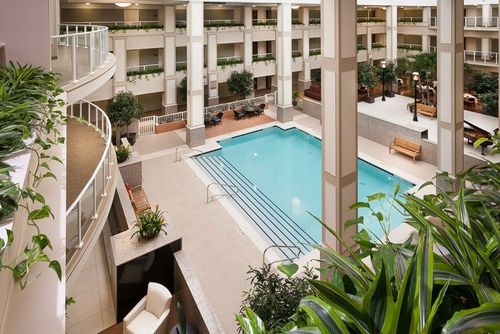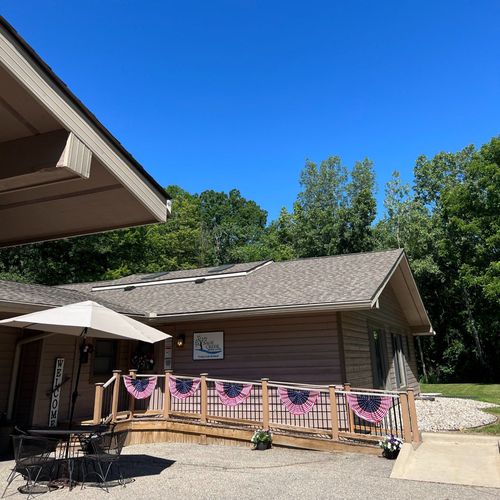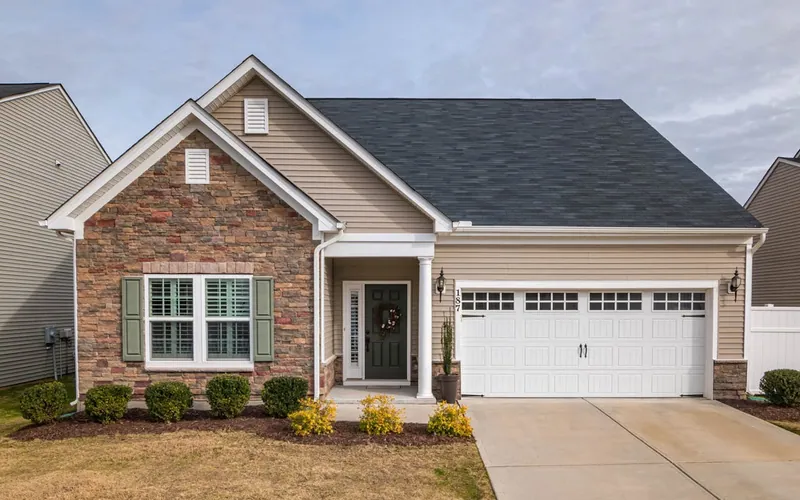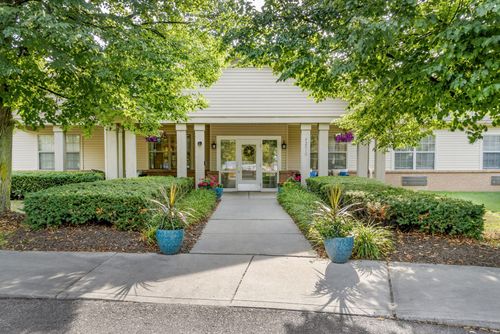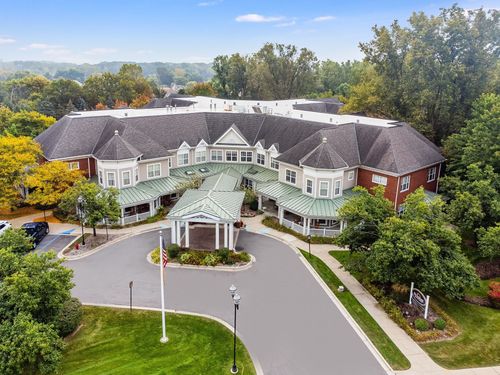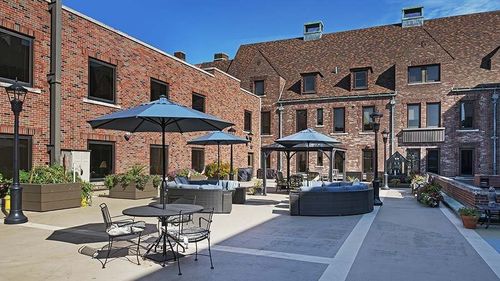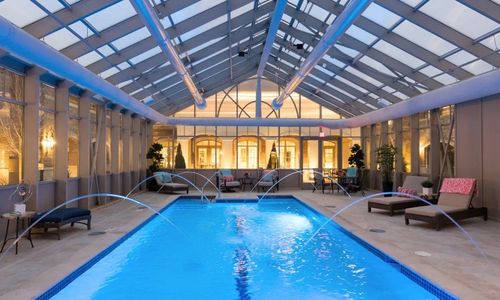
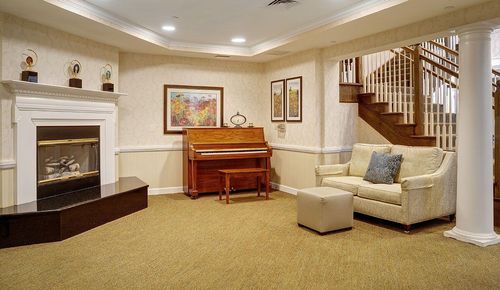
Rochester is the unusual case where memory care is not a separate search. River Oaks Senior Living and Flourish Collection at Rochester both run the whole ladder, from apartments through assisted living into secured care, so a family here is not hunting for the building that has memory care. They are choosing the building they want to be inside for the whole of it.
That changes what the decision weighs, because in most markets the secured side is scarce enough that availability settles the question, while both Rochester addresses can carry a resident through every stage. The choice moves instead to atmosphere, staffing and how each handles the transition when it arrives.
What a secured neighborhood does with the day
Secured care at either address means a locked perimeter, staff awake overnight, medications administered rather than left out, and a day whose order is deliberately unchanging, because a predictable sequence is what lets someone with dementia act on their own initiative instead of waiting to be told. Activities are pitched to be joined at any point rather than started on time.
The part worth examining on a visit is the transition. Because both buildings carry assisted living on the same campus, a resident who arrives before secured care is needed will one day move down a corridor rather than across town, and the two differ in how they handle that: who decides, how much notice a family gets, and whether the staff a resident already knows stay part of the picture afterwards.
What the gap between the two buildings buys
The two Rochester addresses hold a consistent distance from each other at every level, which is unusual and makes the comparison unusually clean. Assisted living runs $4,469 and $5,500 a month in 2026, with secured memory care priced above whichever of those a resident starts from, so a household choosing the lower-priced address saves a comparable amount whichever stage it eventually needs.
What that distance is not buying is capability, because both run the same three levels. It buys finish, staffing pattern and the texture of an ordinary weekday afternoon, worth real money to some households and nothing at all to others. Neither address participates in Medicaid, so the ladder is private throughout, which makes the length of the runway a more useful budgeting question than the monthly rate.
An older county than its reputation suggests
Oakland County holds roughly 250,500 residents past sixty-five, among the largest older populations in Michigan, and Rochester sits at its northern edge as a settled town rather than a retirement destination. The people moving into these two buildings are mostly already here, or following an adult child who is.
Two addresses against a county that size sounds thin, and in unit terms it is, but both are large buildings running three levels apiece, so the working supply of secured rooms is deeper than the count implies.
Why families keep the search inside the city
Rochester holds households because the town works for visitors as much as for residents. The downtown puts a light display across its storefronts every winter, free to walk through, running from late November into the middle of January, which is precisely the stretch when a grandchild is otherwise least likely to appear.
Memory care depends on that more than any other level of care, because the relationship is carried by how often someone comes rather than how long they stay. A short winter walk that ends at a parent's building is a visit that happens, while a long drive in January is a visit that gets postponed.
What a local advisor brings to Rochester
When two buildings do the same three things at a steady difference in price, the useful knowledge is not which is better but what that difference actually consists of: how each staffs a secured neighborhood overnight, how quickly each will move a resident up a level, and which has a room genuinely free rather than promised for next month.
The other half is the hospital path, since Henry Ford Rochester Hospital built its emergency department around older patients specifically, and a resident with dementia who lands there is in a setting designed to keep the visit from becoming its own crisis. Knowing how that hospital sequences a handoff into either address is what turns a rushed decision into a considered one. Reach out before a date is set and the comparison usually resolves in one afternoon of walking both.
Our directory for Rochester continues to grow as we evaluate providers for quality and alignment in 2026. Start the conversation about memory care in Rochester, or look through the buildings we cover at your own pace.