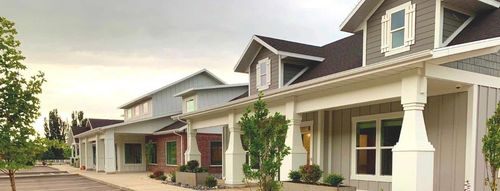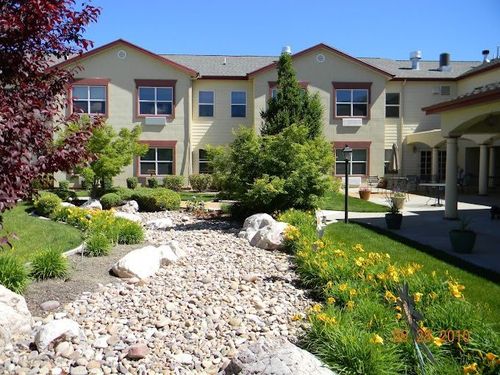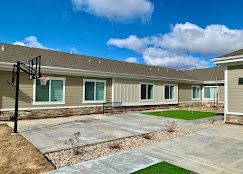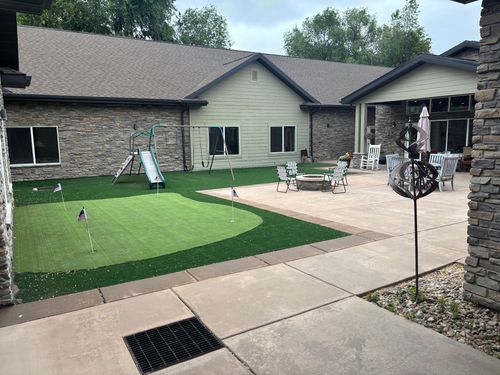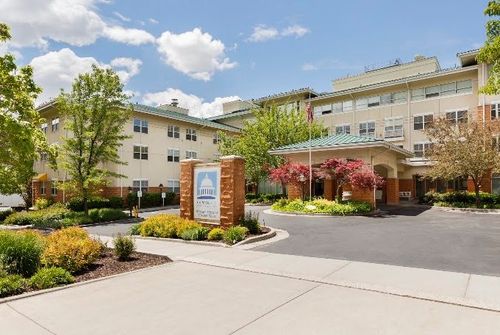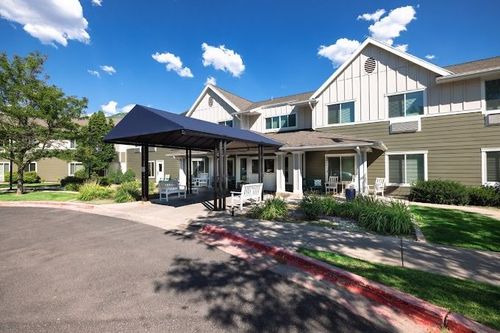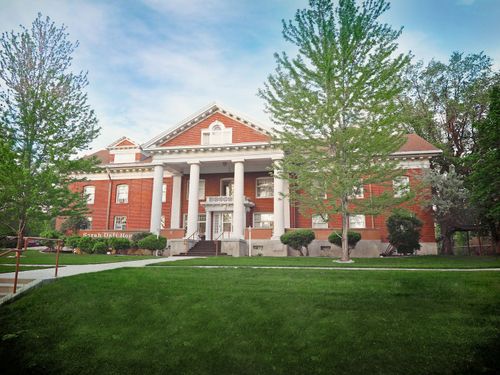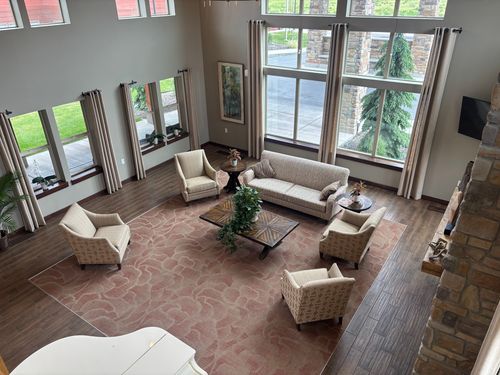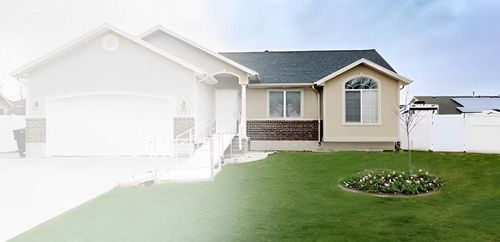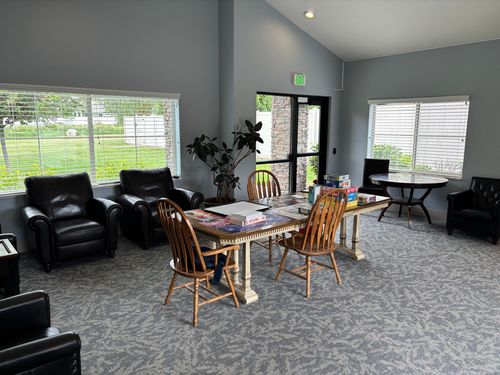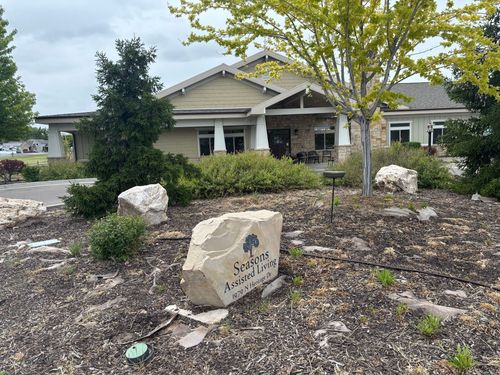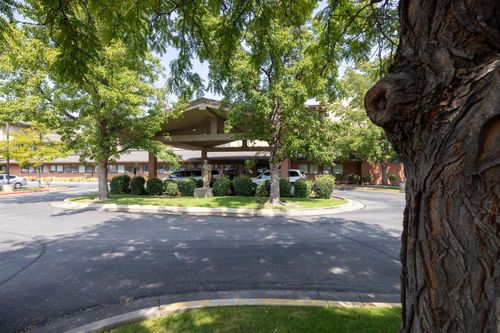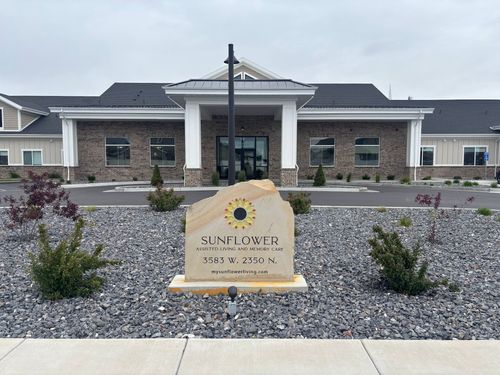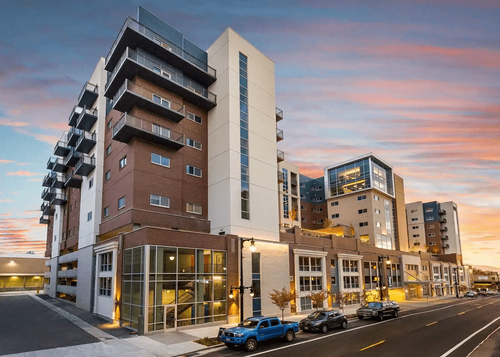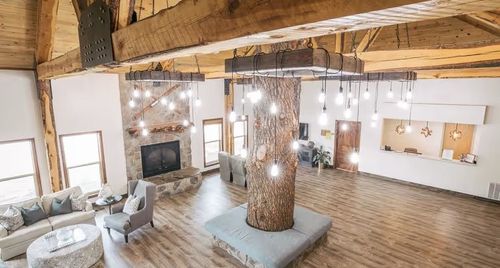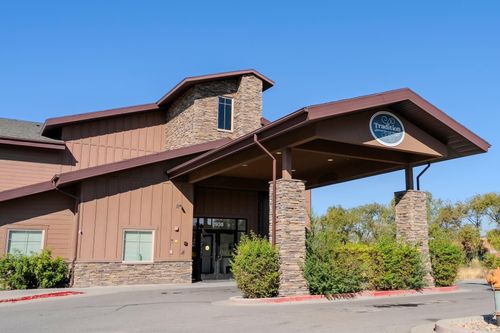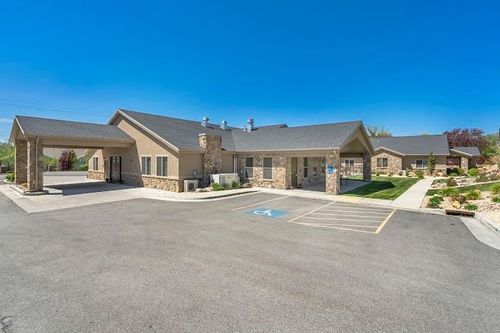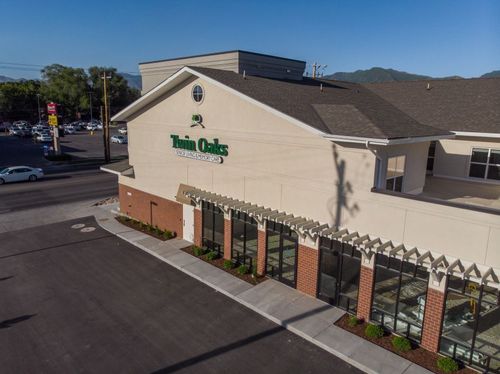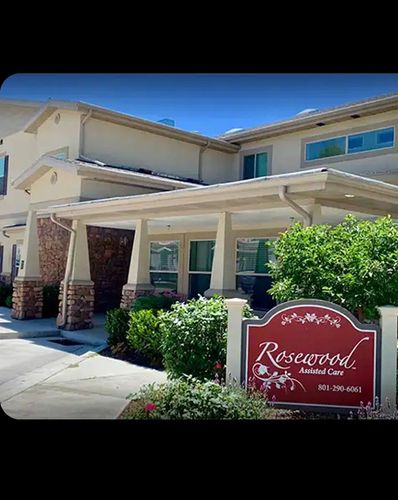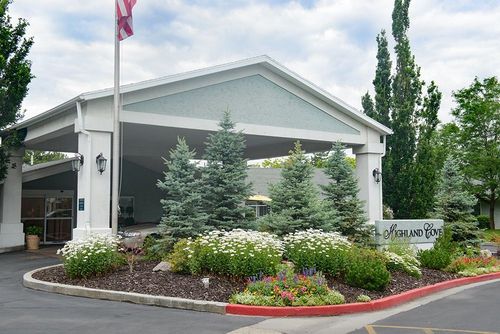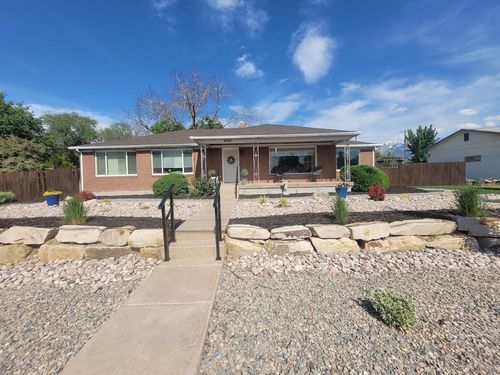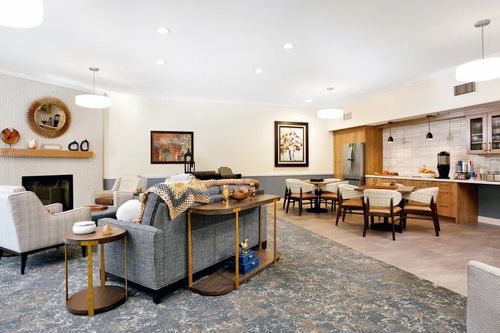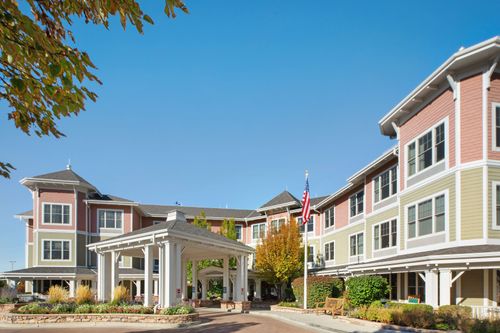
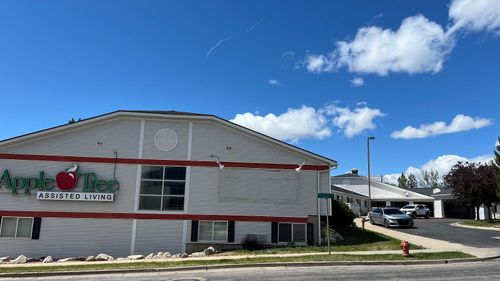
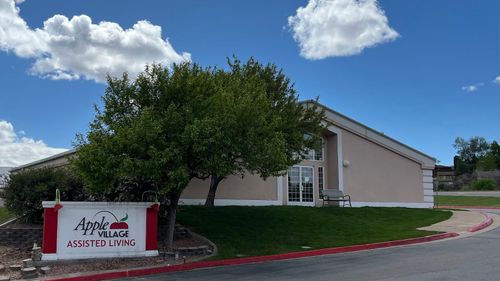
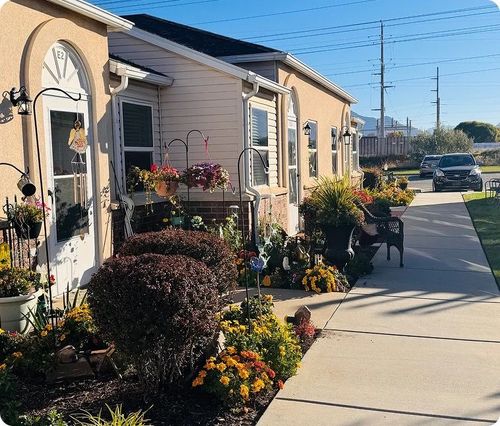
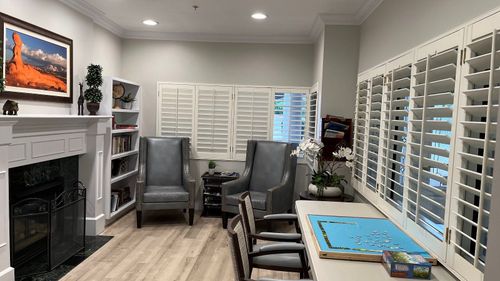
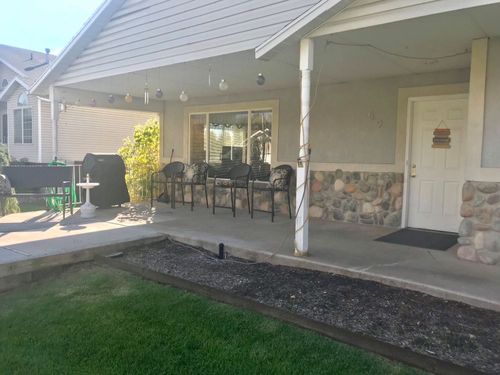
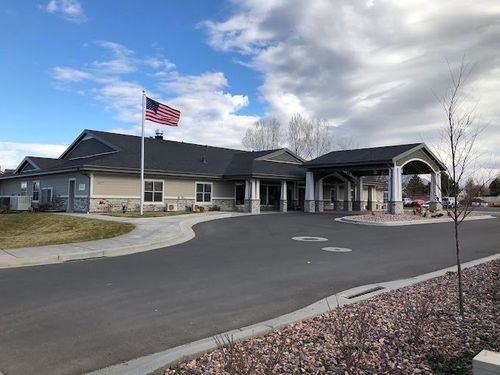
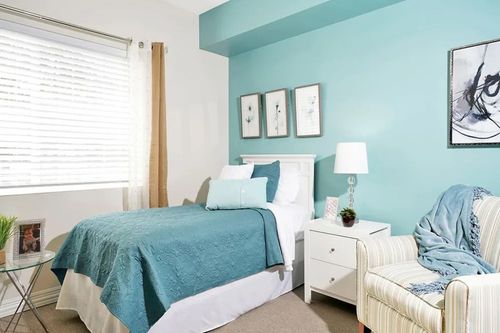
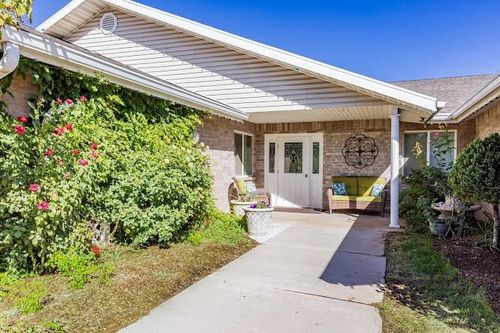
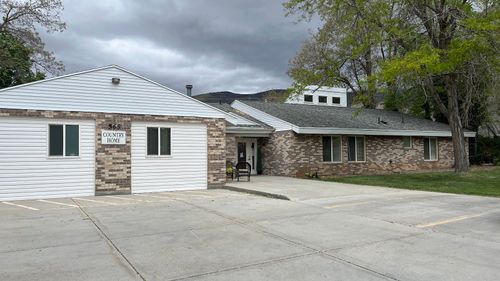
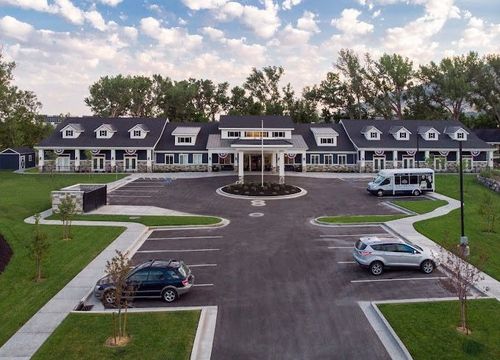
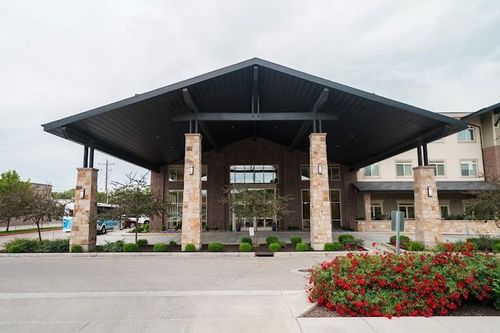
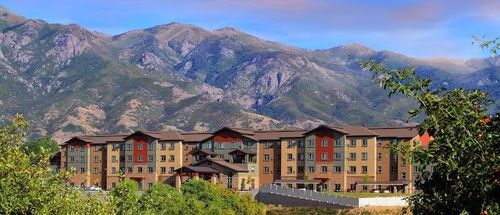
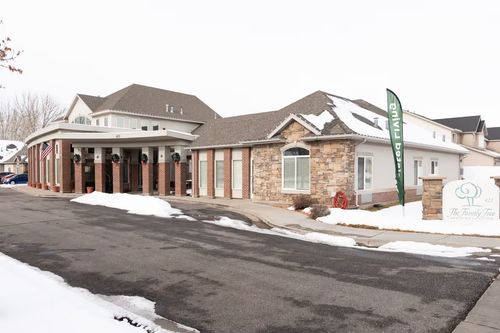
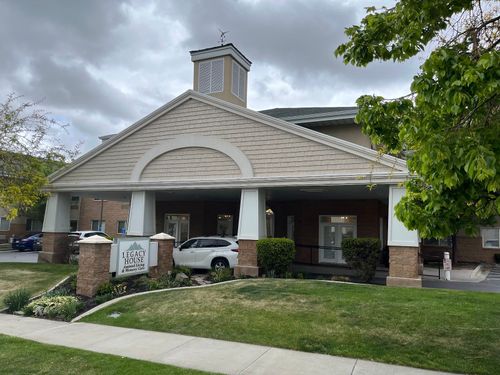

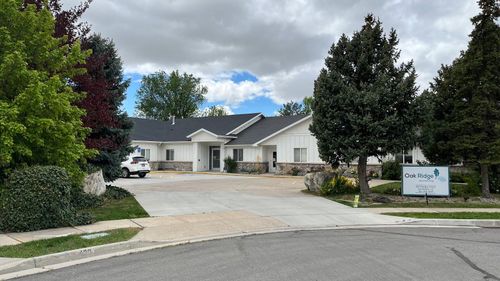
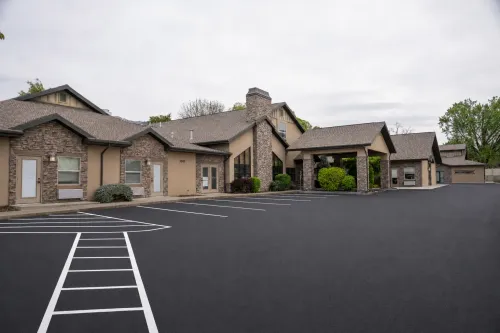

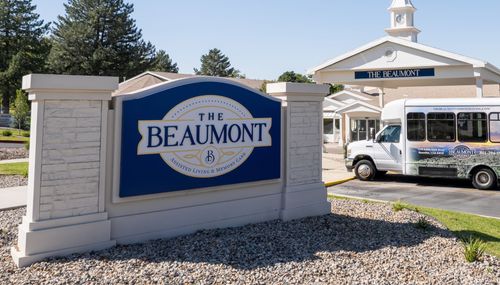


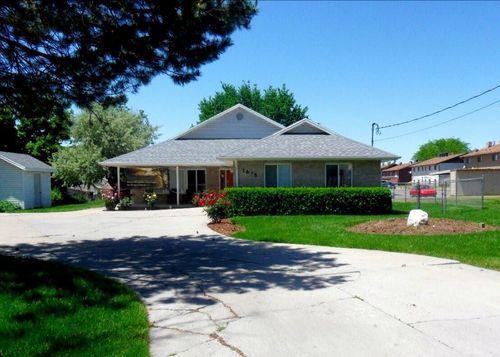
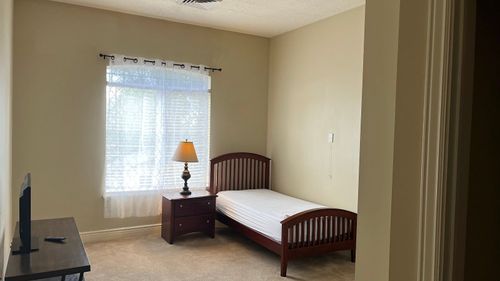


Davis County is one long, narrow county pressed between the Great Salt Lake and the Wasatch mountains, with Salt Lake City at its southern doorstep and Ogden just past its northern line. Its assisted living spreads along that I-15 corridor rather than gathering in one downtown, so the 27 communities here read as a string of choices up and down the freeway. Layton anchors the heaviest cluster with communities like Abbington Layton, Fairfield Village, and Sunridge, and Bountiful holds the next share with Creekside, Legacy House of Bountiful, and The Beaumont. In between sit Kaysville, Farmington, Syracuse, Clinton, Centerville, Clearfield, and West Point, each adding a home or two. The settings run from larger purpose-built campuses to small residential-style homes such as Apple Tree in Kaysville, so a family can match the size of the place to the resident, not just the city.
About 44,000 of the county's roughly 378,000 residents are 65 or older, and that share keeps climbing, which is why new buildings keep opening along the corridor and openings move quickly in the busiest cities. Most families start looking at assisted living not because of dementia but because daily tasks have drifted out of reach: bathing, dressing, and keeping medications straight take more effort, a caregiving spouse or adult child is wearing down, or a fall or hospital stay has made living alone feel risky. Assisted living answers that exact gap, with help on hand for the hard parts of the day and independence kept for the rest.
How a Day Differs Up and Down the Corridor
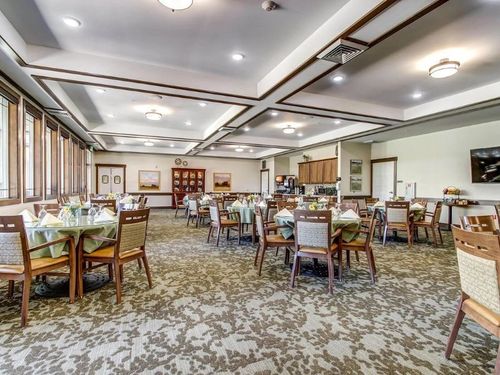
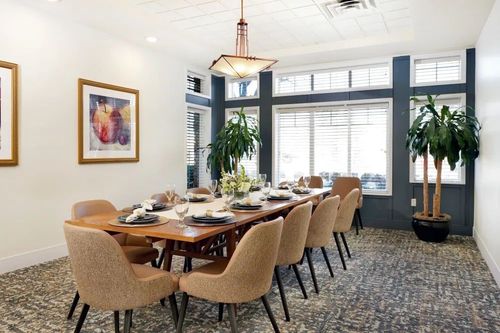
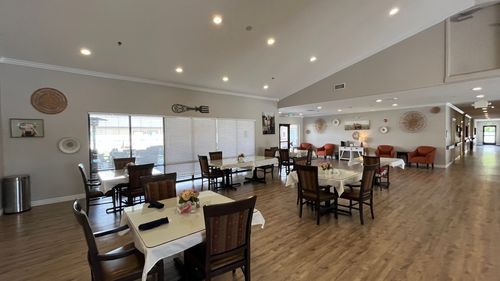
What a day looks like depends on which stretch of the corridor a community sits on, because at the larger Layton and Bountiful campuses residents move through a fuller calendar of shared dining rooms, outings, and exercise classes with several care staff on each shift, while at the smaller residential-style homes in Kaysville, Syracuse, and the central towns the pace is quieter and the resident count lower, so the same few caregivers know each person by name and the rhythm feels more like a household than a campus.
What stays constant across all of them is the care promise: staff help with bathing, dressing, grooming, and medication management and adjust that help as needs change, with meals, housekeeping, laundry, and transportation built in. Because the whole county is barely a 20-minute drive top to bottom, getting a resident to a familiar doctor or to one of the county's three hospitals stays simple no matter which city the community sits in.
What Assisted Living Runs Along the Davis Corridor
Assisted living across Davis County runs from about $3,200 to $5,500 a month, with most communities landing near $4,500, where the lower end tends to be the smaller residential homes in Kaysville and the central towns and the higher figures come from the larger campuses in Layton and Bountiful that bundle more social spaces, services and on-site care levels. What a family actually pays turns on the room type, the city, and how much daily help a resident needs, since most communities charge a base rent and then add care in tiers on top of it.
Utah Medicaid does not pay for the room-and-board portion of assisted living, but its New Choices Waiver can help cover the care services for eligible residents who have first lived in a Medicaid-funded nursing facility and meet the program's clinical and financial rules. Slots are limited and not every community participates, so the practical question is always which specific building accepts it, and families typically blend Social Security, pensions, savings, a home sale, and long-term care insurance, with veterans or surviving spouses sometimes adding the VA's Aid and Attendance benefit.
Where the Corridor's Seniors and Openings Cluster
Davis County has been one of Utah's faster-growing counties for a generation, and its older population has grown right alongside the rest, so the 44,000 residents over 65 are spread the length of the corridor rather than concentrated in one retirement pocket, with Layton and Bountiful carrying both the most seniors and the most assisted living while the smaller towns hold tighter senior populations that often prefer to age close to home.
The wait for a room follows that same spread, because the Layton and Bountiful campuses, with the most apartments, see the most movement, so a room there can open within weeks, while the smaller homes in Kaysville, Syracuse, Clinton, and Centerville hold only a handful of beds each, fill quietly, and turn over far less often, which is why a spot in one is worth asking about the moment a family starts looking.
Three Hospitals and the Commute Math Families Weigh
For many Davis County families the deciding factor is the commute math, because the county's position between Salt Lake City and Ogden lets relatives keep a resident close whether they work south in the city or north toward Weber County, and the short corridor keeps Sunday visits and weeknight check-ins realistic. Three hospitals reinforce that pull: Davis Hospital and Medical Center in Layton, a 221-bed Level III trauma center with cardiac and oncology care, Intermountain Layton Hospital serving the north end, and Lakeview Hospital in Bountiful covering the south with emergency, orthopedic, and behavioral care.
Staying in Davis County also lets a resident keep the doctors, congregation, and neighbors they already know, and several Layton communities pair assisted living with memory care on one campus, so a resident whose needs deepen can move into a secured setting without leaving the building.
How an Advisor Works Both Ends of the Corridor
Knowing this corridor building by building, from the busy Layton and Bountiful campuses to the small homes tucked into Kaysville and Syracuse, is what lets the search land on where openings and pricing currently have room, which communities accept the New Choices Waiver, which pair assisted living with memory care under one roof, and which hospital each city sits nearest.
Because the county runs only 20 minutes top to bottom, tours at both ends fit into a single afternoon, narrowing the field to the few communities that match a family's budget, care needs, and the people who will visit most.
Reach out for free, personal guidance, or browse the communities we have vetted to start comparing assisted living along the corridor.