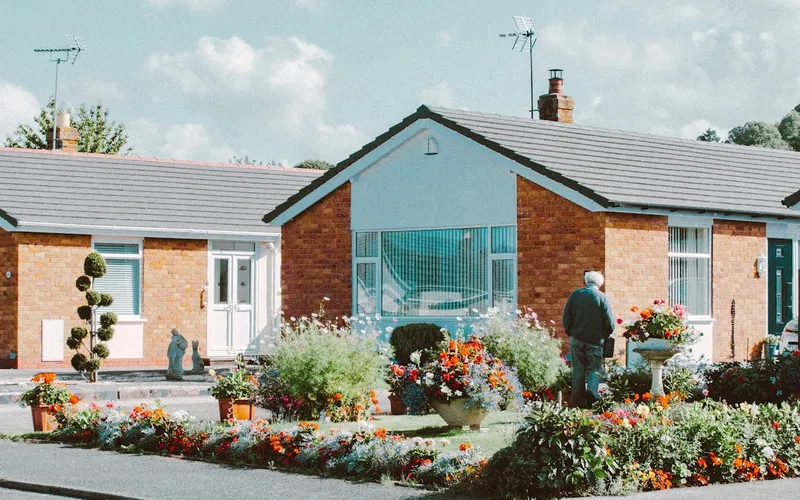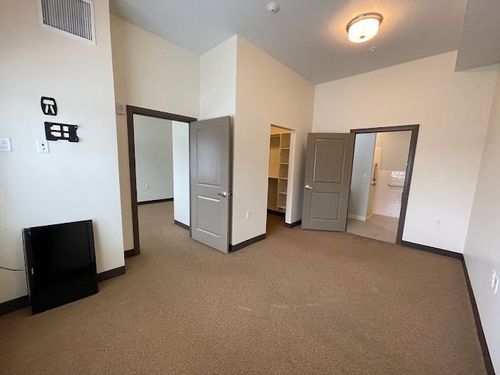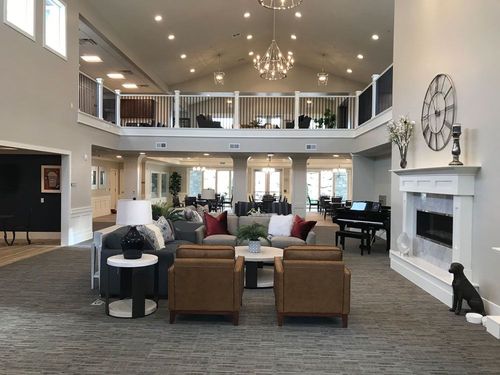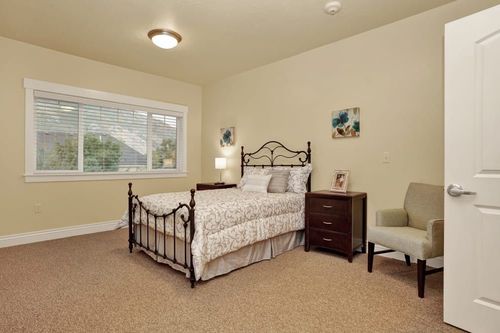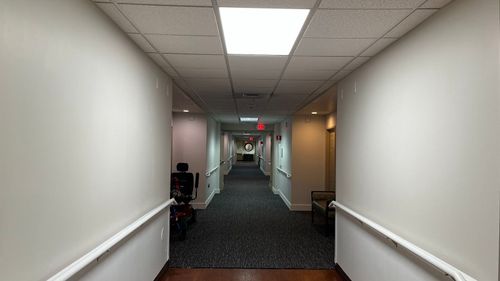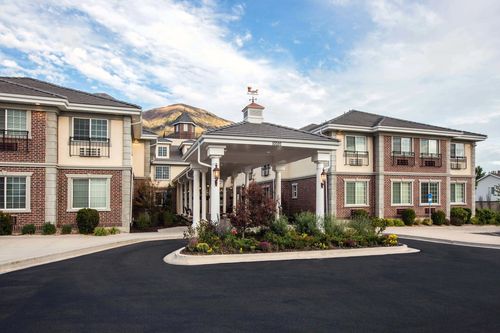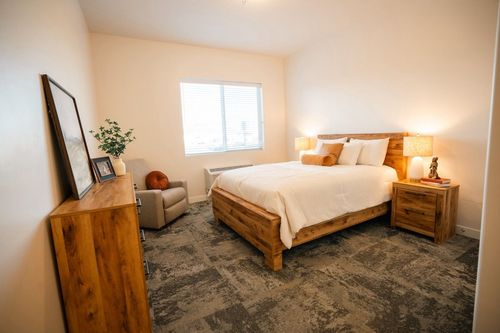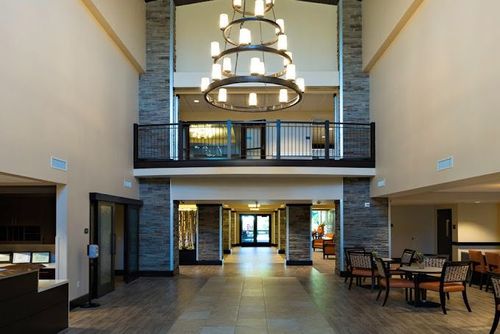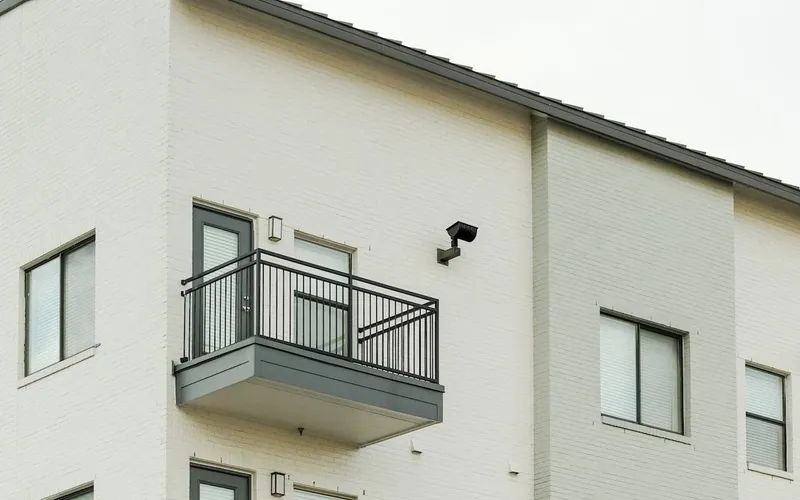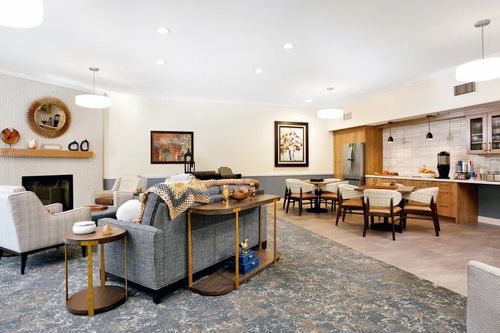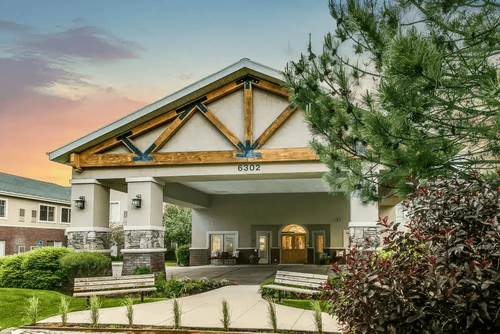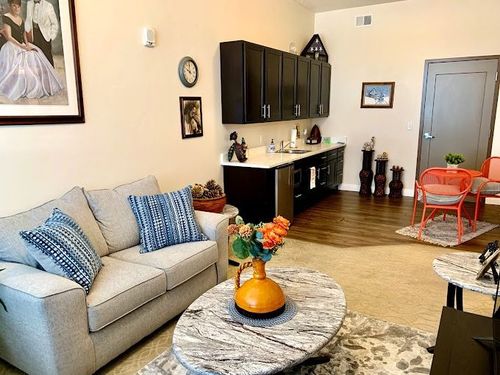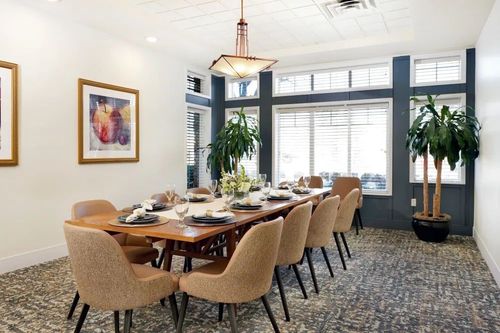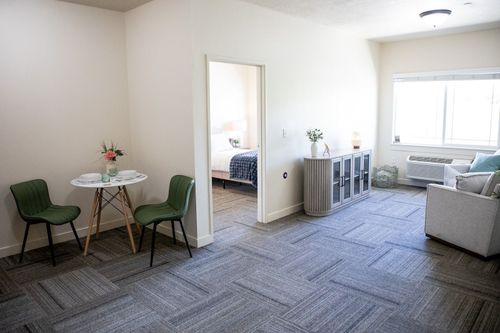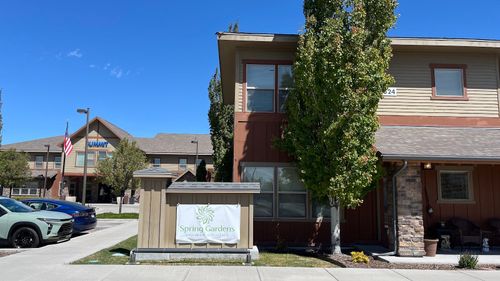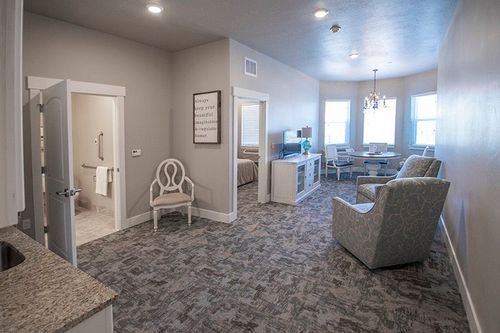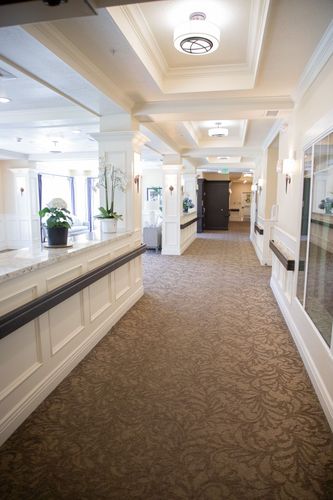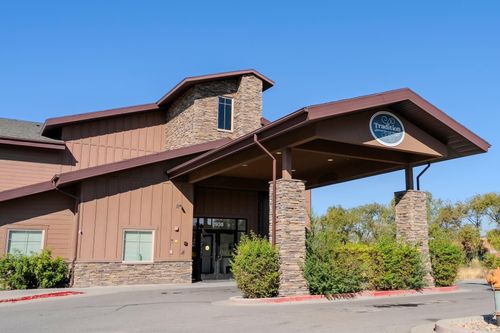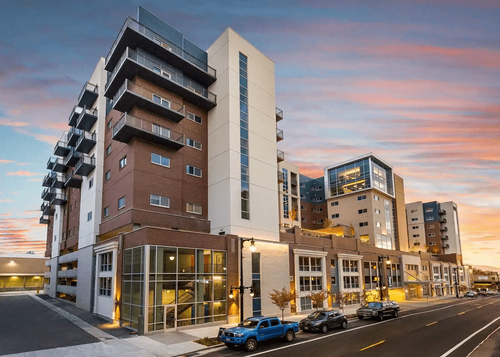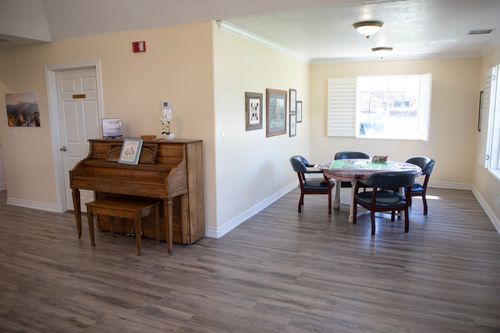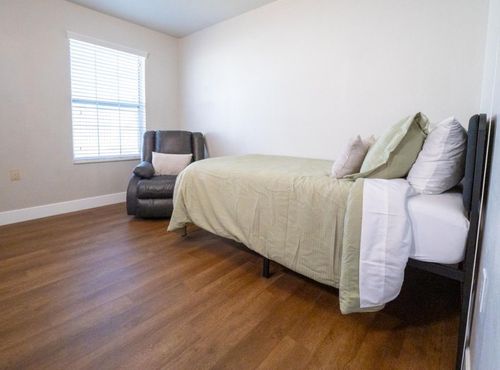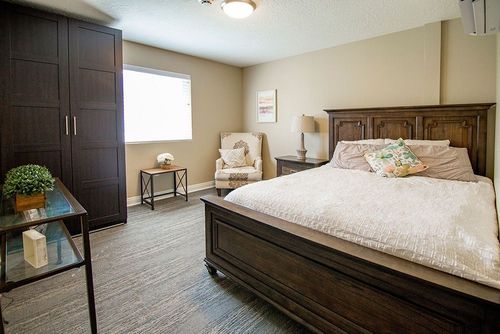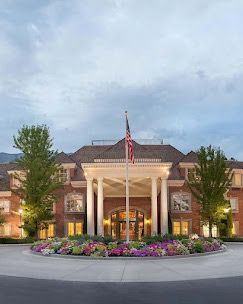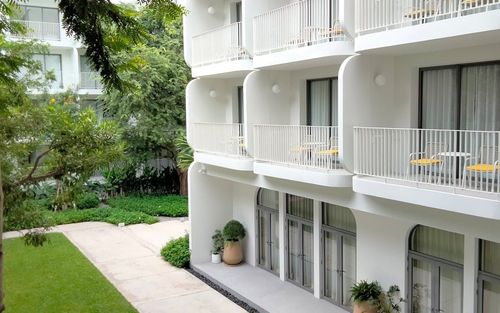



Draper sits at the southeast end of Salt Lake County, twenty minutes south of downtown Salt Lake and right at the Utah County line. About 4,600 of Draper's 51,000 residents are past sixty-five in 2026, around nine percent of the city, in a younger and more affluent demographic that serves a smaller but well-resourced senior-living market. Five buildings cover the local set: Ashford of Draper on Bangerter Parkway (118 residents, with assisted living, memory care, and independent living all inside one community), Valencia at Draper on 700 East (106 residents, Appian Management), Spring Gardens of Draper on Pioneer Road (96 residents, Avista Senior Living), Beacon Crest Senior Living on Pioneer Road (a 50-resident building that's the only one in the local set without memory care), and Beehive Home of Draper (a 19-resident residential setting where sixteen of nineteen beds run as dedicated dementia care).
What makes the Draper assisted-living market distinctive isn't just the building count. Two of the five (Ashford and Valencia) carry Aging Waiver contracts, which gives Draper a real Medicaid path inside the city limits. The remaining three operate private-pay only. The city's mix of building scales (from 19-resident residential up to 118-resident community) covers a wider range of family preferences than markets where every option lands in the mid-scale band.
Daily Support and Resident Independence
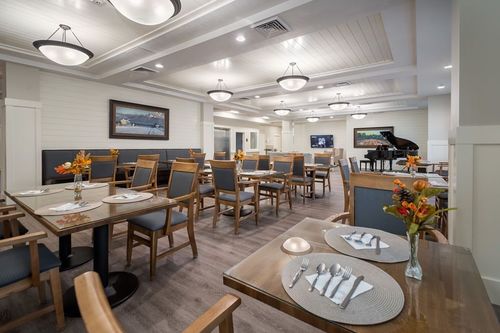
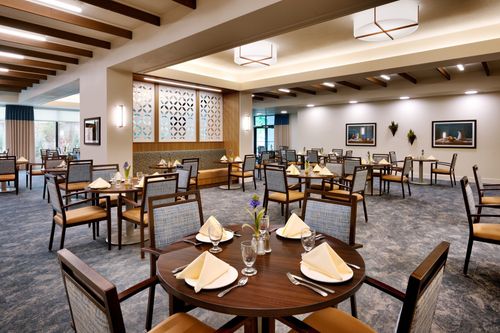
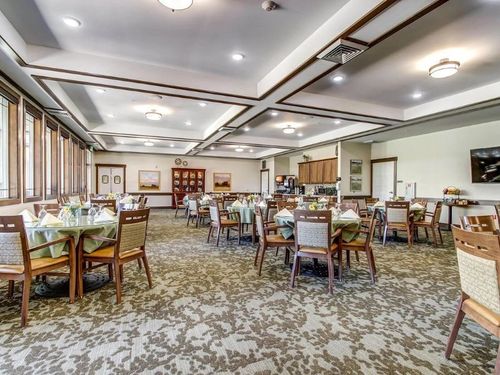
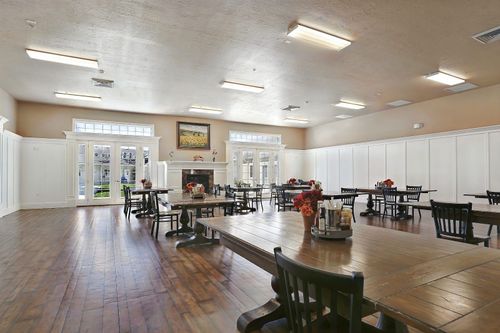
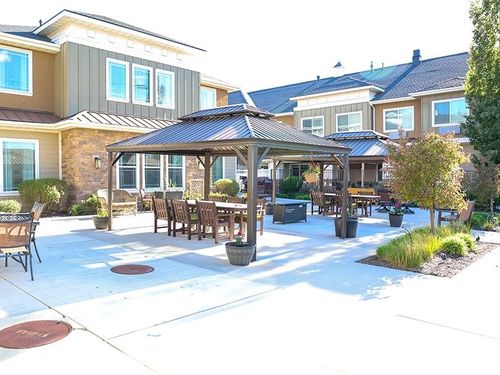
At the largest end of the local set, Ashford of Draper and Valencia at Draper run as mid-to-large communities with restaurant-style dining across multiple seatings, fuller weekly outings calendars, and licensed nursing on the building during business hours. Spring Gardens runs at a comparable scale on Pioneer Road. Beacon Crest sits at 50 residents in a tighter footprint that several Draper families pick precisely because staff recognize every resident inside the first week.
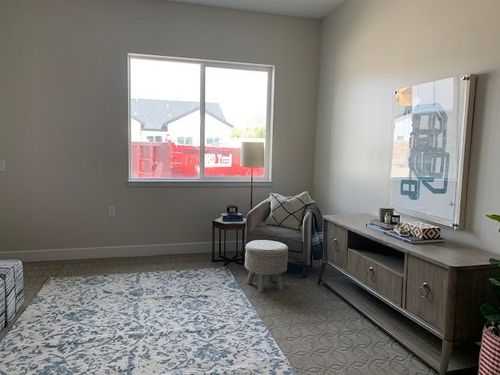
Beehive Home of Draper sits at the opposite end of the scale from those buildings. At 19 residents with 16 of those beds operating in dementia care, it functions as a household-scale dementia-focused setting with a much smaller assisted-living component. For a non-dementia assisted living resident, that means the building's center of gravity is on the memory-care side and the day feels quieter than a campus environment would.
Valencia at Draper welcomes small pets; the other four buildings do not currently accept them. Transport from each building reaches Lone Peak Hospital just south of the city in the Utah County corner, Alta View Hospital in Sandy fifteen minutes north, and the larger Intermountain Medical Center in Murray twenty minutes north for cardiac, oncology, and Level I trauma escalations.
Pricing and Affordability
Between $2,800 and $4,950 is the monthly band for Draper assisted living in 2026, with most apartments landing near $3,800. The local spread is wider than in cities where every building lands in a similar mid-scale band because Beehive Home of Draper's residential-scale economics and Beacon Crest's premium-tier pricing represent genuinely different cost structures. The citywide median sits a few hundred dollars below central Salt Lake County, reflecting Draper's softer competitive pressure in the senior-living market relative to the busier central-valley addresses.
Valencia at Draper and Ashford of Draper carry Aging Waiver contracts, which is the more notable feature than the dollar range itself. For families weighing Medicaid eligibility against private-pay timing, two participating buildings in a five-building set is a workable share, though still less broad than some Davis County markets. Beehive Home, Beacon Crest, and Spring Gardens operate private-pay only. Move-in fees fall $1,200 to $4,500. A couple sharing one apartment adds roughly $700 to $1,150 monthly on top of the base rate, with respite stays priced at $160 to $220 per night.
Who Lives in Draper as They Age
Draper's senior population is unusual along the Wasatch Front: at nine percent over sixty-five against a Utah baseline closer to eleven or twelve percent, the city skews younger than most. The senior households in town are a mix of long-tenure Draper families who raised children here when the city was still a small farming town before the recent tech-driven growth, and newer arrivals who moved to Draper specifically for the suburban quality and the proximity to Silicon Slopes. The result is a senior demographic with above-average financial resources but smaller absolute numbers than the city's overall population would suggest.
The five-building inventory absorbs the local demand without sustained wait pressure. Apartments at Ashford, Valencia, and Spring Gardens typically refresh inside a four-to-six-week window for standard care tiers. Beacon Crest's smaller community moves at a similar pace, and Beehive Home's 19-resident format cycles fastest. Secured memory-care neighborhoods can stretch to thirty-to-forty-five days when corridor-wide referrals cluster.
Why Families Choose Draper
Draper's geographic position keeps the local family fabric inside a reasonable radius. Adult children working in Sandy, South Jordan, Riverton, Herriman, or downtown Salt Lake reach a parent's apartment in ten to twenty minutes. The city sits inside the I-15 corridor with easy access in both directions, which makes visits from the Utah County side (Lehi, Alpine, Highland) similarly manageable. The combination of suburban quality, the Wasatch foothills along the city's eastern edge, and the family-oriented neighborhoods that anchored Draper's growth give the senior-living conversation a tilt toward staying in town rather than relocating elsewhere.
Lone Peak Hospital, the Intermountain acute-care facility just south of the city, handles primary care and inpatient work for most local residents. Intermountain Medical Center in Murray sits twenty minutes north for higher-acuity cardiac, oncology, and Level I trauma. The Loveland Living Planet Aquarium, the IKEA at the I-15 interchange, and the Suncrest trails on Traverse Ridge round out a weekly rhythm beyond what the buildings program internally.
What a Local Advisor Brings to Draper
Draper's five-building set covers a wide range of scales and formats, and the advisor's job is to read which one actually suits a specific resident and family. For families weighing the Medicaid path, the conversation narrows quickly to Valencia at Draper or Ashford of Draper (the two waiver-participating addresses). For private-pay families, the choice widens to include Spring Gardens (the most affordable of the local set on a per-month basis), Beacon Crest (the higher-amenity assisted living+independent living option without dementia exposure), and Beehive Home of Draper (the household-scale option for residents who would find a larger building overwhelming).
Most Draper assisted-living calls open in one of three places. An adult child realizes the weekly pill organizer has gaps and the hired caregiver's hours have been creeping upward, or a Lone Peak Hospital case manager flags a fall or an infection that makes returning home alone unworkable. The third path opens when one spouse has been quietly carrying the household for the other and the math no longer works. In each case, the advisor reads the family's planning horizon against the building options and lines up two or three tours inside the window the decision actually needs to be made.
Our Draper directory continues to grow as we evaluate providers for quality and alignment in 2026. Reach out to an advisor when you're ready to walk through Draper assisted-living options, or browse the buildings we cover at your own pace.