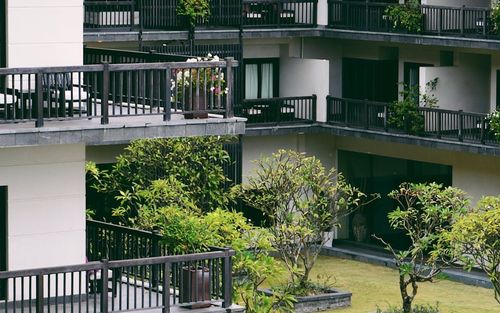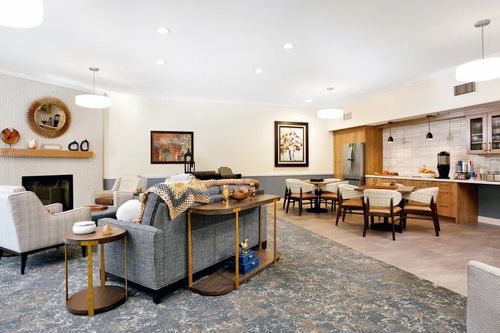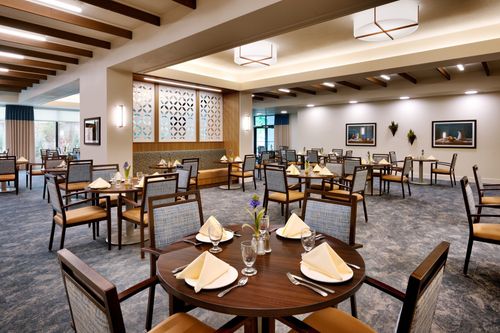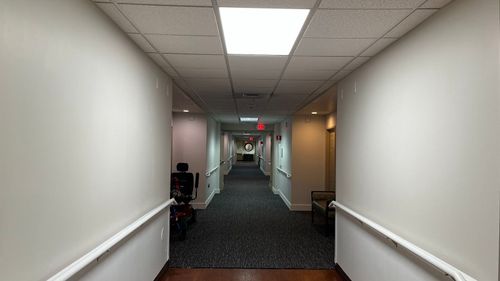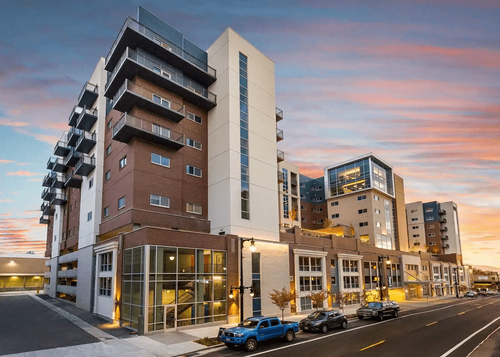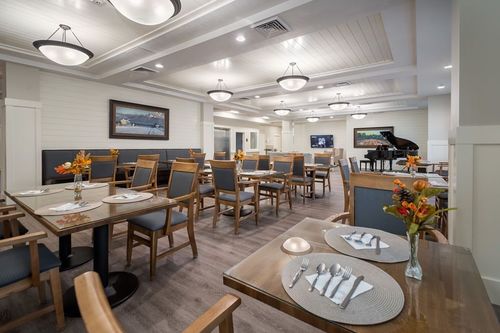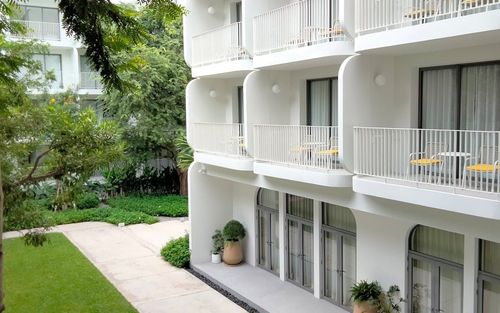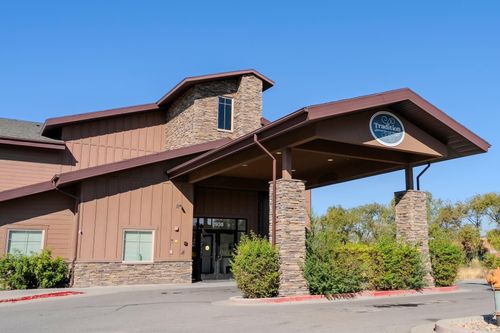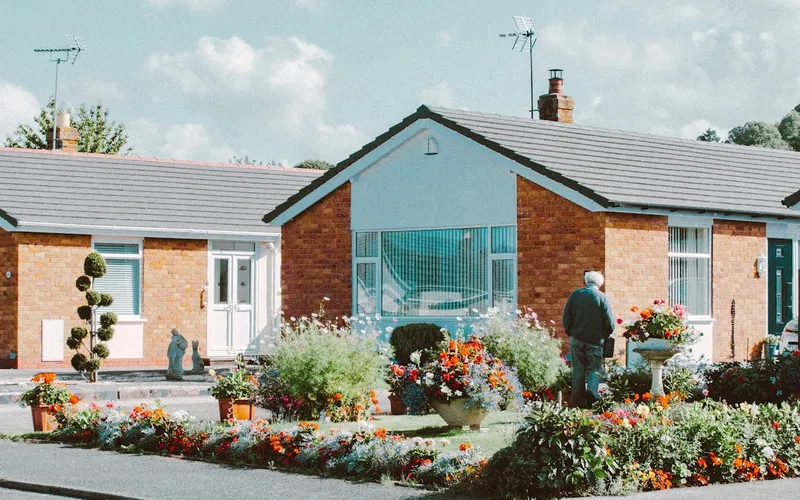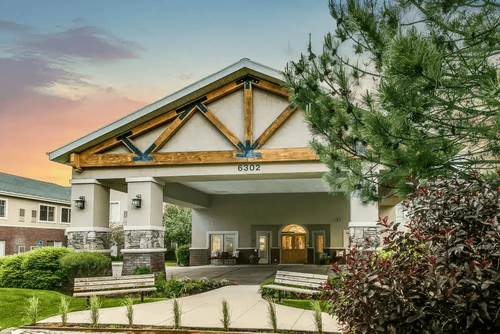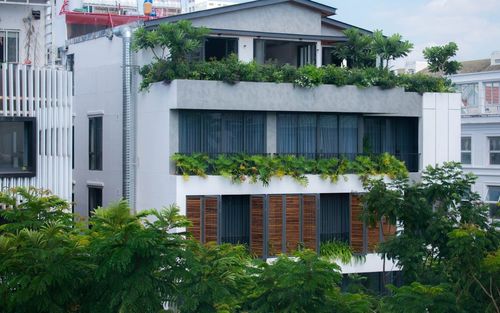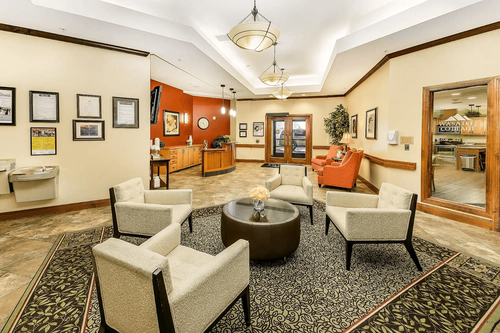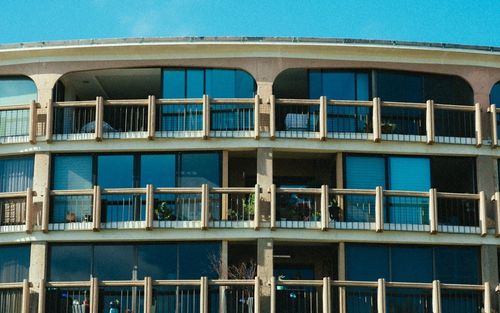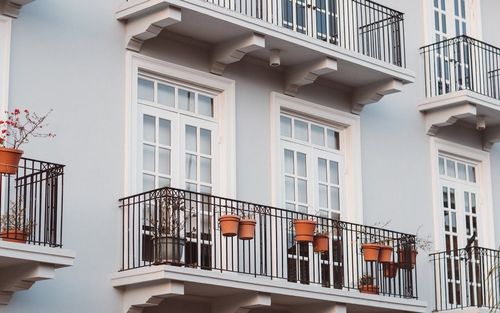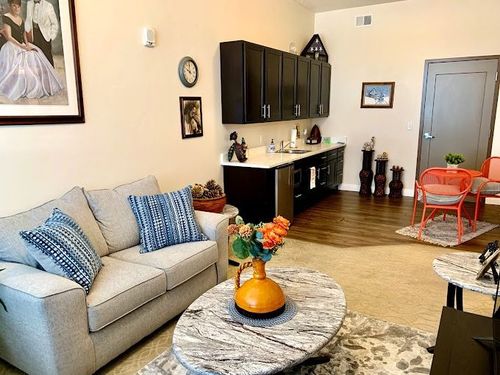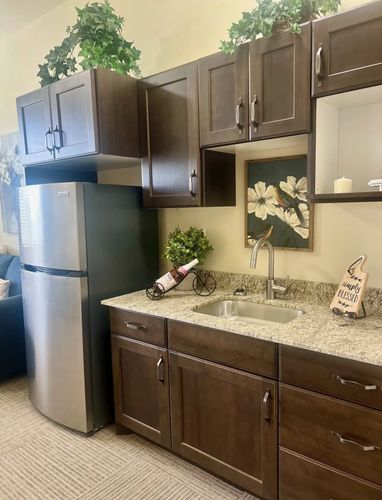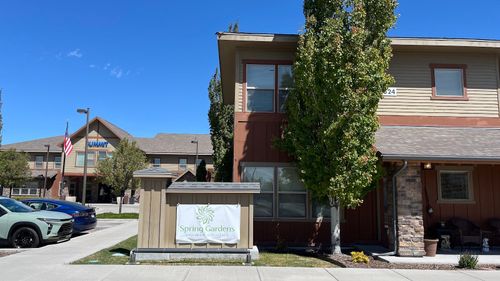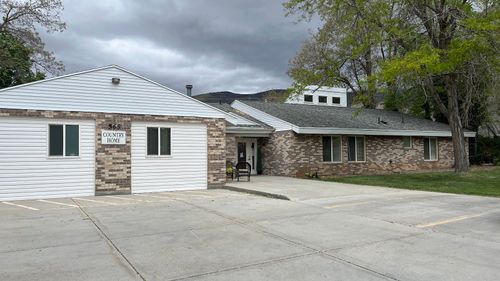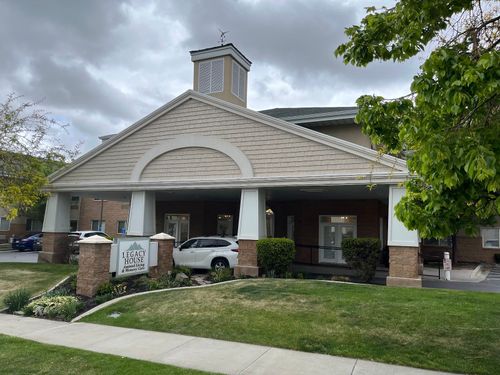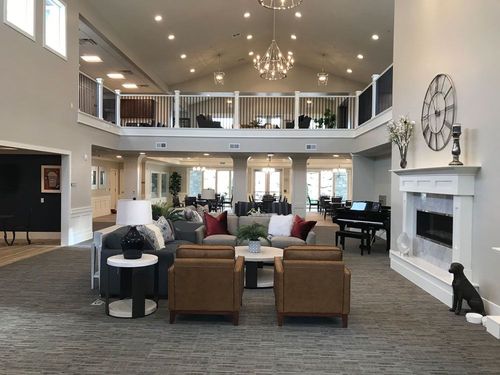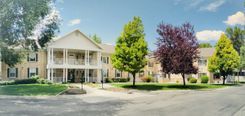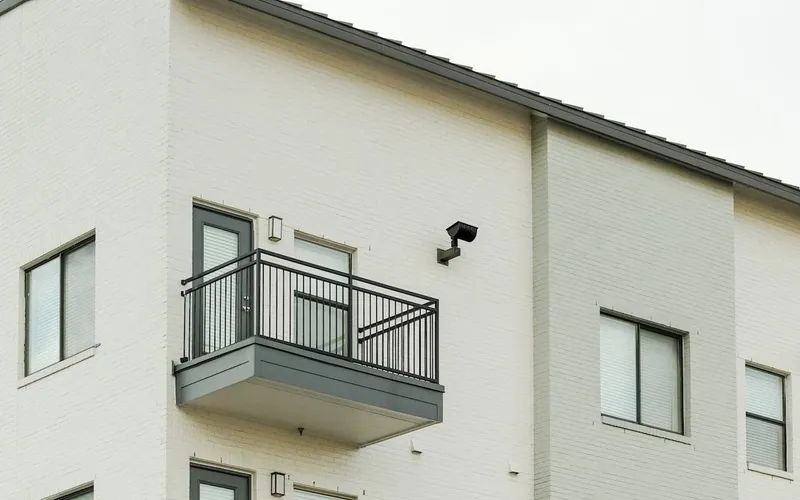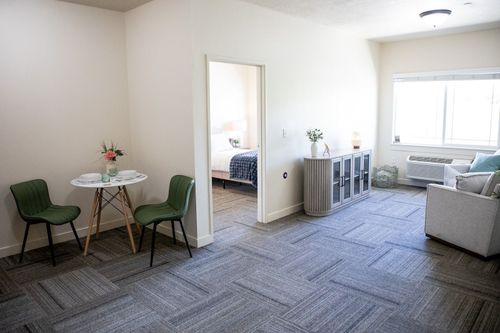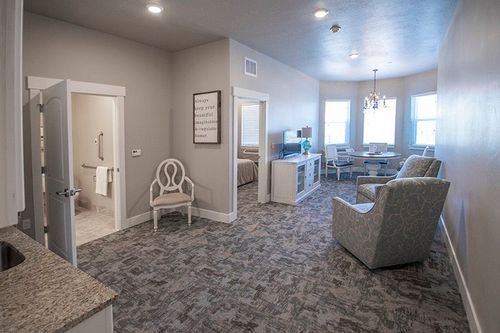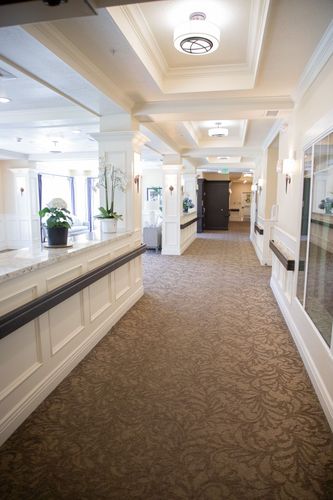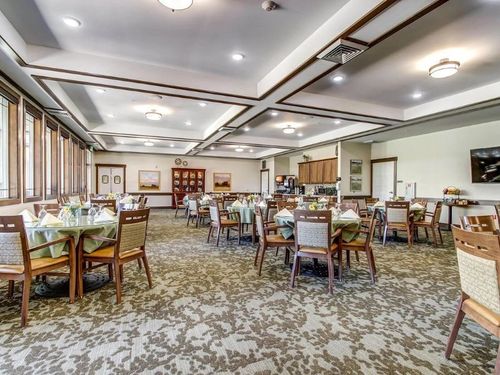
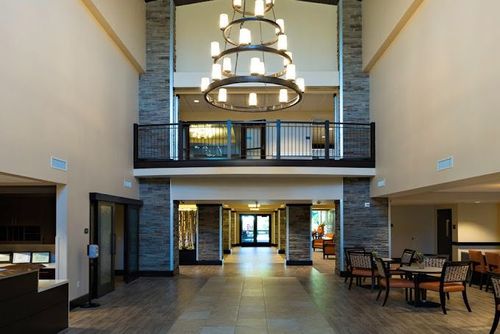

Holladay's east-bench position, set against the Wasatch foothills between Cottonwood Heights to the south and central Salt Lake City to the north, keeps every local memory-care decision inside a tight geographic radius. Both dementia-care addresses sit on the city's two major corridors: The Ridge at Cottonwood on Highland Drive and Spring Gardens Holladay on 3900 South. Adult children commuting from any east-bench neighborhood (Millcreek, Cottonwood Heights, east Salt Lake City, Sandy) reach either building in fifteen to twenty minutes, and the in-city placement preserves the medical relationships the household has used for years across the three east-bench networks: Intermountain in Murray, MountainStar's St. Mark's Hospital, and University of Utah Health.
Both Holladay addresses run continuing-care campuses with defined secured neighborhoods inside larger communities. The Ridge at Cottonwood operates a 30-apartment secured neighborhood inside its 138-resident community, the largest dedicated dementia-care footprint in the east-bench corridor; Spring Gardens Holladay runs a 21-apartment secured neighborhood inside its 83-resident Avista Senior Living community. Holladay's other two senior-living addresses, The Grand Senior Living on Holladay Boulevard and Holladay Home for the Elderly on Highland Drive, do not operate secured dementia neighborhoods. About six thousand of Holladay's thirty-two thousand residents are past sixty-five, giving the city the highest senior share in this directory; applying the one-in-nine national dementia rate puts the local dementia caseload near 660 residents.
Day-to-Day Care
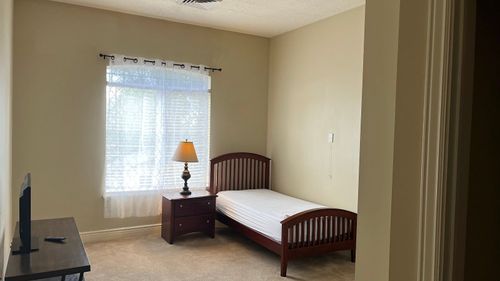
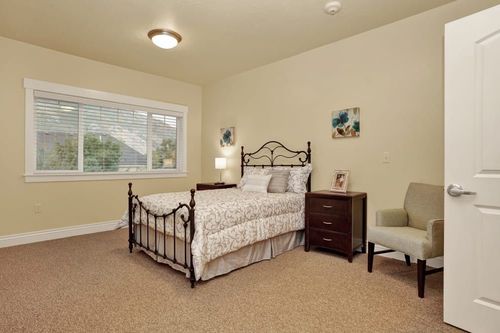
Inside both secured neighborhoods, the day runs on a predictable structure designed for residents whose memory has shifted. Caregivers stay awake through every overnight shift, doors operate on controlled access, and the secured-neighborhood layout uses circular corridors so a wandering resident drifts back toward the dining room rather than into a stuck corner. Each week's calendar holds music sessions, tabletop sensory work, courtyard walks, and small reminiscence circles, paced for cognitively shifted residents instead of the larger event lineup an assisted-living calendar carries.
The Ridge at Cottonwood's 30-apartment secured neighborhood is the largest dedicated dementia footprint in east-bench Salt Lake County, which lets the building run more concurrent activities tracks (music groups, art sessions, gardening clubs, supervised walks) than smaller secured zones can offer. Spring Gardens Holladay's 21-apartment secured neighborhood runs a similar activities model at a slightly smaller scale.
Visiting hours run every day across both buildings, and either campus can pivot family time to a quieter sitting space when the resident is having a harder afternoon.
Cost and Coverage
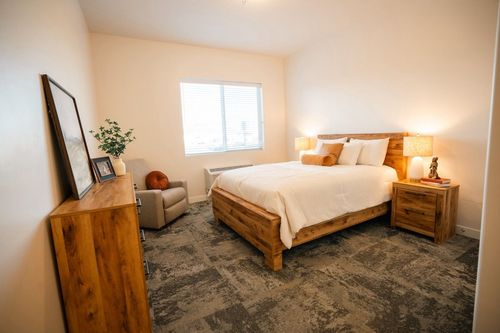
The median Holladay memory-care apartment prices near $5,800 in 2026, with the band stretching from $5,200 on smaller configurations up to $7,200 at the upper end of The Ridge at Cottonwood's amenity package. The Ridge at Cottonwood's larger 138-resident campus carries the upper portion of the band on its broader amenity package and east-bench positioning. Spring Gardens Holladay sits middle-to-upper on its slightly smaller continuing-care footprint. Holladay's east-bench cost basis means citywide memory-care pricing runs above the Davis County baseline and at the upper end of the Salt Lake County spread.
At either Holladay campus, the move from a lighter assisted-living apartment onto the secured side runs an extra $850 to $950 each month. That amount funds the awake-overnight staffing, the dementia-trained caregiver ratios, and the controlled-perimeter design the assisted-living tier doesn't carry. Neither Holladay building currently operates under an Aging Waiver contract. For Medicaid-track households, the nearest waiver-participating memory-care addresses sit ten to fifteen minutes south or southwest in Cottonwood Heights, Millcreek, or Murray. One-time move-in fees run between $1,500 and $4,500. A second resident in a shared apartment adds $750 to $1,200 per month, and short-stay respite at either campus prices $180 to $240 per day.
Local Demand and Availability
The Ridge at Cottonwood's 30-apartment secured neighborhood is the largest dedicated dementia inventory in the east-bench corridor and absorbs a meaningful share of dementia-care demand from Holladay, Cottonwood Heights, Millcreek, and east Salt Lake City. Turnover typically runs on a thirty-to-forty-five-day cadence under normal demand.
Spring Gardens Holladay's 21-apartment secured neighborhood cycles at a similar pace. Same-week placements happen when a hospital discharge has compressed the planning timeline.
Why Families Choose Memory Care in Holladay
For a dementia resident, weekly visits anchor orientation, hold familiar voices in the daily rhythm, and slow the disconnect that distance amplifies. Holladay's geography keeps that pattern sustainable for east-bench families across central Salt Lake, Cottonwood Heights, Millcreek, and Sandy.
Adult children working in any of those areas reach a Holladay building inside fifteen to twenty minutes, and the in-city placement also keeps the resident inside the same three-network medical setup the household has navigated for years.
What a Local Advisor Brings to Holladay
Unlike Davis County corridors where four or five integrated-dementia addresses sit on the same arterial, Holladay memory care reduces to a two-campus decision inside a single east-bench radius: The Ridge at Cottonwood's larger activities scale set against Spring Gardens Holladay's quieter campus feel. That structural difference means the advisor's work is less about narrowing a long list and more about reading the resident's dementia stage, the household's preference for environment scale, and the long-horizon Medicaid picture closely enough that the right of the two campuses lands cleanly.
For Medicaid-track households, the advisor's first call typically maps current Waiver availability ten to fifteen minutes south at Cottonwood Heights, Millcreek, or Murray dementia-care buildings, since neither Holladay address operates under an Aging Waiver contract. Most local memory-care calls reach the advisor after a long stretch of layering family schedules and paid home-care hours around a dementia the household can no longer cover safely on its own. The triggers tend to cluster around overnight events the household can no longer absorb, behavioral changes the paid home-care team is not equipped to handle, and the cumulative fatigue an adult-child caregiver carries across long stretches of cognitive shifts.
Reaching out before a hospital event tightens the timeline keeps both Holladay buildings on the shortlist. Talk it through with an advisor when memory care in Holladay is the question on the table, or scan our directory on a quieter evening at home.