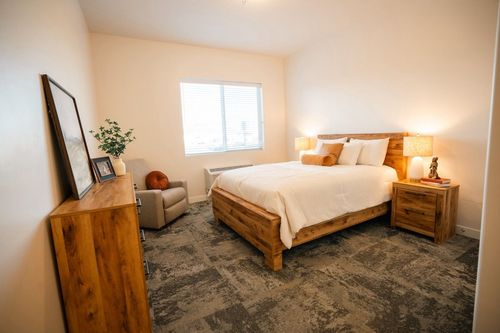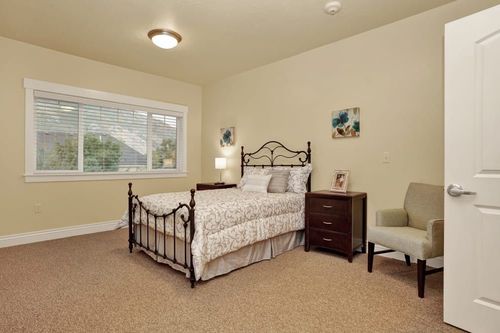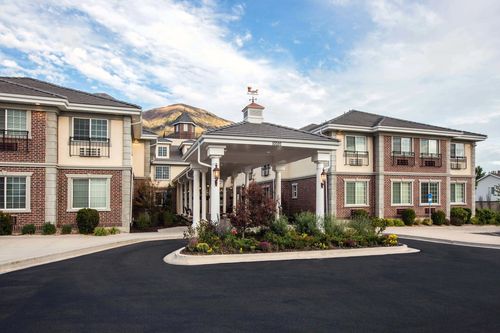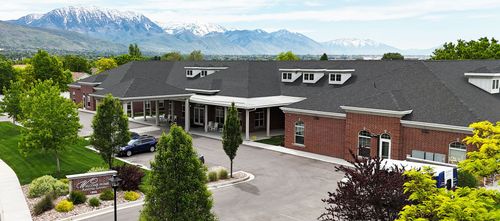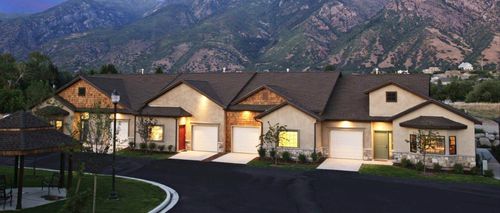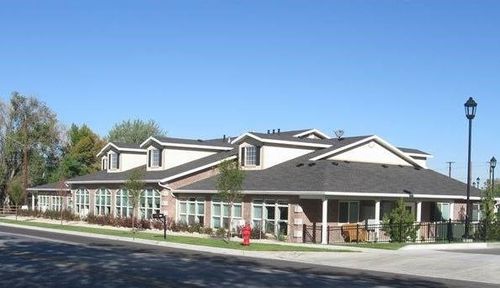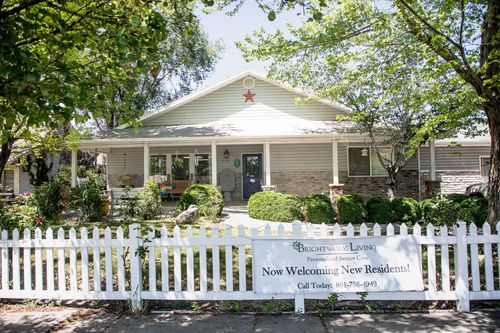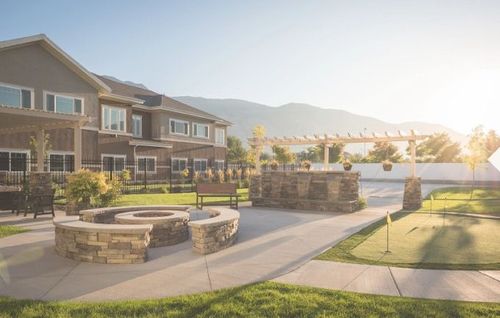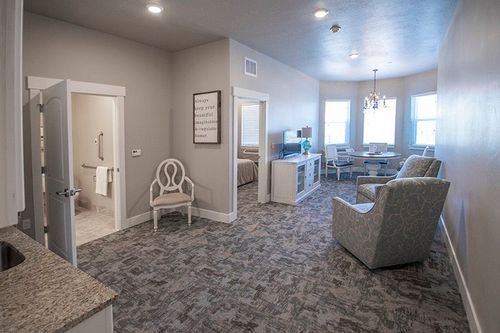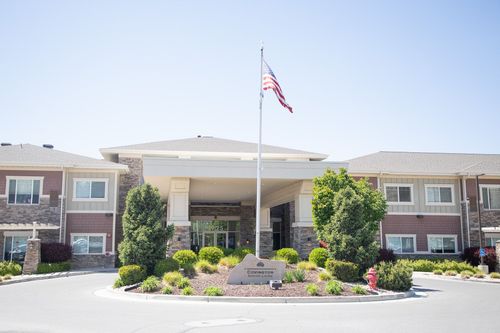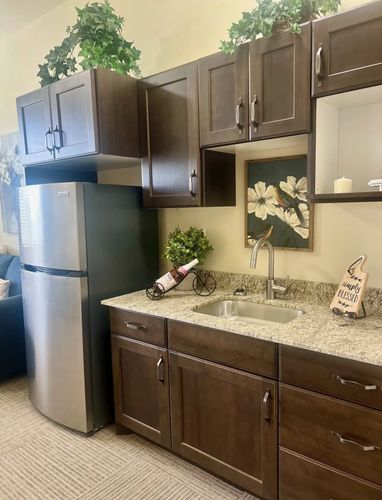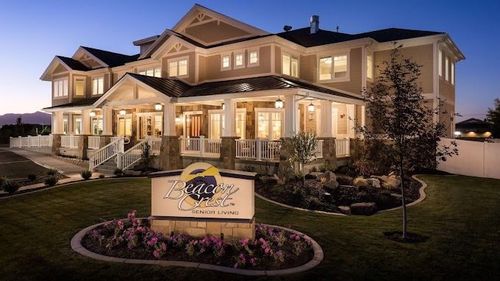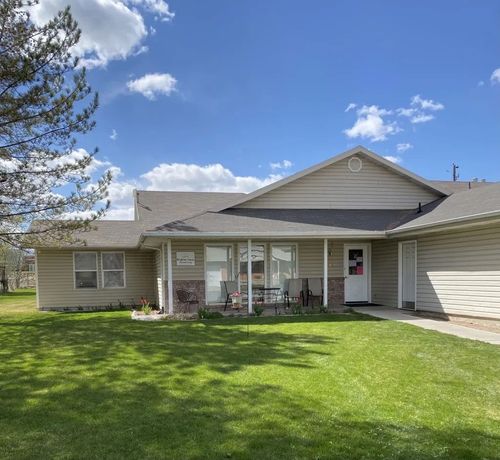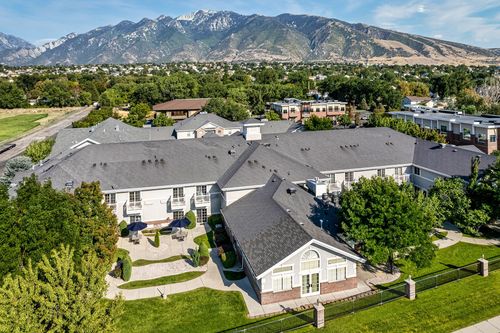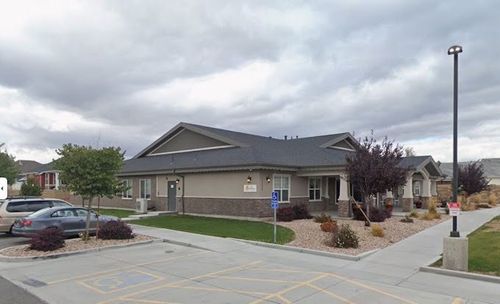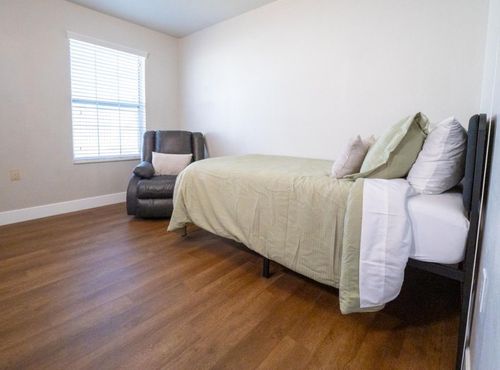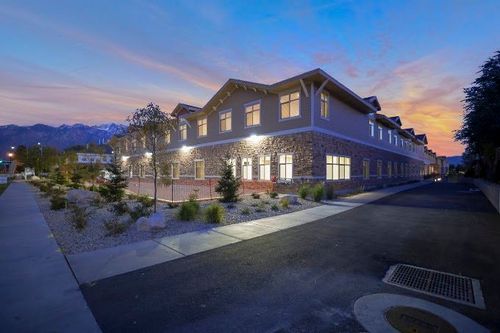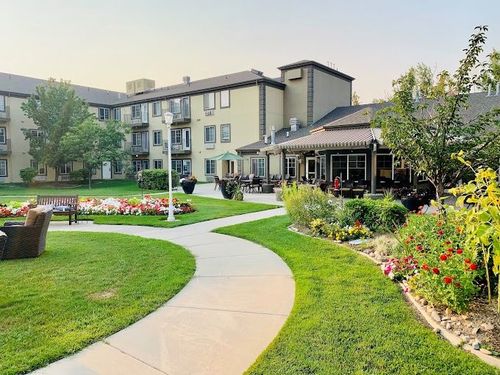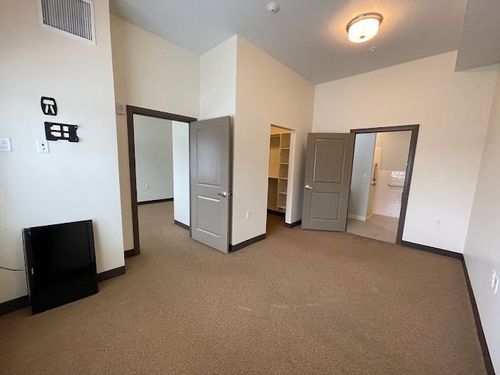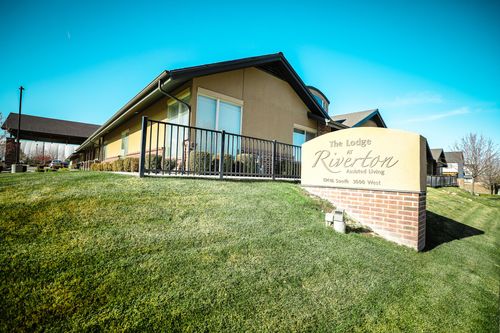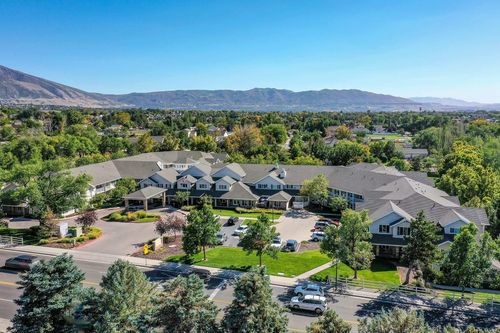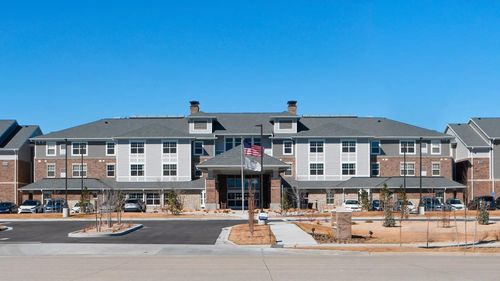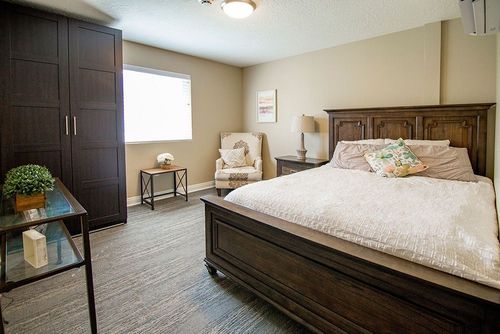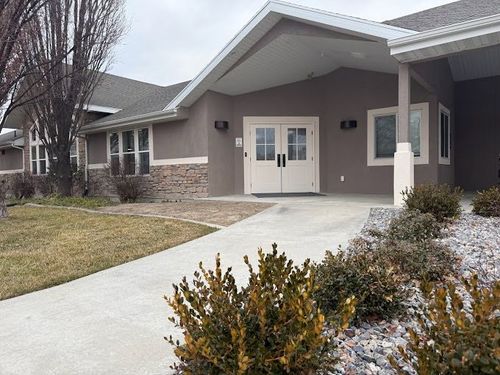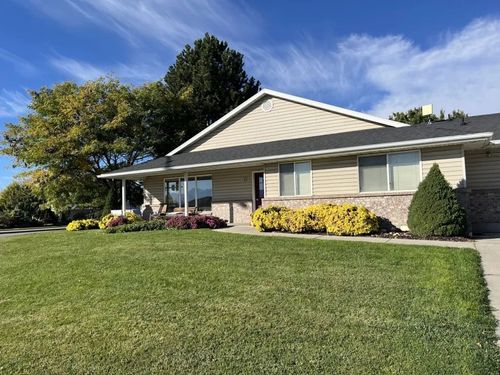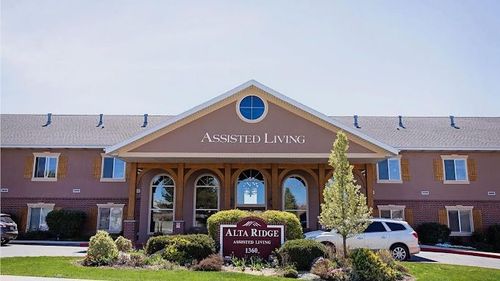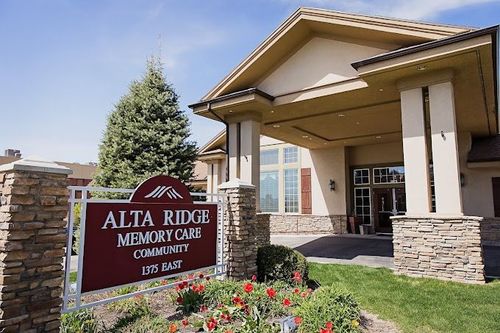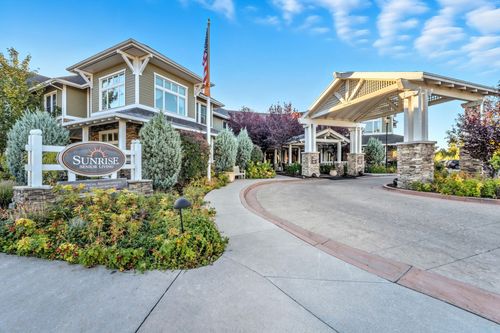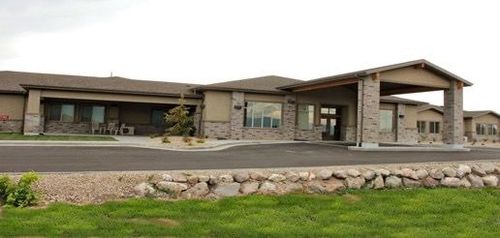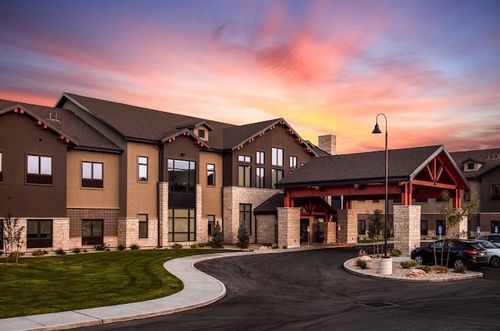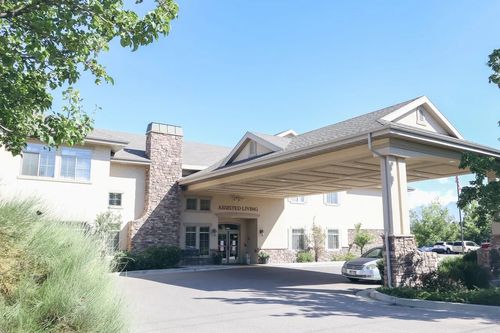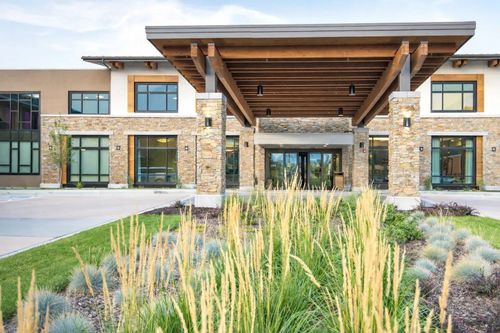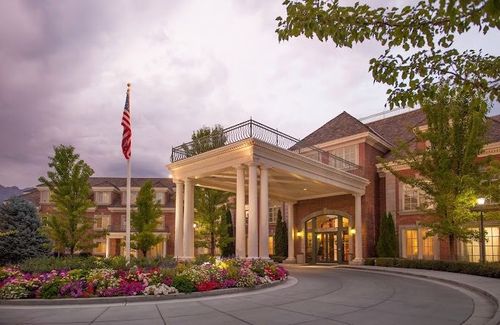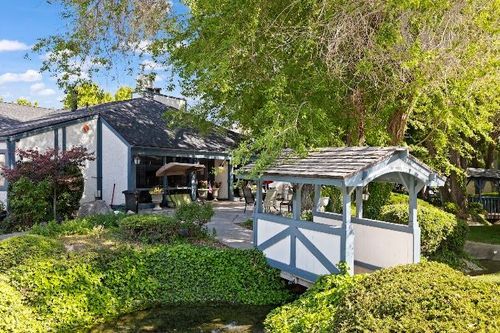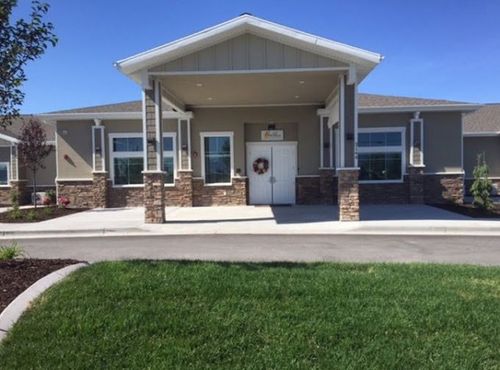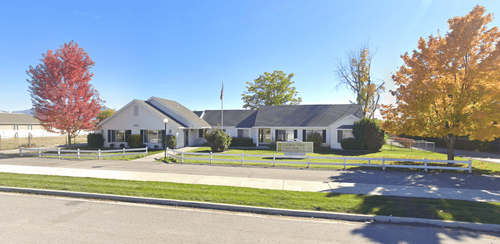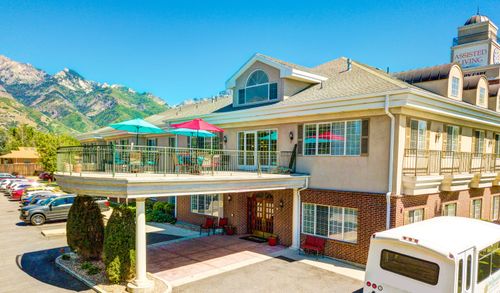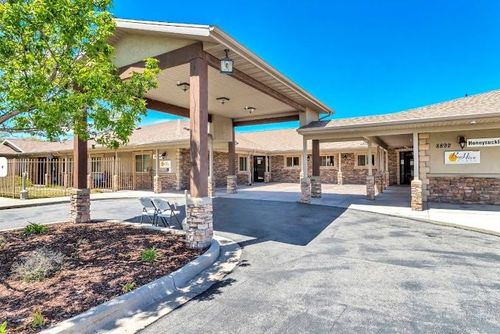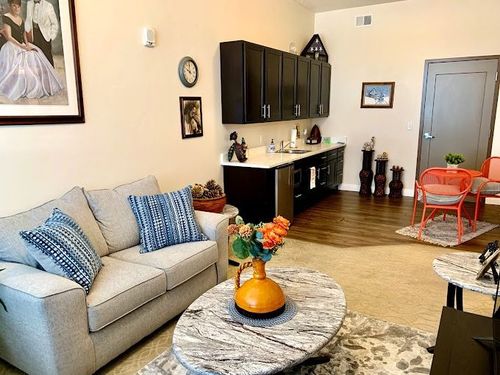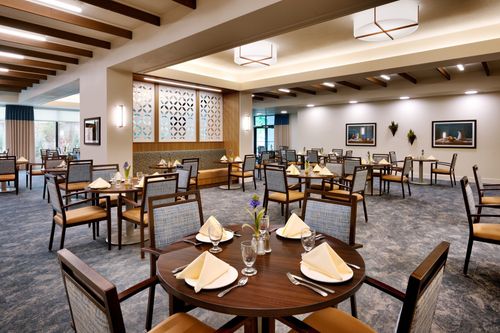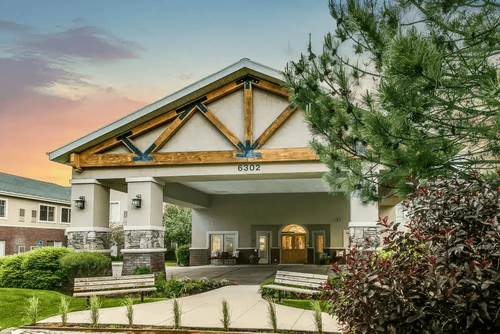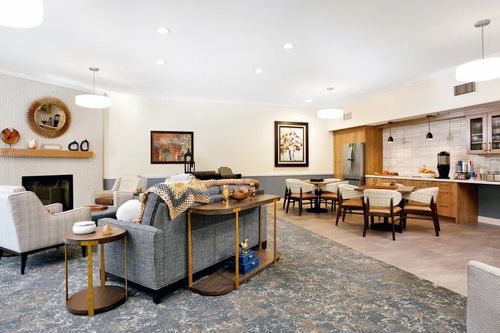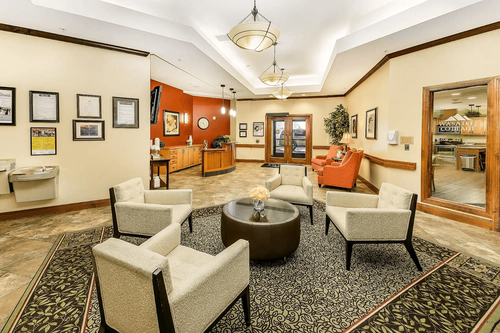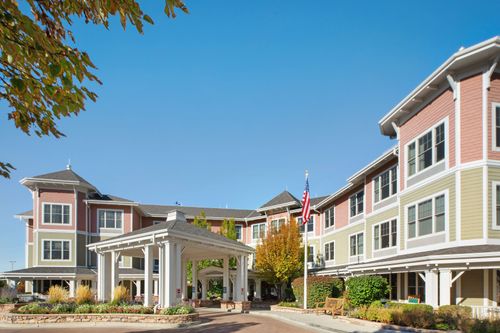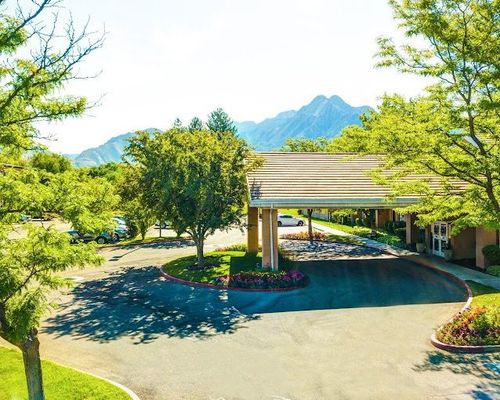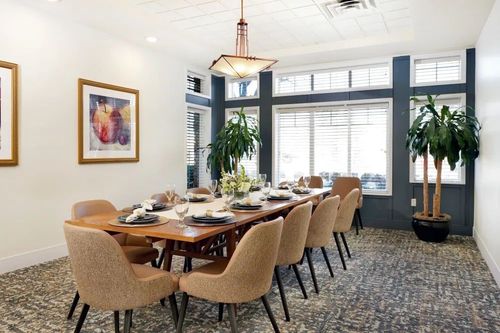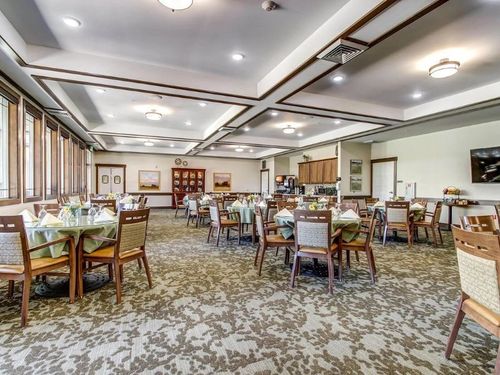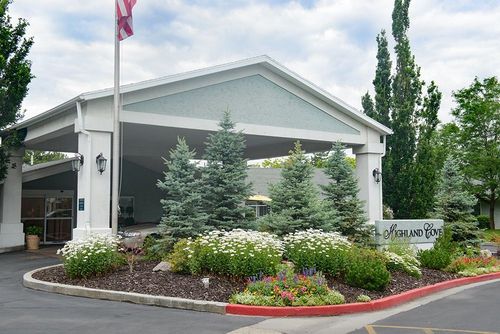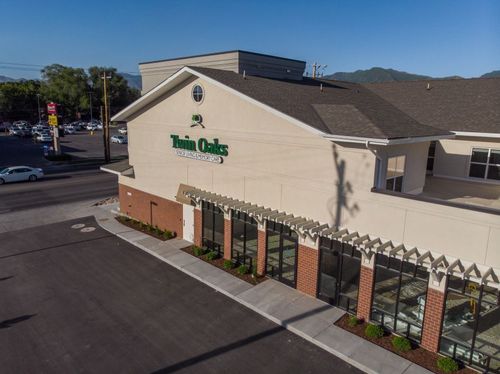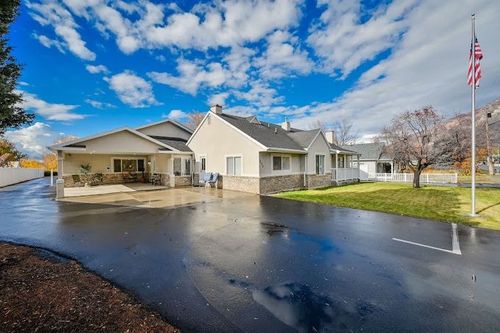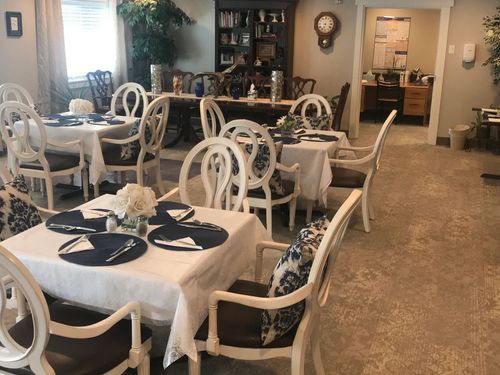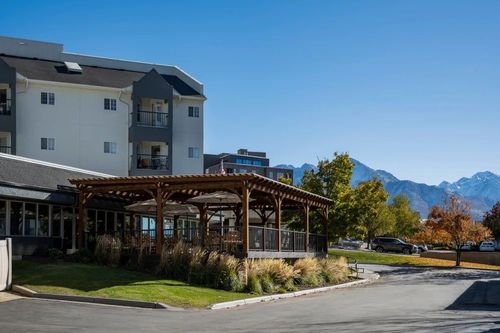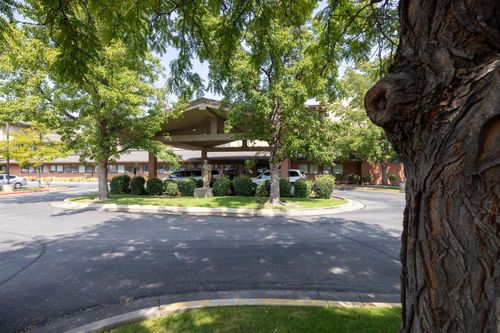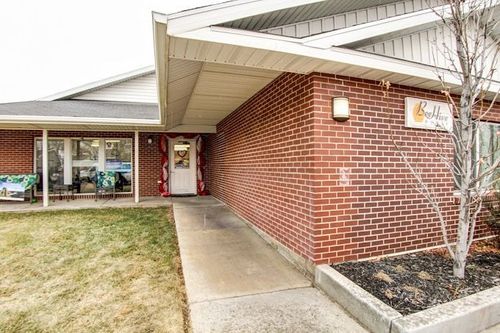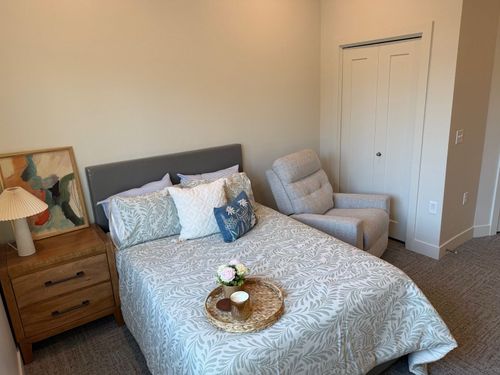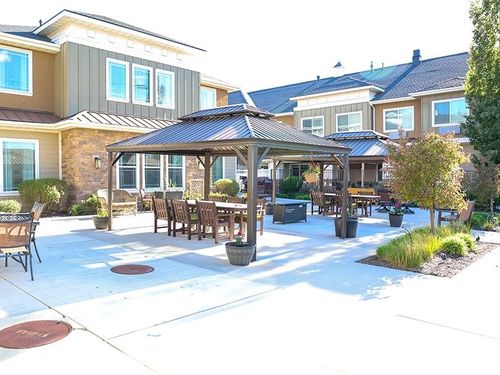
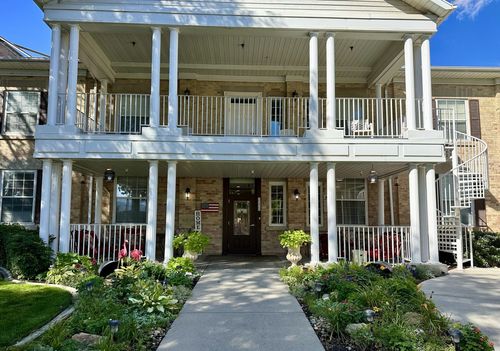
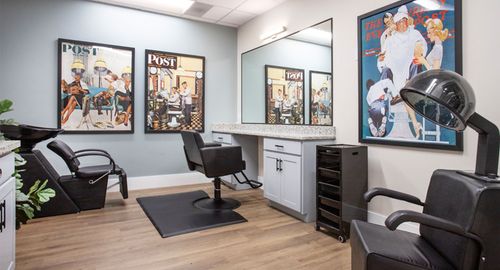
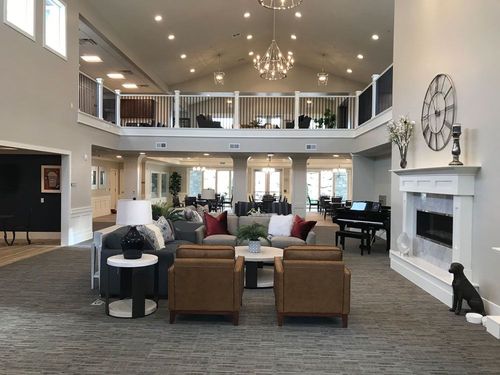
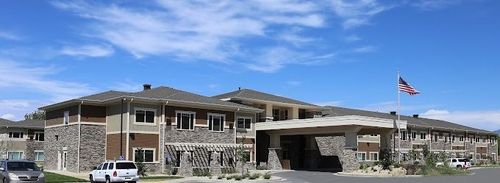

Lehi has grown fast around the Silicon Slopes tech corridor, drawing a younger workforce, and its five senior-living communities sit inside a still-developing market. All five keep furnished rooms open for short-term respite stays of a few days to a few weeks, where a guest joins the regular assisted-living or memory-care wing and gets the same meals, hands-on care, and overnight staffing a long-term resident receives, only with a set departure date. Respite is not a separate building or a fifth care level; it is simply a temporary stay inside a working community.
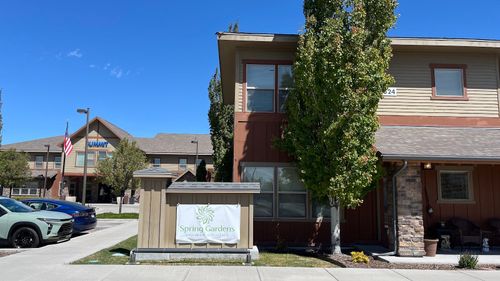
The 5 Lehi communities taking short-term guests in 2026 include Spring Gardens Lehi, Abbington Manor, and Aspen Ridge Residences of Lehi. Families turn to a respite stay for a caregiver's planned break, a discharge from Mountain Point Medical Center when home is not yet safe, or a low-pressure trial before deciding on a permanent move.
What a Short-Term Stay Involves at a Lehi Community
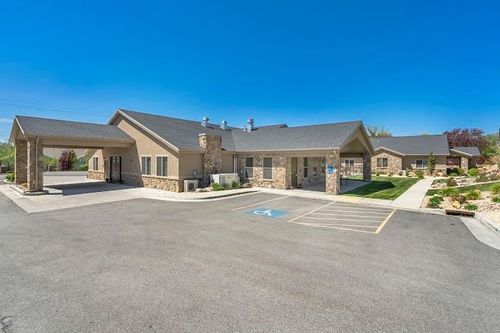
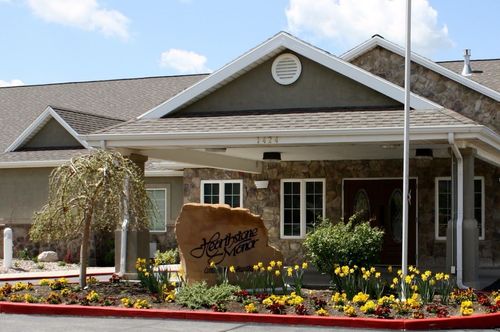
A Lehi respite day generally costs between $150 and $250 in assisted living, with a secured memory-care room priced above that, and the daily figure tops a prorated month because a brief booking turns a room over quickly. Four of the five communities pair memory care with assisted living: Spring Gardens Lehi, Abbington Manor, Abbington Manor Memory Care, and Aspen Ridge.
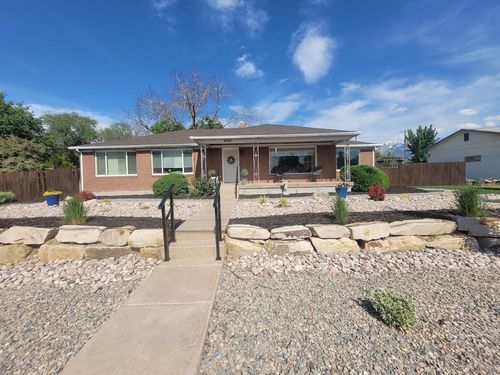
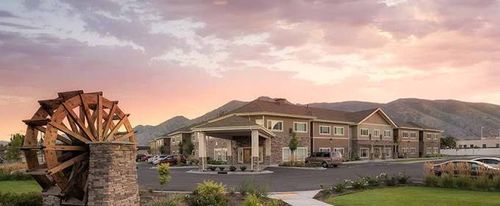
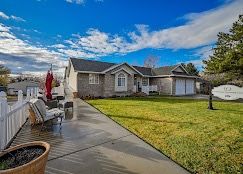
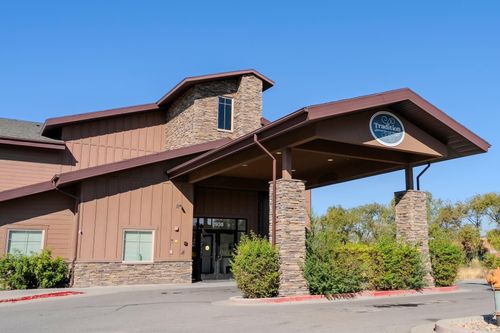
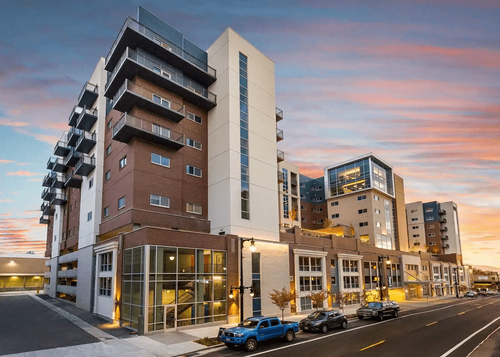
The most specialized is Abbington Manor Memory Care, a 16-bed residential home on West 1500 North devoted entirely to memory care, while Covington's 130-bed campus blends assisted living, memory care, and independent living. Minimum stays differ across the buildings and move with how full each one is, commonly landing around two to four weeks, with shorter visits possible when a room sits open.
Paying for Respite in Lehi
These stays are private pay, charged daily, and the two programs families ask about first do not apply. Utah Medicaid waivers pay for continuing long-term care among residents who meet the eligibility rules, never a brief private booking. For a community short stay in assisted living or memory care, Medicare contributes nothing; its lone respite benefit is a brief inpatient hospice admission for someone already in hospice, a separate thing.
Partial help sometimes comes from a veterans' program or a long-term-care policy, both worth checking first. The 2026 cost-of-care picture places Lehi mid-range for the Wasatch Front, near Provo and Orem rather than the pricier Salt Lake valley.
When a Room Is Actually Available
Lehi's older population is thin, near 5 to 6 percent of a city swollen with young tech families, so demand rarely outruns what the 5 communities can hold.
The real limit is the specific room: secured memory-care respite runs tightest, since those wings stay closer to full and free up slowly, so the only count worth acting on is a current one.
Why Families Choose a Short Stay in Lehi
For a spouse or adult child carrying the daily load, a planned stay swaps a worried absence for a real rest, with a parent left in steady hands. For someone leaving Mountain Point Medical Center too weak for an empty house, two weeks at Aspen Ridge or Covington bridges hospital and home.
A short stay is also the most honest trial a family gets: living inside Abbington Manor reveals the meals and rhythm a tour cannot, and many Lehi stays become permanent moves, never from pressure, simply because the family got its answer.
Talking Through a Lehi Respite Search
The five communities range from a 16-bed memory-care home to a 130-bed campus, so the right match in a given week turns on the care level needed, an open room, and a minimum stay that fits the dates.
A local advisor holds the current daily rates, each building's minimum-stay policy, and which of the five has a secured memory-care room free now. Reach out about a short-term stay in Lehi, and we can narrow it to the one or two that fit before anyone drives over.