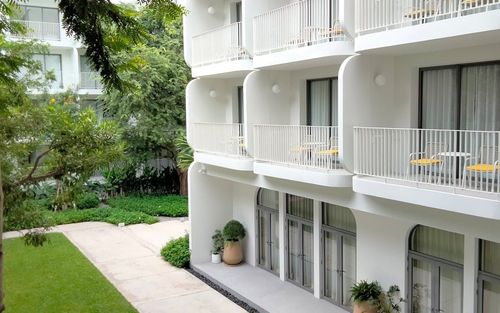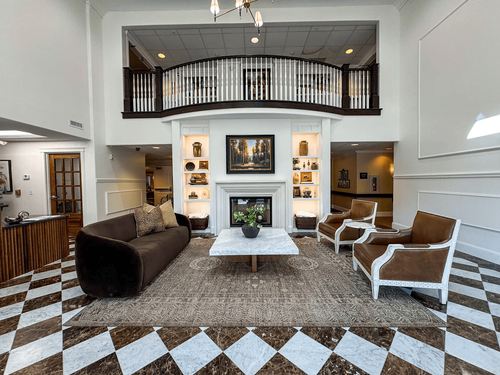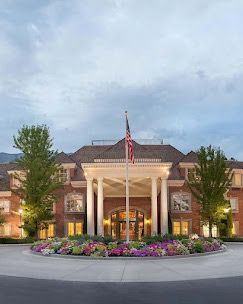

Two distinct dementia-care formats sit inside Santaquin in 2026, each pointed at a different family situation. Seasons of Santaquin holds a 16-apartment secured memory-care neighborhood inside its 38-resident campus on 150 South, with the dementia-care side running as a defined wing alongside the building's assisted-living tier and the broader campus's 24-hour licensed nursing and awake night staffing. Beehive Homes of Santaquin operates a 20-resident residential-care house on 300 West where dementia-and-wandering-behavior management runs across the full building under household-scale staffing rather than a separated secured wing.
What that means for a Santaquin household weighing memory care: the conversation is rarely about which of several local secured neighborhoods to compare against the others. The conversation is whether the larger campus's defined-wing format or the smaller residential house's household-scale model fits the resident's stage of dementia today, and which carries the longer-horizon plan as needs progress. Mountain View Hospital in Payson five minutes north and Intermountain Utah Valley Hospital in Provo thirty minutes north both feed referrals into the local market, which makes timing-against-the-discharge-window a recurring conversation.
How the Two Formats Compare
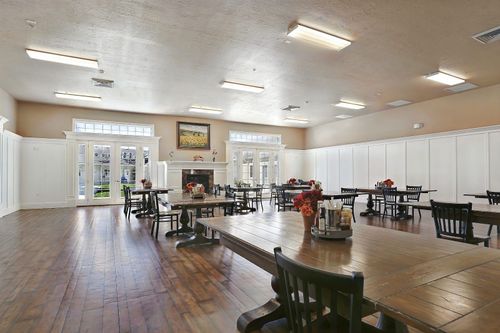
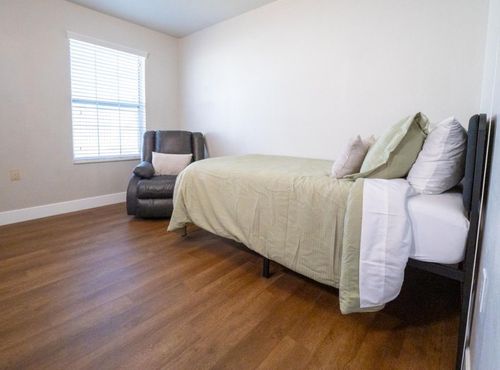
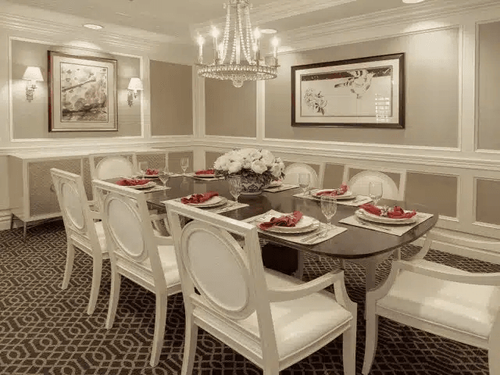
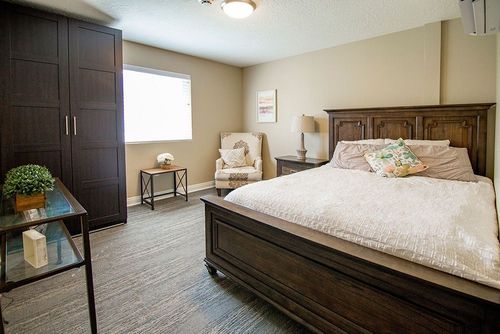
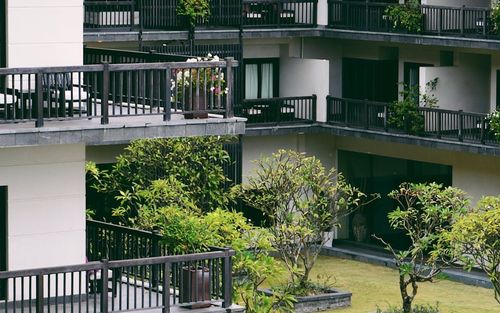
The secured side at Seasons of Santaquin functions as a structurally distinct neighborhood within the 38-resident building. Door codes, perimeter monitoring, and hallway patterns that loop back toward the dining area rather than outside exits target residents who have started stepping out of bounds, lost orientation in once-familiar surroundings, or whose overnight routines have grown unpredictable. The kitchen plates meals for both the assisted-living and the secured sides from one central operation, with separate seating arrangements calibrated to each tier. Licensed nursing covers the building 24 hours a day, and the awake night team responds to pull-cord alerts across both wings.
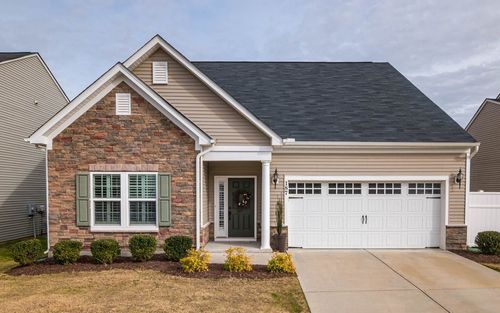
Beehive Homes of Santaquin reads as a household rather than a campus. Twenty residents share one kitchen, one dining space, and a single shared common area, with dementia-trained caregivers covering the daytime shifts and an awake night staff watching the overnight hours. Door alarms, wander guards, and fenced front and rear yards add layers of safety for residents whose cognition has shifted into wandering territory. The household scale a confused resident often tolerates better than a busier campus environment is the building's structural advantage. For a resident whose dementia profile has progressed past where 20-resident residential care can safely hold (significant behaviors, advanced physical-care needs, multiple specialized intervention episodes per day), the larger campus's clinical depth at Seasons of Santaquin enters the conversation.
Cost and Coverage
Santaquin memory-care rates run roughly $4,800 to $6,200 monthly in 2026, with most secured apartments near $5,300. Seasons of Santaquin's 16-apartment secured wing sits at the top of the local band, with the step up from its assisted-living tier into the secured neighborhood usually layering roughly $750 to $950 onto the prior monthly figure to cover dementia-trained staffing ratios and the awake-overnight clinical desk. Beehive Homes of Santaquin's 20-resident residential format holds the entry-to-middle range on an all-inclusive figure that bundles dementia-trained caregiver hours with room-and-board on a single monthly statement.
Move-in fees fall between $1,000 and $3,500. Daily respite stays on the secured side at the buildings typically run $170 to $230. The southern Utah Valley cost basis keeps both Santaquin buildings several hundred dollars below comparable secured-wing apartments at larger Provo or Orem campuses, where the labor and real-estate basis runs noticeably higher. In the southern Utah Valley, Aging Waiver participation is set building-by-building and shifts from year to year, so the practical step for a Medicaid-track Santaquin family is an advisor check on current intake before any state paperwork starts moving.
A Growing Southern-Valley Demand Pattern
The dementia caseload in Santaquin draws from two distinct cohorts. The first is the long-tenure orchard-belt households west of town whose senior population reflects rural-Utah age patterns. The second is the steady inflow of grandparents arriving alongside the younger families that have driven the city's roughly six-percent-per-year expansion across the past five years, which has begun seeding a new generation of dementia caseloads as those grandparents age into the diagnosis curve.
The secured side at Seasons of Santaquin cycles on a thirty-to-forty-five-day pattern, with the majority of openings appearing as an assisted-living resident inside the same campus crosses over into the secured neighborhood and frees an apartment behind them. Beehive Homes of Santaquin moves faster because the household scale makes each transition visible immediately; a same-week placement usually requires a Mountain View Hospital discharge or a behavioral incident in a nearby family to compress the timeline.
Why Families Choose Memory Care in Santaquin
Santaquin's geography keeps three generations of a Utah Valley family within a short drive of each other through a dementia-care arc. Adult children working in Provo, Spanish Fork, or commuting north toward Silicon Slopes reach a Santaquin secured apartment in twenty to forty minutes during a lunch hour or after work, which keeps weekly family visits realistic across the longer trajectory dementia care typically follows. For a dementia resident, the rhythm of family visits has more weight than at any other tier, because the disorientation the disease produces deepens when familiar faces show up only on irregular intervals.
Mountain View Hospital in Payson five minutes north handles the medical complications that surface in dementia care (urinary infections presenting as confusion, post-fall workups, medication interactions), with the case-management team's familiarity with both Santaquin addresses keeping post-discharge handoffs short. Utah Valley Hospital in Provo carries the neurology depth and behavioral-health unit that pace the appointments shaping the first year after a dementia diagnosis.
What a Local Advisor Brings to Santaquin
The advisor frame here treats the two Santaquin buildings as different formats for different dementia stages, not as competing options on a single ranking. Seasons of Santaquin's 16-apartment secured wing inside the 38-resident campus suits residents whose dementia progression has reached the point of needing awake-overnight clinical staff on site, a structured day of group activities (fitness time, devotional time, music and arts sessions), and the longer-horizon option of staying in one building as care needs continue to change. Beehive Homes of Santaquin's 20-resident residential format suits residents whose dementia profile reads as moderate (wandering, overnight unpredictability, daytime caregiving needs that exceed home capacity) and who benefit from the household scale a confused resident often tolerates better than a busier campus environment.
Memory-care calls into Santaquin generally come in once the home arrangement has reached its functional limit: nighttime safety has stopped feeling reliable, behavioral changes have outgrown what hired aides can manage, and the family rotation has cumulative fatigue from layering schedules around a dementia trajectory that keeps moving faster than the support system can adjust. The advisor places the resident's profile next to the two formats, confirms the current waiver picture at each building when Medicaid is on the table, and surfaces the southern Utah Valley alternatives further up I-15 (Payson, Spanish Fork) once local timing or scale stops working for the family. Reaching out before a hospital event narrows the planning window keeps both Santaquin formats genuinely on the table.