
Spanish Fork, UT

Residential Senior Living in Spanish Fork

One residential community in Spanish Fork, UT — with free, unbiased guidance from local advisors.

1
Community
1
Medicaid Accepted
$4,300
Avg. Monthly Pricing

Explore Residential Senior Living in Spanish Fork

One residential community to review, with free guidance from a local advisor.

View all communities in Spanish Fork
Keri Lackey

Spanish Fork Residential Advisor

Keri Lackey

Local Senior Advisor

Keri personally knows every residential community in Spanish Fork. Get free, unbiased recommendations tailored to your family's care needs, budget, and timeline — no sales pressure, no obligations.

What to Expect From Residential Senior Living in Spanish Fork

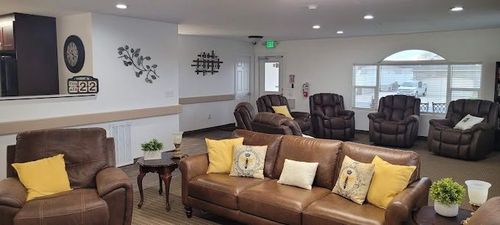
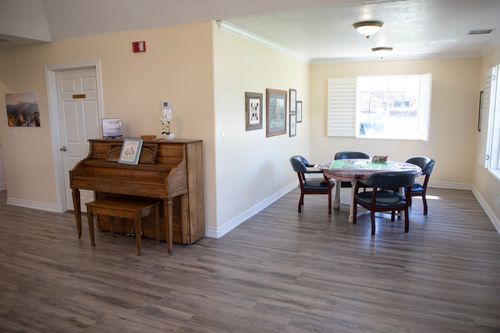
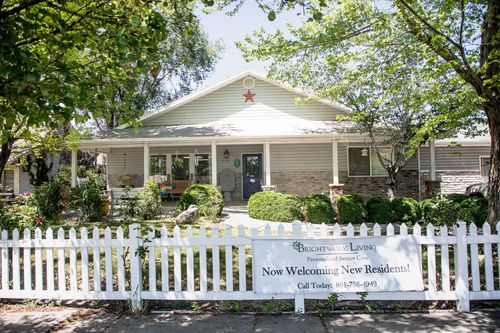
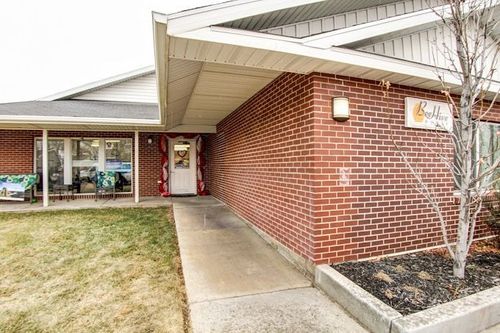
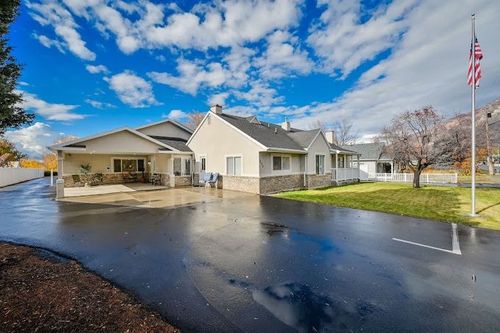
  • One Beehive house on 100 South: BeeHive Homes of Spanish Fork is a single house on 100 South, east of Main Street, where a small group lives together rather than in a wing of a larger building.
  • Care kept at household scale: The Spanish Fork house keeps its group small, so a few caregivers stay close to each resident, the attention a large community cannot match across many separate rooms.
  • Assisted living, with dementia care: The Spanish Fork home provides assisted living and offers memory care for dementia; whether it runs behind a secured door is worth confirming for someone who wanders.
  • Meals and a household pace: The Spanish Fork kitchen turns out three meals a day, and the rhythm is a household's, on a quiet block east of Main Street rather than a commercial strip.
  • Ask what isn't posted: Because this Spanish Fork home does not publish its size, price, or secured-care status, ask the home directly for those before comparing it to a large community; plan on private pay.

Just east of Spanish Fork's Main Street, on the older grid blocks of 100 South, BeeHive Homes of Spanish Fork is the only senior care home in town run as a house rather than a complex. It belongs to the Beehive Homes brand, a set of small house-based senior homes scattered through Utah, and it fits the pattern: a regular residence where a small group of older adults lives with full-time help, the setting families also look up as a board-and-care or care home, and the city's directory lists 1 of them.

A family in Spanish Fork settles on a small house when a large apartment-style community feels oversized for the person it is meant for. Someone who keeps to a few familiar faces, who loses the thread in long hallways, or who is moving deeper into dementia often does better in a household with a shared kitchen than on a campus of dozens of units. That smaller, quieter setting is the reason these homes exist, and it is what a search like this one is reaching for.

The Shape of Daily Care Here

Daily life in the Spanish Fork house follows the household, not a schedule board. A small caregiving team handles everyone, which keeps the ratio low and the attention personal, and the support is custodial rather than medical: a hand with bathing, dressing, grooming, medications, and getting around, meals made in the kitchen, laundry and cleaning, and someone awake through the night. Beehive markets memory care for residents with dementia alongside its assisted living, though this house does not publish its exact resident count or whether its dementia care runs behind a secured door, both of which a family should confirm rather than assume. The honest limits of a small home apply: fewer scheduled activities, no nurse on the premises, and a smaller group of housemates than a large Spanish Fork community provides. What it gives back is calm, routine, and caregivers who spot a change in one resident fast. A bigger community is not worse, only different, and built for a resident who wants more going on.

Cost When the Price Isn't Posted

BeeHive Homes of Spanish Fork does not list a flat monthly rate, because the cost of a small home rises and falls with the care a resident needs and whether the room is private. As a gauge, the typical Utah assisted-living rate sits around $5,500 a month in recent figures, and small homes statewide usually sit under it, many landing between about $3,200 and $4,500 a month. A large community packs amenities, a full activity slate, and clinical staff into its price; a small house is paying for a room, meals, and close personal attention, the low ratio included. So the comparison genuinely cuts both ways, a shared room in a house often beating a big building's entry rate while a private memory-care room can match it. Because the number depends on the care level, the move that actually helps is to ask this home for its full monthly figure at the right level of help, plus what memory care would change.

One House in a City of Forty Thousand

Spanish Fork has grown past forty thousand residents, yet only around seven percent are 65 or older, so the senior population is modest and the house-based options come down to one. The rest of local senior care happens in larger assisted-living and memory-care buildings; a genuine small home in Spanish Fork itself is the exception. With a single house and a limited number of rooms, an opening is never guaranteed, and the time to ask is before a hospital discharge forces a fast choice. A few weeks of lead time is usually the difference between landing the right room and taking the only one free, and because a single house cannot hold much of a waitlist, the families who plan earliest are the ones who tend to get in.

What Pulls Families Toward the Small Home

The draw of the small house, for the families who choose it, is the daily texture rather than the price tag. A resident who wants to stay a known face often does well in a house where one caregiver knows the morning routine, the kitchen actually cooks, and the table seats a few people instead of a hall. Spanish Fork suits that unhurried feel: a Main Street town under Maple Mountain, known for the Krishna Temple's Holi Festival of Colors each spring, where a care home is simply another house on a residential block. A move that stays in town keeps family and a familiar Sunday close by. A large community is not the lesser option here; it simply answers a different preference, more activity and amenities, where the small house answers another, quiet and being known, and sorting which preference fits is the work that comes before the first tour.

Where Local Help Closes the Gaps

Several of this home's specifics sit unpublished, which is exactly where a local advisor earns the call. The advisor who handles Spanish Fork placements confirms what the listing leaves blank: how many residents the BeeHive house actually holds, whether the home's dementia care sits behind a secured door, the real monthly cost at whatever care level applies, and whether a room sits open now. That confirmation turns a thin Spanish Fork listing into a clear yes or no for one resident.

We keep reviewing Spanish Fork homes and communities for 2026 and adding the ones that earn it. If the small house is the one you're weighing, drop us a line and we'll fill in the blanks, or browse the homes we've vetted when you're ready.
Keri Lackey

Keri Lackey

Local Senior Advisor, Utah

Advisor Insight on
Residential in Spanish Fork

BeeHive Homes of Spanish Fork is the city's only house-based option, on 100 South near Main Street, and its resident count, secured-dementia status, and exact price all go unpublished. Each of those, and whether a room is open, is worth confirming before a Spanish Fork family schedules a tour.

Nearby Spanish Fork Hospitals and Local Essentials

  • Hospital:Two hospitals frame a Spanish Fork care home: Mountain View Hospital in Payson, minutes south, for the everyday urgent call, and the larger Utah Valley Hospital in Provo, a Level II trauma center to the north, for anything more serious. A small home keeps no nurse, so that pair is its backstop.
  • Dining:Spanish Fork's Main Street and the restaurants out toward the I-15 interchange sit minutes from the 100 South house, an easy stop for a family folding a meal into a visit, from local diners to familiar chains.
  • Shopping:Grocery stores and pharmacies line Main Street and the commercial stretch nearby, a short distance from the house, so restocking the Spanish Fork home or dropping off supplies is a quick errand rather than a drive out of town.

BeeHive Homes sits on 100 South in the older grid just east of Spanish Fork's Main Street, a settled block with Maple Mountain to the southeast. It is a residential street, not a commercial one.

Residential Senior Living Near Spanish Fork

Residential communities within 25 miles of Spanish Fork.

Frequently Asked Questions About Residential Senior Living in Spanish Fork

What makes a home a 'residential care home,' and does Spanish Fork have one?

A residential care home is senior care delivered in a house: a small group of residents, caregivers on hand around the clock, and a regular neighborhood address instead of a multi-story building. The labels pile up, board-and-care, care home, adult family home, but the model is one house. Spanish Fork has one, BeeHive Homes of Spanish Fork on 100 South, part of a brand of small homes around Utah.

How much does a small care home cost in Spanish Fork?

This home does not post a set rate, since a small home's price moves with the care level and the room. For scale, assisted living in Utah averages roughly $5,500 a month in recent data, and small homes usually come in under that, many landing under $4,500. The dependable step is to ask the home itself for its all-in monthly cost at the care a resident needs.

Does BeeHive Homes of Spanish Fork offer memory care?

Beehive includes memory care in its services, and the Spanish Fork home is listed for it. What no public source settles is whether that care happens behind a secured door for someone who might wander, or as added help for milder memory loss. Since that determines whether the home can safely take a particular resident, confirm it directly rather than read it off a brand name.

How small is a Spanish Fork care home?

Small enough that the exact count here is not even published, which is common for these homes. As a category, a residential care home runs anywhere from two to sixteen residents, far below a large community, and Beehive houses sit toward the small end. The point of keeping it small is the ratio: caregivers tend one household rather than a corridor of apartments.

Does the state of Utah regulate small care homes?

Yes. Utah treats a small care home as a licensed assisted-living facility, the same standing it gives a large community, and inspects it the same way. Homes fall into two license tiers based on how much help a resident needs to get out of the building safely, and the tier a Spanish Fork home holds reflects the care it can take on. It is worth matching that tier to the resident's needs.

What should families ask on a tour in Spanish Fork?

Open with the small-home basics: how many residents are in the house and how many caregivers cover each shift, day and night. Then chase what the listing omits, the secured-care question, the full monthly cost at the needed level, and how soon a room might open. With one small home in Spanish Fork, timing is real, so ask how far out to plan.

More Senior Living in Spanish Fork

Get Help Finding Residential Senior Living in Spanish Fork

Our local advisors know every residential community in Spanish Fork personally. Get free, unbiased recommendations tailored to your family's care needs, budget, and location preferences.

Free service · No obligation · We only recommend what's right for you