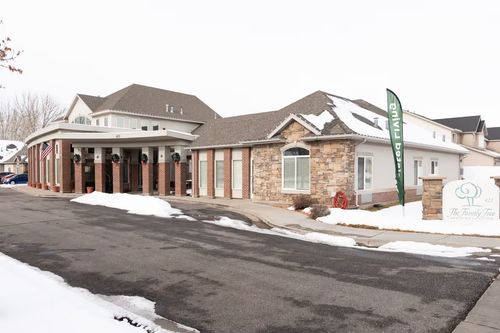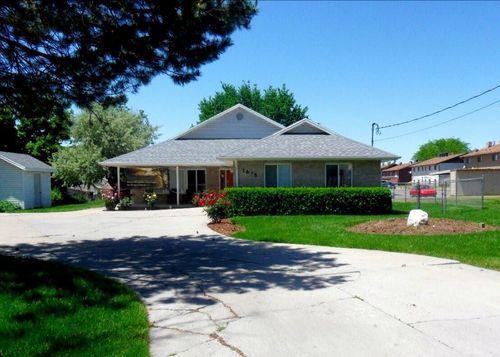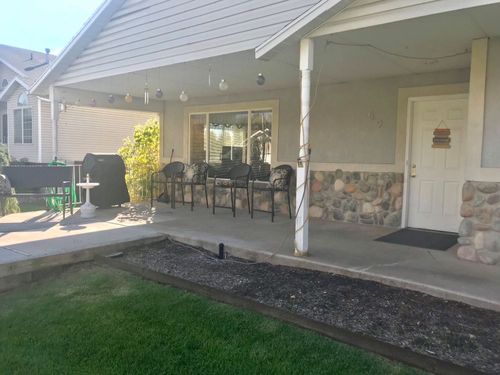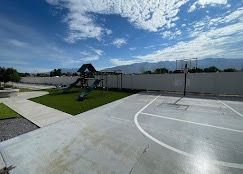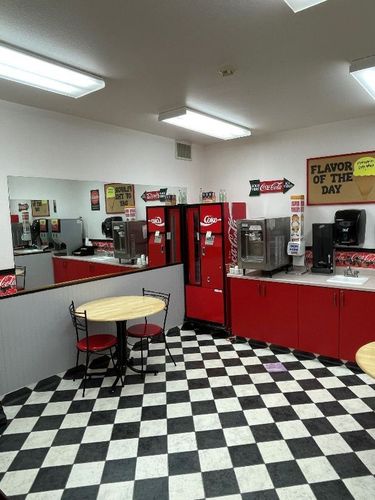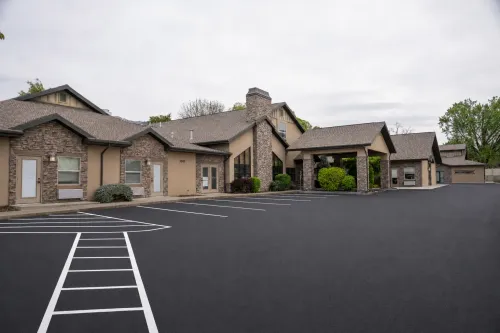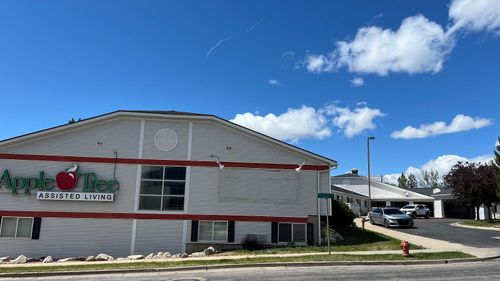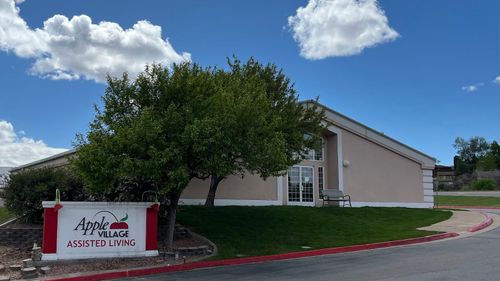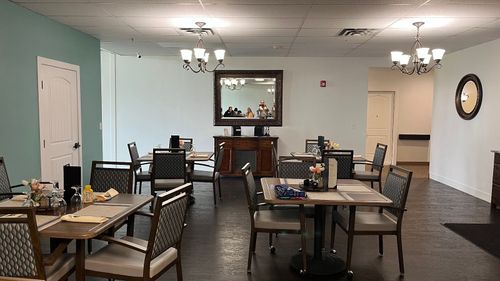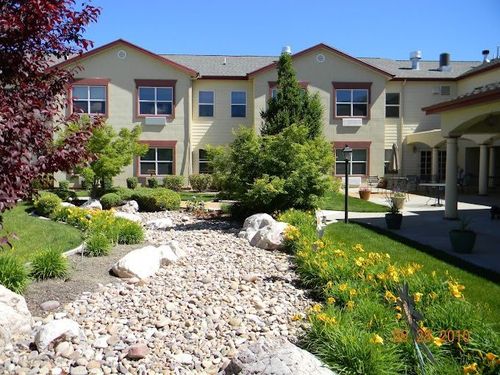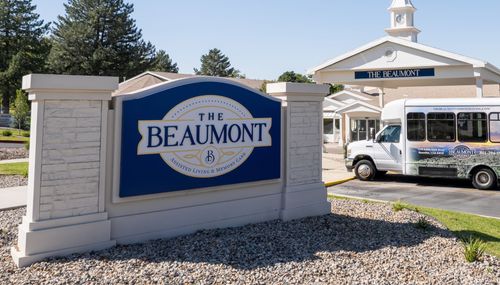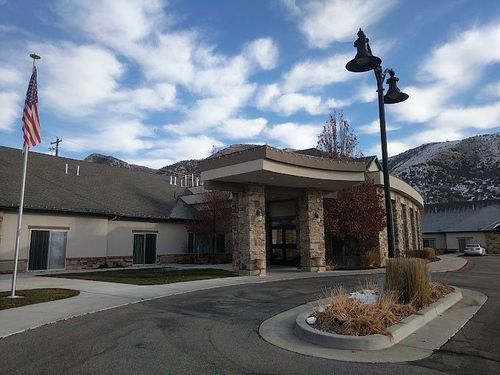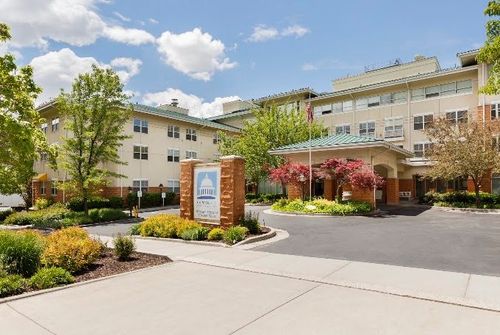

Syracuse has roughly doubled in size since the last decade, a young, fast-spreading city out toward the Antelope Island causeway, and its senior-living inventory has not kept pace with that growth. Medicaid-accepting care here runs through a single established building, RainTree Senior Living on 1900 South, which has been doing assisted living and memory care in town since well before the housing boom that surrounds it now.
The families who reach the Medicaid question in Syracuse are often the parents of that growth, longtime residents who watched a farm town fill in around them and now face care costs a fixed income cannot cover. The New Choices Waiver is the route that picks up those care costs once a resident qualifies, which lets the move stay in Syracuse rather than uprooting a parent to somewhere unfamiliar.
Daily Support and Secured Care Under RainTree's Roof
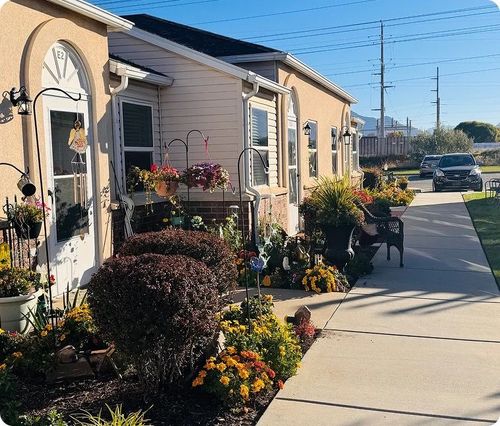
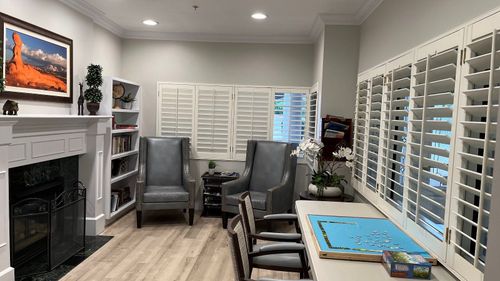
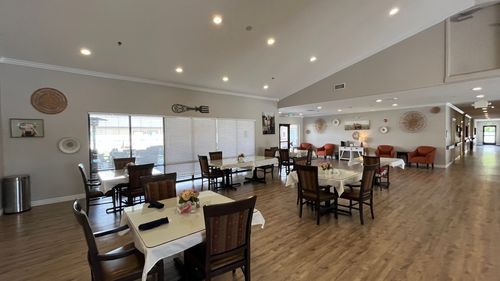
RainTree runs around 50 beds and splits its building between an assisted-living side and a secured memory care side. On the assisted-living side, the help is with the everyday tasks that get harder with age, bathing, dressing, medications, and getting to meals; on the memory care side, it adds a locked, calmer setting and closer supervision for residents living with dementia. Utah brings Medicaid into both through one program, the New Choices Waiver, for a resident whose care needs reach a nursing-home level. A building that has run senior care in Syracuse for more than two decades tends to know the waiver process well, which helps when paperwork timing matters.
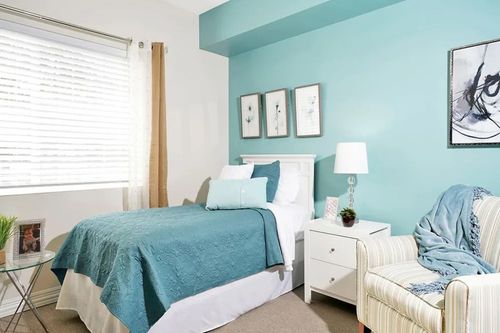
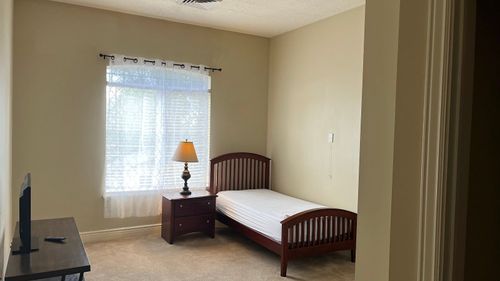
Waiver funding does not change the care a resident receives; it changes who pays for which part of it. The program covers the care services, the hands-on support, while the room-and-board side stays with the resident. To hold that housing cost down, a waiver-funded resident at RainTree often takes a shared room rather than a private one, the most common trade a family makes to keep the monthly out-of-pocket number manageable. The routine, the meals, and the staff look the same from one room to the next no matter how the bill is split.
Where the Waiver Lands on a RainTree Bill
RainTree's listed starting rate, around $4,200 a month, sits closer to the real private-pay number than the rock-bottom figures some buildings post, but it is still an assisted-living starting point; memory care and heavier care needs push it higher. That range tracks the Utah market, where the assisted-living median runs in the mid-range of recent surveys, well under the national figure.
For a resident who qualifies, Medicaid takes the care-services half of the RainTree bill through the New Choices Waiver, normally the bigger portion. What stays with the resident is room and board, the housing-and-meals portion, paid from monthly income. Utah's 2026 rules set an income limit and an asset limit for a lone applicant, and 5 years of transfers are weighed before approval. A skilled-nursing stay, if that becomes the need, is covered by traditional Medicaid, room and board and all. Independent living, by contrast, sits outside Medicaid completely, since the program pays only where a care need exists.
Fast Growth, Few Seniors, One Waiver Building
Syracuse skews young even by Utah standards, with around 2,800 of its roughly 42,000 residents past 65, fewer than one in fourteen, one of the lower senior shares in Davis County. The growth has come in young families, not retirees, so senior-care demand and inventory are both still small, and Medicaid-accepting care comes down to one building. The New Choices Waiver is capped across the state, which means a resident can qualify and still wait for an open waiver-funded room at RainTree. In a one-building city, that wait, and how to use it, is where most of a family's attention goes.
Staying on the West Side as Syracuse Fills In
For a Syracuse family, the pull to keep a Medicaid move local is partly about not adding distance to a life already spread out by the city's growth. A longtime resident usually still has family on the west side, a congregation nearby, and the open-sky familiarity of the Antelope Island gateway that drew people here in the first place. A waiver-funded room at RainTree keeps a parent inside that world rather than across the valley. There is also a quieter benefit: RainTree's long presence in Syracuse means a resident moves into a building with roots in the same town, not a brand-new operation opened to chase the population boom, and that continuity counts for something when so much else around it is new.
What an Advisor Lines Up at RainTree
With Syracuse's Medicaid-accepting care concentrated in one building, an advisor's work is narrow and practical. The first thing to learn is whether RainTree has an open waiver-funded room right now, on the assisted-living or the memory care side, and if not, how long the wait is running. From there the advisor matches the resident to the right side of the building and starts the New Choices application early, so eligibility and an opening have a chance to arrive together rather than weeks apart.
On a discharge from Intermountain Layton Hospital or Holy Cross Hospital - Davis, both a short drive east, that timing gets tight, since waiver approval can run weeks while a hospital bed empties fast. An advisor who tracks RainTree can carry the paperwork and the room search at once and warn a family early if a brief private-pay start will be needed. We keep vetting Syracuse communities as the directory grows through 2026. Reach out about Medicaid-funded senior care in Syracuse, or browse the homes we've reviewed when you're ready.