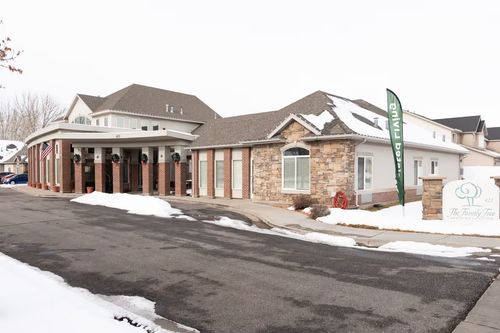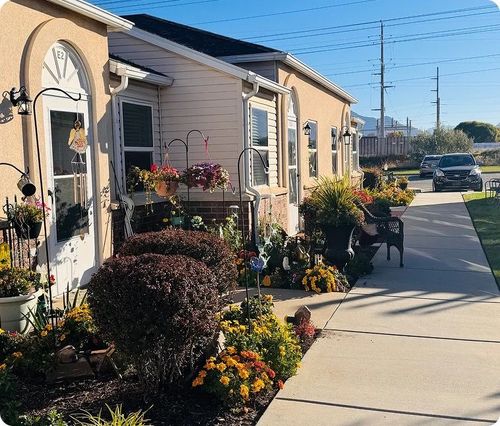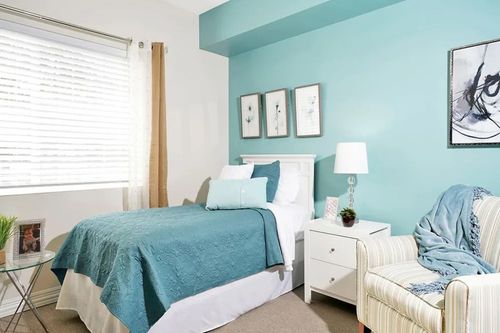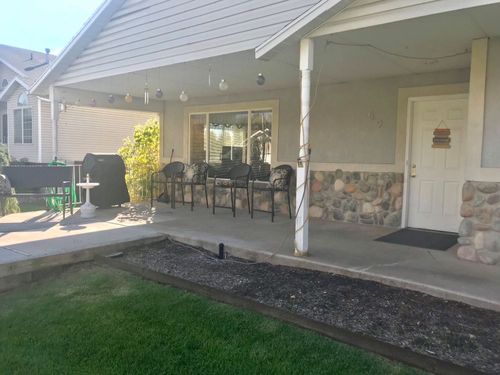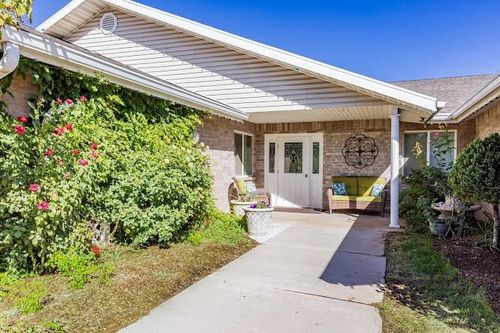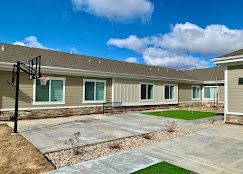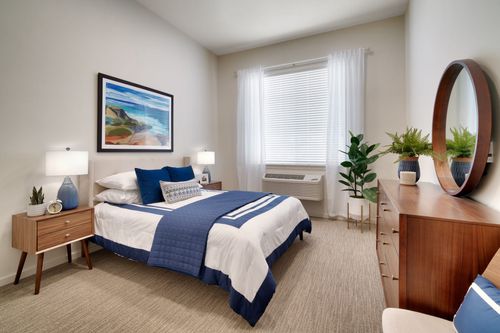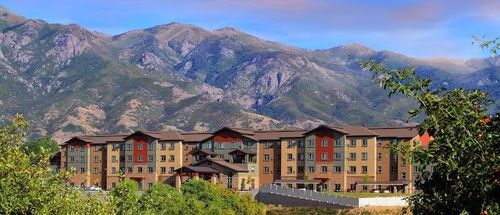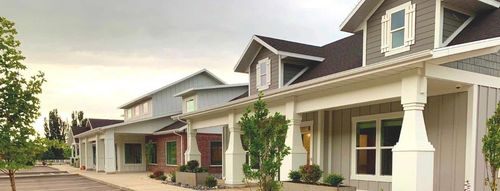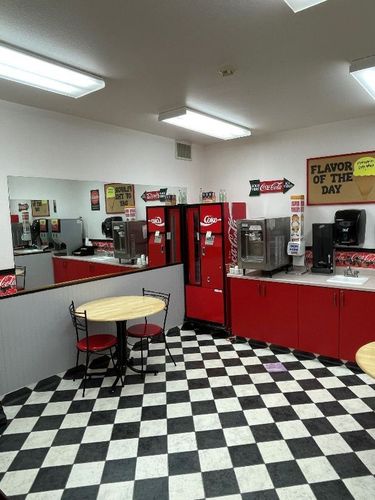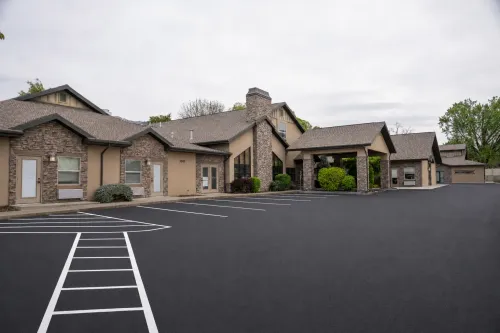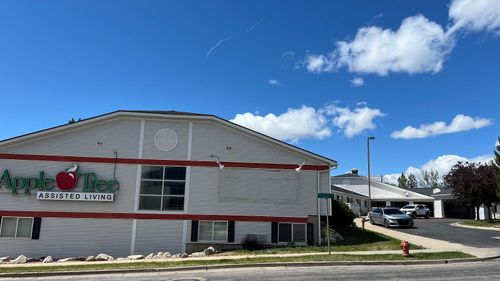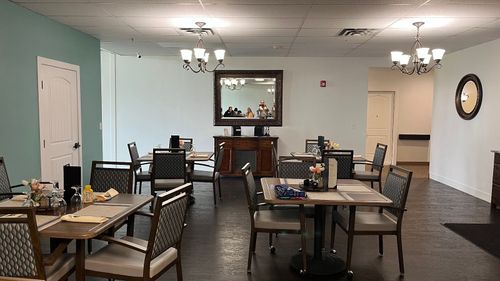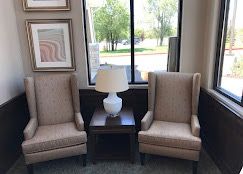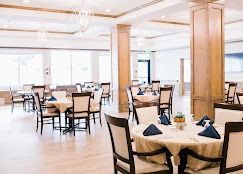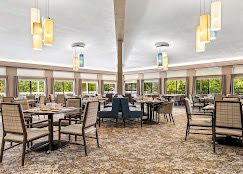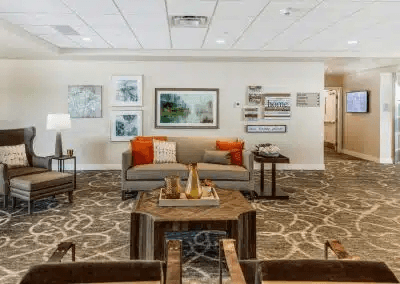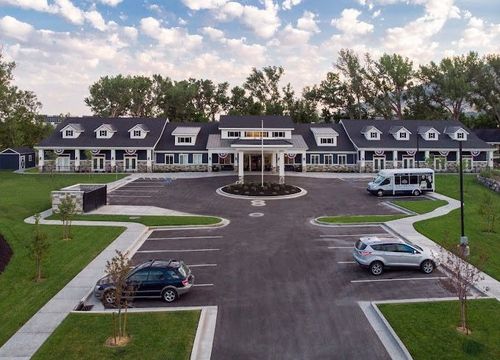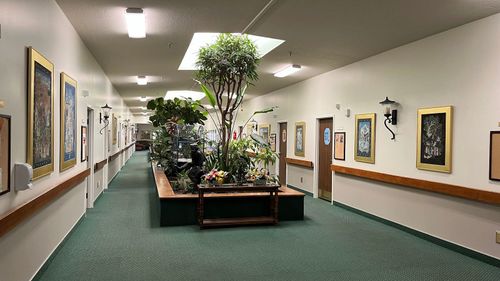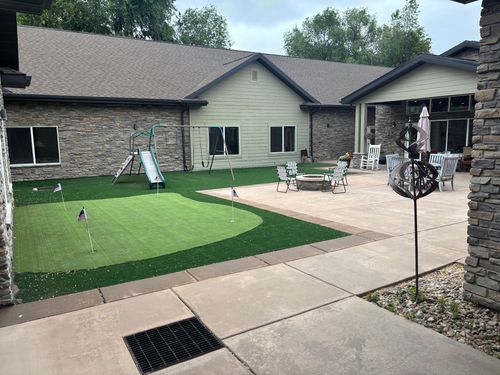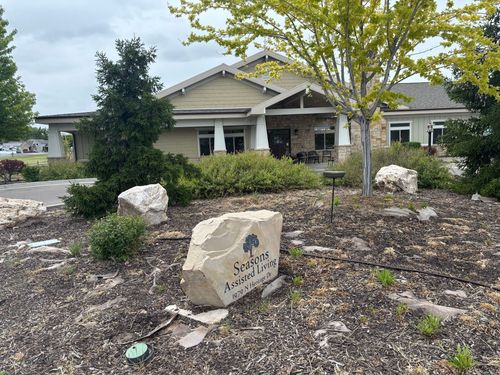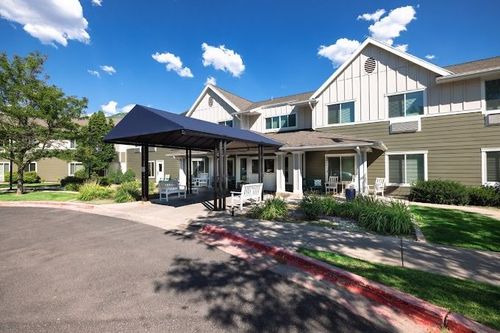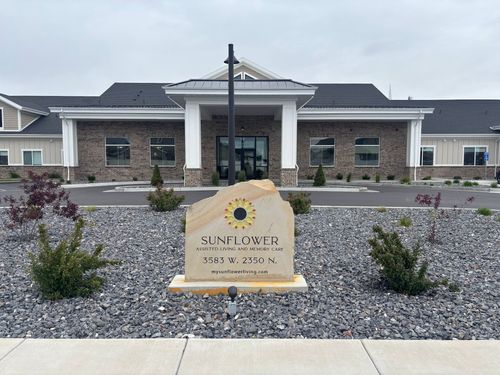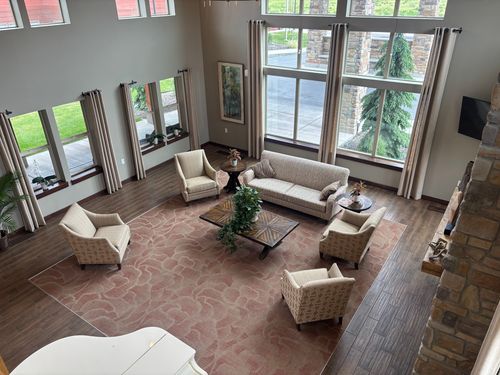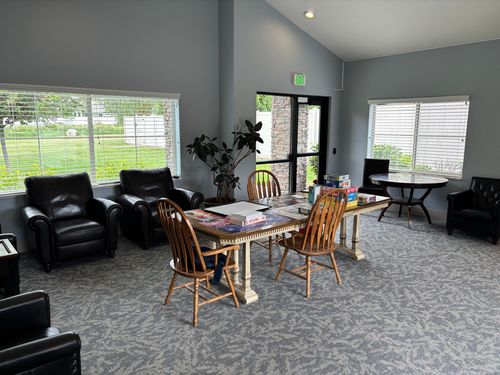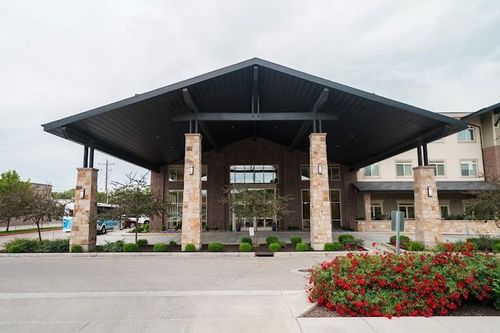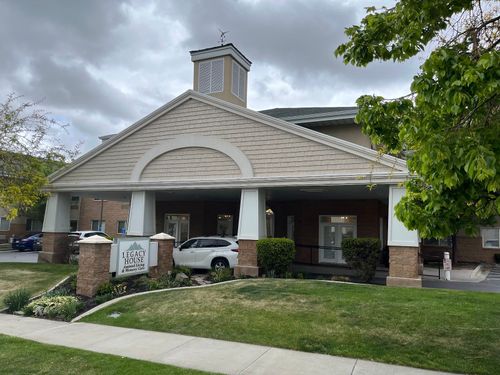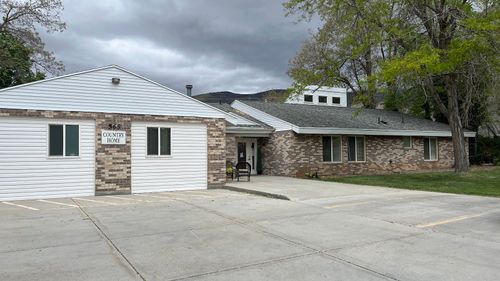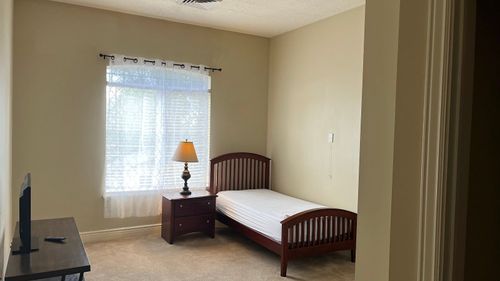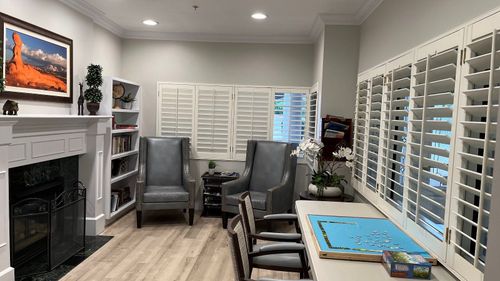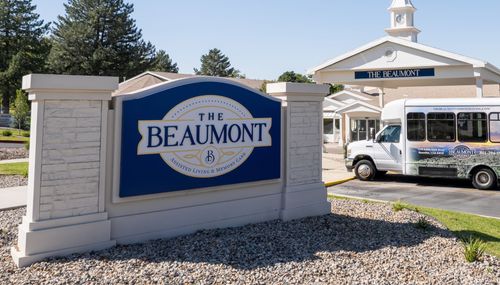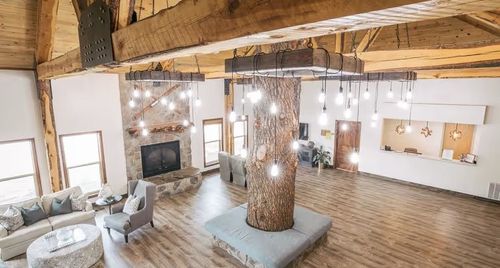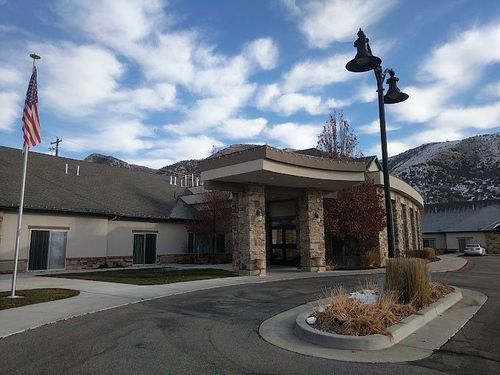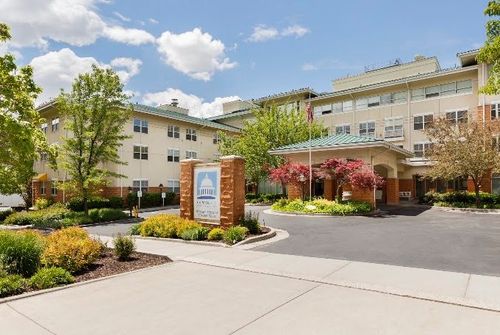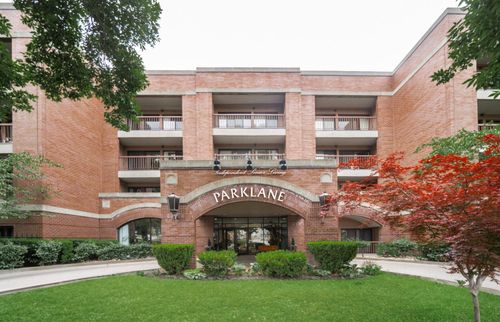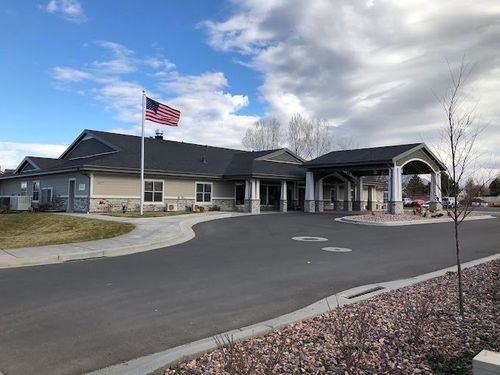
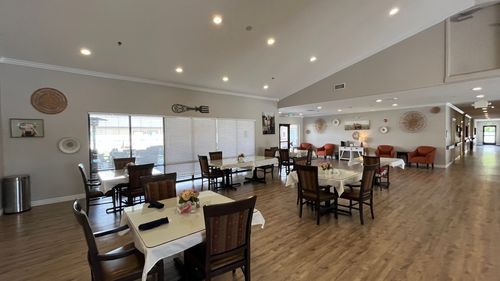

RainTree Senior Living and Beehive Homes of Syracuse cover the city's 2 senior-living communities, and both offer short-term respite stays inside their assisted-living and memory-care settings. A respite stay is a furnished room in a working community, with the same meals, daily care, and overnight staffing a permanent resident receives, booked for days or weeks rather than indefinitely.
Families in Syracuse reach for a short stay when a caregiver needs to travel or recover, when an older adult leaves Intermountain Layton Hospital not yet ready to be home alone, or when a family wants a genuine trial before committing to a permanent room, an option both Syracuse communities keep open in 2026.
Daily Life in a Syracuse Respite Stay
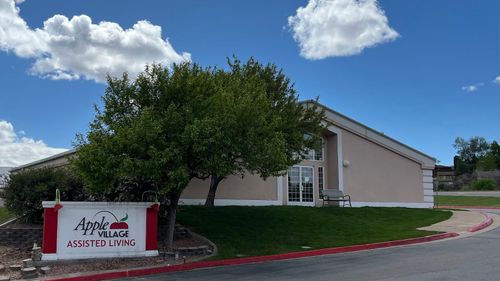
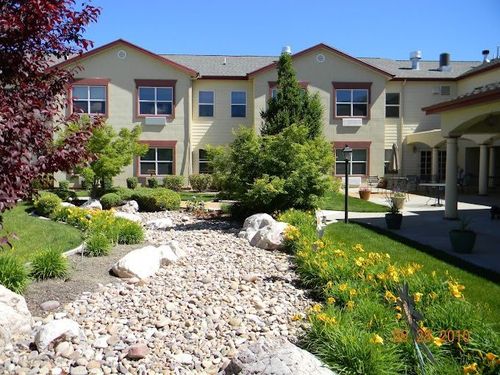
A respite guest joins the same daily schedule as any long-term resident: prepared meals, help with bathing, dressing, and medications, activities, and awake overnight staff. RainTree is the larger community, with 52 beds, assisted living and memory care, and Medicaid acceptance for long-term residents. Beehive Homes of Syracuse is a 22-bed community with both care types. Both list memory care, so a guest with dementia should confirm whether a secured room is open for a short stay before settling on one. Most communities set a minimum in the two-week-to-one-month range, and the daily rate and open room shift week to week.
What a Syracuse Respite Stay Costs, and Who Pays
Respite in Syracuse is billed by the day, running above a prorated monthly fee because the room holds for a brief stay. Davis County assisted-living monthly rates fall within $4,200 - $4,900/mo, putting a realistic daily respite figure between $150 and $200 for assisted living, with a memory-care room higher. The monthly pricing on a community listing is long-term pricing, not the Syracuse respite rate.
Medicare covers none of an assisted-living or memory-care stay in Syracuse; its only respite benefit is a short inpatient hospice admission for patients already in hospice, which is a separate thing. Utah Medicaid waivers fund long-term custodial care for qualifying residents but not short private respite bookings. Veterans' programs and some long-term-care policies may offset part of the cost, and both are worth checking.
Availability in a Young City
Only about 7.8 percent of Syracuse's roughly 42,300 residents are 65 or older, around 3,300 people, one of the smaller older-adult shares in Davis County. That keeps demand at the two communities steady rather than stretched, and assisted-living respite rooms generally come open with reasonable notice. Lining up a secured memory-care room on little notice is the harder ask in Syracuse, as it is across the region.
Why a Short Stay Works for Syracuse Families
A planned respite stay lets a caregiver travel or recover, with meals, medications, and overnight supervision handled at RainTree or Beehive Homes of Syracuse. For someone discharged from Intermountain Layton Hospital, a staffed step keeps Davis County physicians close while strength returns. Many Syracuse respite stays become permanent moves, not from any pressure but because two weeks inside a community answered the question a tour never could.
Finding the Open Room with a Local Advisor
With two Syracuse communities offering respite, the practical questions are specific: which has a room free on the dates needed, whether assisted living or a secured memory-care room is the right fit, and what the daily rate is right now.
A local advisor holds those details for both RainTree Senior Living and Beehive Homes of Syracuse, sparing a family from calling blind when a discharge or caregiver trip is already on the calendar. Reach out to talk through a short-term stay in Syracuse, and we will tell you which community has a room.