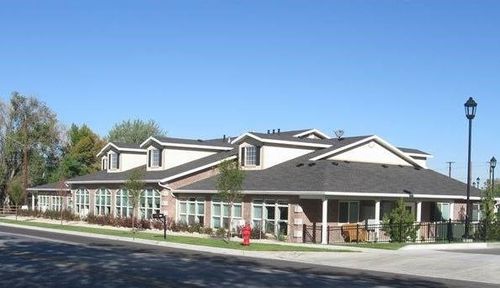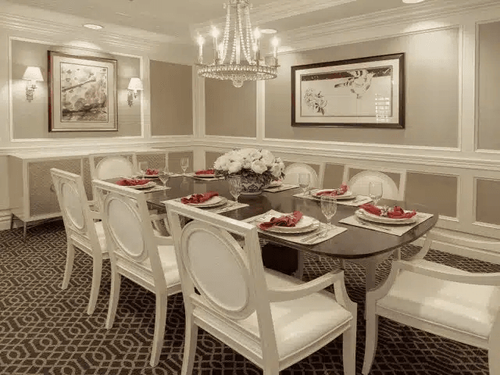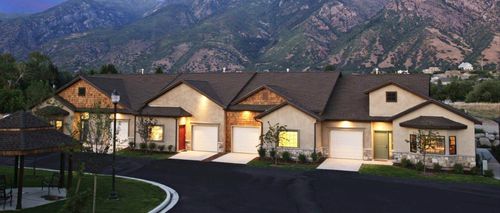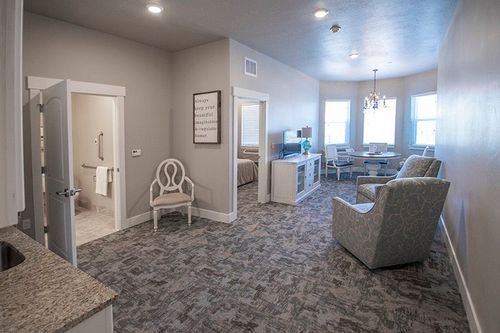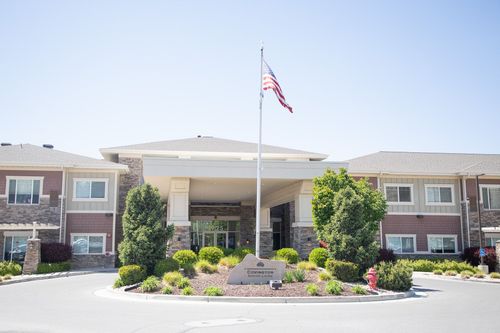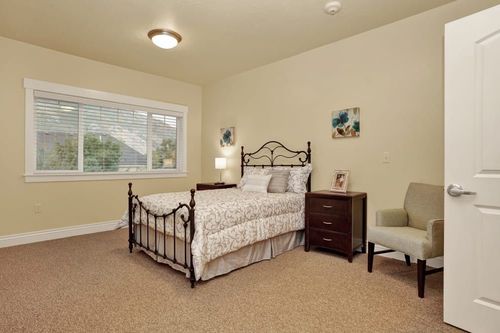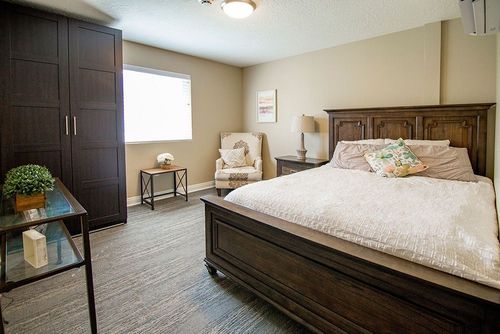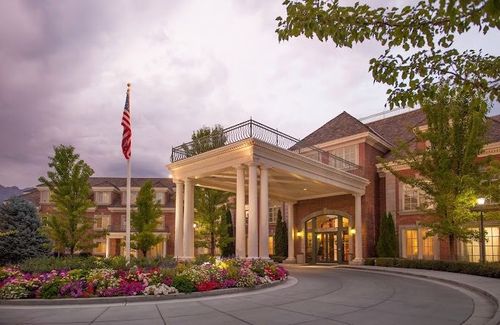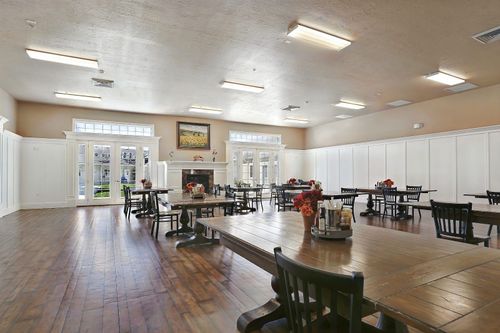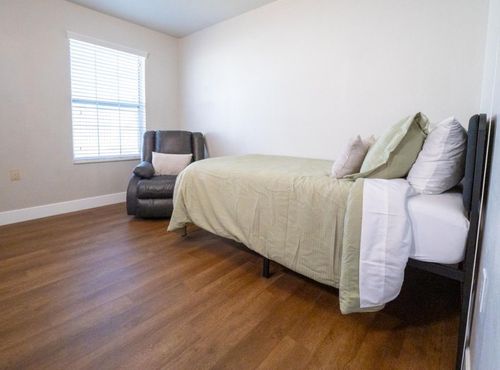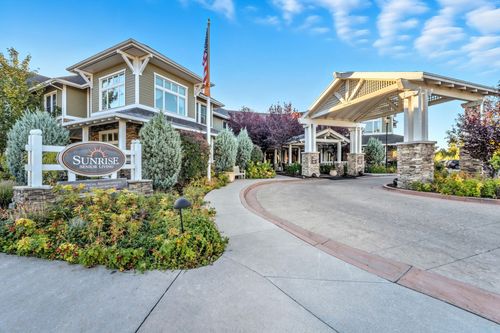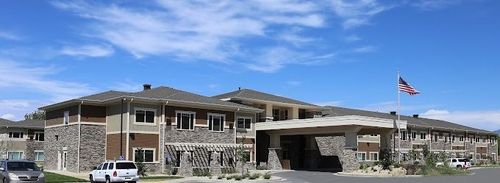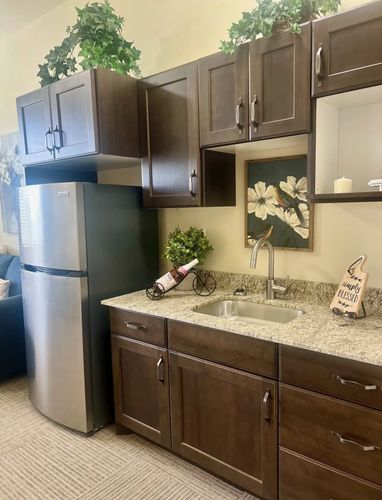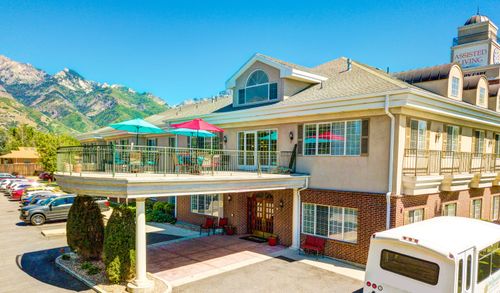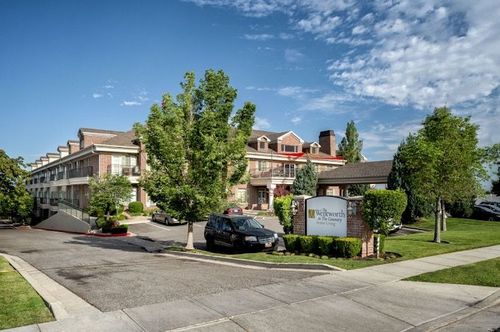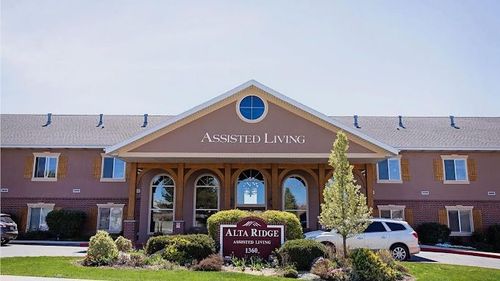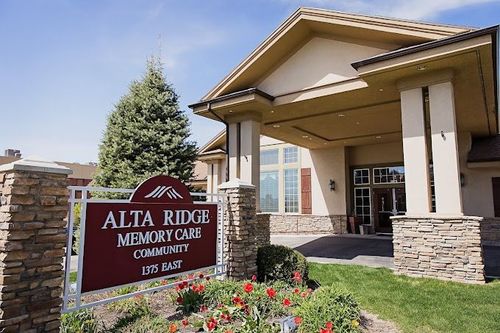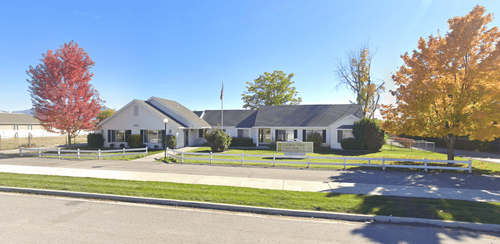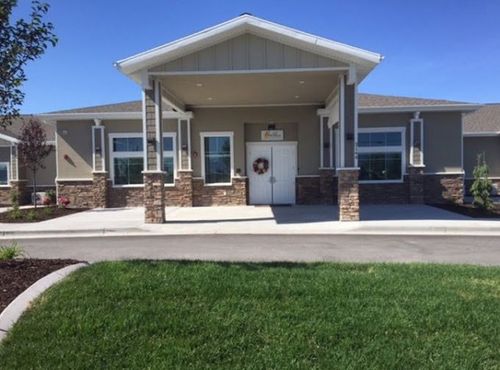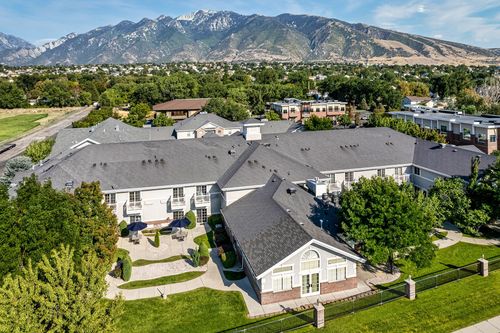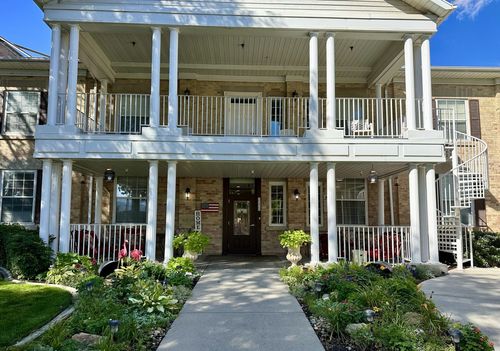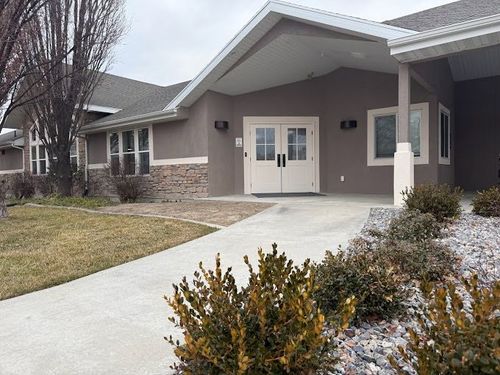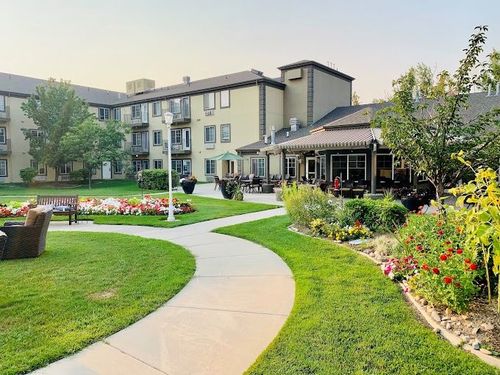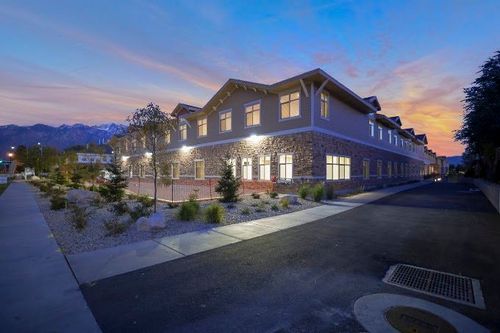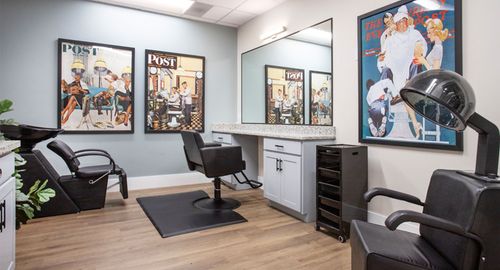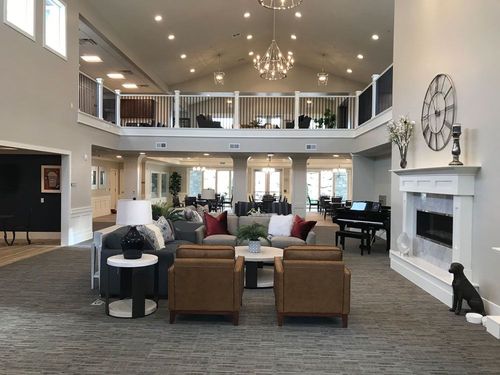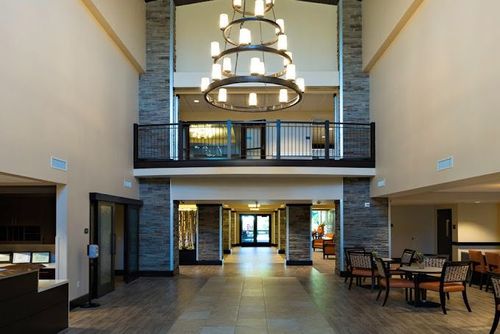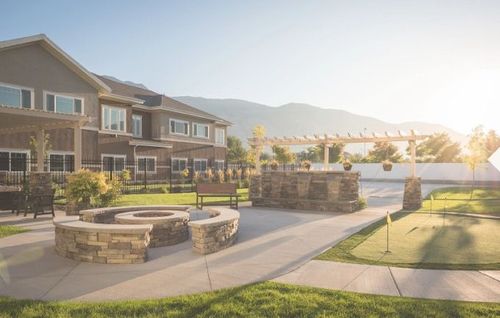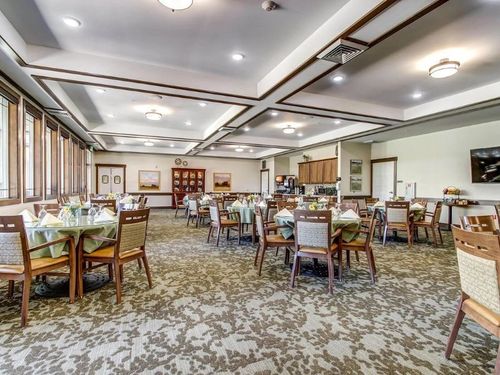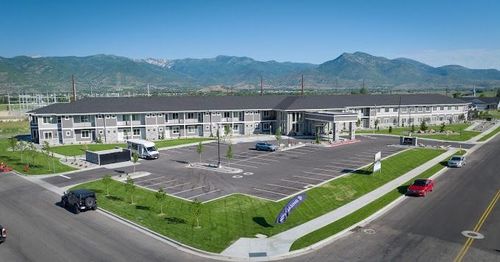
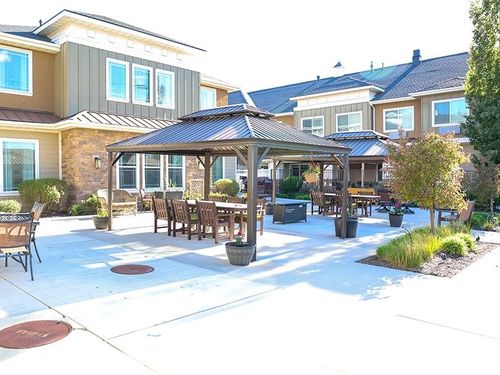

Memory care in Wasatch County lives in two secured wings, both inside continuing-care campuses in Heber City: Covington Senior Living Heber and Spring Gardens Heber. There is no standalone dementia home in the valley, which is common in a small mountain county, so the practical question for a family is not where in the county to look but which of the two campuses fits a parent's stage of dementia and personality. Both keep the secured neighborhood on the same site as their assisted-living wing, so a resident who is already living in one of them can move into memory care without leaving a familiar building. For a person whose dementia is advancing, that calm, contained mountain-town setting can be steadier than a large metro facility, with fewer hallways to get lost in and staff who recognize every resident. Families almost always arrive at memory care after a diagnosis has pushed past what ordinary assisted living can safely hold: wandering toward a door, getting lost on a street walked for decades, or evening agitation that makes the day hard to manage.
Two Secured Wings and How They Run the Day
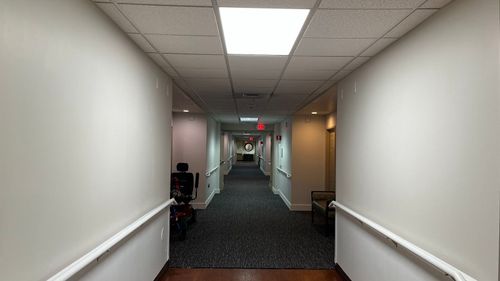
Memory care differs from the rest of senior living in the building and the shape of the day. In both Heber campuses the secured wing has locked or alarmed exits so a resident cannot wander into traffic or the mountain cold, an enclosed courtyard for safe time outdoors, and simple layouts that cut the confusion of long corridors. Staff are trained to redirect dementia behaviors rather than argue with them, and caregiver-to-resident ratios run higher than in assisted living because cueing through meals, dressing, and bathing takes more hands.
The daily rhythm is deliberately calm and repetitive, built around short, familiar activities and timed to ease the late-afternoon agitation many families know as sundowning. A small mountain valley lends itself to that quieter version of care, with enclosed courtyards looking out on the foothills and a slower pace than a busy metro wing. Medical events route to Intermountain Heber Valley Hospital minutes away, with Provo and Salt Lake specialists a mountain drive west when a dementia journey calls for them.
What Secured Care Costs in the Heber Valley
Memory care prices above assisted living in the Heber Valley, as it does everywhere, because the secured environment and heavier staffing cost more to run. Assisted living on these campuses is quoted $5,800 - $5,900/mo, and their memory-care rate generally lands higher, with the resort-adjacent valley keeping Heber toward the higher side of rural Utah. Memory-care pricing tends to run closer to all-inclusive than assisted living, since the supervision a resident needs is built into the secured model rather than added as a separate tier.
Utah's New Choices Waiver can offset part of the personal-care cost for Medicaid-eligible residents in participating buildings, though waiver beds are limited and dementia-specific slots scarcer still, so a family counting on the waiver should confirm current participation and capacity early rather than assume it. The waiver does not cover room and board in any case.
Tight Capacity in a Small Mountain County
The Heber Valley has aged as it has grown, drawing retirees to the mountains while longtime families stay, and the slice of the population most prone to dementia, residents past eighty-five, is climbing. That is why a county this small sustains two secured memory-care wings rather than none, and why the adult children managing a parent's diagnosis are often already living and working in the valley.
With only two secured options, supply is tight. A wing may have just one or two beds open at a time, and the right match depends as much on the resident's stage and temperament as on availability. When a diagnosis is moving, a family that starts looking before a crisis has room to choose the better-fitting campus rather than the only open bed, or to weigh the deeper memory-care inventory a mountain drive west in Utah Valley.
Why Families Choose Memory Care in Wasatch County
Families keep a parent with dementia in the Heber Valley so the faces that anchor that parent stay close. A spouse who still drives, adult children in Heber or Midway, and grandchildren on the Wasatch Back can visit often, and frequent familiar visitors are one of the few things that reliably steady someone whose memory is fading. The valley's calm is its own argument: a small, quiet mountain town with enclosed courtyards and a slower pace fits the low-stimulation environment dementia care calls for, and it keeps a longtime Heber doctor on the case rather than starting over in a strange city.
What a Local Advisor Brings to Wasatch County
Memory-care decisions are made under stress, often right after a diagnosis or a frightening incident, and the valley's two secured wings do not always have a bed open at once. The advisor knows which campus has secured capacity now, how each shapes the day for residents at different stages, and what each charges, then frames the choice between Heber's two options and the larger memory-care inventory a short drive west. That keeps a family from touring a wing that cannot actually take their parent.
When the move follows a hospital stay, the advisor coordinates with the discharge team at Heber Valley Hospital so timing matches an actual opening instead of leaving a family in limbo during a fragile week.