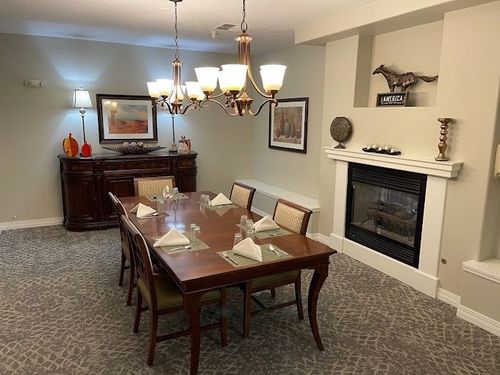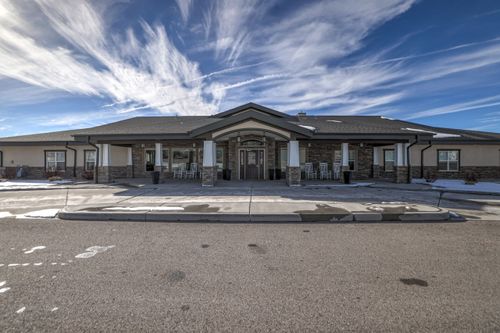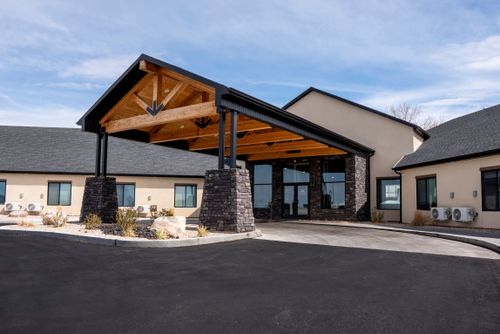
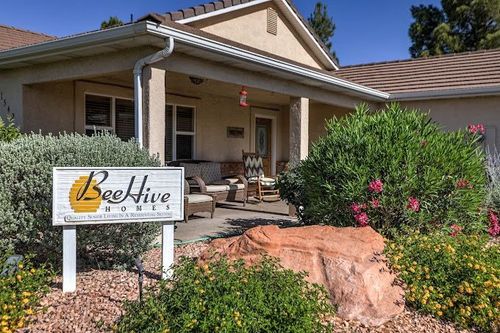
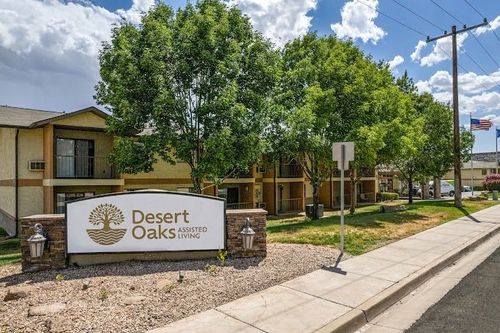





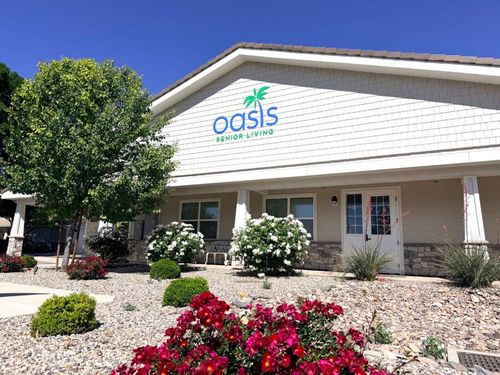
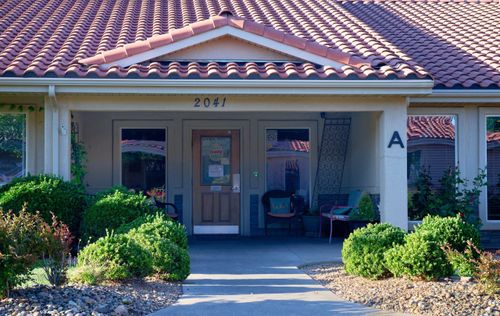
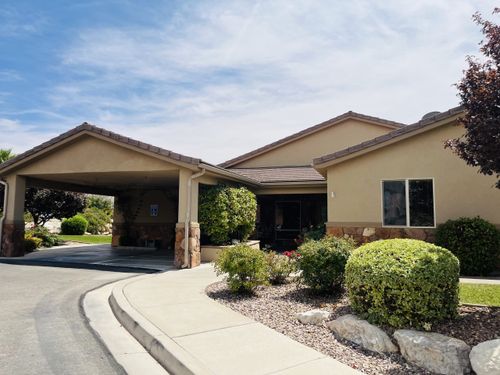
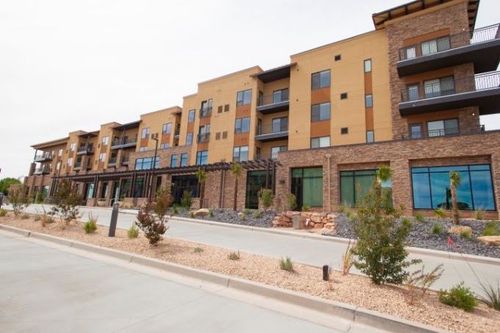
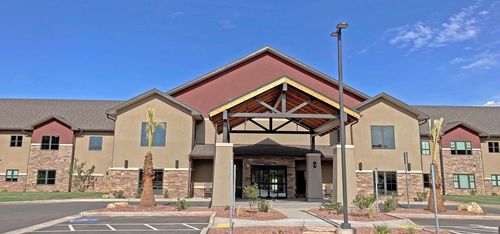
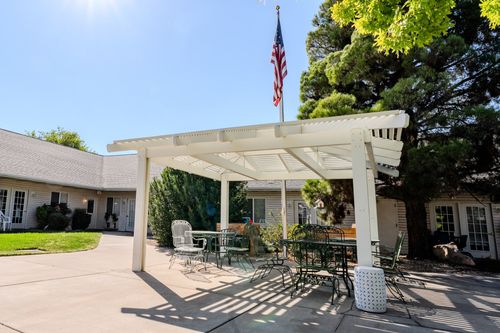







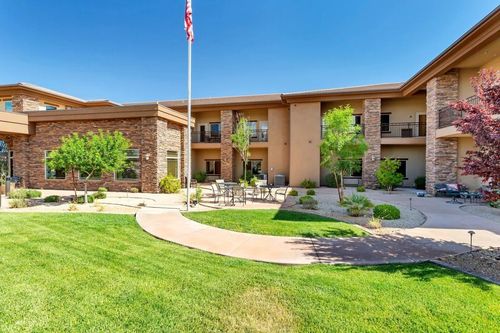

The county's 23 assisted living options cluster tightly inside the St. George metro: Spring Gardens, Southgate Senior Living, The Abbington, The Retreat at Sunbrook, and Legacy Village of St. George sit in St. George proper, with Oasis Senior Living, Ovation Sienna Hills, Autumn Park, and Primrose a few minutes north in the city of Washington, Haven at Sky Mountain and Heritage Home about twenty minutes east in Hurricane toward Zion, and Snow Canyon Retirement Community on the west side in Santa Clara. The buildings range widely, from larger amenity-rich communities of well over a hundred apartments down to small residential homes like Beehive Homes of Snow Canyon that house a dozen or so residents.
George area: the demand is built into who lives here. The families searching are usually not navigating a dementia diagnosis. The trigger is more often a slow drift in daily tasks, a spouse worn down by caregiving, or a fall and a hospital stay that make living alone in a desert house no longer safe. Assisted living covers exactly that middle ground, with help on hand without the full clinical setting of a nursing home.
What Daily Help Looks Like From a St. George Campus to a Santa Clara Home
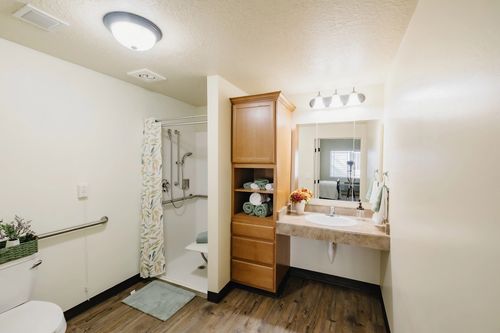
The daily promise is the same across every building in the county: help with bathing, dressing, medication, and getting to meals, with staff on-site around the clock. How that feels depends a lot on the setting. A larger St. George community such as Spring Gardens or The Abbington runs full activity calendars, dining venues, and transportation, which suits a resident who wants company and a busy week. A small residential home in Santa Clara or Hurricane trades the everyday services for a quieter house and a higher staff-to-resident ratio, which suits someone who finds a big building overwhelming.
Because every community we list here sits within about twenty minutes of Intermountain St. George Regional Hospital, families rarely have to weigh a community against a long medical drive, and most communities coordinate transportation to appointments so a resident keeps their own doctors after the move.
What Assisted Living Costs Across the St. George Metro
The lower end covers the smaller residential homes and the value-priced buildings in Washington and Hurricane, such as Oasis Senior Living and Ridge View Gardens. The higher end reflects the larger St. What a family actually pays tracks the level of daily help needed and the apartment size far more than which town the building sits in.
Utah's Medicaid program, through the New Choices Waiver, can help cover the care portion of assisted living for residents who qualify financially and medically, though it pays for services rather than the full room-and-board cost, and not every community participates. The number of waiver-friendly openings in the St. George area is limited at any given time, which makes knowing where the rooms are the difference between a quick move and a long wait.
Why Retiree Growth Keeps Buildings Full Through Snowbird Season
Washington County is one of the fastest-growing retirement destinations in the country, and the steady arrival of retirees from California, Nevada, and colder states keeps the senior population climbing year after year. That growth is why purpose-built communities keep rising along the corridors out of St. George, and why the more sought-after buildings stay close to full. Demand also runs seasonal: snowbirds who winter in the area swell the population from fall through spring, and the popular St. George and Washington communities can carry wait lists during those months.
Newer construction and the smaller residential homes in the outlying towns often have nearer-term room, so availability is rarely all-or-nothing, but openings shift week to week and a building that is full in February may have an apartment in June.
Why Families Choose Assisted Living in Washington County
The climate is the first reason and often the deepest one: mild winters and dry air let residents stay active outdoors year-round, and proximity to Zion, Snow Canyon State Park, and the golf courses around St. George gives families a reason to visit that feels like more than a duty trip. Many of these families are spread across other states, having moved a parent to the desert years ago, so the assisted living search is about keeping a parent in the place they already chose rather than uprooting them again.
Staying in the county also means staying inside one familiar medical network. Intermountain St. George Regional Hospital anchors care for the whole area, and keeping a resident close to it spares an out-of-state family the worry of coordinating care from afar.
What a Local Advisor Brings to Washington County
A local senior advisor tracks which St. George and Washington communities have current openings versus a wait, and knows where a small residential home in Santa Clara or Hurricane can deliver more attention at a lower monthly figure than a larger building. The advisor also knows which communities accept the New Choices Waiver and have room, and can coordinate with hospital discharge planners when a move follows a fall or a hospital stay. For an out-of-state family, that local read turns a confusing long-distance search into a short list worth driving out to see.
Reach out and we will help you sort the options, or browse the communities we have vetted across the St. George area.