
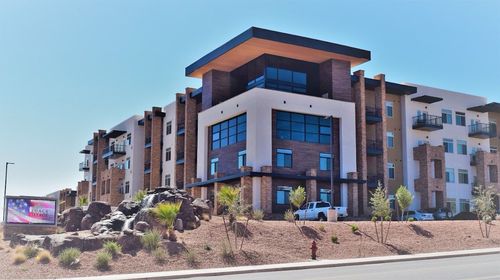
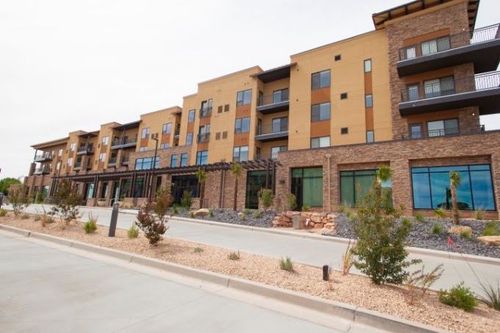
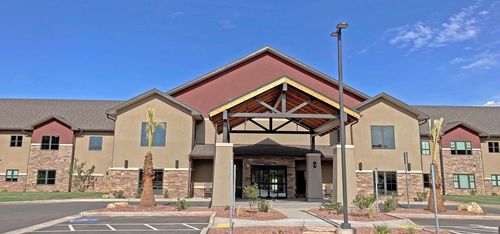
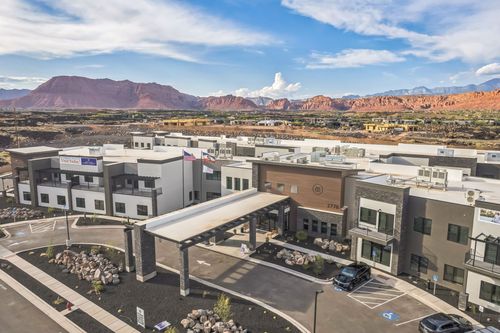
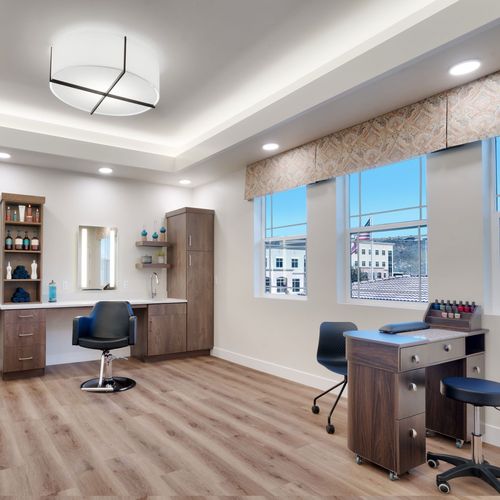

Independent living is the move families in {{countyName}} make while a parent is still active and still driving, and the red-rock corner of Utah gives them a reason to make it here rather than anywhere else. The county's 6 independent living communities all sit inside the St. George metro: Primrose and Ovation Sienna Hills in the city of Washington just off Interstate 15, Legacy Village of St. George and The Abbington a few minutes south in St. George proper, Haven at Sky Mountain about twenty minutes east in Hurricane toward Zion, and Snow Canyon Retirement Community on the west side in Santa Clara. These are larger amenity-rich buildings rather than small homes, which fits what independent living is for: a private apartment, full dining, and a busy calendar, with the cooking, cleaning, and yard work handed off.
More than one in five {{countyName}} residents is now 65 or older, a share well above the rest of Utah, and most of them arrived on purpose. Retirees from California, Nevada, and colder states have been moving to the St. George area for the mild winters and dry air for decades, often settling first into a house with a pool and a view before deciding the upkeep is no longer worth it. That is the independent living trigger here. It is rarely a health scare and more often a parent who wants the lifestyle without the chores, frequently years before any hands-on care enters the picture.
What Resort-Style Living Looks Like in the St. George Desert
Life in a St. George area independent living community looks like an apartment with the work taken off your plate. The monthly fee covers the unit, prepared meals, housekeeping, building maintenance, scheduled activities, and usually transportation, which leaves a resident free to golf, garden in a raised bed, or drive to a grandchild's recital without a house weighing on them. It does not include help with bathing, dressing, or medication. That hands-on level is assisted living, and several of these communities offer it in a separate part of the campus for the day it is needed.
The pools, fitness rooms, and social spaces are where the desert buildings compete. A community like Snow Canyon in Santa Clara or Ovation Sienna Hills in Washington leans on pools, fitness rooms, and full activity calendars built around an active retiree who came here to stay outdoors year-round. Because every option sits within about twenty minutes of Intermountain St. George Regional Hospital, a resident keeps the same doctors and short drives they had before the move.
Why St. George Independent Living Prices Above the Rest of Utah
Independent living across {{countyName}} runs roughly $3,500 to $4,800 a month, with most communities landing near $4,800. That is higher than independent living in much of Utah, and the reason is the product: these are active-adult buildings with full services, resort-style dining and grounds rather than basic apartments. The lower end reflects a smaller floor plan and a leaner service package, while the top of the range buys larger units and fuller on-site features. The figure covers housing, meals, housekeeping, and activities, never personal or medical care.
Families pay that cost privately, because Medicaid does not fund independent living anywhere in Utah, including Washington County, since it is housing with services rather than a care setting. Families most often draw on retirement income, savings, the sale of a home, and sometimes long-term care insurance or veterans benefits to offset the monthly fee.
A County Aging on Purpose, and What It Does to Availability
Few counties in the country are aging as deliberately as this one. Washington County is among the fastest-growing retirement destinations in the nation, and the steady arrival of out-of-state retirees keeps the senior population climbing, which is why amenity-rich independent living keeps rising along the corridors out of St. George. Demand also runs on a seasonal cycle, because snowbirds who winter in the area swell the population from fall through spring, and the more sought-after St. George and Washington communities can carry wait lists during those months.
Newer construction tends to open with near-term availability, so an apartment that is full in February may free up by summer. The practical effect for families is that timing and knowing where the openings are matter as much as the building itself.
Why Families Choose Independent Living in Washington County
Most families who pick the St. George area do it for a life that still happens outdoors. Mild winters and dry air let residents stay active year-round, and proximity to Zion, Snow Canyon State Park, and the golf courses around St. George gives out-of-state children a reason to visit that feels like more than a duty trip. Many of these families moved a parent to the desert years ago, so independent living is about keeping that parent in the place they already chose rather than uprooting them again.
Staying in the county also keeps a resident inside one familiar medical network. Intermountain St. George Regional Hospital anchors care for the whole area, so a future step up to assisted living or a hospital visit never means leaving the region or the doctors a family already trusts.
What a Local Advisor Brings to Washington County
In a market this seasonal, the hardest part is knowing which community has an apartment open the month a family is ready rather than next winter. A local advisor tracks current availability across the St. George, Washington, Hurricane, and Santa Clara communities, knows which ones connect to assisted living on the same campus so a later move does not mean starting over, and can match a budget to the right floor plan before anyone drives out. For an out-of-state family, that local read turns a long-distance search into a short list worth flying in to see.
Reach out and we will help you sort the options, or browse the communities we have vetted across the St. George area.