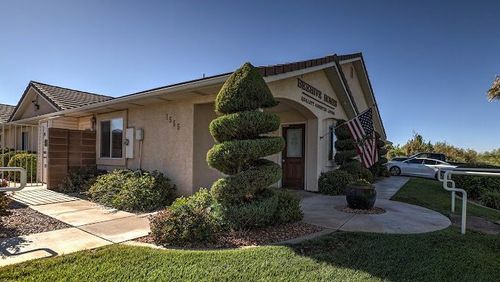
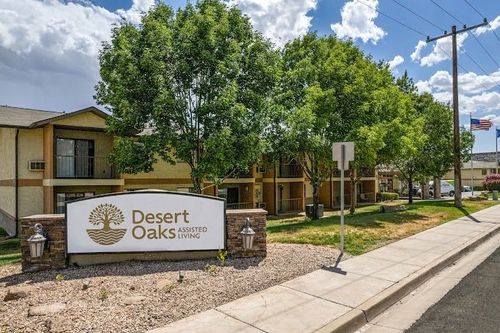
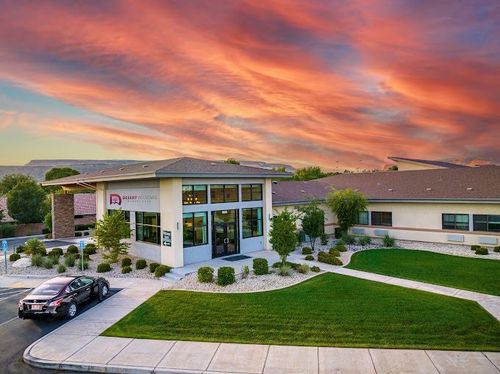

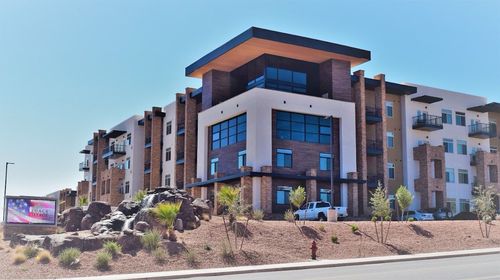
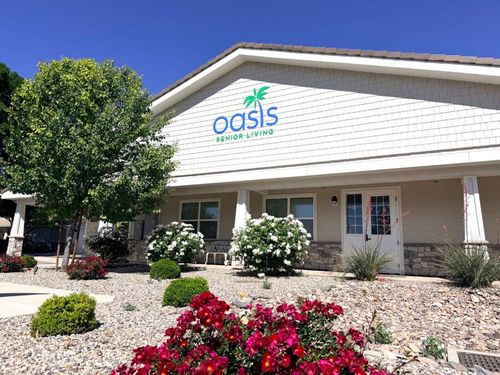
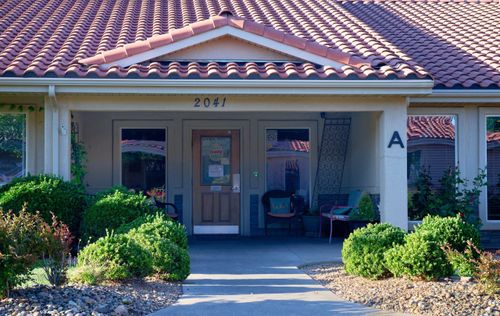
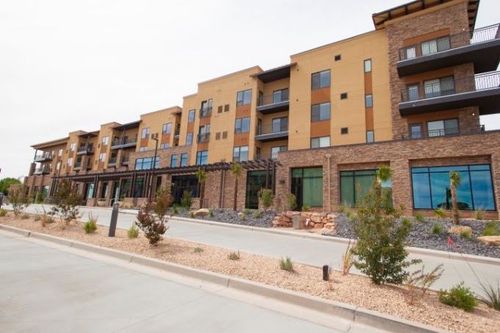
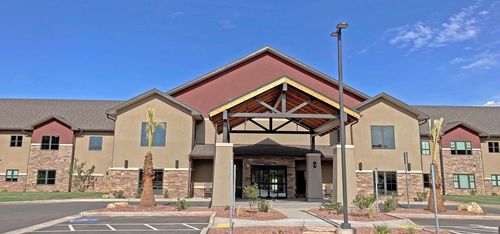




A memory care search in {{countyName}} almost always begins with a diagnosis and a safety worry, not a desire for amenities. A parent has wandered out of the house, left the stove on, or grown too confused for a spouse to manage alone, and the family needs a secured setting with staff trained for Alzheimer's and dementia. The county's 19 memory care options are spread across the St. George metro and come in two shapes. There are secured neighborhoods inside larger communities, such as Legacy Village of St. George, Spring Gardens, Sterling Court, and Desert Oaks in St. George, and there are small dedicated dementia homes like Beehive Homes of St. George, Desert Willows Memory Care, and the Oasis Senior Living residences in St. George and Hurricane. The city of Washington adds Autumn Park, Primrose, and Ovation Sienna Hills, and Santa Clara holds Snow Canyon on the west side.
Because the risk of dementia climbs steeply with age, a county where more than 22 percent of residents are over 65 carries proportionally more families facing this exact search, which is why nearly every senior community in the St. George area now runs a memory care neighborhood. The choice for a family is less about whether a town has options and more about which secured setting fits a particular stage of the disease.
How a Secured St. George Neighborhood Differs From a Small Dementia Home
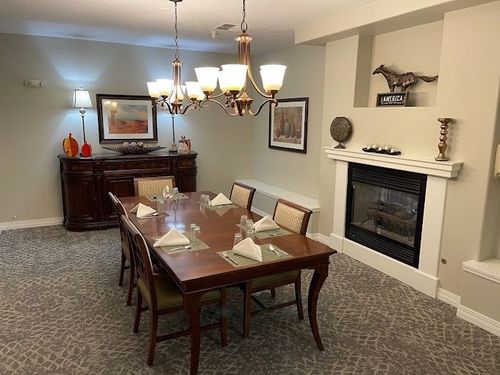
What sets memory care apart from the rest of senior living is the building itself. Doors are secured against wandering, the layout is kept simple and visual so a resident can find their room, and staff are trained to redirect agitation and guide someone through bathing or dressing without a fight. Days run on a steady routine with structured activities built for shorter attention and fading recall, which lowers the anxiety that an unfamiliar place can trigger.
The setting shapes the feel of that care. A secured neighborhood inside a larger St. George community puts memory care a hallway away from assisted living, which helps a couple stay close as one spouse declines. A small dementia home in Hurricane or St. George trades the larger campus for a quieter house and a higher staff-to-resident ratio, which suits a resident who is overwhelmed by a big building. Every option sits within about twenty minutes of Intermountain St. George Regional Hospital, so a medical need never means a long drive.
What Memory Care Costs in the St. George Area, and How the Waiver Helps
Memory care in {{countyName}} generally runs from about $6,000 to $6,200 a month, above the county's assisted living rates because the secured setting and the added staffing carry a premium. The lower end covers the smaller dementia homes and value-priced buildings, while the larger St. George communities with full memory care neighborhoods reach the top. What a family pays tracks the stage of the disease and the level of supervision needed far more than which town the building sits in.
Utah's Medicaid program, through the New Choices Waiver, can help cover the care portion of memory care for residents who qualify financially and medically, though it pays for services rather than the full room-and-board cost, and not every community participates. Waiver-friendly memory care openings in the St. George area are limited at any moment, so knowing where the secured rooms actually are is often the difference between a quick move and a long wait.
Why Dementia Demand Rises With the County's Aging Retirees
Washington County's pull on retirees runs deeper than any other force shaping its senior care. Decades of arrivals from California, Nevada, and colder states have built one of the country's fastest-growing older populations, and as that group ages in place, dementia diagnoses rise with it. That demand is why purpose-built memory care keeps opening across the St. George area, and why the better-regarded secured neighborhoods stay close to full.
Demand runs seasonal on top of that. Snowbirds who winter in the area swell the population from fall through spring, and the popular St. George and Washington memory care neighborhoods can carry wait lists in those months. The smaller dementia homes in the outlying towns more often have nearer-term room, so availability is rarely all-or-nothing.
Why Families Choose Memory Care in Washington County
Many of these families are scattered across other states, having moved a parent to the desert years ago, so a memory care move is about keeping that parent in the place they already chose rather than relocating them again at the most disorienting stage of life. Familiarity matters in dementia care, and staying near the same streets, weather, and medical network gives a resident continuity that an out-of-state move would erase.
Staying in the county also keeps a resident inside one hospital system. Intermountain St. George Regional Hospital anchors emergency and specialty care for the whole area, and a memory care community minutes away spares a long-distance family the worry of coordinating a crisis from afar.
What a Local Advisor Brings to Washington County
The hardest part of a memory care search is that it usually happens fast and under stress. A local advisor tracks which St. George and Washington secured neighborhoods have current openings versus a wait, knows where a small dementia home in Hurricane or St. George can deliver closer attention at a lower monthly figure than a larger building, and knows which communities accept the New Choices Waiver and have room. The advisor can also coordinate with hospital discharge planners when a memory care move follows a fall or a hospital stay, turning a frantic long-distance search into a short list worth driving out to see.
Reach out and we will help you sort the options, or browse the communities we have vetted across the St. George area.