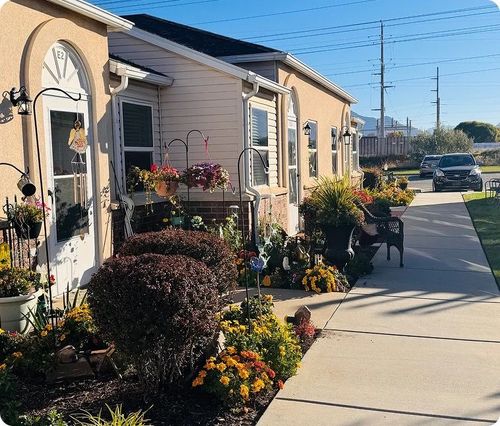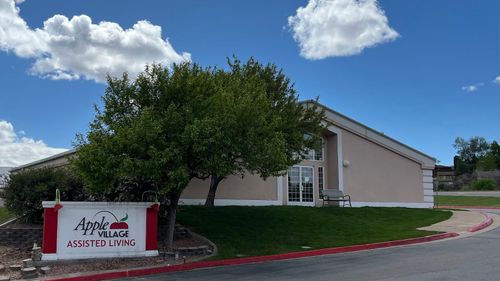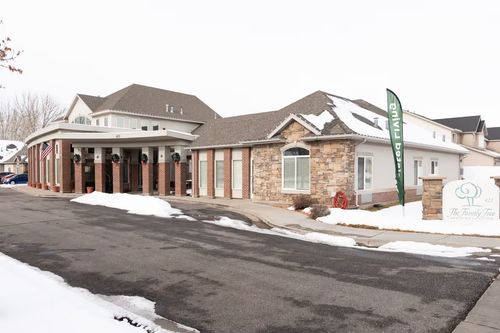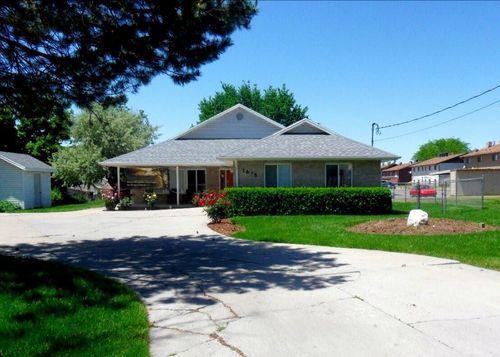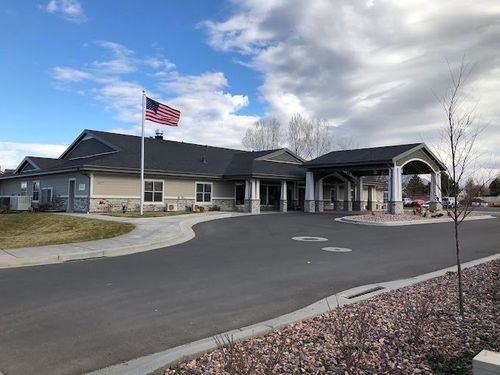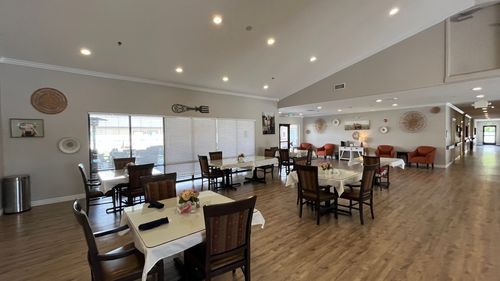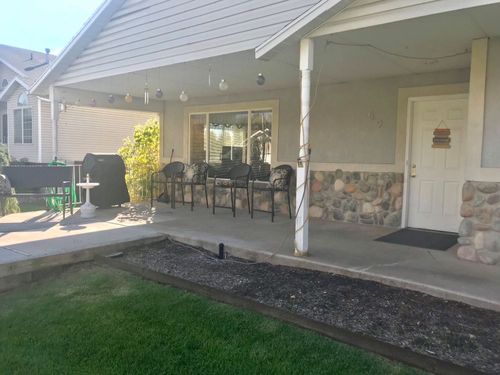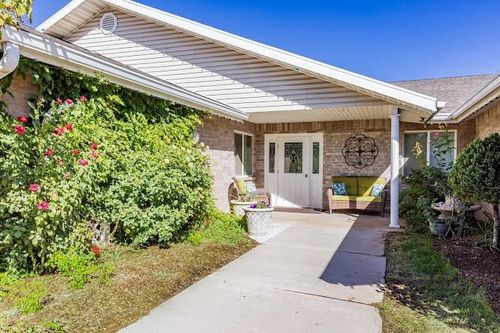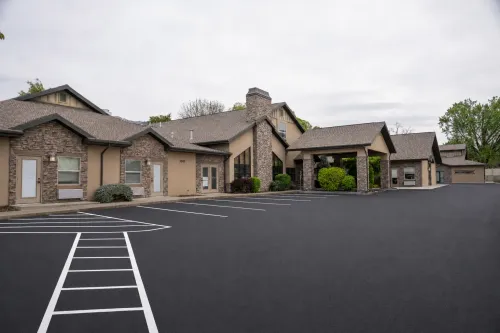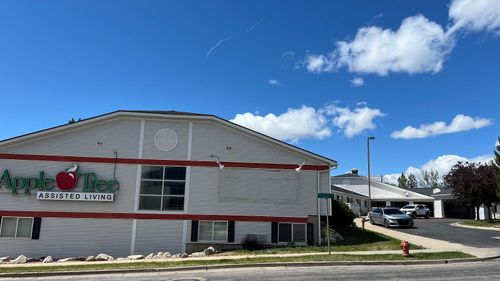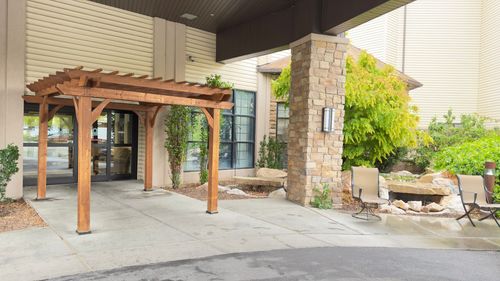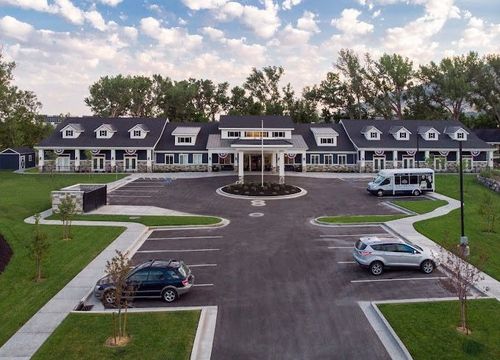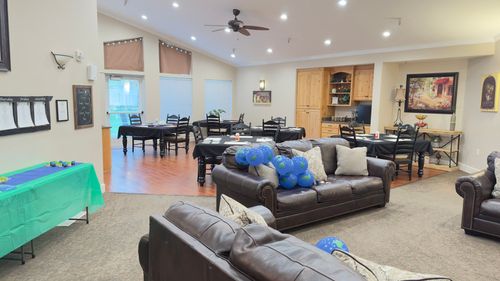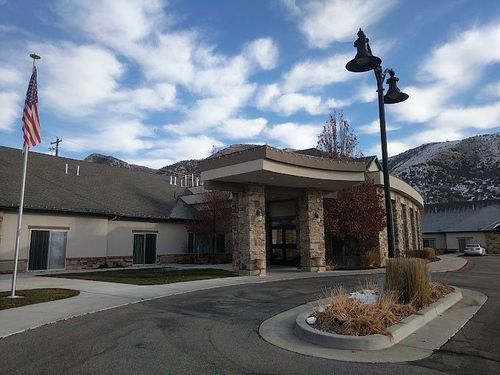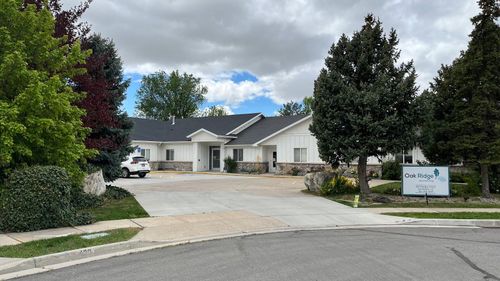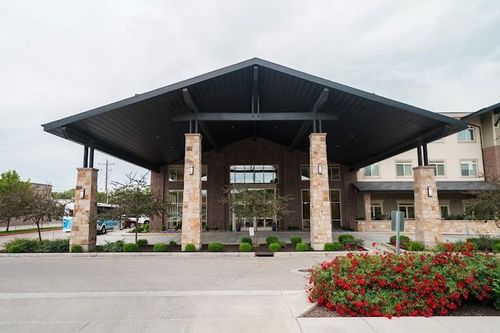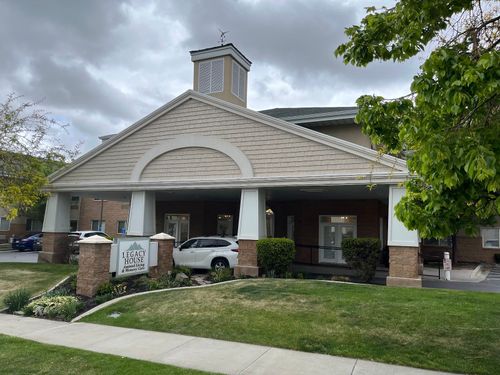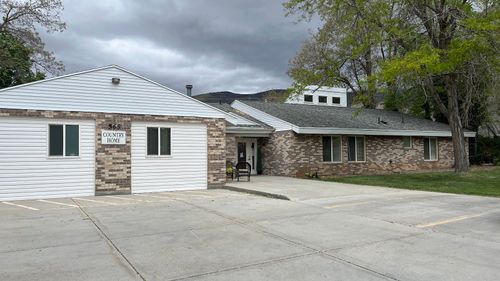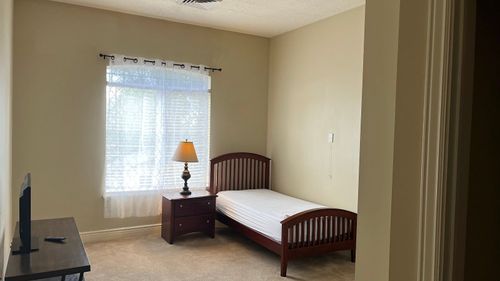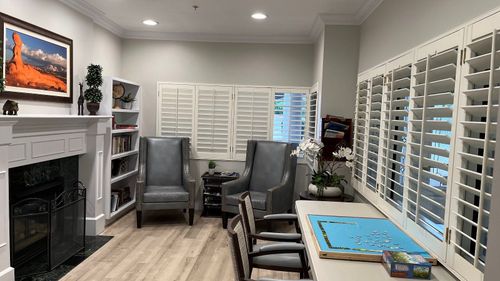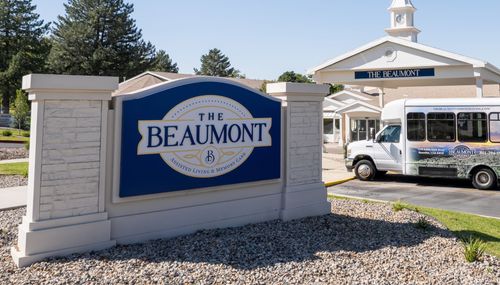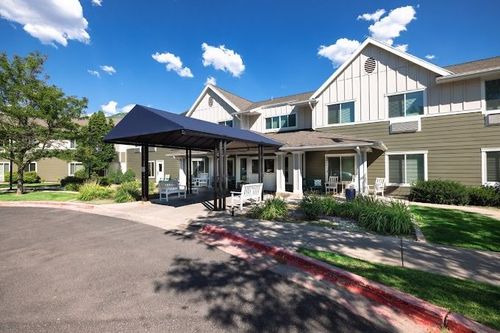
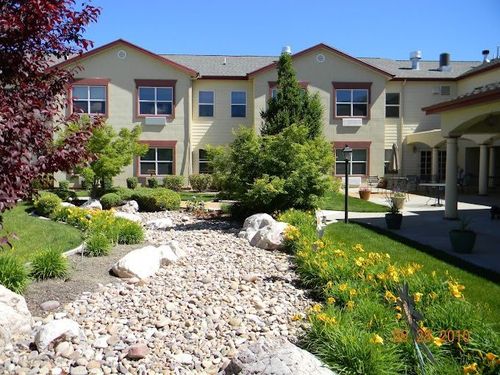


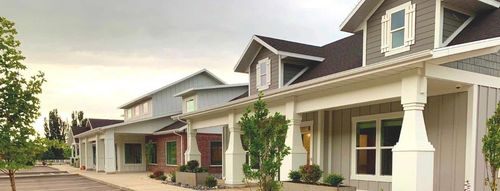

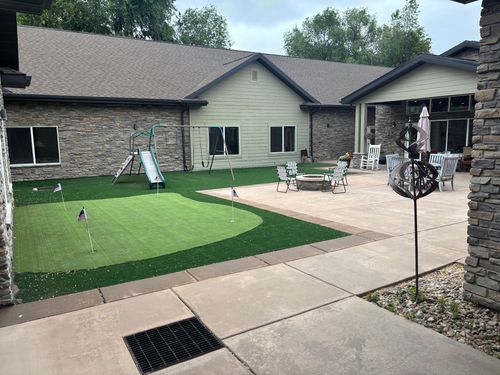
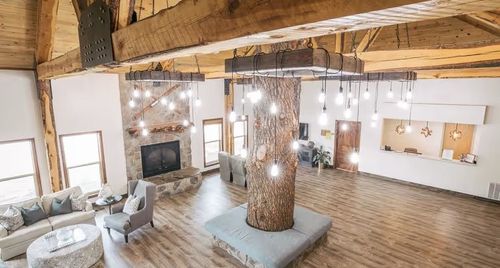
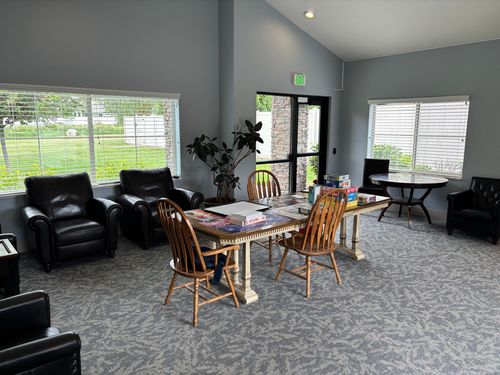
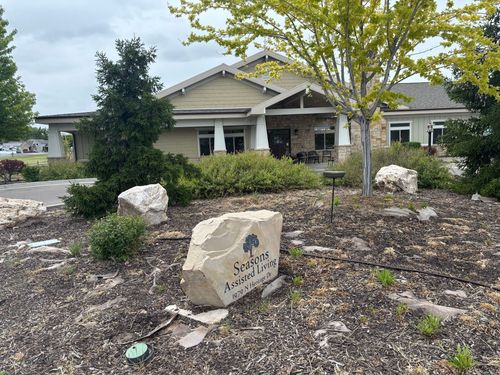
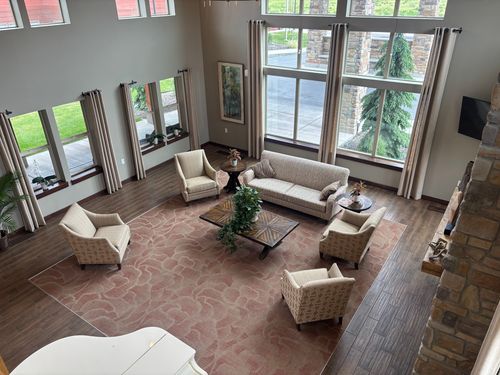

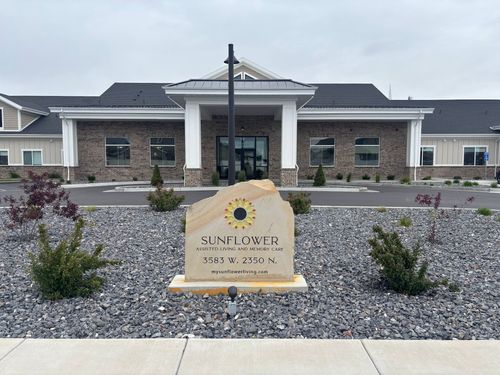
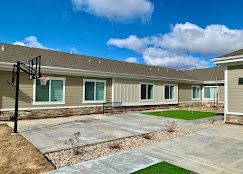

Assisted living is the deepest senior-care market in Weber County, and Ogden is its hub. Seven of the county's 17 assisted living communities sit in the city, from small homes like Celia Home to larger buildings such as Legacy House of Ogden, Gardens, and Our House, with Hidden Valley and Auberge nearby. The rest ring the county: Quail Meadows in North Ogden, Avamere at Mountain Ridge in South Ogden, Sunridge in Roy, Petersen Farms in South Weber, Seasons in Farr West, Stoney Brooke in Riverdale, Sunflower in Plain City, Haven Creek and Lotus Park in West Haven, and Pineview up in the Ogden Valley town of Eden, the one option for a family that wants a parent to stay in the mountains. The settings run from six-bed residential homes to larger purpose-built communities, so a family can match the size of the place to the person.
Weber County is home to about 276,000 people, with roughly one in eight past the age of 65, and assisted living is usually where families turn once the daily routine has become unsafe to manage alone. Bathing, dressing, and keeping medications straight take more effort, a spouse who has carried the caregiving is wearing thin, or a fall has changed the math on living independently. Assisted living fills exactly those gaps while leaving residents free to run the rest of their day.
Ogden Buildings Versus the Outlying Homes
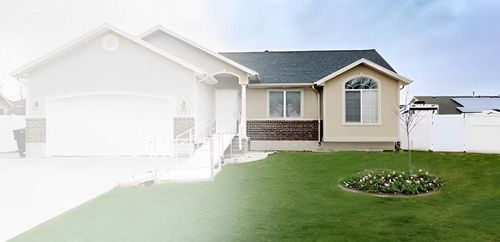
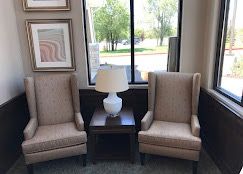
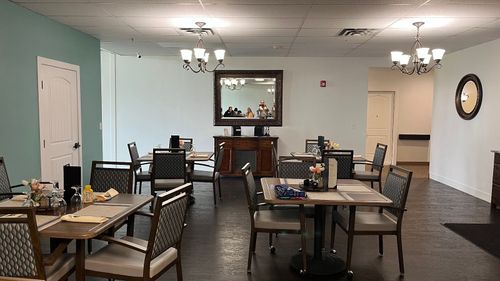
The choice that matters most here is the size of the building, because Ogden's larger communities run a full calendar of shared dining, outings, and exercise classes with several caregivers on each shift, while the small residential homes scattered through the county, like Celia Home and Stoney Brooke, keep the resident count low so the same few staff know each person by name and the days feel like a household.
What holds steady across all of them is the care: staff help with bathing, dressing, grooming, and medications and adjust that help as needs shift, with meals, housekeeping, laundry, and transportation built into the rate. Because the cities sit within about twenty minutes of one another, getting a resident to a longtime doctor or to one of the county's two hospitals stays simple no matter which town the community sits in, with the lone exception in feel being Eden, where Pineview trades quick hospital access for a quieter mountain setting.
What Assisted Living Runs Across Weber County
Assisted living across Weber County runs from about $3,800 to $5,800 a month, where the lower figures tend to come from the smaller residential homes and the west-side buildings in West Haven and the higher ones reflect the larger, more amenity-rich Ogden communities and the smaller specialty houses that staff more closely. Most communities charge a base rent and then add care in tiers on top, so two residents in the same building can pay different totals depending on how much hands-on help each needs.
Utah Medicaid does not pay the room-and-board portion of assisted living, but its New Choices Waiver can help cover the care services for eligible residents who have first lived in a Medicaid-funded nursing facility and meet the program's clinical and financial rules. A number of Weber County communities participate, but slots are limited, so the practical question is always which specific building accepts it.
Why Demand Concentrates Around Ogden
Much of Weber County's older population has aged in place in neighborhoods their families have held for decades, which concentrates demand around Ogden and its bench rather than spreading it evenly across the county, so families tend to look close to the city's familiar streets and medical district rather than move a parent to the far edges of the county.
That pattern is why the larger Ogden communities fill first and can run a wait list while openings turn up more readily in West Haven, Roy, Plain City, or one of the smaller residential homes, so a family that needs a bed quickly is often better served casting a wider net across the county than waiting on a single Ogden building.
Two Hospital Systems and Generations of Family Nearby
The county's two hospital systems keep serious care close, with McKay-Dee Hospital in Ogden serving as the Level II trauma center for northern Utah and running a well-regarded heart program, and Ogden Regional Medical Center adding cardiovascular, orthopedic, and behavioral health services. Most assisted living communities sit within a short drive of one of the two, which matters when a resident needs an emergency visit and a family member needs to get there fast.
Family proximity is the other draw, because so many Weber County families have stayed in the same area for generations that keeping a parent in assisted living a few minutes away lets grandchildren keep visiting and weekly routines continue with only a small adjustment. Many communities also pair assisted living with memory care, so a resident whose needs deepen can move to a secured setting without leaving the building.
How an Advisor Casts a Wider Net Than One Ogden Building
With communities spread from downtown Ogden to the outlying towns and one up in the Ogden Valley, the field narrows to the few that fit a family's budget, preferred town, and care needs, sorting large communities from small residential homes along the way. That means knowing which buildings actually have a bed open this month rather than a wait list and which accept the New Choices Waiver.
When a move follows a hospital stay, coordinating with discharge planners at McKay-Dee and Ogden Regional and keeping the family, the hospital, and admissions on one thread keeps a placement from slipping inside a tight discharge window.
Reach out for free, personal guidance, or browse the communities we have vetted to start comparing assisted living across Weber County.