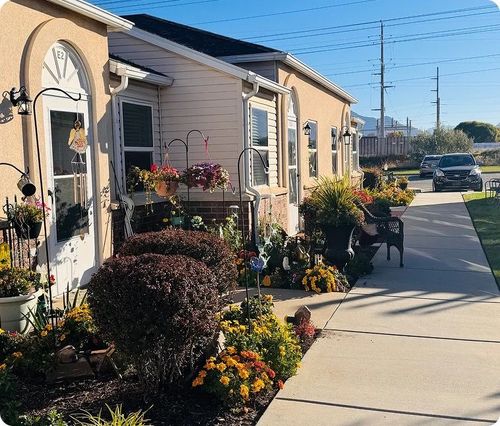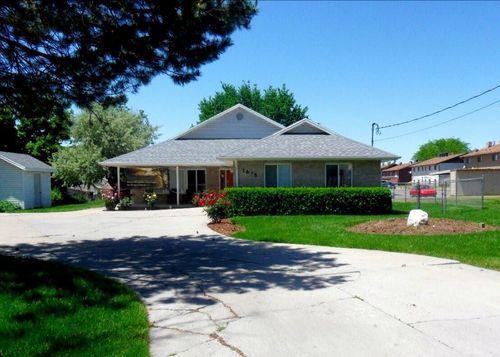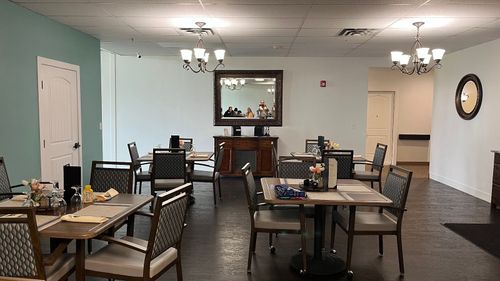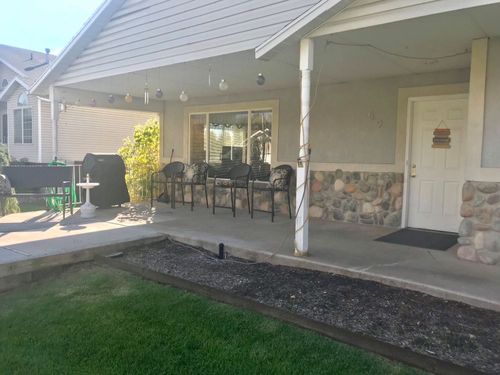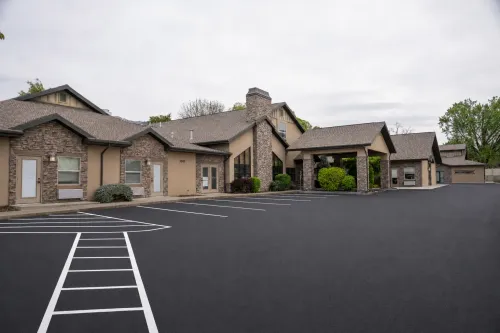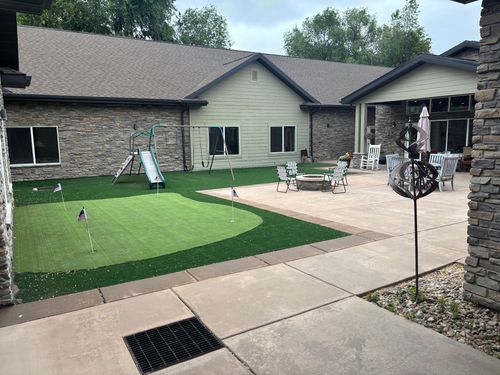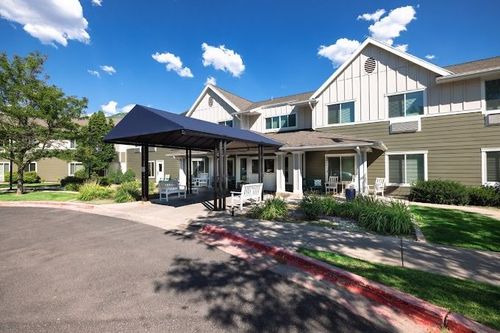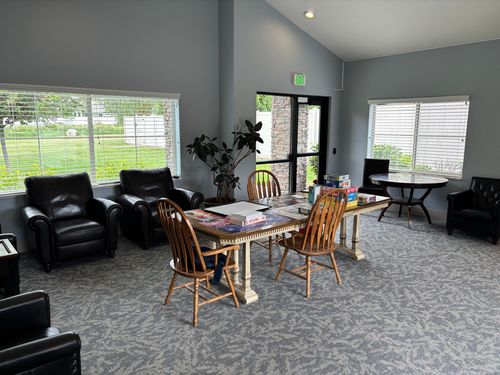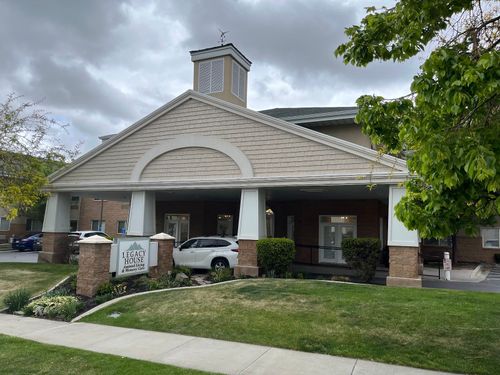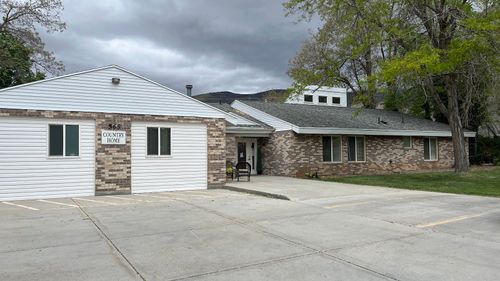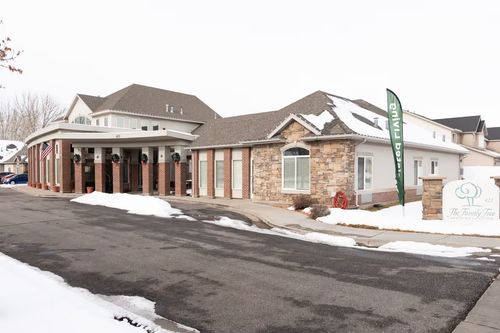

West Point is the smallest of Davis County's northwest cities, a former farm town of about 14,000 still ringed by open fields, and its Medicaid-accepting senior living matches that scale: a single small home, Family Tree of West Point on 3150 West, where assisted living and memory care happen with fewer than 40 residents under one roof.
A West Point family usually comes to Medicaid the way smaller towns tend to, quietly and a little later, when a resident's care needs have outgrown what relatives nearby can manage and the private-pay bills have started to bite. Utah's New Choices Waiver is what can pick up those care costs at a home like Family Tree once a resident qualifies, keeping a longtime resident in the same rural corner rather than searching out of town for a covered bed.
40 Beds, Two Care Levels, and What the Waiver Funds
Family Tree runs small, under 40 beds, which puts the daily care at the scale of a household rather than a campus. Assisted living here means hands-on help with the ordinary things that get harder, bathing, dressing, medications, and meals, delivered by a staff that knows every resident by name in a building this size; the memory care side adds a secured, quieter setting for residents living with dementia. The home also keeps a few rooms for short-term respite stays, though the Medicaid question centers on the long-term assisted-living and memory-care residents. Utah channels Medicaid into both care levels through the New Choices Waiver, for a resident whose care has reached a nursing-home level.
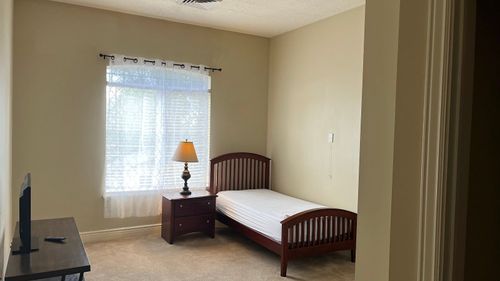
In a home this small, waiver funding works the way it does anywhere, but the trade-offs feel more personal. Medicaid pays for the care, the hands-on part, and the waiver does not cover room and board, so the resident keeps paying that housing-and-meals share from monthly income. At Family Tree, a waiver-funded resident usually shares a room to keep that housing cost manageable. What a small home gives in return is attention, fewer residents per caregiver and a staff that catches a change in someone quickly, which is part of why families choose a place this size in the first place.
What Family Tree Costs and the Share Medicaid Takes On
Family Tree lists a starting rate around $4,400 a month for assisted living, and as the city's one Medicaid-accepting home that figure sets the West Point market rather than a teaser rate, since small homes often fold care and housing into one bundled rate instead of itemizing them, and memory care or heavier needs push the figure up. That number lands roughly in line with Utah's assisted-living norm, which recent cost surveys place in the mid-range for the state, a good deal below the national figure.
Once a resident qualifies, the waiver picks up the care portion of that bundled cost, and the resident keeps paying the room-and-board portion from monthly income; at a home that bundles its rate, that single number still splits into a care portion the waiver can reach and a room-and-board portion the resident pays. The 2026 eligibility limits set a monthly income cap and a countable-asset cap for a single applicant, with Utah examining 5 years of transfers. Skilled nursing, a different need, is paid through traditional Medicaid, room and board included. Independent living draws no Medicaid help, which never comes up at Family Tree, since the home offers only assisted living and memory care.
A Small Town's Smaller Pool of Waiver Beds
West Point is small and young, near 14,000 residents with only about one in twelve past 65, close to a thousand older adults. Senior demand here is modest by simple arithmetic, and the city's Medicaid-accepting care is a single small home, so the waiver-funded rooms number in the handful. The New Choices Waiver is capped statewide, which means a qualified resident is not assured an open room at Family Tree the week one is needed. In a town with one small home, the practical task is staying close to that home's openings and being ready to move when one comes up.
What Keeps a Family Choosing West Point
For a West Point family, the reason to keep a Medicaid move in town often comes down to scale matching scale. Someone who has spent decades in this rural corner, often on land that used to be farmed, tends to do better in a small home where the staff learns the person than in a large building across the county. Family Tree offers that, a few minutes from the same fields, neighbors, and congregation a resident already knows. There is also the plain matter of visiting: in a small town family is usually close, and a home on 3150 West keeps a resident within an easy drop-in rather than a planned trip. When the money is already tight, holding onto those everyday, no-cost connections matters as much as anything on the care plan.
How an Advisor Times a Family Tree Move
A McKay-Dee Hospital or Holy Cross Hospital - Davis discharge often drives the West Point timeline, since a New Choices approval can run weeks while a hospital bed clears in a day or two. Working both at once at Family Tree is the job: whether a waiver-funded room is open in either care level, and if not, how long the wait runs. Because the home is small, a single opening matters a great deal, so the advisor watches Family Tree closely and helps a family be ready to act the moment a room frees up rather than learning about it late.
Because the home is small, a single opening matters a great deal, so an advisor watches Family Tree closely and can set up a short private-pay start if the room and the approval do not line up in time. Our West Point listings grow as we keep vetting communities through 2026. Talk with an advisor about Medicaid-funded care in West Point, or see the homes we've reviewed at your own pace.