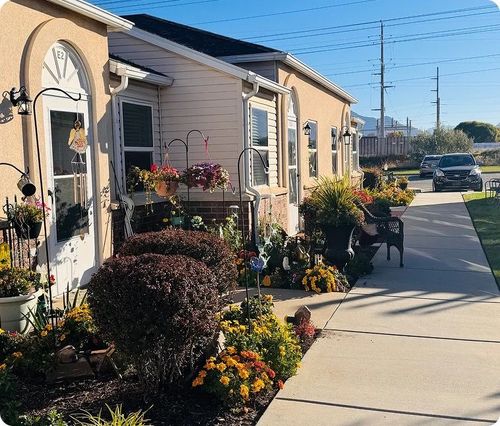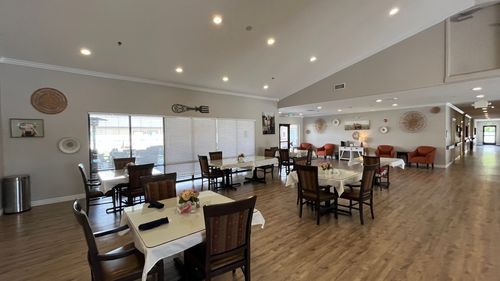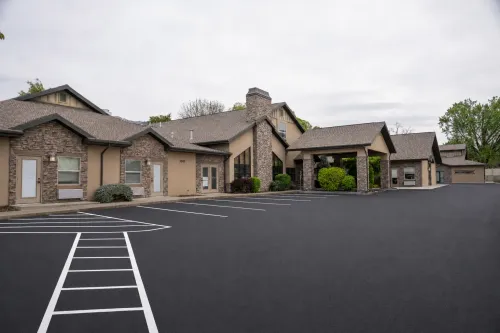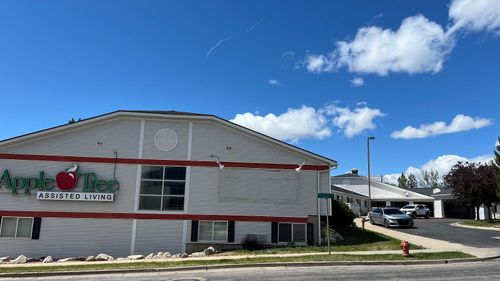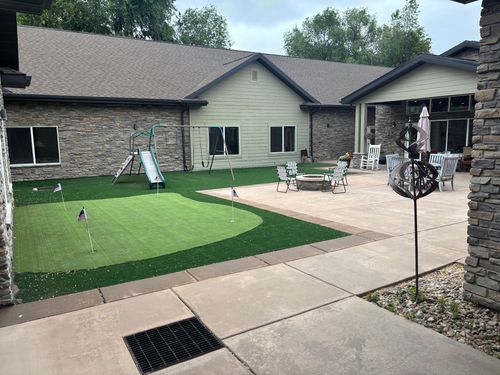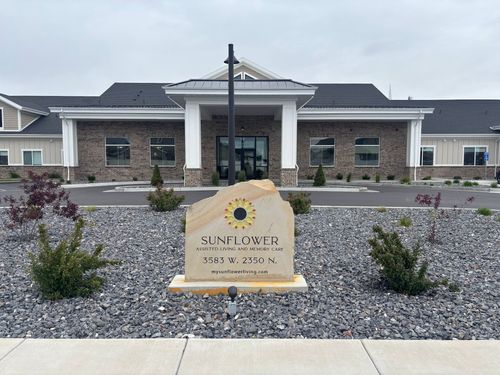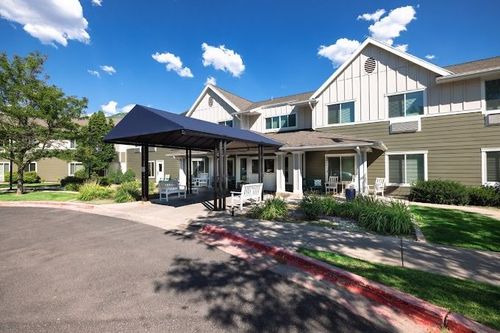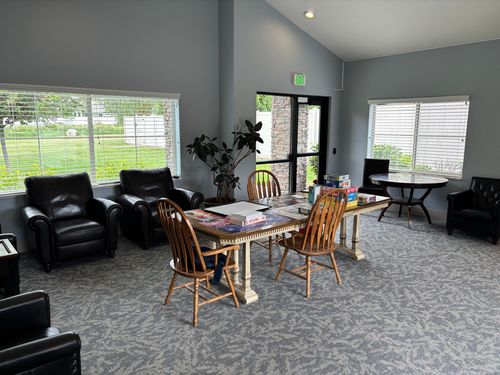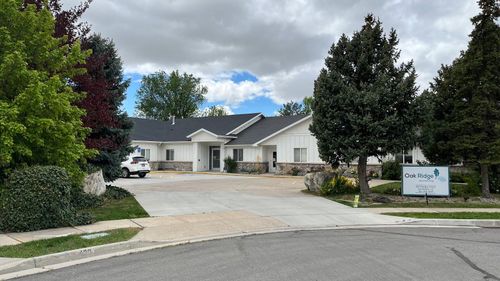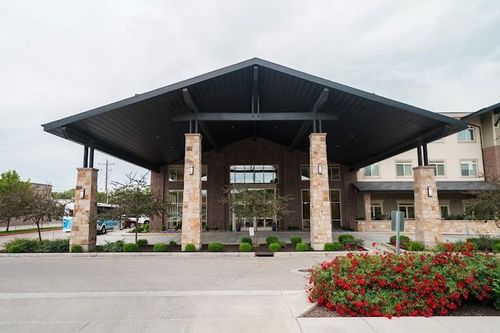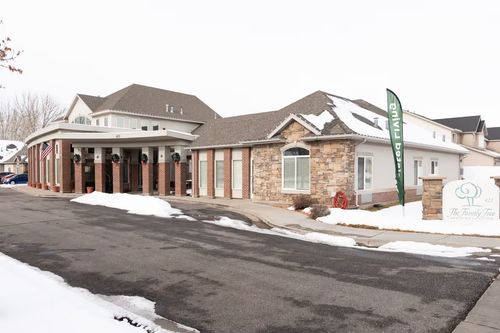

A dog in West Point has room most suburbs cannot offer: quiet field roads, open ground, and 3 city parks that take a leashed pet, in a town still half rural at the edges. Senior living here is just as compact, a single community, Family Tree of West Point on 3150 West, which welcomes a resident's dog or cat and stands as the city's 1 pet-friendly address.
Family Tree offers assisted living, memory care, and short respite stays, and a West Point family rarely begins this search wondering whether a pet is allowed at all. With one community in town, the real question is whether Family Tree fits the resident and that specific animal, and what its size limit and deposit run to. For someone whose mornings have always centered on letting a dog out across the yard, that fit matters as much as the care itself.
Family Tree's Welcome, and Where It Has Limits
Family Tree welcomes a resident's dog or cat, and the deciding factor is usually the animal, not the application. A cat or a smaller dog is the easy yes, while a bigger or livelier dog gets a closer look, measured against the apartment and the home's insurance. Its weight cap, deposit, and any breed rule belong to Family Tree itself rather than a public listing, so a West Point family settles the specifics with the building instead of assuming a large dog walks right in.
The rest tracks what any shared West Point home expects of a pet owner. Family Tree looks for up-to-date shots and a dog that holds its manners around other residents, and the resident is the one who feeds, walks, and cleans up after the animal, with a named backup lined up to take over if a hospital stay comes. The memory-care side calls for a frank question up front, because a secured dementia setting tends to allow fewer animals than the regular apartments do, and a resident for whom seeing to a pet's needs has become too much may not be cleared to keep one close. Whether a cat or dog can move onto Family Tree's memory-care side is the home's decision, not a promise the search can make in advance.
The Family Tree Rate, and a Pet's Added Cost
At Family Tree, a month of assisted living starts near $4,400, which falls inside the from $4,400/mo band that Davis County assisted living tends to occupy, with memory care set higher for the closer supervision a secured wing calls for. The quote a family receives turns on the apartment and the care a resident needs, and the animal does not move that number.
What the pet does add at Family Tree is two modest items. Count on an entry pet deposit in the low-to-mid hundreds of dollars, occasionally part refundable, and a small monthly pet charge toward the added upkeep a shared home carries. Family Tree quotes both directly, since a posted rate rarely itemizes them. A service animal is the exception that pays neither: under federal housing law a trained service dog is treated as working equipment rather than a pet, so no deposit or pet fee attaches, a clarity worth putting on the table when the lease is drawn.
Room to Walk in a Town This Small
West Point is small, and its senior count shows it: roughly 9.5 percent of residents are past 65, on the order of 1,150 people, of whom perhaps 530 keep a dog or cat if national pet-ownership rates hold. For a town with one pet-welcoming community, that makes an early call to Family Tree about openings worth the trouble. What West Point lacks in inventory it returns in walking room, with low-traffic field roads, Bingham Memorial Park, and Loy F. Blake Park all close enough for a daily leashed loop, and the flat ground forgiving for an older dog and a slower owner.
Why Staying in West Point Suits a Dog and Its Owner
Keeping the move local in West Point lets a resident hold onto both the home ground and the animal that gives the day its shape. The city's parks take a leashed dog, the field roads stay quiet enough for an unhurried walk, and the wider Great Salt Lake shoreline sits just west, though the Shorelands Preserve itself asks visitors to leave pets at home to protect its birds. A round-the-clock animal hospital is about 15 minutes off in Layton, with everyday vet care and pet supplies on that same drive, which reassures an owner who has eased off long trips. Studies of healthy aging keep finding that older adults who hold onto a pet stay more engaged and more connected, and that, as much as any feature of a building, is why a West Point family carries the animal into the plan rather than leaving it out.
How an Advisor Vets Family Tree for a Pet
When a single community holds the entire search, the advisor's worth in West Point is knowing Family Tree in detail before a family gives up a morning to tour it. The advisor checks whether it has the right apartment open, the true size limit and deposit it keeps off its listings, and the memory-care question of whether a resident who moves to the secured wing keeps the pet at all. A page can read more settled than the policy really is, and a fresh read spares a pointless drive.
The advisor also sets up the backup-care plan a family tends to put off until a hospital stay forces the issue, and reads the service-dog and support-animal rules as current Fair Housing law actually stands rather than as folklore has it. Talk it over for a plain read on pet-friendly senior living in West Point, or browse the community listed here when the time feels right.