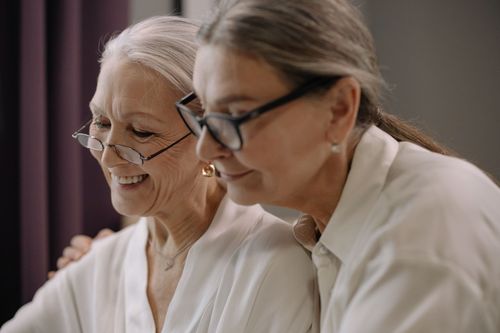
When a husband or wife moves to assisted living after decades together, the spouse left at home faces a grief few people talk about: mourning a partner who is still alive. Coping when a spouse moves to assisted living means allowing yourself to grieve a real loss, releasing the guilt that the move was a failure, finding new ways to stay connected, and rebuilding your own routines and support, because this is a profound change even when it is the right choice. The pain is real, but so is the path through it.
The Grief of a Spouse Moving to Care
The feelings that follow a spouse's move are often more intense than people expect, and naming them helps. This is a genuine loss, even though a partner is still alive.
Many spouses describe a deep loneliness despite still being married, along with the strange weight of making every decision alone after a lifetime of sharing them. Researchers call this kind of experience ambiguous loss, grieving someone who is present yet changed, and it can bring shock, sadness, and exhaustion in waves.
Recognizing this as real grief, not weakness or overreaction, is the first step. A spouse has every right to mourn the daily companionship that has changed, and acknowledging that openly makes it easier to bear.
Letting Go of the Guilt
Guilt is one of the heaviest emotions in this transition, and it deserves direct attention. Many spouses feel they have broken a promise.
The phrase "in sickness and in health" echoes painfully for spouses who feel they have failed their partner by no longer providing care themselves. But the truth is the opposite. Choosing assisted living when a partner's needs exceed what one person can safely provide is an act of love and good judgment, not a betrayal. Continuing to care alone past the point of safety helps no one and risks both partners' wellbeing.
Reframing the move as ensuring a spouse receives skilled, around-the-clock care often eases the guilt. The marriage vow is honored by making sure a partner is safe and well cared for, which is exactly what the move accomplishes. The guide to overcoming placement guilt explores this further.
Talk to a Local Advisor
Free help comparing communities and current pricing in your area. No cost, no pressure.
Staying Connected in a New Way
The relationship does not end with the move; it changes shape. Finding new ways to share time keeps the bond alive and eases the loneliness.
Regular visits, shared meals in the community dining room, holding hands, looking through photos, or simply sitting together can preserve closeness even as daily life looks different. Establishing a rhythm of visits gives both partners something to anticipate and provides structure to the spouse's week.
For partners facing dementia, connection may rely more on presence, touch, and familiar music than on conversation. The point is not to recreate the old routine but to find new moments of togetherness within the new reality.
Rebuilding Your Own Life
A spouse who has been a full-time partner, and often a caregiver, suddenly faces empty hours and a quiet home. Filling that space thoughtfully is part of healing.
Building new routines and reconnecting with friends, hobbies, faith communities, and interests helps counter the isolation that can settle in. This is not a betrayal of the marriage but a necessary part of staying healthy and whole. A spouse who tends to their own wellbeing has more to give during visits and is better able to keep advocating for their partner's care.
Because isolation carries real health risks, rebuilding a social life matters as much for the spouse at home as the care does for the one in the community, a theme the guide to combating loneliness explores.
Finding Support You Can Lean On
No one should navigate this alone, and support makes a measurable difference. Reaching out is a strength, not a weakness.
Grief counseling and support groups, often offered through senior communities, hospitals, faith organizations, and local aging services, provide a safe place to share feelings with others who understand. Talking openly with family and friends, rather than carrying the weight in silence, also lightens the load. A professional counselor can help especially when grief, guilt, or depression feel overwhelming.
Connecting with others who have walked the same path is often the most comforting support of all, since they understand a loss that is hard to explain to anyone who has not lived it.
Caring for Your Own Health
In focusing on a spouse's care, the partner at home often neglects their own, which can be dangerous. Self-care is not optional in this season.
The stress of this transition can take a real toll, so keeping up with medical appointments, eating well, sleeping, and staying active all matter more than ever. A spouse who has been caregiving may finally have room to attend to long-postponed needs of their own. Protecting one's health ensures the spouse can remain a steady presence for their partner through whatever comes next.
Letting others help, whether with errands, meals, or simply company, is part of this care rather than an imposition on them.
Prefer to talk it through? A local advisor can answer your questions and compare current pricing, free.
(385) 200-2175What to Expect Over Time
The emotions of this transition tend to follow a path, and knowing the shape of it offers reassurance. The hardest days are usually not permanent.
The early weeks: Shock, acute grief, guilt, and loneliness are common and often most intense right after the move. The middle months: New routines take hold, visits find a rhythm, and the spouse begins advocating for their partner while learning to live with the loneliness. Later on: Many spouses reach a place of acceptance and resilience, forging a new sense of identity and finding renewed ways to connect emotionally and spiritually.
Grief does not vanish on a schedule, and some days will still be hard long after the move. But for most spouses, the sharpest pain softens with time, support, and the gradual building of a new normal that still holds the marriage at its center.
When to Talk to a Local Advisor
The move of a spouse into care is one of life's hardest transitions, and a local guide can help a family navigate both the logistics and the options. A senior advisor understands how assisted living communities across Utah support couples and how to keep partners connected. For couples facing different care needs, the guide to senior living for couples is a useful companion read, and the National Institute on Aging offers guidance on coping with the changes that come with a spouse's care. Reaching out for local guidance costs nothing and can bring both practical help and comfort.
This article is informational only and is not medical or mental health advice. If grief, guilt, or depression feel overwhelming, please reach out to a qualified counselor or your doctor.