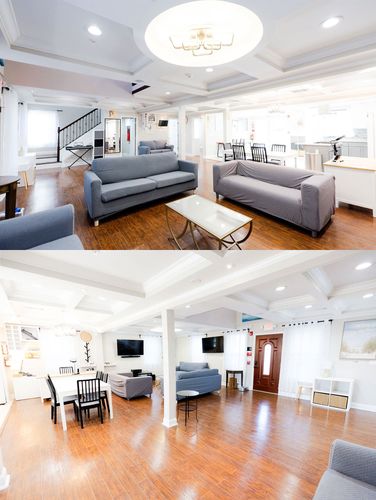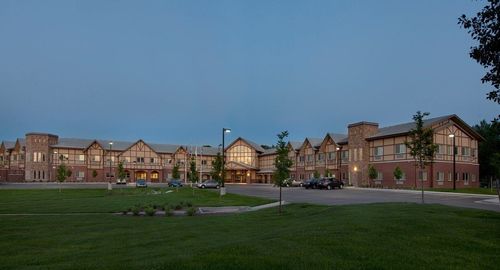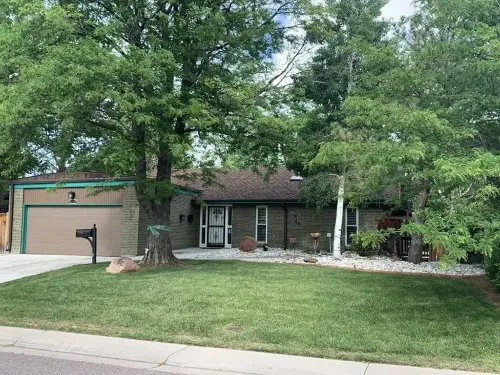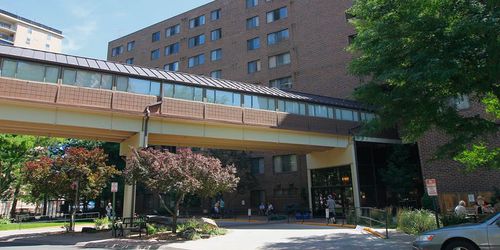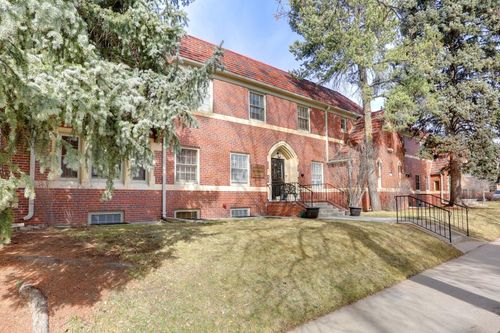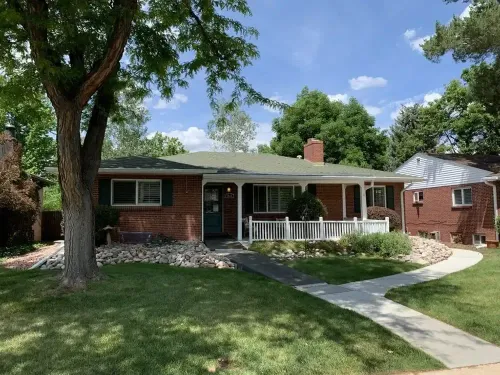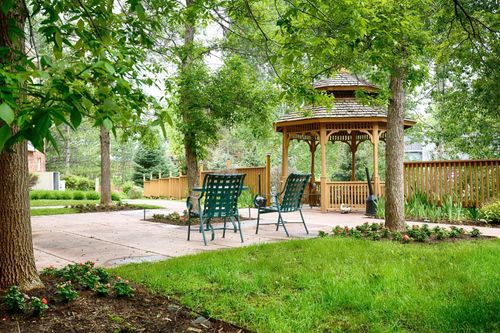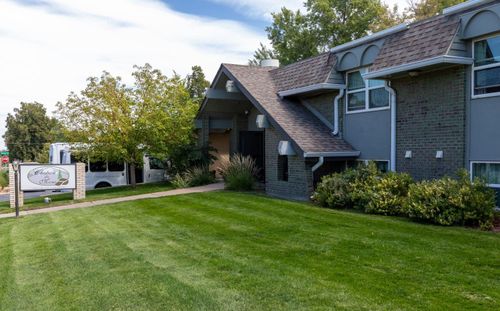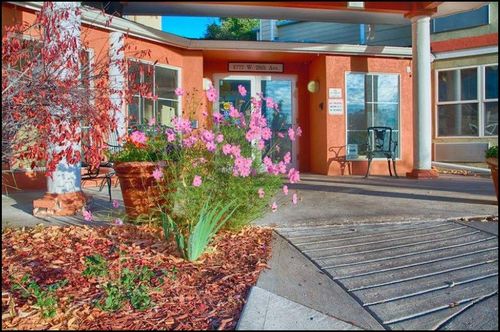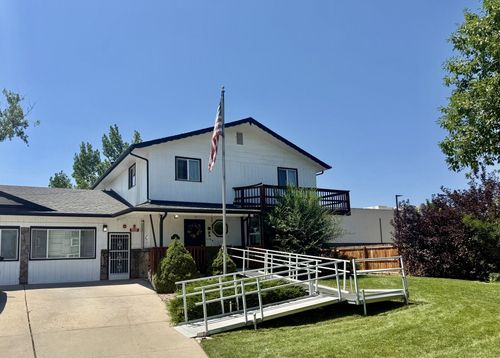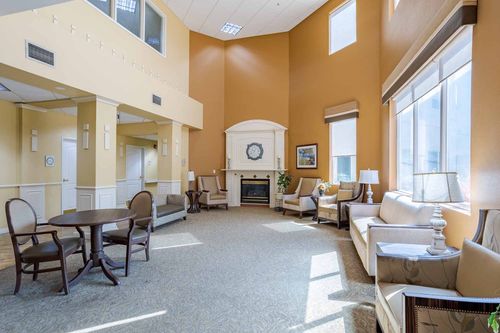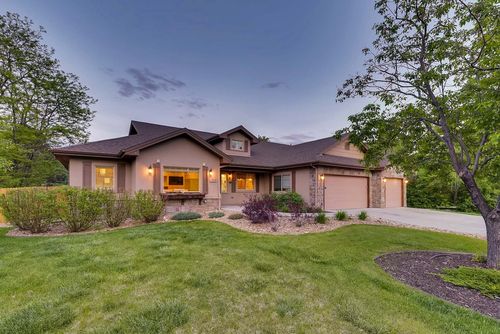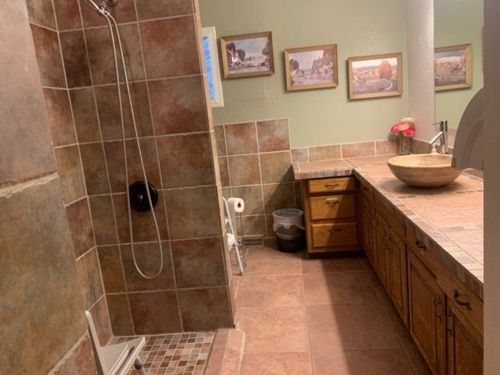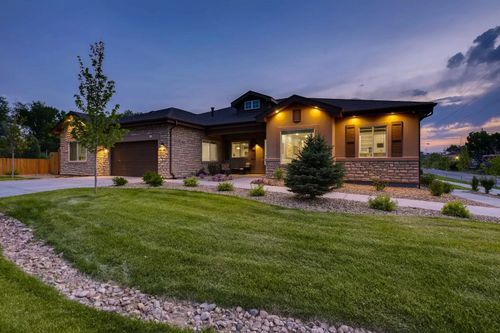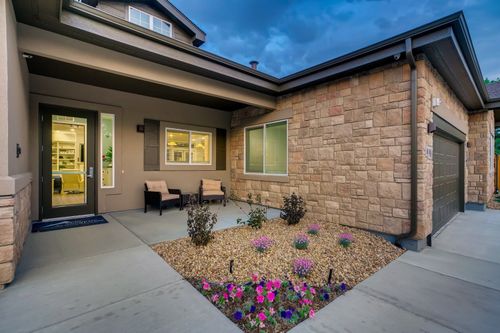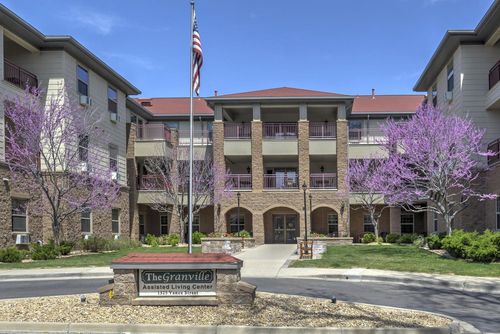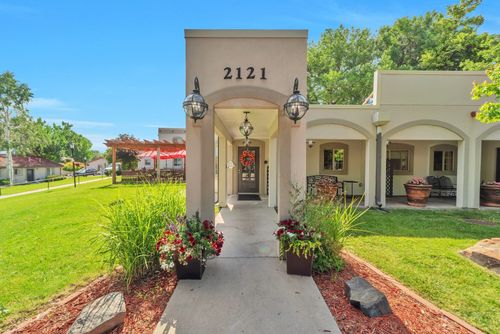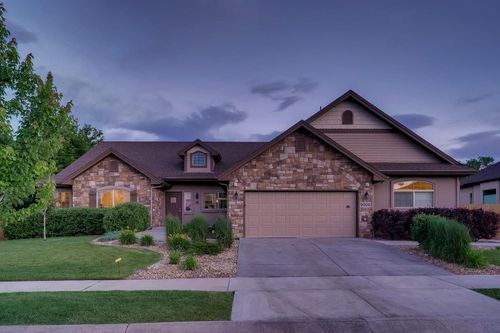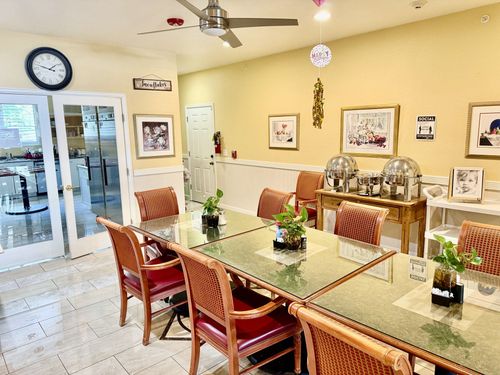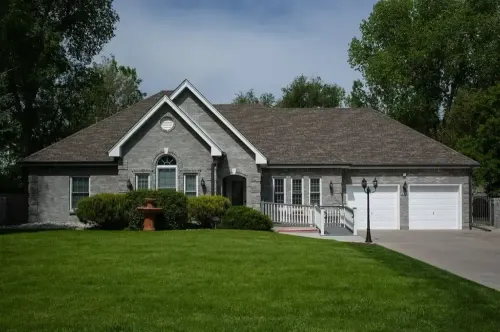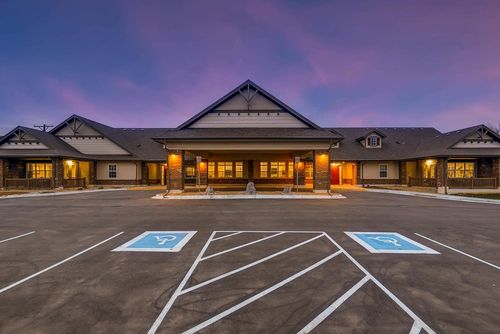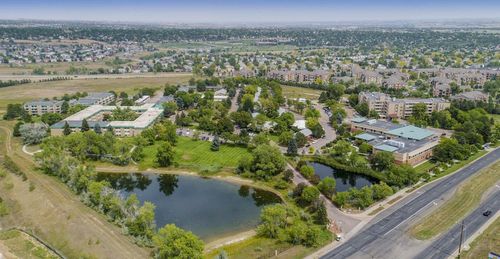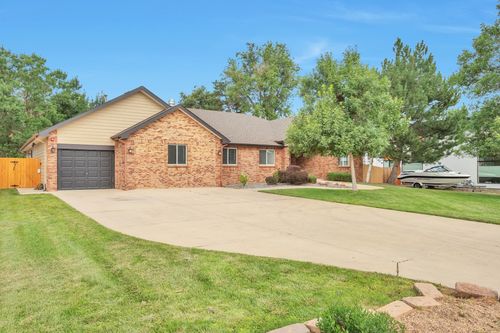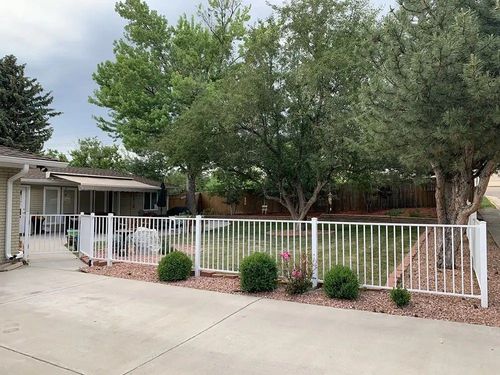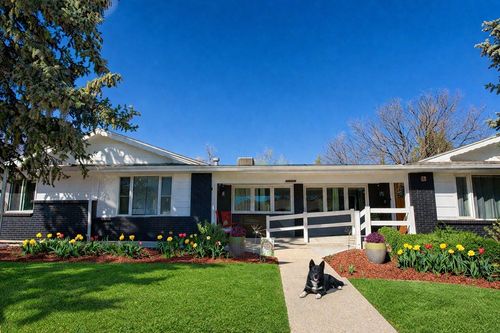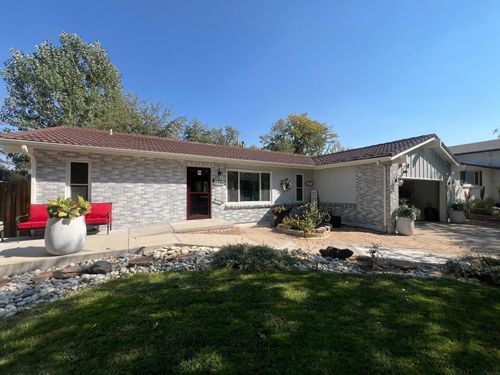
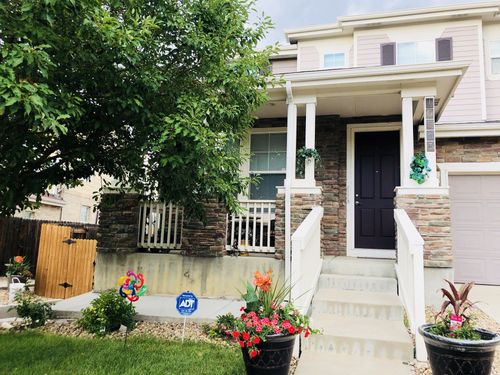
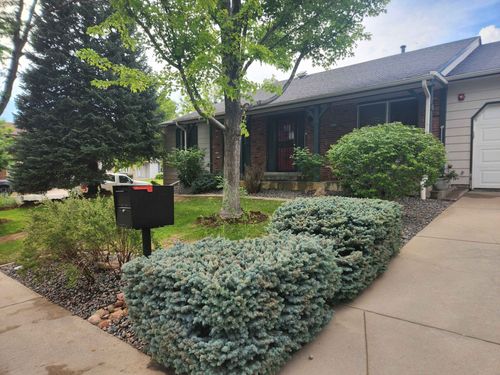

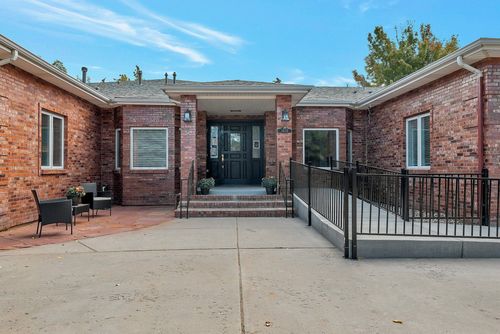
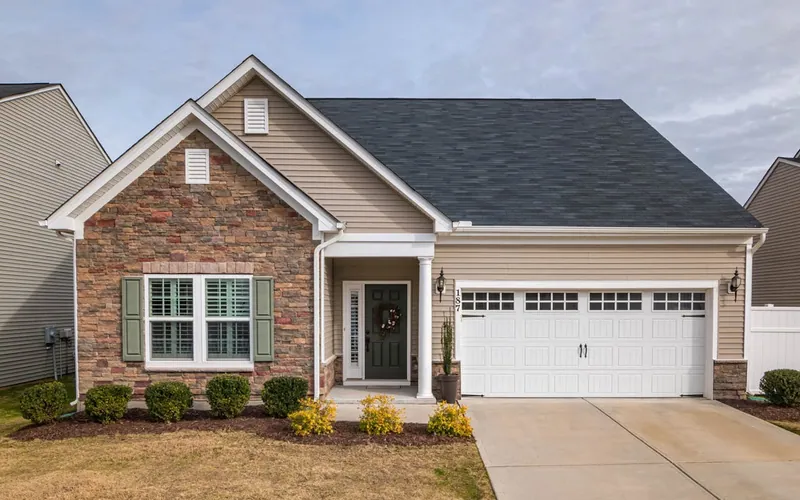

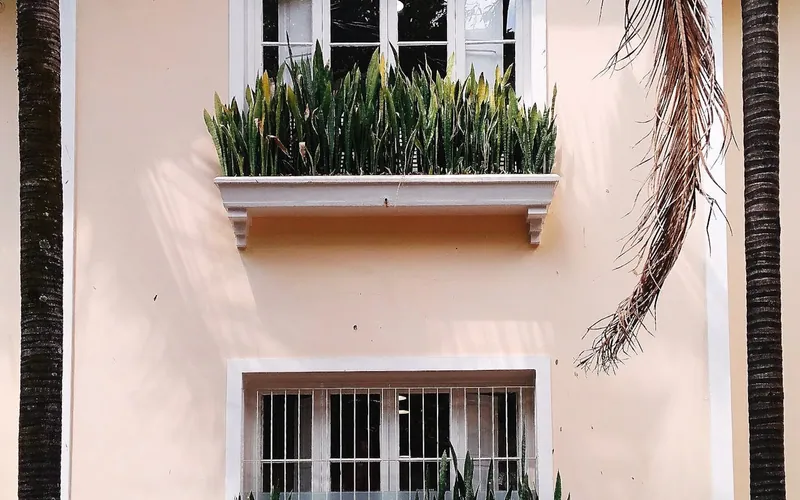
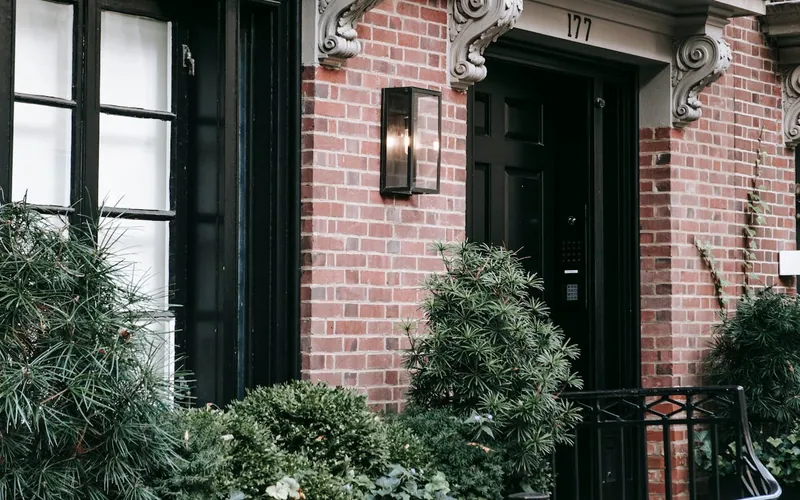
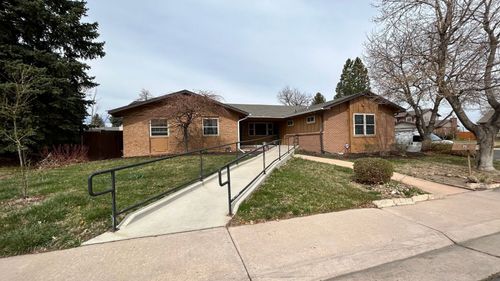
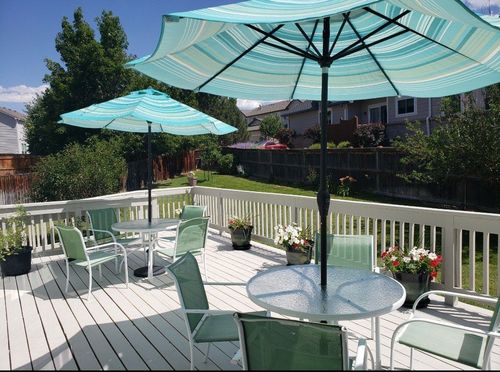

Most of Aurora's Medicaid-accepting senior living sits in small assisted-living houses rather than large campuses, and that shapes everything about how families pay for care here. The 14 Aurora communities that work with Health First Colorado spread across the city's central and southeast neighborhoods, from the homes near South Havana and Iliff to the cluster of board-and-care houses in the 80013 and 80017 ZIP codes off East Quincy and Mississippi. Two of them, the Makarios homes on Pacific Place and Yampa Way and the Rock Creek houses on Kenton Court and Rifle Street, are eight-to-ten-resident homes where a Health First Colorado resident lives alongside private-pay neighbors in the same house.
Families reach for Medicaid-accepting care in Aurora at the point where the monthly private-pay rate, often running past $5,000, has outrun savings, and the question shifts from which community to how to keep a parent in a licensed setting once the money runs out. Colorado's answer for assisted living and memory care is the Home and Community-Based Services waiver, and the homes below are the ones that accept it.
How Health First Colorado Funds Care in Aurora's Homes
The waiver that matters here is the Elderly, Blind, and Disabled waiver, the Health First Colorado benefit that pays for care delivered in an Alternative Care Facility, which is Colorado's license category for assisted living. In Aurora's small homes, that means the waiver covers the hands-on care a resident receives: help bathing and dressing, medication management, and the personal-care assistance that defines assisted living. What the waiver does not cover is room and board, so a qualifying resident still pays the housing-and-meals portion of the home's rate, usually out of monthly income.
Because Aurora's Medicaid-accepting set is overwhelmingly small residential houses, the experience differs from a large building. A resident funded through the waiver lives in a regular neighborhood house with a handful of others, shares the same caregiver staff, and eats the same home-cooked meals. Seva on Del Mar Circle is the one home in the set that also offers secured memory care, so a resident whose dementia requires a locked setting has a Medicaid-accepting option that most small homes here do not provide. Coverage tracks the care type: the waiver applies to assisted living and memory care, skilled nursing is funded separately, and independent living is never Medicaid-funded because it carries no care need.
What Medicaid Pays For, and What It Does Not
Aurora's private-pay assisted-living rates run roughly $4,500 to $6,125 a month across the homes in this set, in line with the city's market and below the wider Denver metro figure. For a resident who qualifies financially and functionally, the Elderly, Blind, and Disabled waiver closes the care-cost portion of that gap. To qualify in 2026, a single applicant generally needs monthly income under about $2,982 and countable assets at or below $2,000, and must meet a nursing-facility level of care, which an assessment defines as needing help with at least two daily activities. Applicants over the asset limit often spend down to qualify, and Colorado applies a multi-year look-back on transfers.
The honest part families come for is the gap. Health First Colorado pays the care services; the resident still owes room and board, drawn from Social Security or other income. Skilled nursing is the exception, funded through institutional Medicaid, which does include room and board for those who meet the criteria. Medicare, the program families most often confuse with Medicaid, pays nothing toward assisted-living or memory-care room and board at all.
Availability Across Aurora's Medicaid Inventory
Aurora holds far more Medicaid-accepting homes than most of the southeast metro, which reflects both the city's large senior base, near 49,000 residents over 65, and its concentration of small assisted-living houses. One feature works in a family's favor here: as of 2026, Colorado's Elderly, Blind, and Disabled waiver has no enrollment cap and no statewide waitlist, so the constraint is rarely the waiver itself. The real limit is a specific home: each house holds only eight to sixteen residents, and a Medicaid-funded room opens when a current resident leaves. That is why two homes with identical care can have very different timing.
Why Families Choose Medicaid-Accepting Care Close to Home
Keeping a parent on Health First Colorado in Aurora means keeping them in the neighborhood the family already knows, minutes from UCHealth University of Colorado Hospital and the specialists at the Anschutz campus rather than uprooting them for coverage. The small-home setting that dominates Aurora's Medicaid set is also gentler for a resident who would be lost in a hundred-apartment building. A house on a quiet street near family, with a low caregiver ratio and a Health First Colorado room, lets the move be about steadier support rather than starting over somewhere unfamiliar.
What a Local Advisor Brings to Aurora
Our advisor for Aurora tracks which of these homes actually have a Medicaid-funded room open right now, which is the question the directory alone cannot answer, since a home can accept the waiver yet have every funded room filled. The advisor also knows which houses take a resident on Health First Colorado from day one versus after a private-pay stretch, and which, like Seva, can hold a resident through a move into secured memory care without leaving the waiver.
That knowledge is what turns a dozen Medicaid-accepting addresses into the two or three worth touring this month, sorted by neighborhood, the room-and-board figure a family can cover, and the care level a parent needs. Start the conversation about Medicaid-accepting senior living in Aurora, or browse the communities we have reviewed at your own pace.