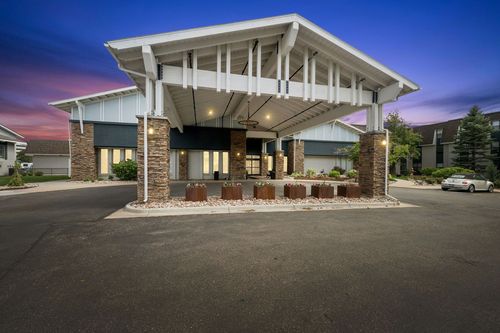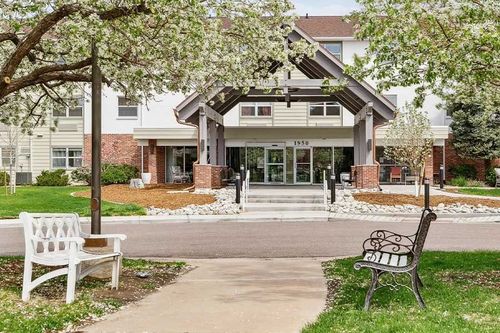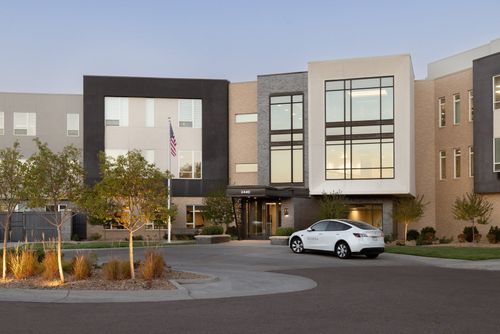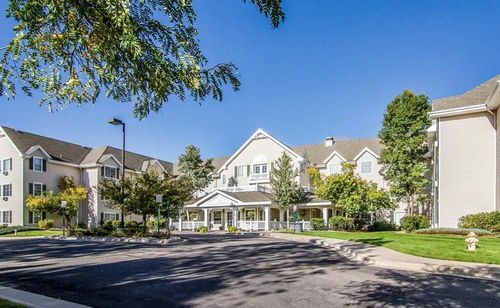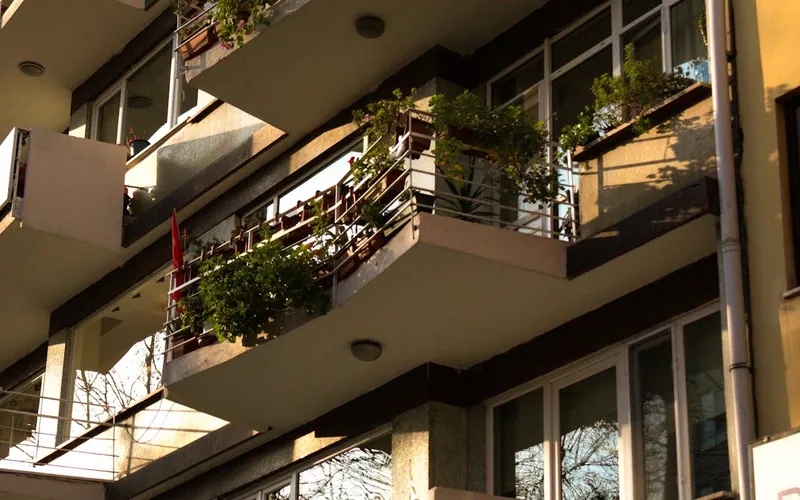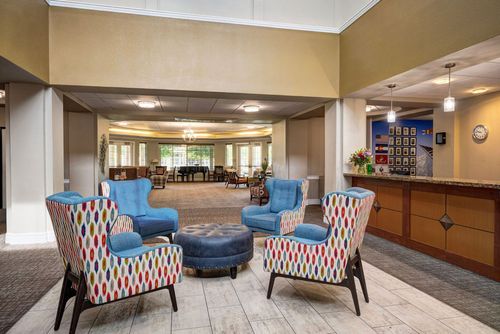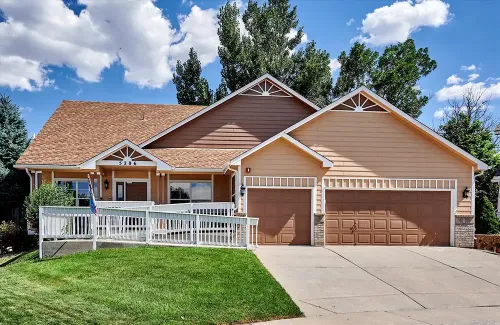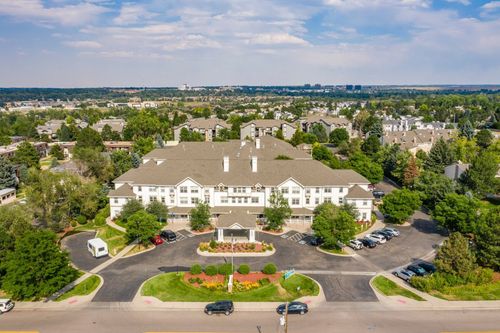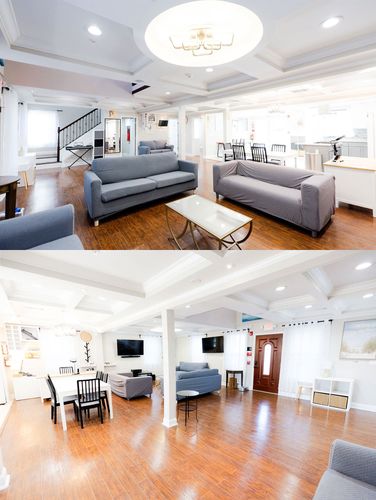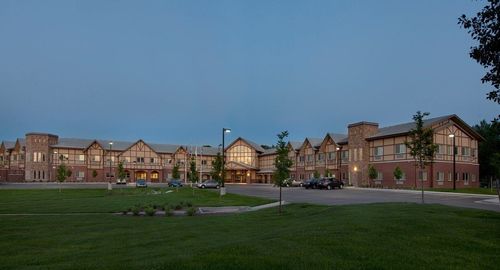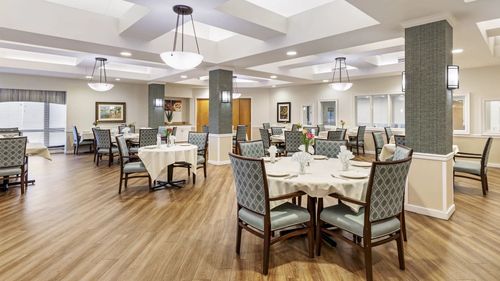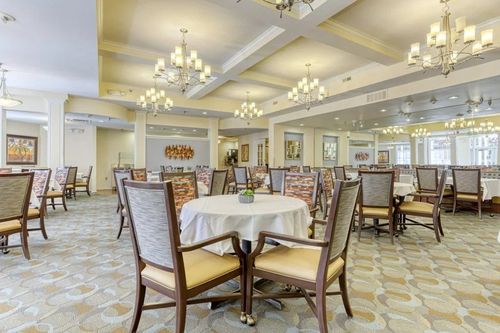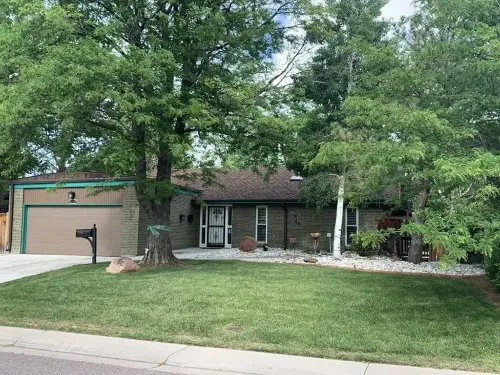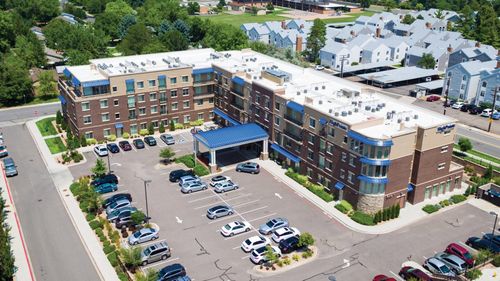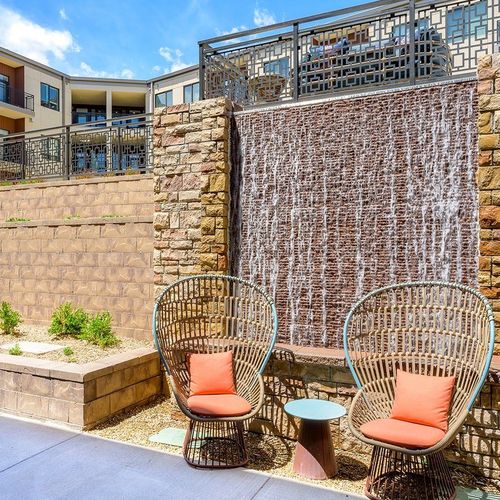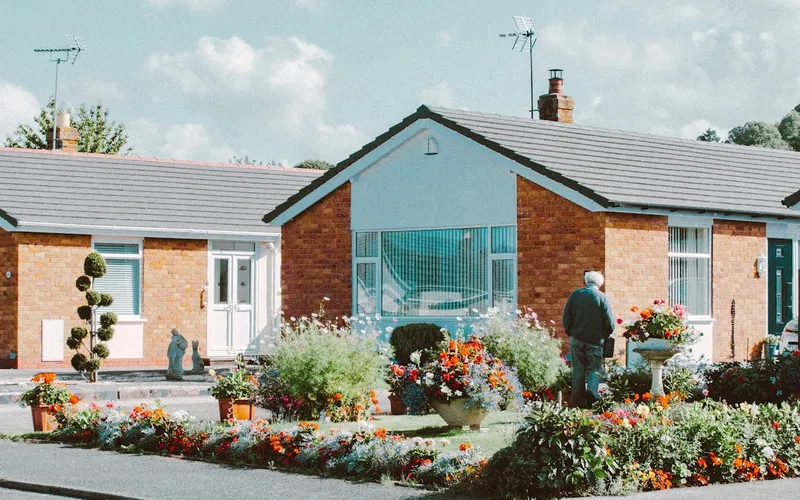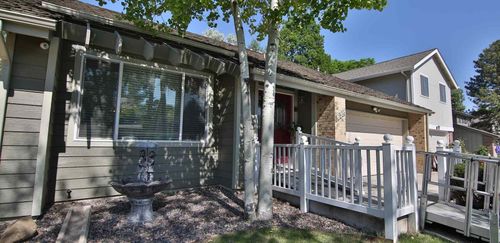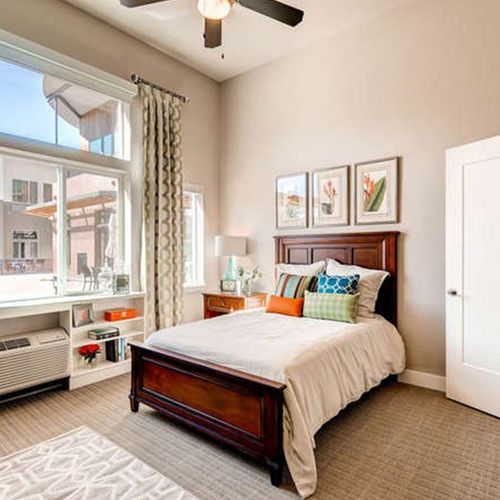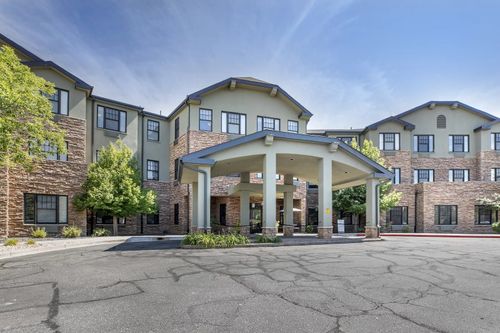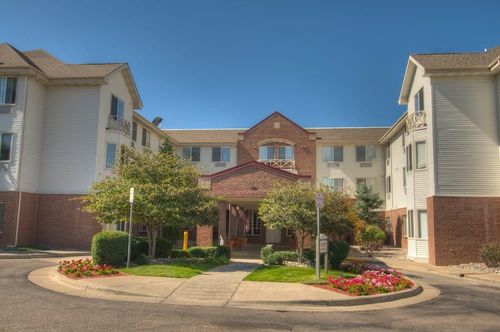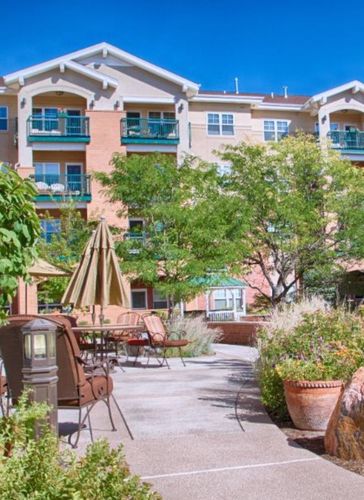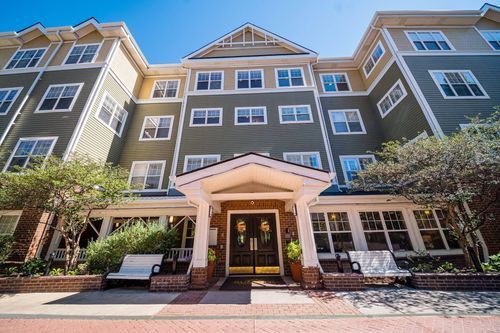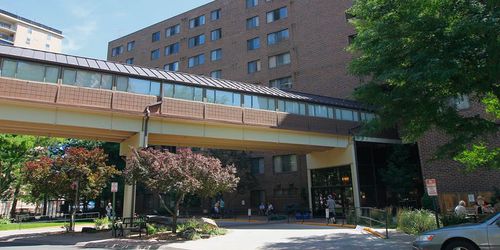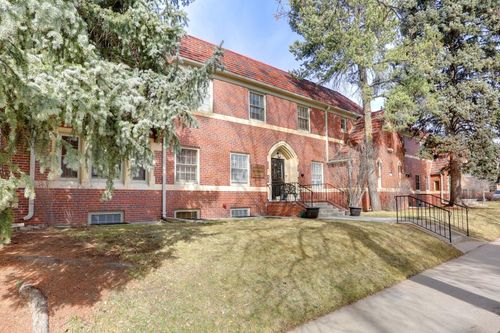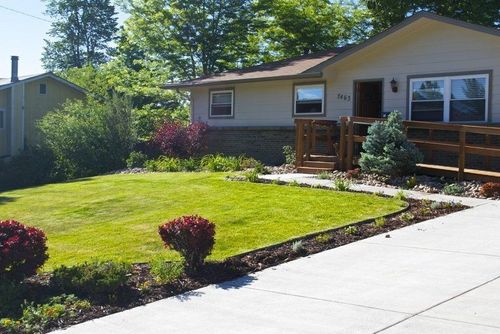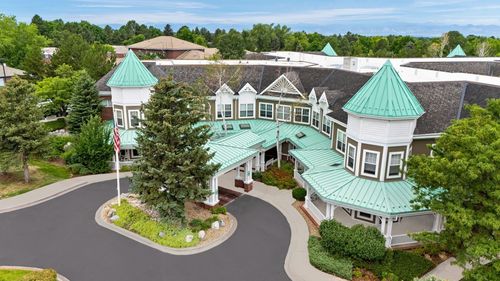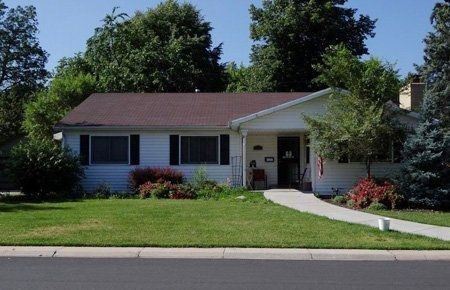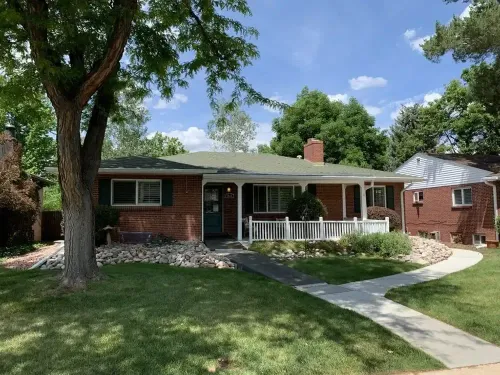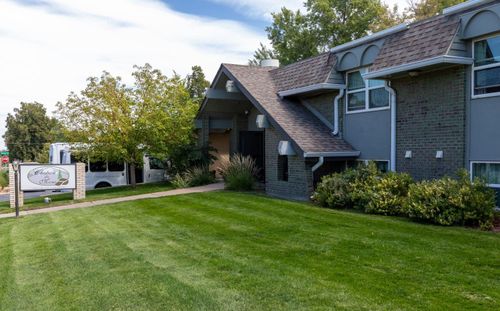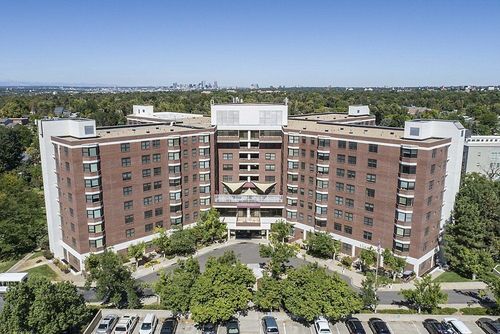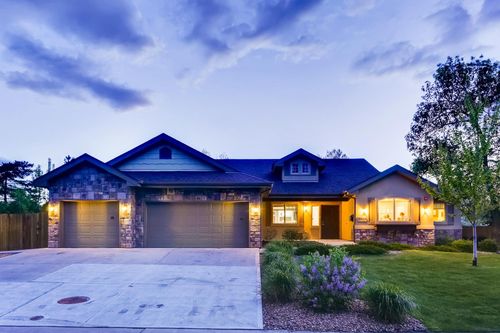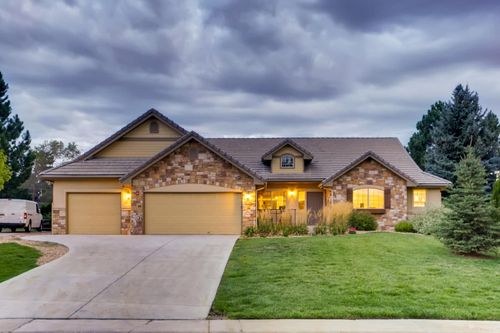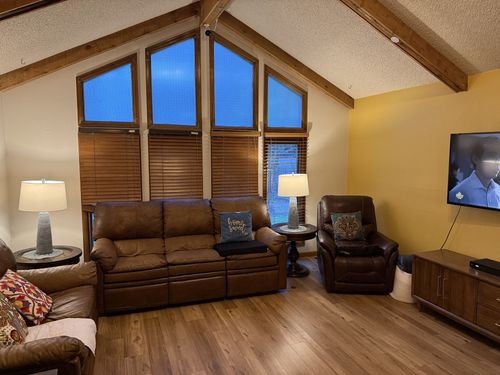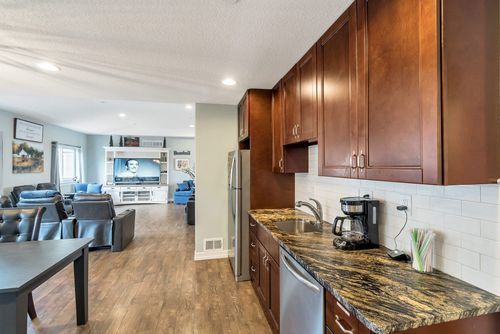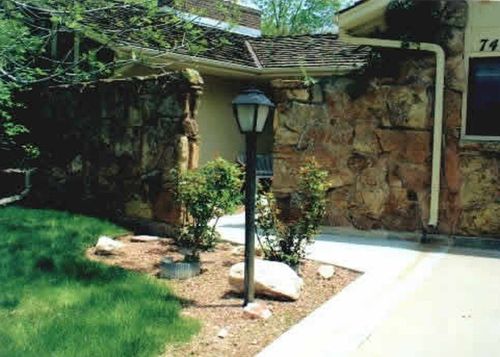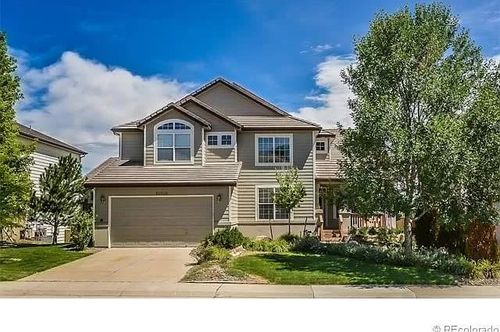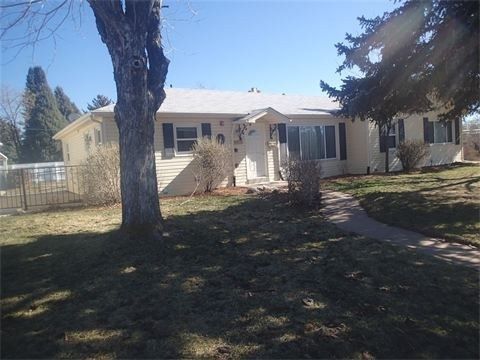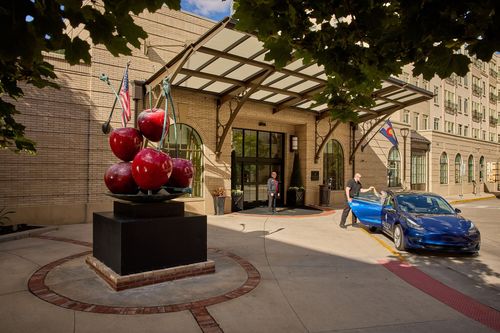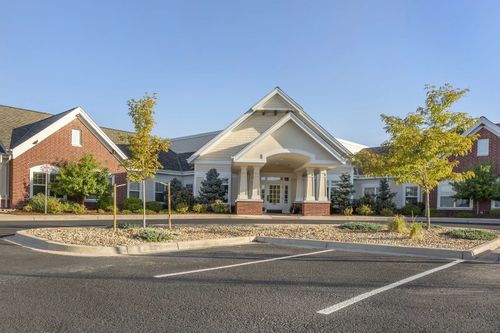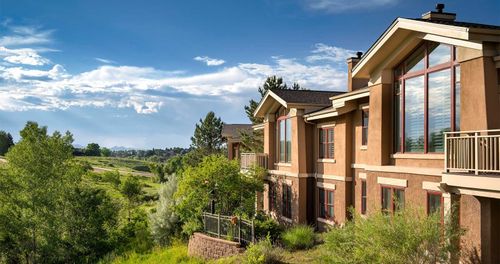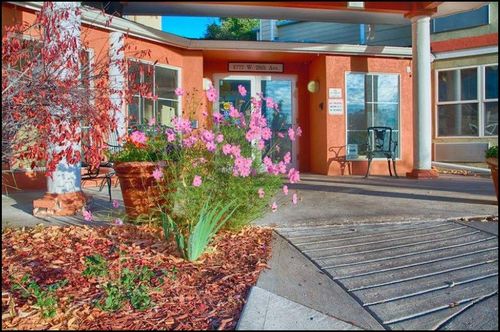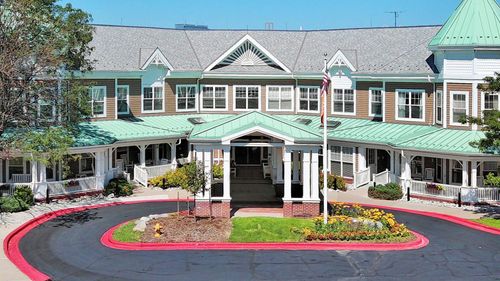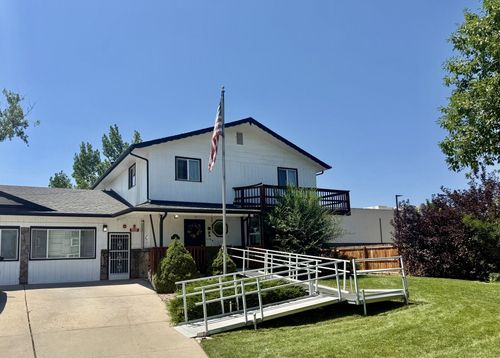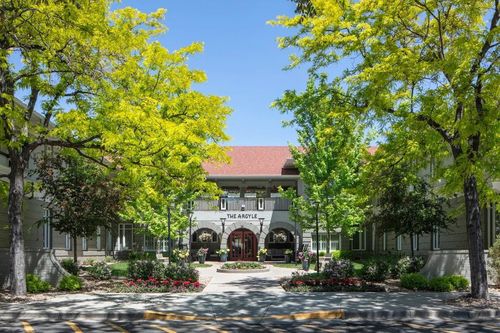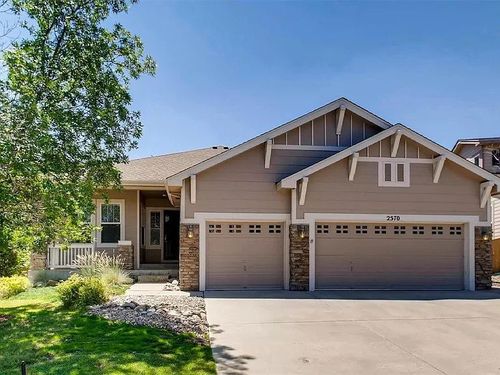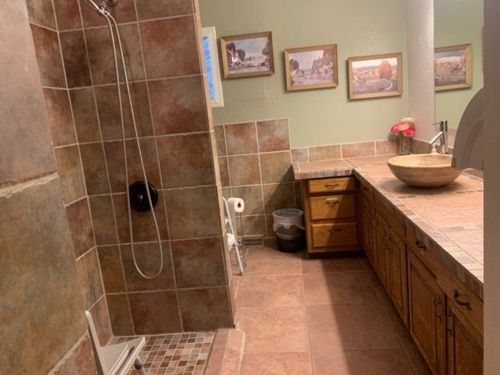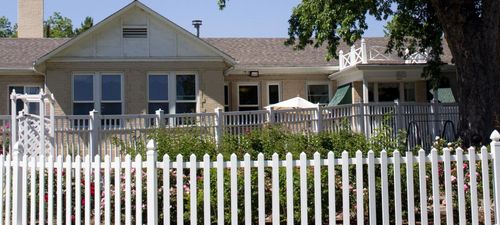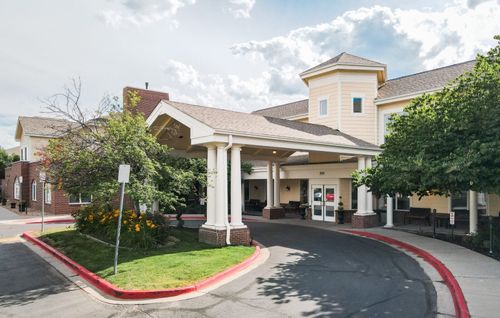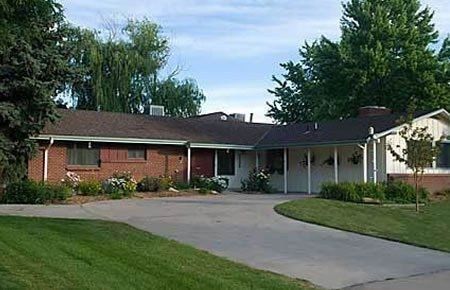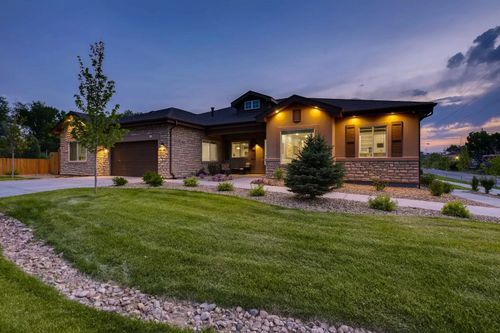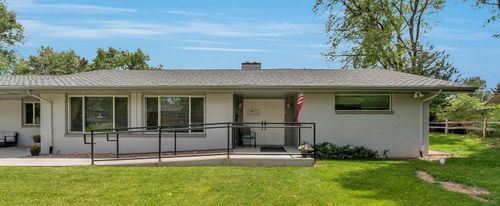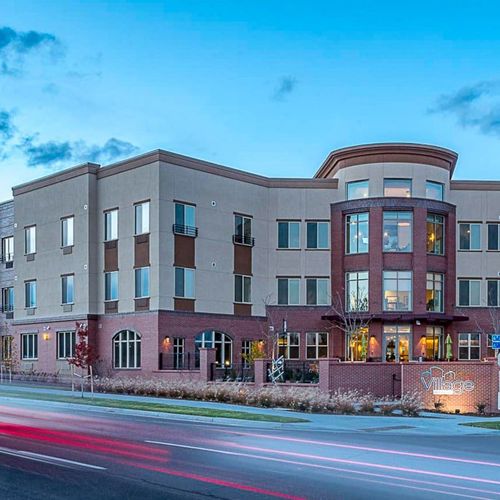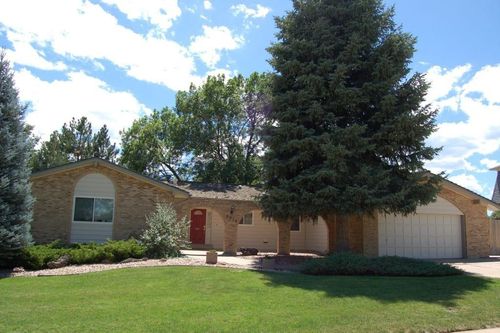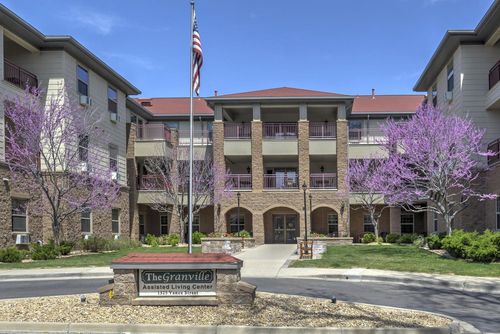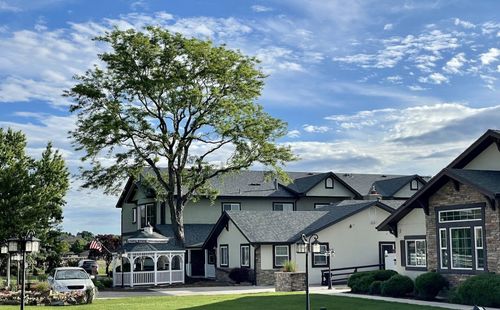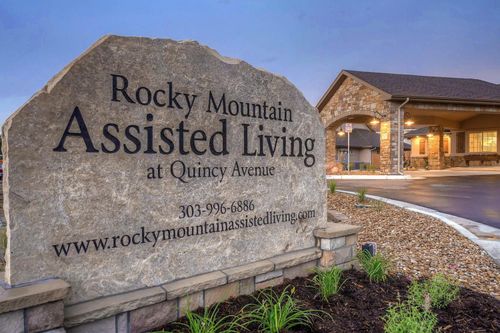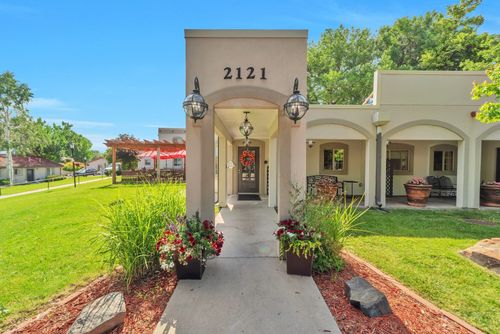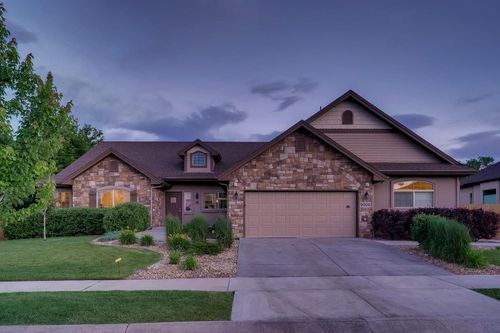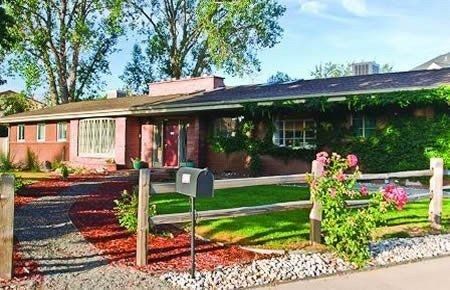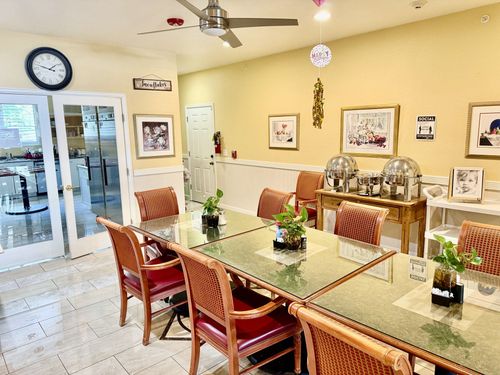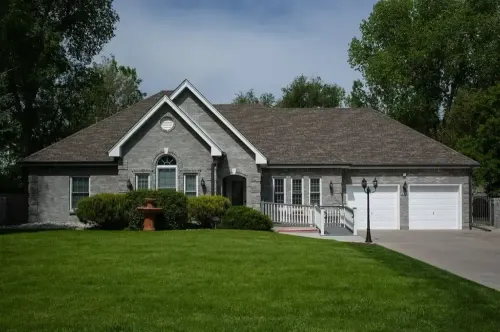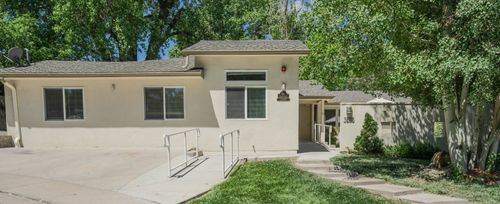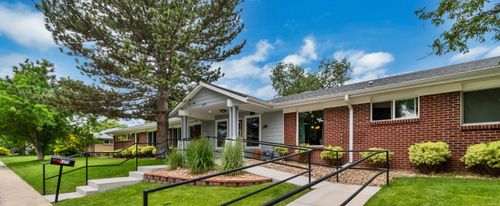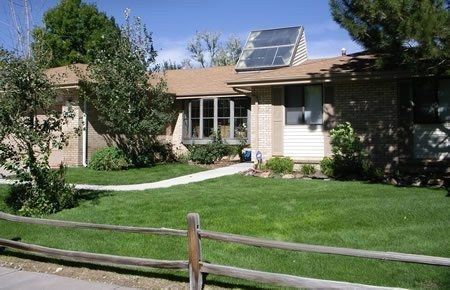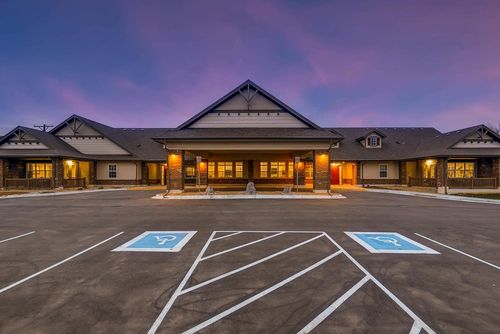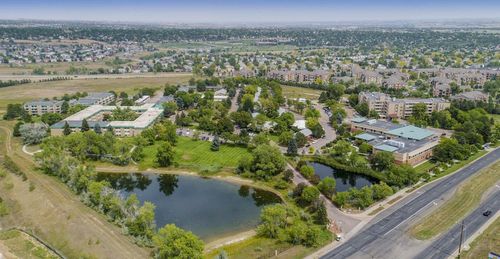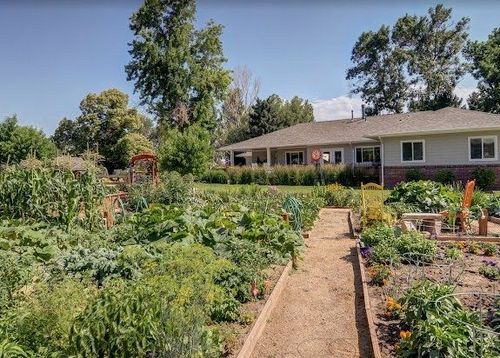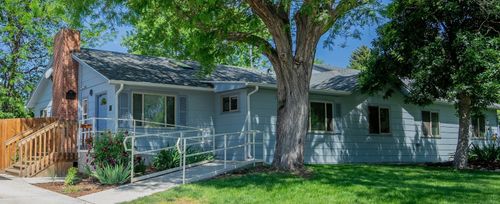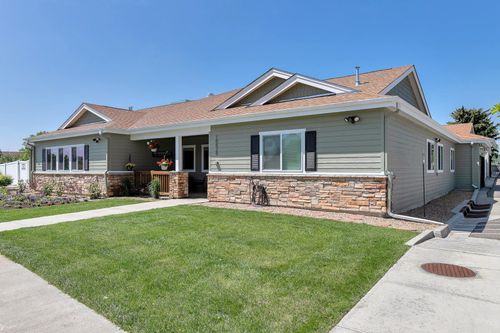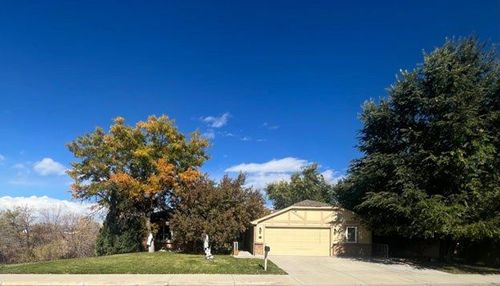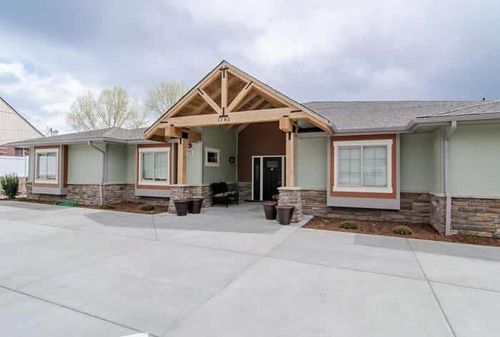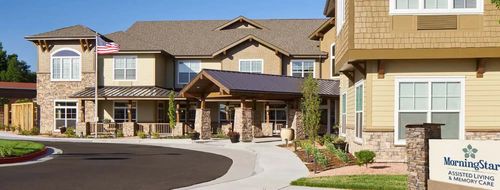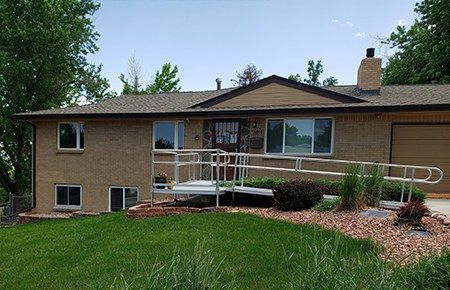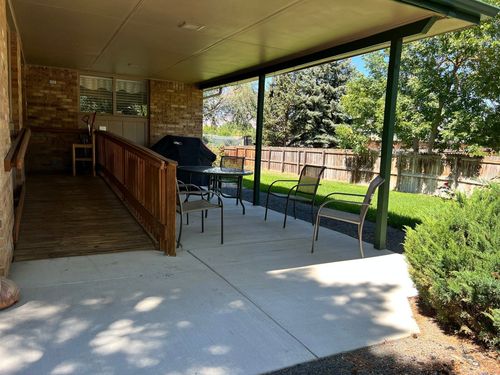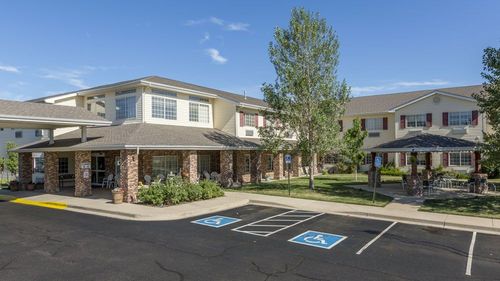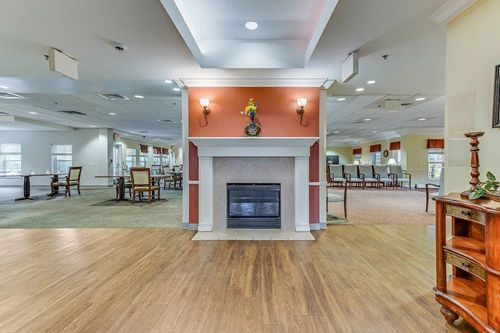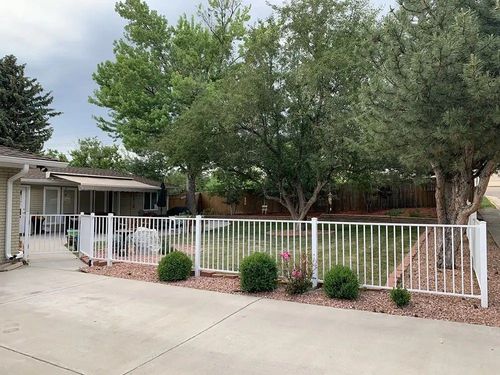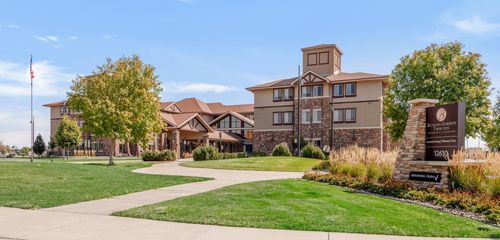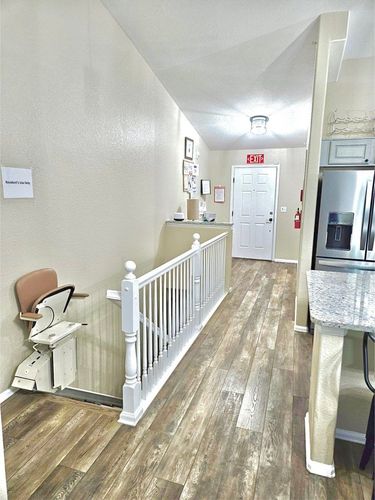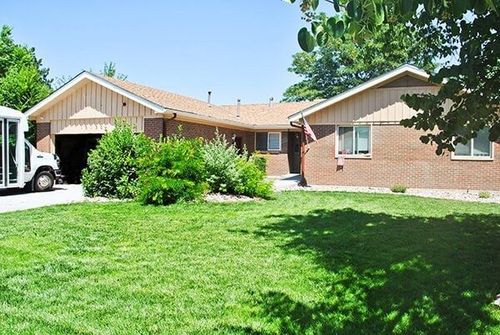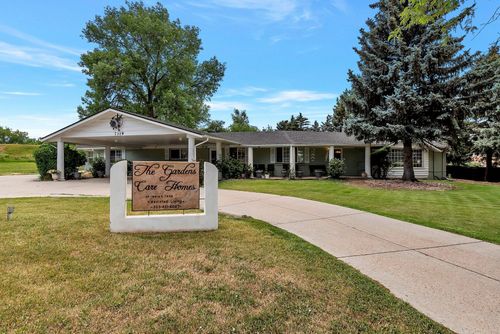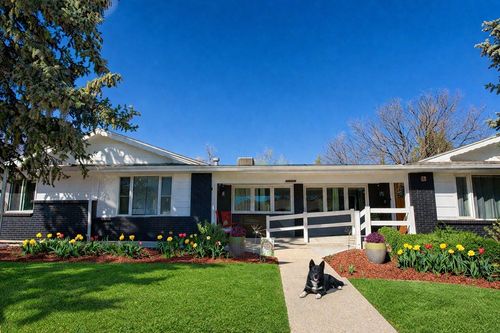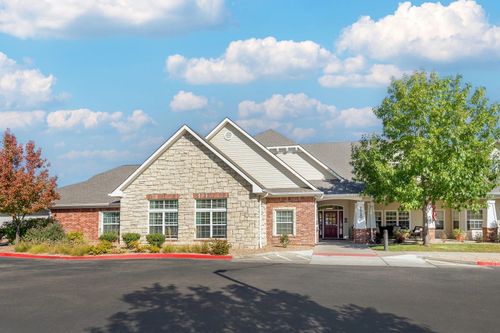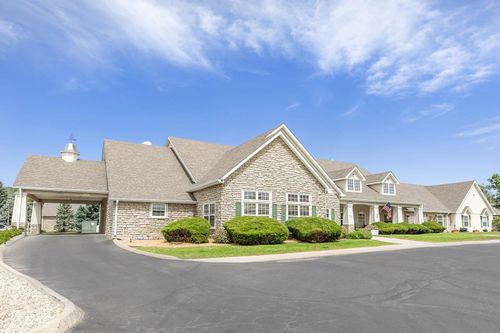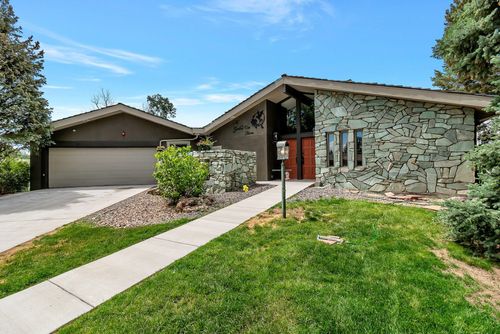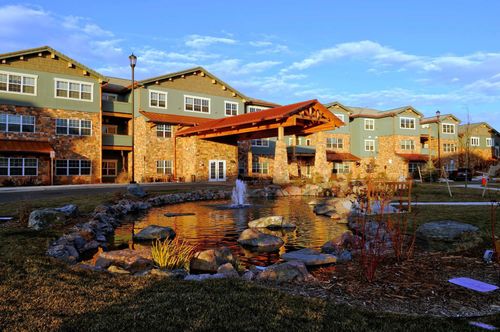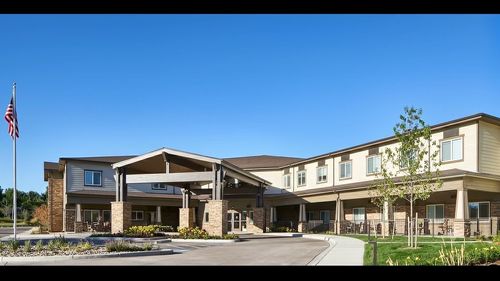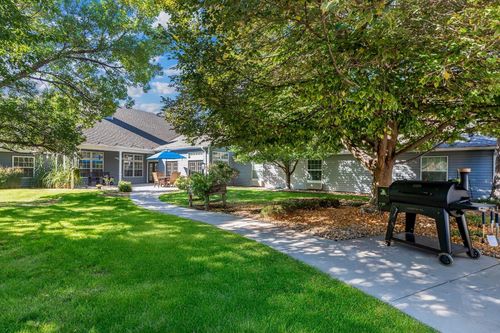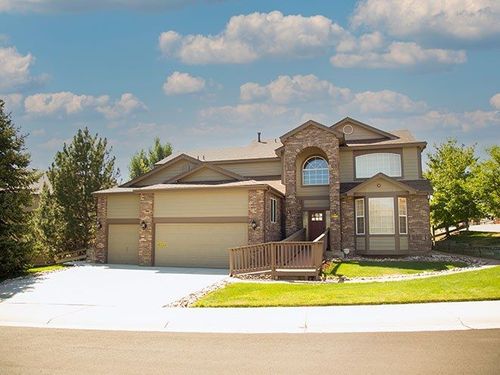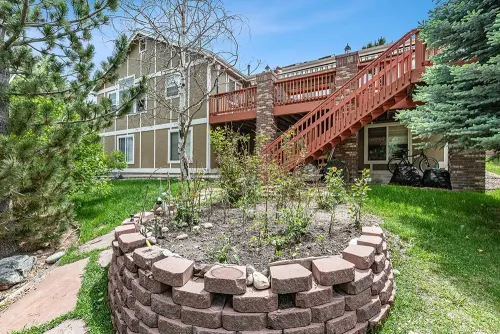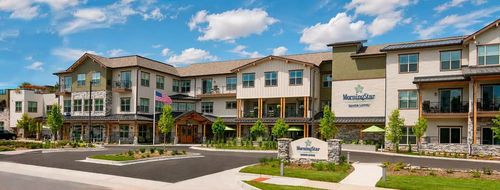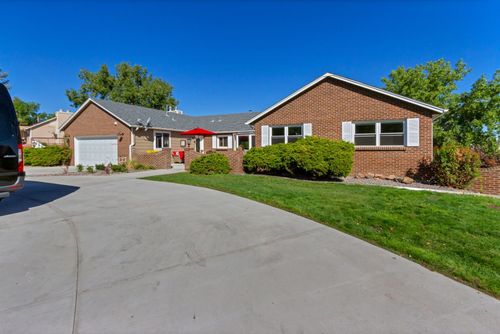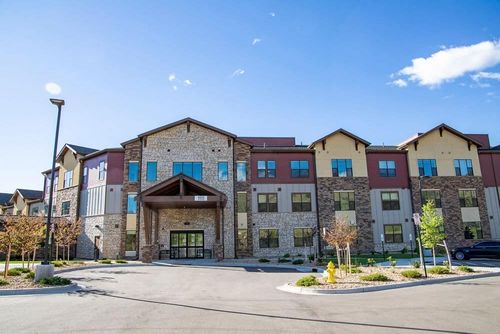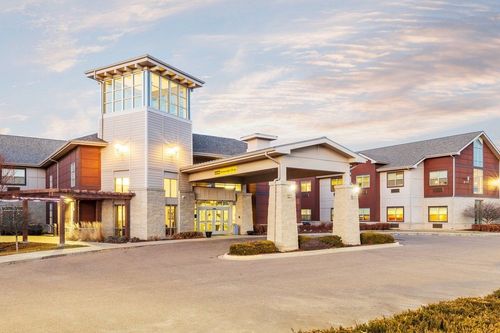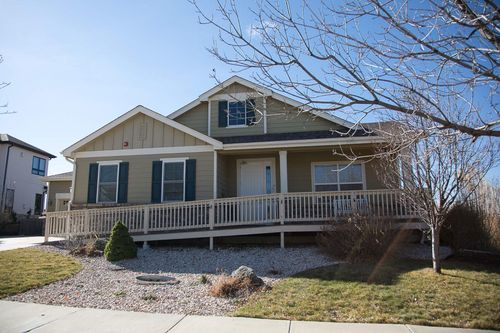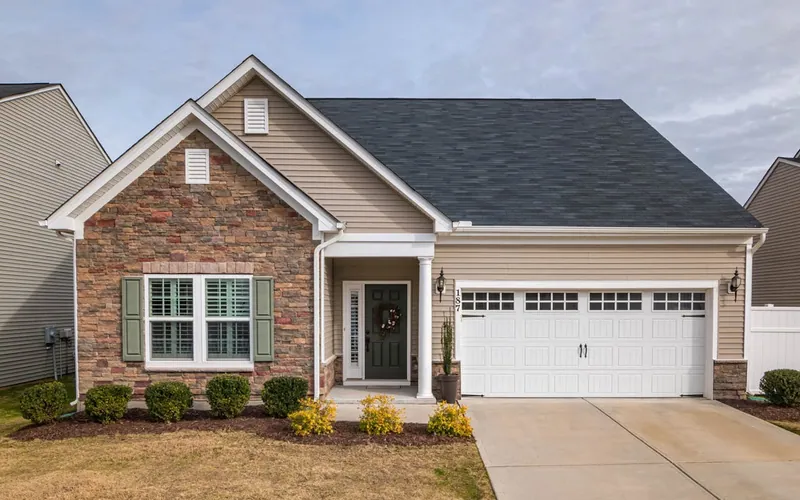
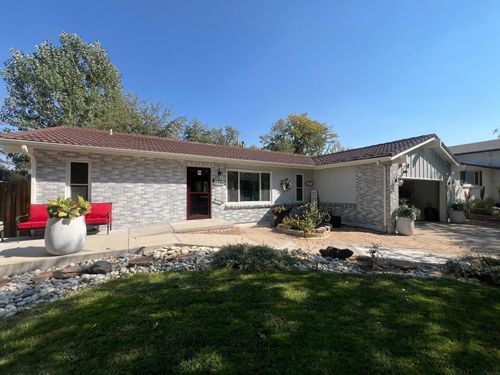
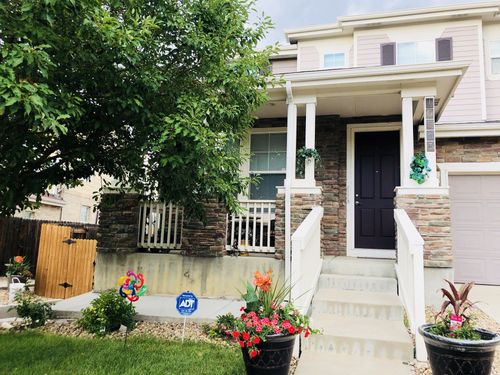
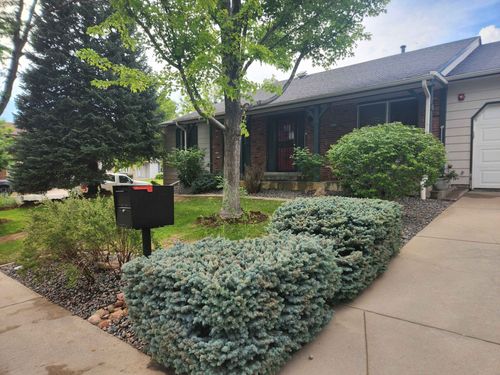



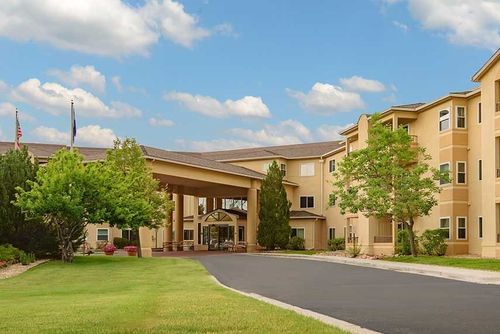
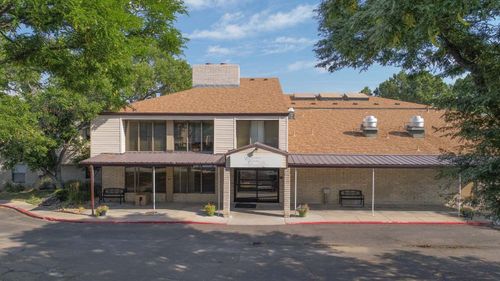
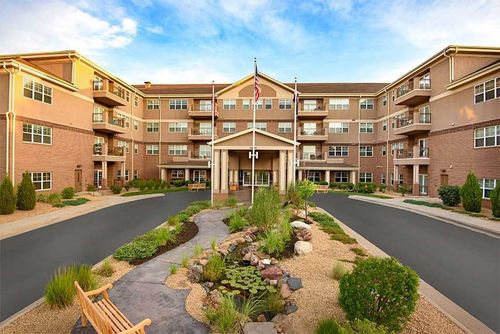
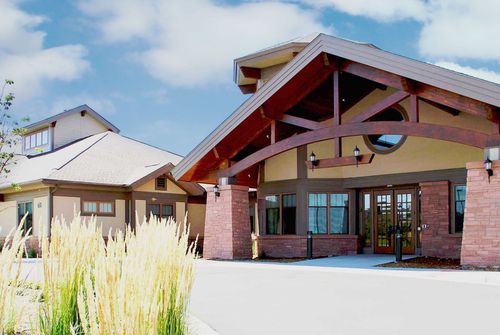
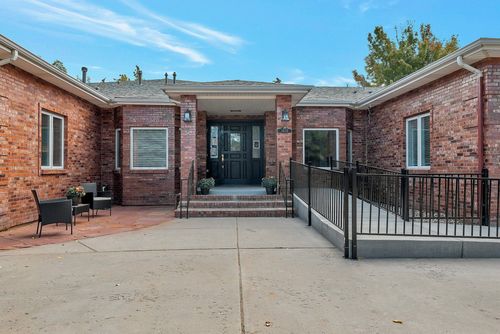
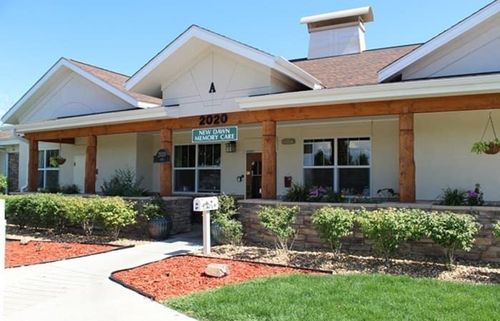
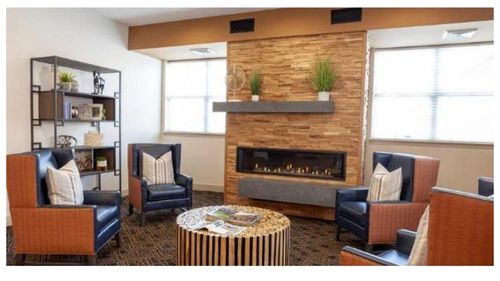
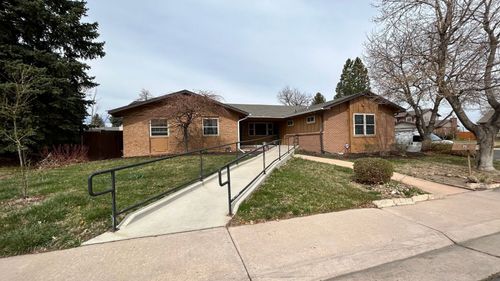
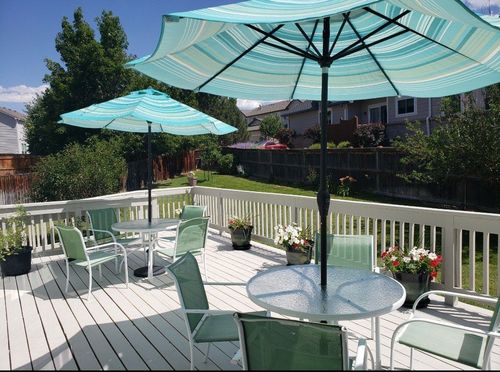

Assisted living in Aurora is carried mostly by small residential homes scattered across the city's neighborhoods, with a few larger campuses rounding out the set. Among the 43 matching communities, that residential tilt means many families choose a six-to-twelve-resident home with a high caregiver ratio over a big building, often within minutes of the Anschutz-area doctors a parent already sees.
Families reach assisted living in Aurora once help with medications, bathing, or daily routines has become a regular need, while a parent still wants their own room and a say in their day.
Daily Support and Lifestyle
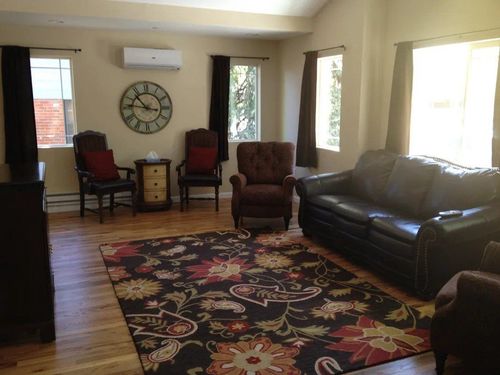
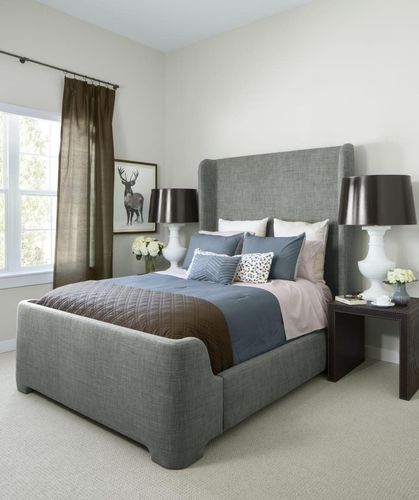
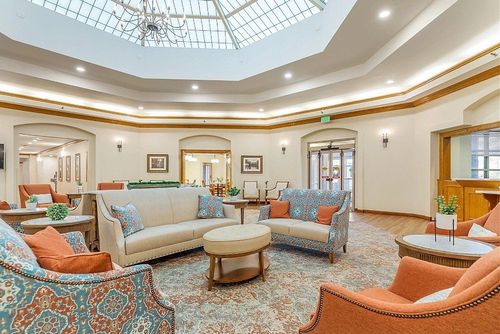
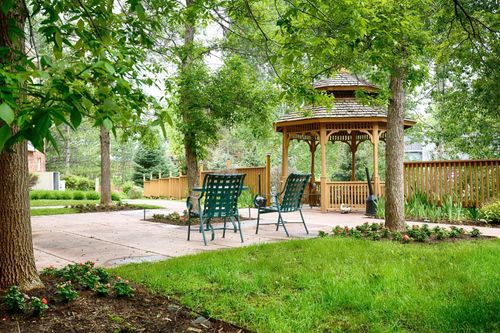
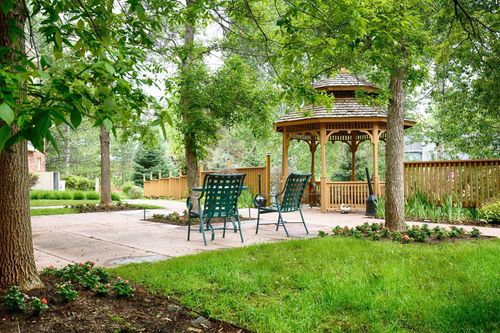
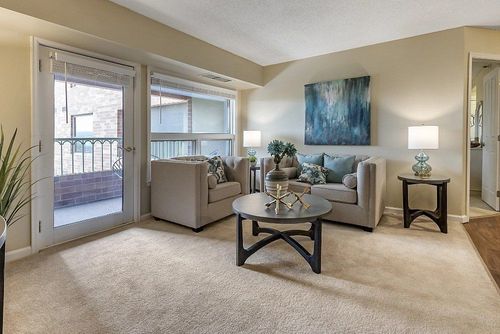
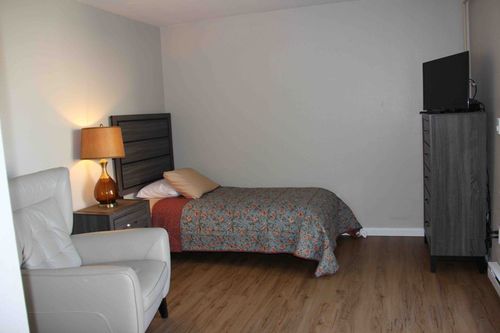
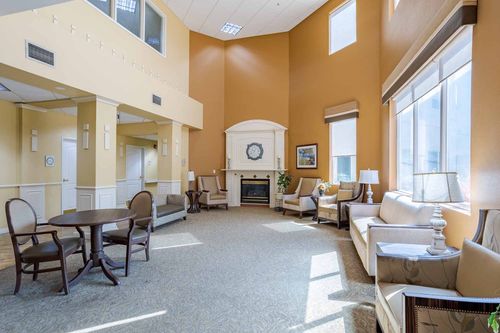
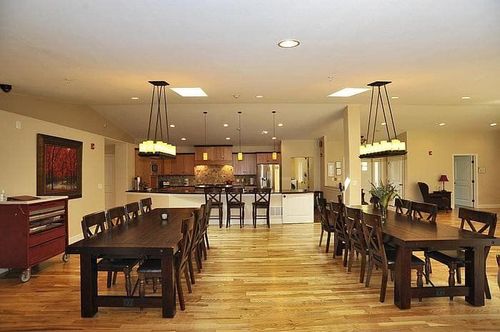
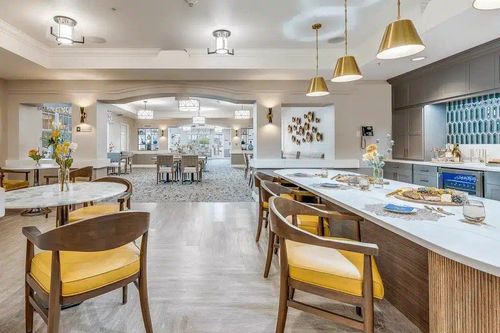
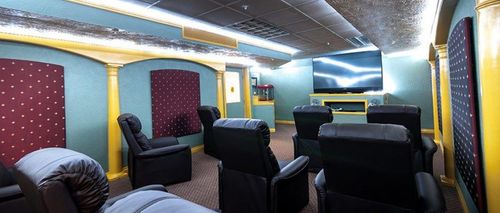
Assisted living in Aurora adds steady help while keeping a resident's day their own. Caregivers handle medications and assist with bathing, dressing, and mobility, and residents keep private rooms and their routines. In the small homes, meals are family-style and care folds into a flat monthly rate with a high caregiver ratio; the larger campuses add restaurant-style dining, fuller calendars, and daytime nurse coverage. Scheduled transportation reaches the Anschutz hospitals, clinics, and errands.
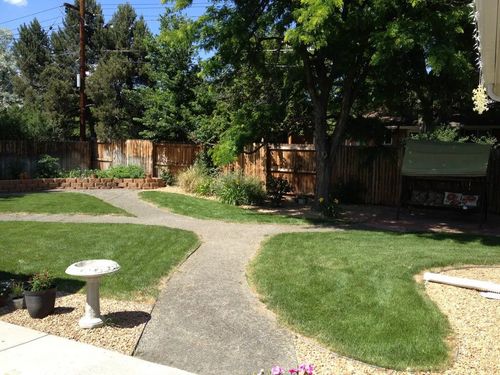
The residential-home tilt is what sets Aurora apart. For a parent who would feel lost in a large building, a household setting offers calm and close attention, while the handful of larger campuses suit someone who wants more activity and amenities. Both cover personal care; the difference is scale and pace.
Pricing and Affordability
Assisted living in Aurora generally runs $4,500 to $6,600 a month in 2026, a notch below the pricier west-metro suburbs, with the home-versus-campus choice and the care tier setting the spread; small homes often price all-inclusive.
Medicaid can help through Colorado's Alternative Care Facility benefit, which covers assisted-living care in a licensed residence while the resident handles room and board, with Supplemental Security Income sometimes filling part of the gap. Aurora's many small homes vary in whether they hold waiver rooms, so a Medicaid-track family benefits from checking early; Veterans Affairs Aid and Attendance matters here given the regional veterans hospital nearby.
Local Demand and Availability
Aurora skews young for a big city, with about twelve percent of residents past 65, but its older population is climbing and the residential-home market has grown to meet it.
With so many small homes, a specific room can fill quickly, but the breadth means a family usually finds a comparable home nearby without a long wait.
Why Families Choose Assisted Living in Aurora
Families pick Aurora assisted living to keep a parent near the Anschutz doctors many already use and near children settled across the east metro. The grid of neighborhoods makes dropping in easy, and a parent rarely has to leave the part of town they know.
The small-home tilt is a genuine draw for families who want a quiet, personal setting, and the city's affordability relative to the west metro keeps decisions local rather than forcing a regional search.
What a Local Advisor Brings to Aurora
Aurora's assisted living is mostly small homes, and they vary widely in feel, staffing, and which care needs they handle, none of which a listing shows. The advisor knows which homes have a room now, which accept the Health First Colorado waiver, and which fit a parent's specific needs.
That replaces days of cold calls with a short, real list. Our directory for Aurora continues to grow as we evaluate providers for quality and alignment in 2026. Pick up the phone about assisted living in Aurora, or browse the communities we have vetted at your own pace.