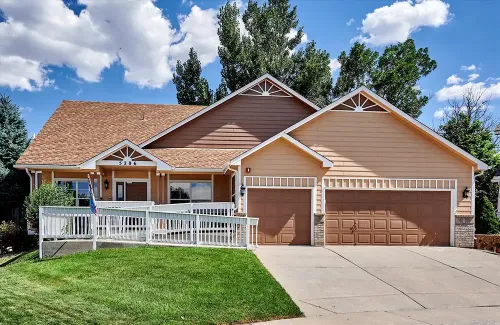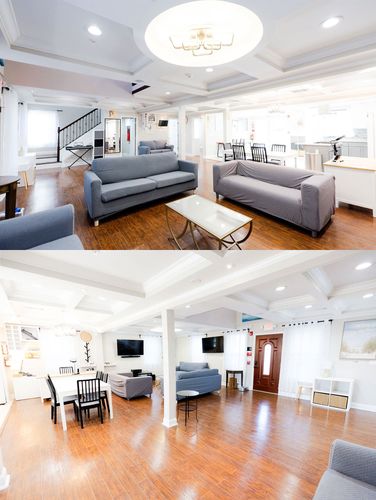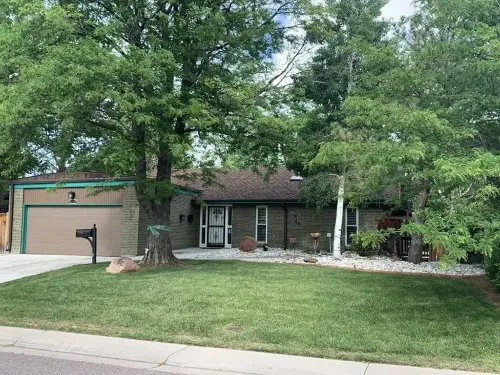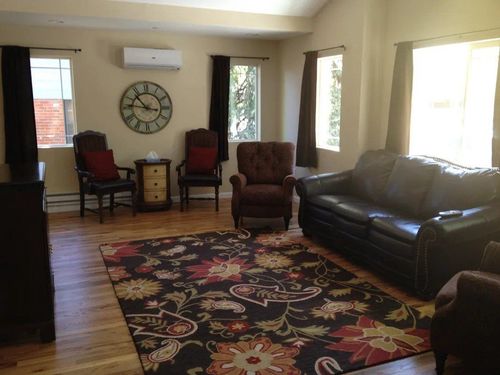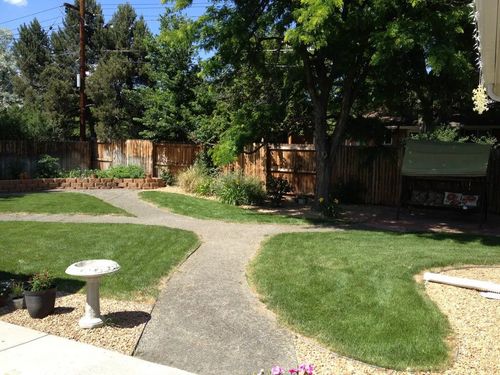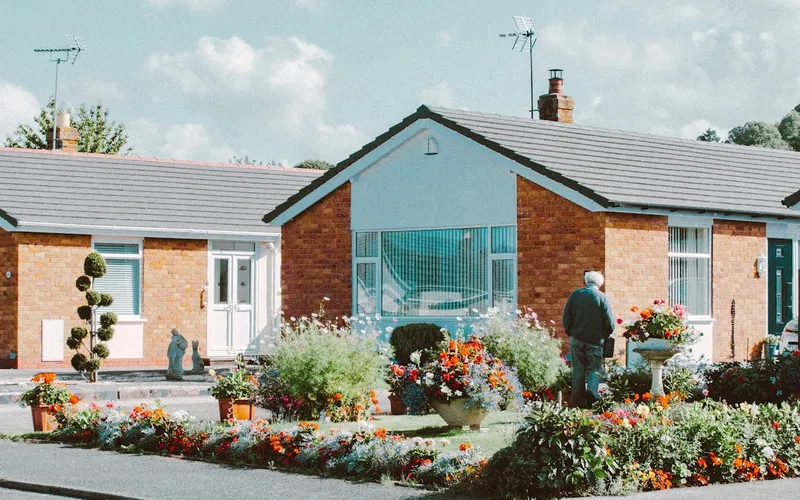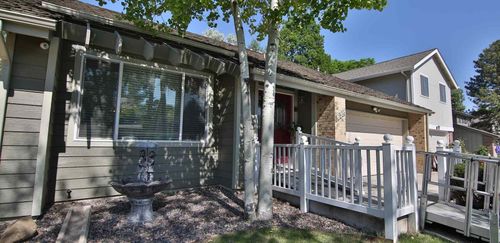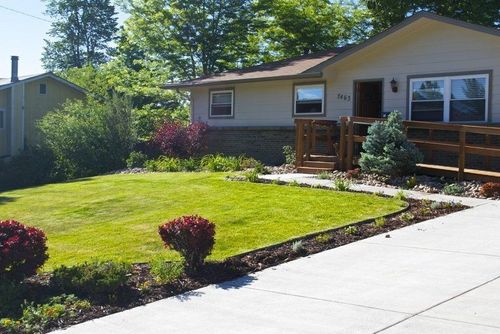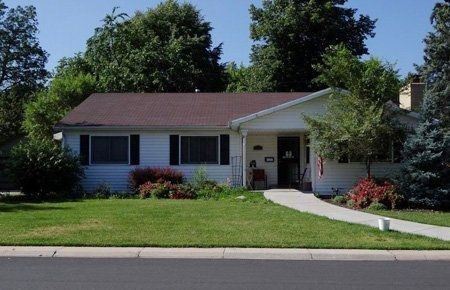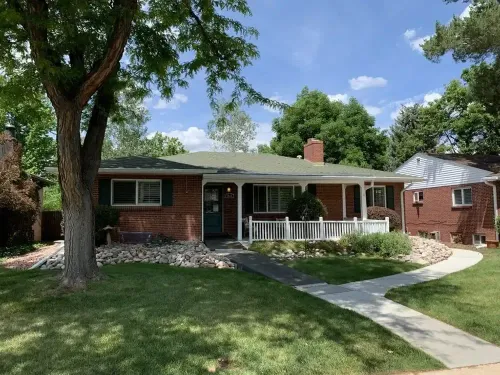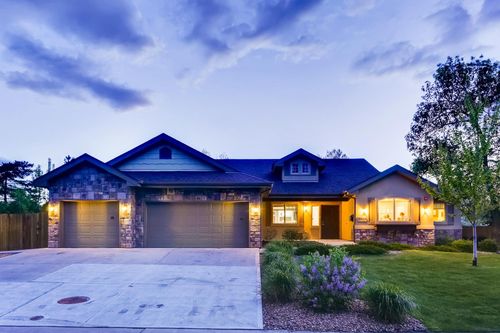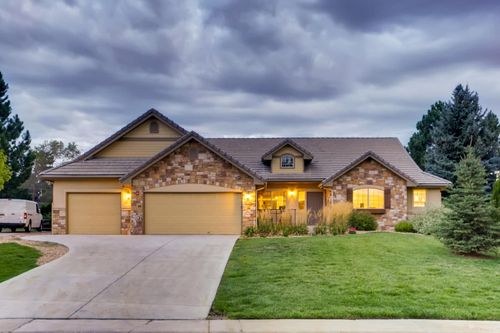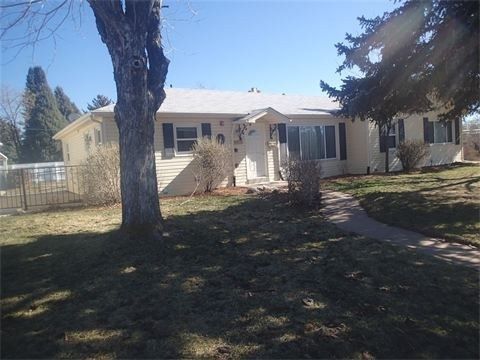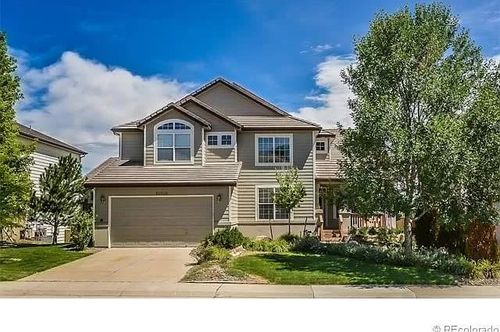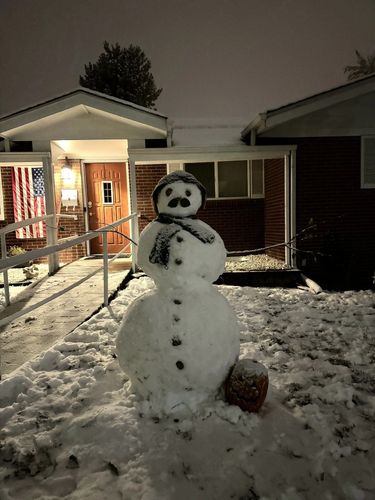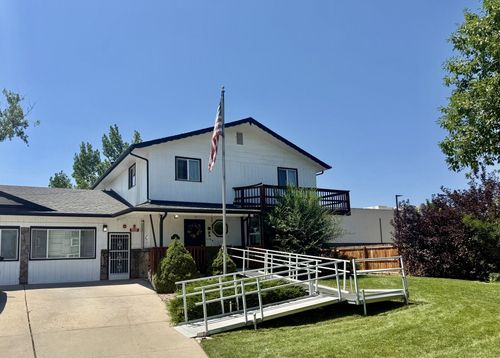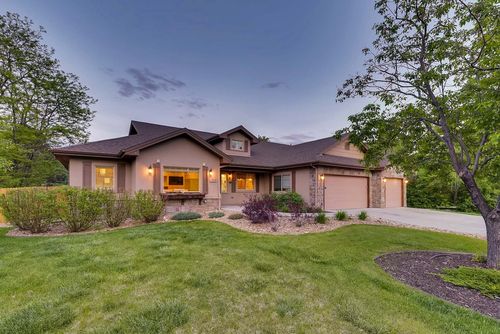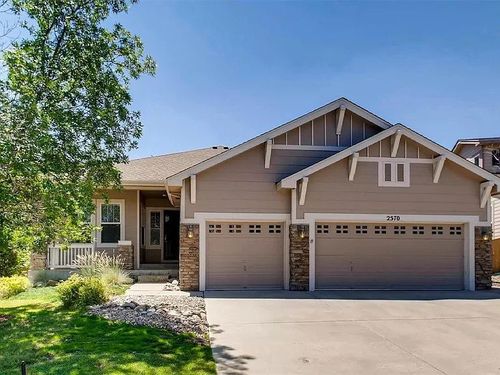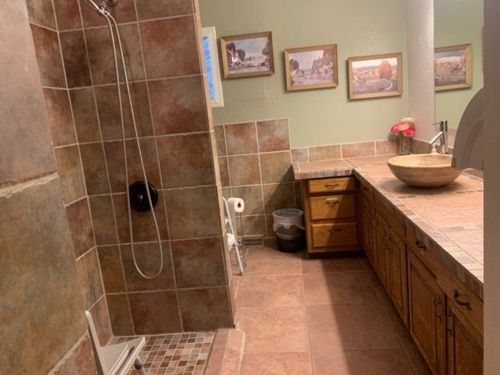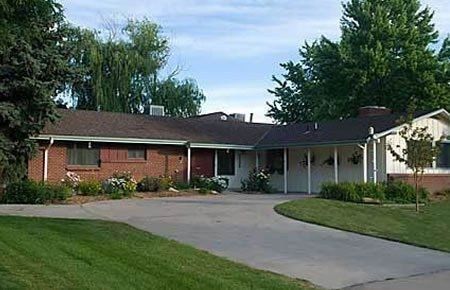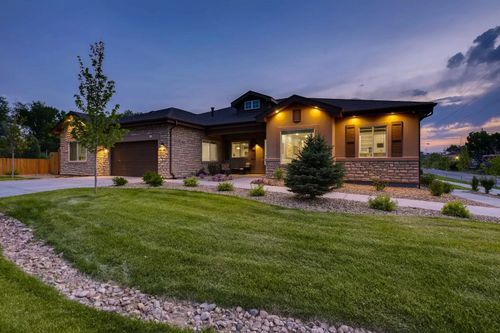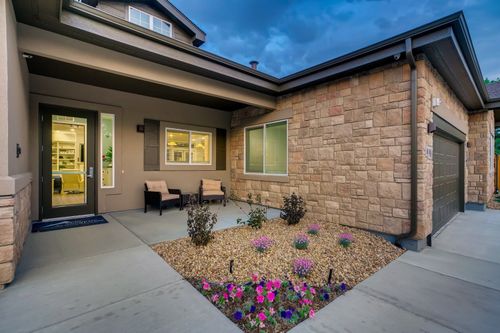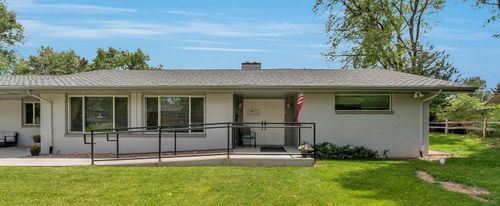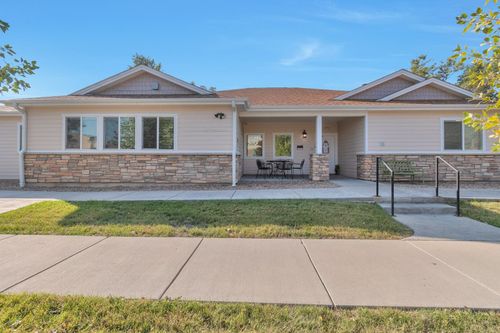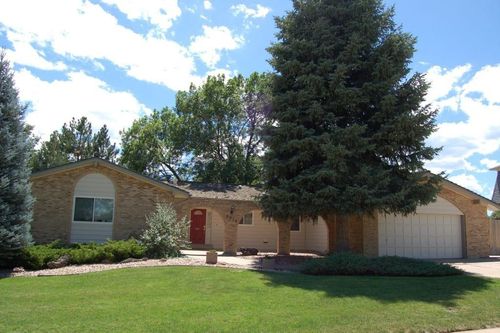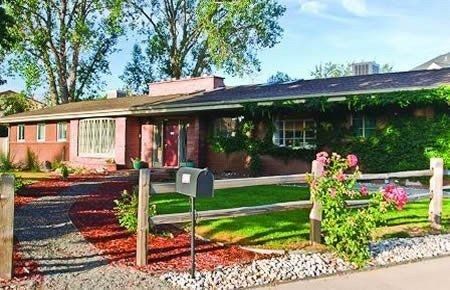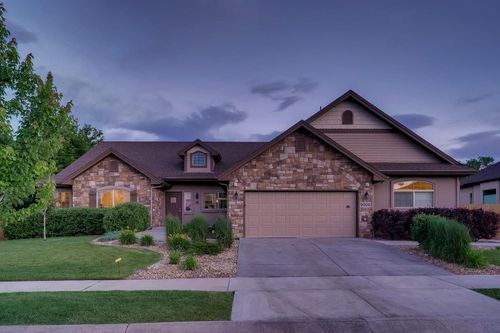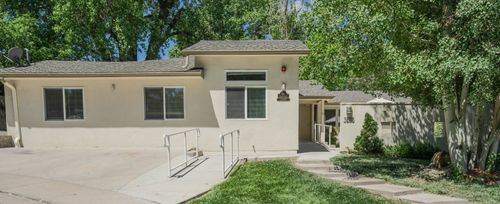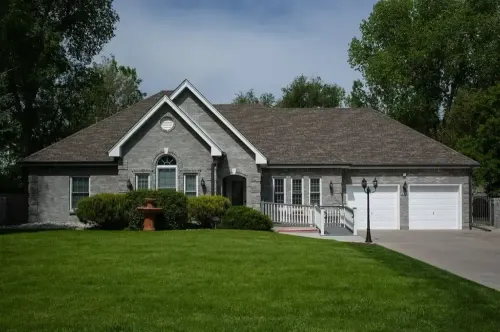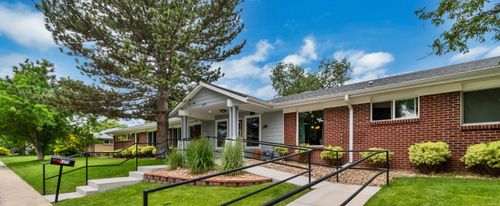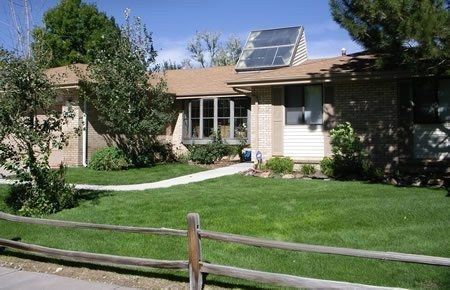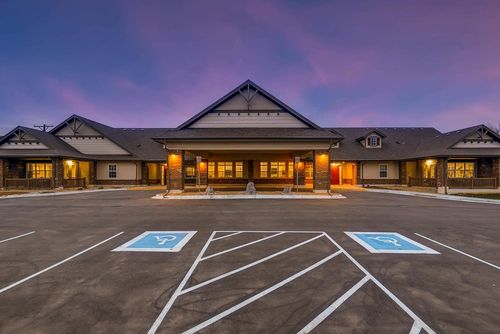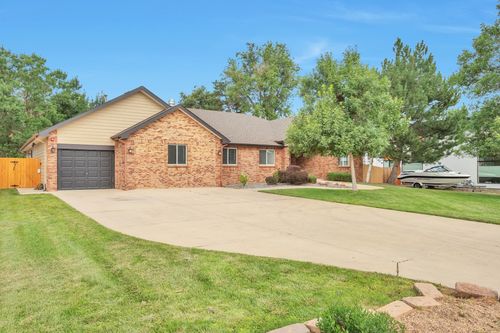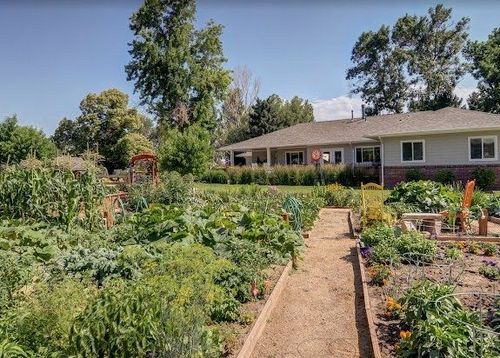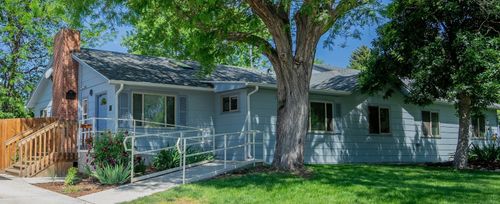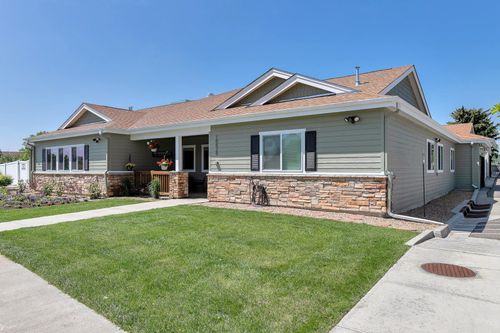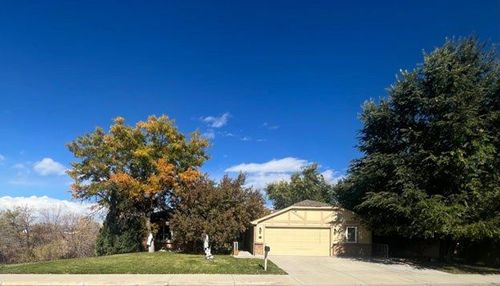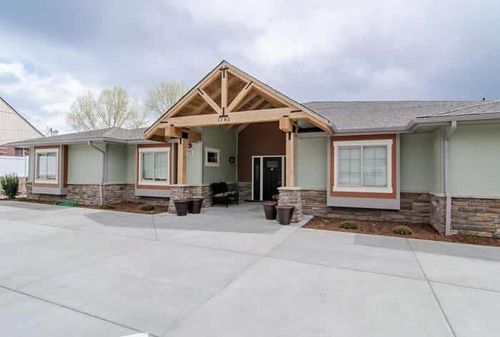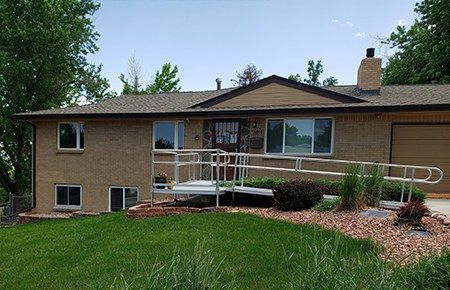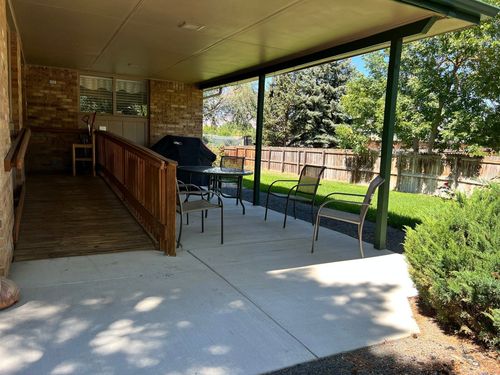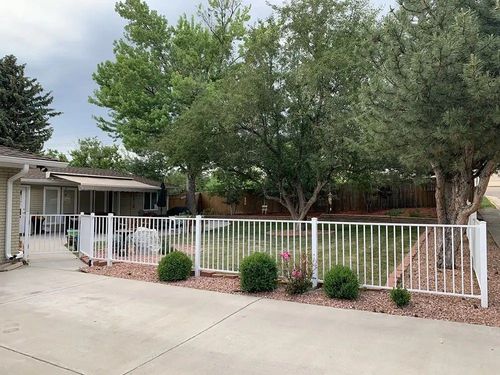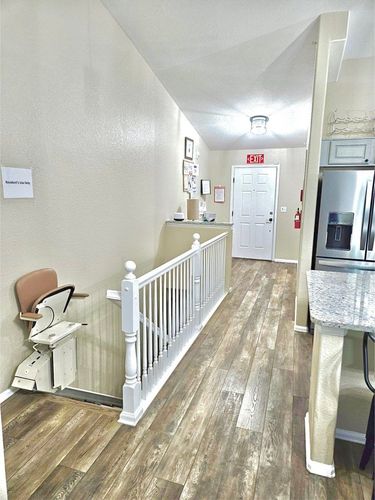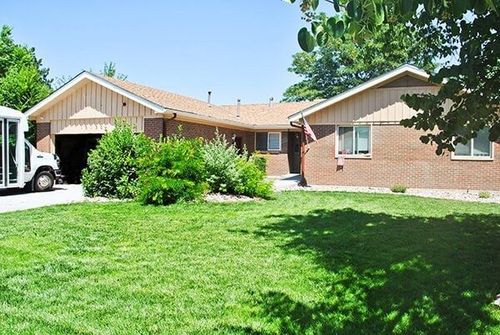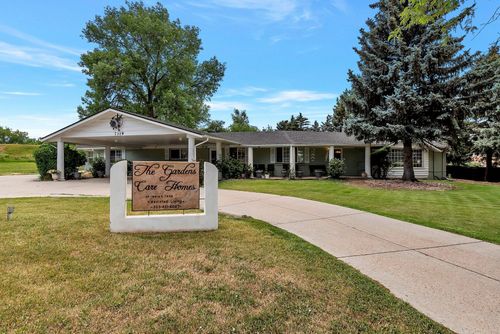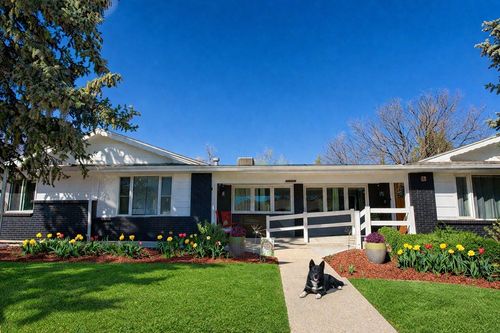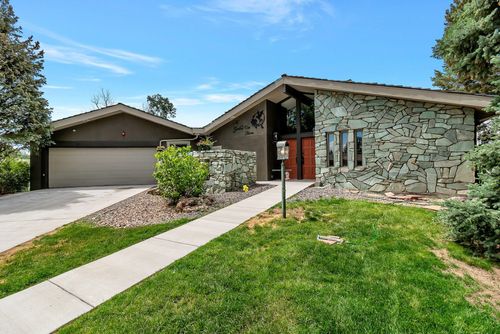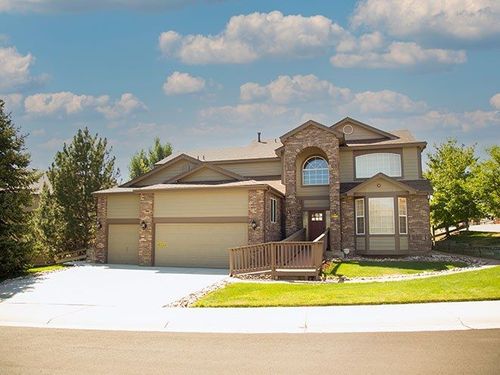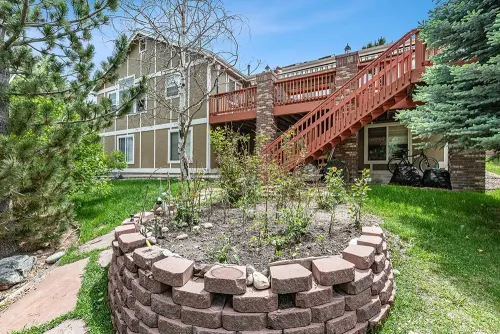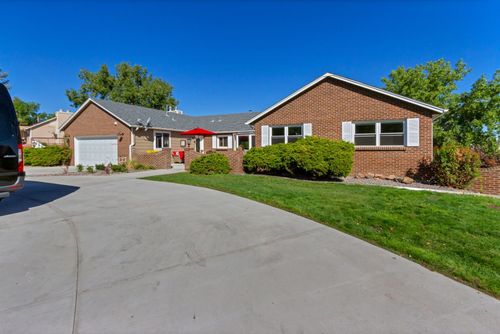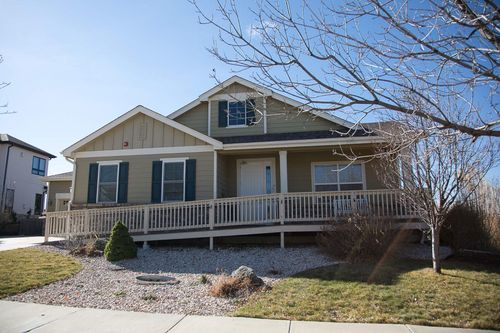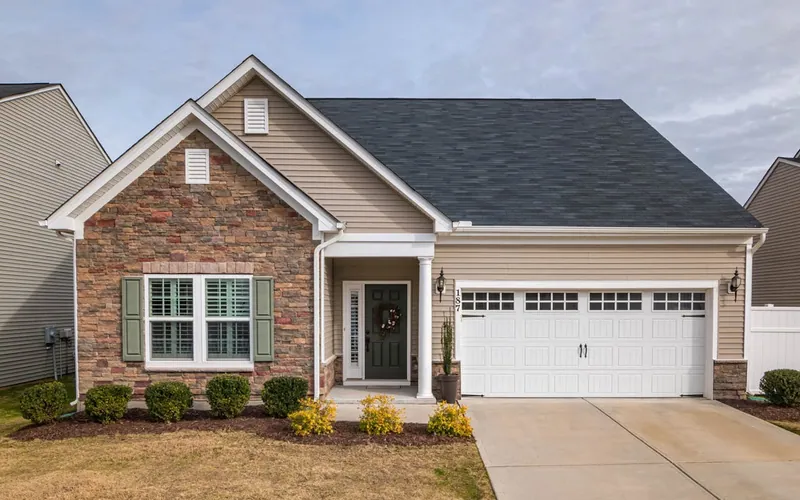
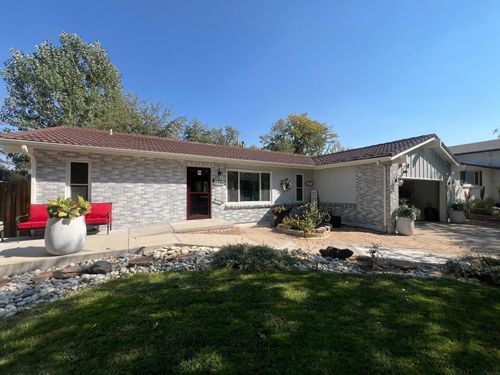
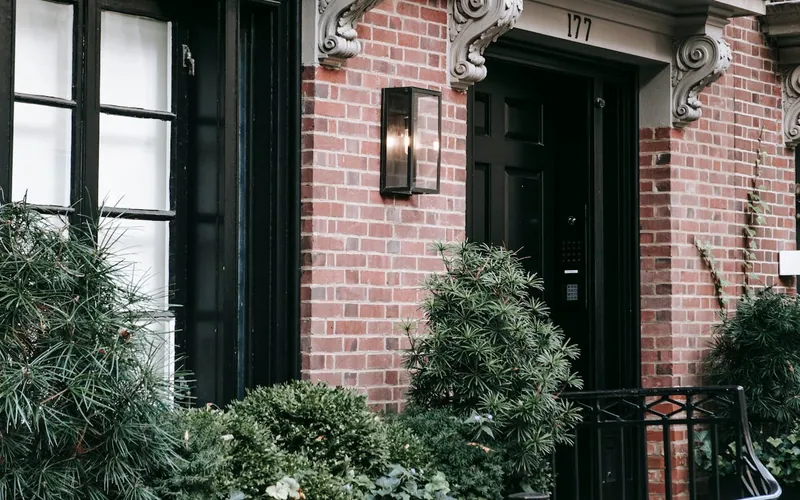
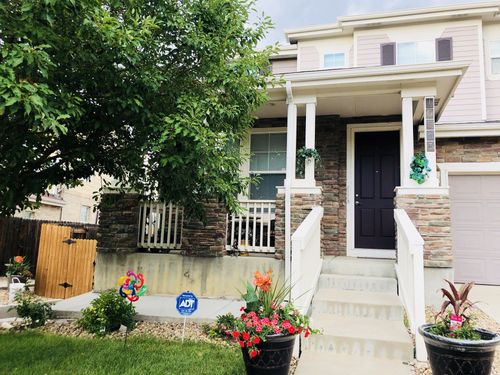
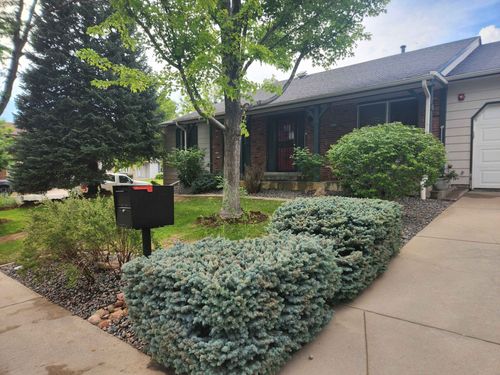
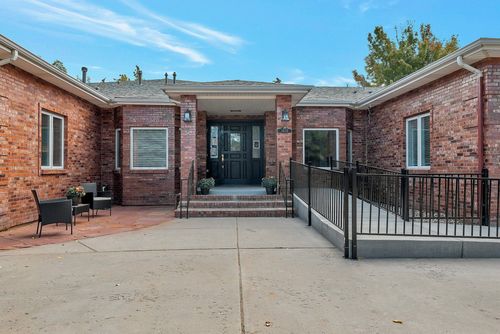
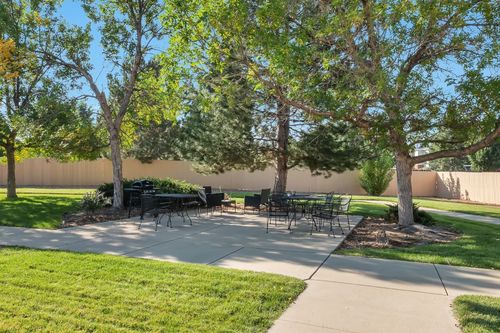
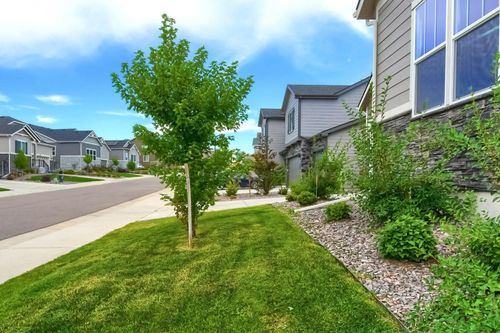
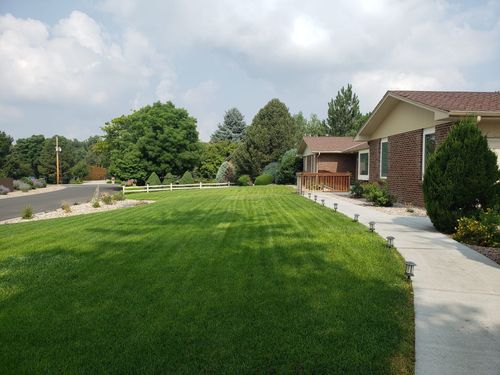
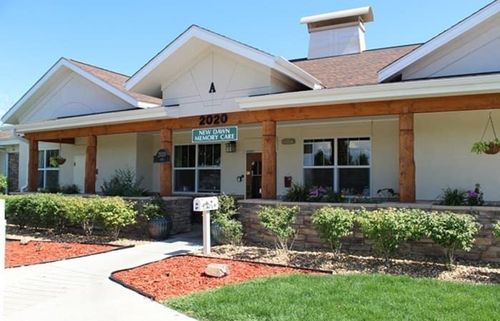
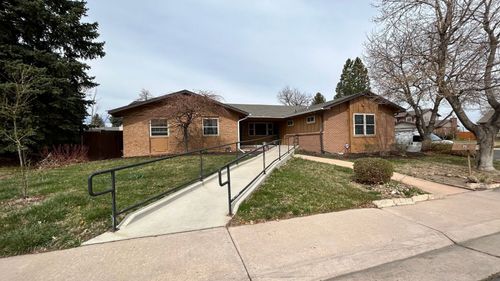
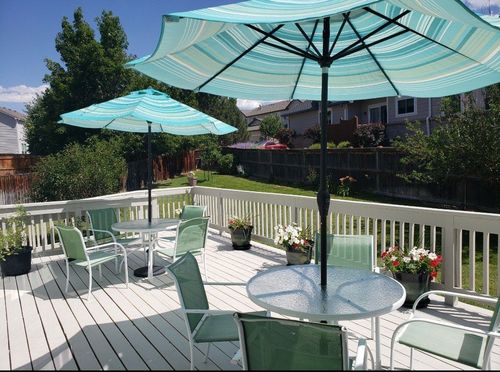

A residential care home is a regular house in a regular neighborhood, four to sixteen residents under one roof, and Aurora has more of them than any other city in our Colorado directory. The 38 homes here are spread through the city's established southeast and central blocks, on streets like Pacific Place, Yampa Way, Kenton Court, and Navarro Drive, where a care home looks like the house next door rather than a multi-story complex. Several are run by small local brands that operate a few houses each, including the Makarios homes, the Rock Creek homes, Cardan Manor's pair on Navarro and Killarney, and Gardens Care Senior Living on Eagle Street.
Families look for this kind of setting in Aurora when a large apartment-style community feels like too much, for a parent who would be overwhelmed in a building of a hundred residents and would do better in a house with a handful of housemates and the same caregivers every day. A residential care home is the opposite of a campus by design, and for the right resident that intimacy is the whole point.
What Living in an Aurora Care Home Is Like
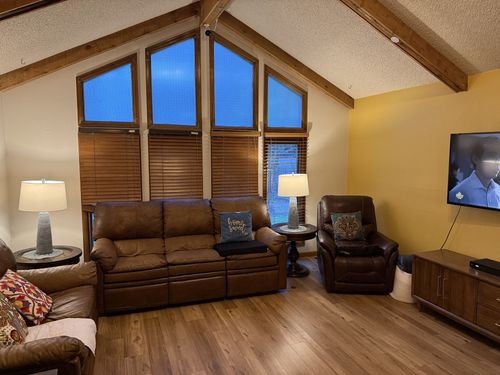
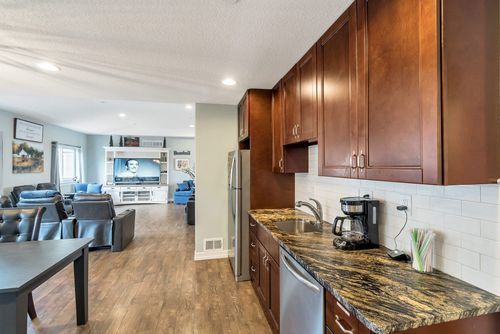
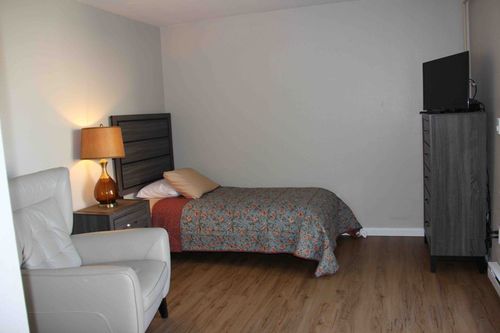
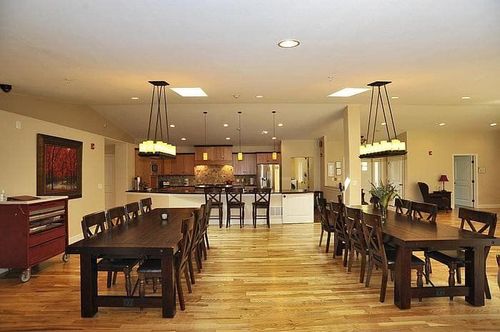
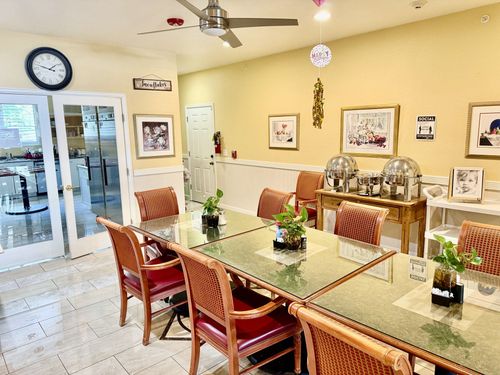
Inside one of Aurora's homes, a resident shares a single-family house with roughly four to sixteen others, eats home-cooked meals at a shared table, and is helped by caregivers who cover that one house rather than a wing of apartments. The staff-to-resident ratio is low, often a single caregiver for three or four residents, which is the structural reason a small home can give the kind of attention a large building spreads thin. The care itself is custodial: help with bathing, dressing, grooming, eating, and getting around, medication reminders and management, light housekeeping and laundry, and supervision around the clock.
Most of Aurora's homes provide assisted living. A few specialize further: Seva on Del Mar Circle and the Gardens Care memory-care house on Carson Way are built for dementia care, where the small, secured, low-ratio setting is often steadier for a memory-care resident than a large floor. The honest trade-off is real, though. A house cannot match a large community's fuller activity calendar, deeper amenities, larger social circle, or on-site clinical staffing, and a resident who needs daily skilled nursing has outgrown what any care home can provide. The small home and the large community are two genuine fits for different people, not a better and a worse option.
What a Care Home Costs in Aurora
Across Aurora's small homes, private-pay rates run roughly $4,500 to $6,600 a month for most houses, with a few starting lower and the larger memory-care homes higher; the smaller four-to-eight-resident houses like Amaris on Oakland and Auburn View on Arkansas often sit near the lower end. That band sits close to Aurora's broader assisted-living market and below the wider Denver metro figure reported in the latest cost-of-care data for 2026. A care home is sometimes comparable to a large community and sometimes a modest premium, because the low caregiver ratio and the home setting are part of what the family is paying for. Many of these homes also accept Health First Colorado for residents who qualify, which can cover the care-services portion of the rate.
How Many Small Homes Aurora Has
Aurora's small-home inventory is unusually deep for the southeast metro, which fits a senior population near 49,000 residents over 65 and an Arapahoe County share projected to climb toward eighteen percent by 2030. That growth is part of why so many board-and-care houses have opened across the city's central and southeast blocks. The flip side of all these houses is bed scarcity at any one of them: a home with eight or ten residents has only eight or ten beds, so the right opening at the right home is genuinely limited even when the city overall has dozens. A family that wants a specific neighborhood or a specific care level usually finds the timing, not the supply, is the constraint, which is why starting the search early helps.
Why Families Choose a Small Home in Aurora
The draw is the feel. In a house on a quiet Aurora street, a resident is known by name, eats meals that taste like meals rather than cafeteria fare, and keeps a daily rhythm closer to the one they had at home. For a parent who finds a big building loud and disorienting, a four-to-sixteen-resident home near family, often within minutes of UCHealth University of Colorado Hospital and the Anschutz specialists, can be the difference between tolerating a move and settling into it. The low ratio means staff who notice a change in a resident before it becomes a crisis, and it means a familiar face at the table every day rather than a rotating roster. For families spread across the Denver metro, having a parent in an Aurora house close to home also makes ordinary visits easy, a Sunday lunch rather than a planned trip.
What a Local Advisor Brings to Aurora
Our Aurora advisor knows these homes individually, which is what the listing cannot tell you: which house has an opening this month, which is assisted-living only versus secured memory care like Seva or the Gardens Care home on Carson Way, and which license type a given home carries for the level of care a parent needs. The advisor has walked the difference between the Makarios houses and the Rock Creek houses and can match a resident to the one where the ratio and the routine actually fit.
That turns nineteen addresses into the two or three houses worth touring, narrowed by neighborhood, budget, and whether a parent needs general assisted living or a secured dementia setting. Get in touch about residential care homes in Aurora, or browse the small homes we have reviewed at your own pace.