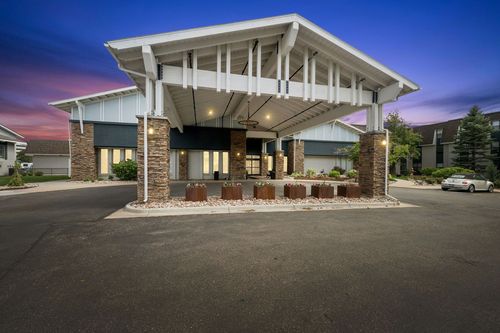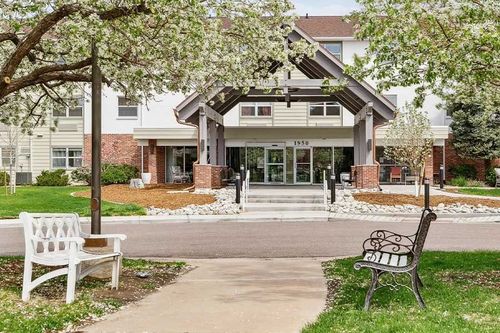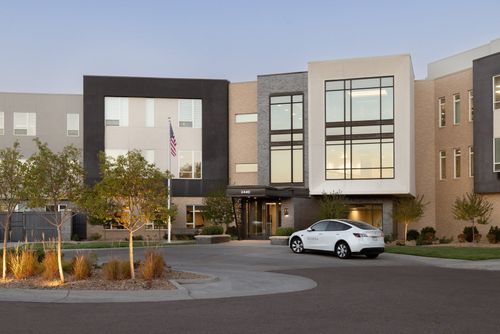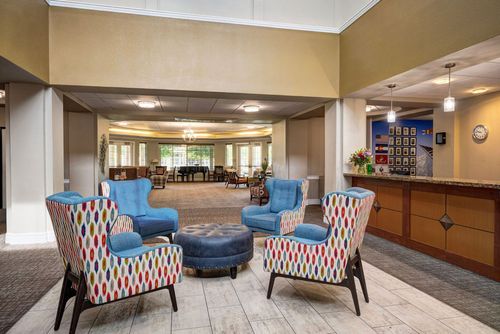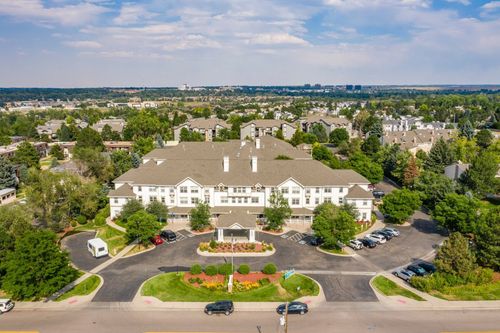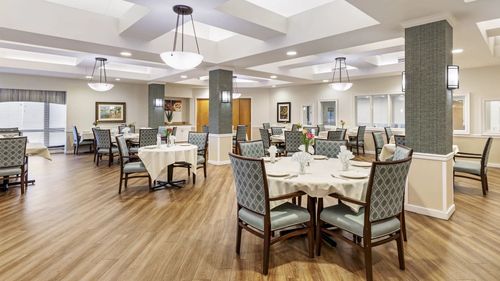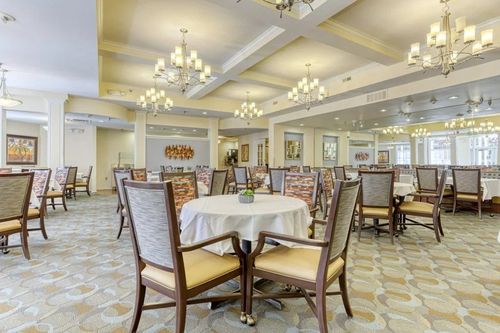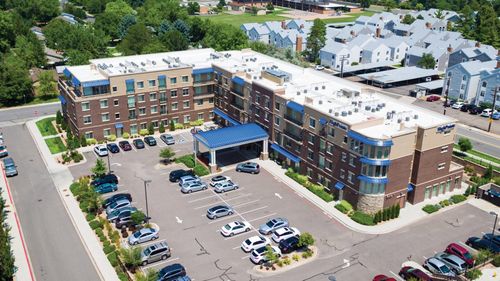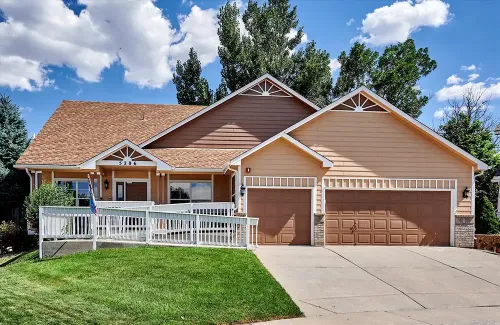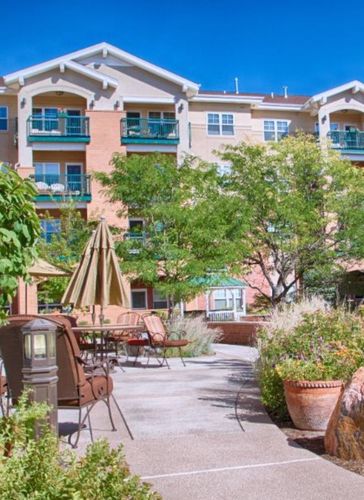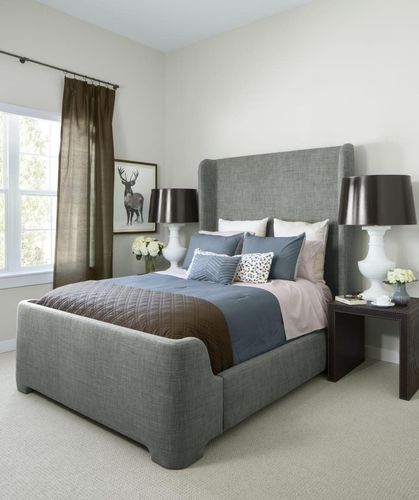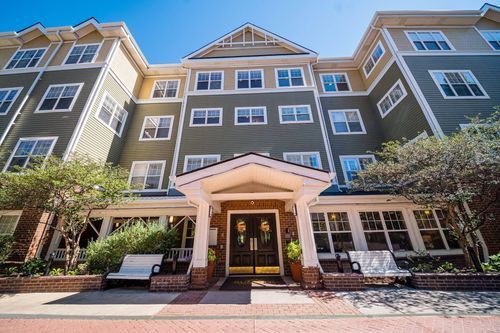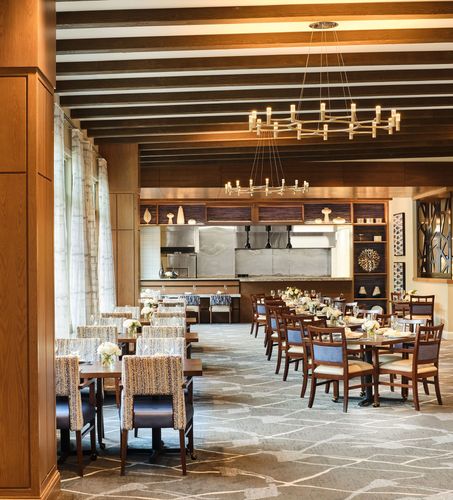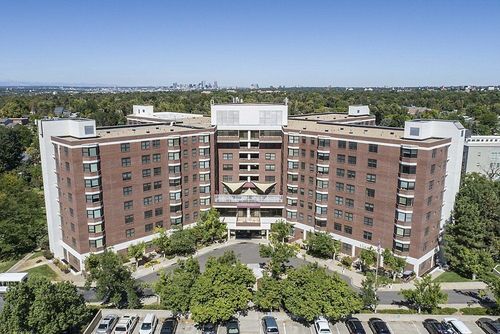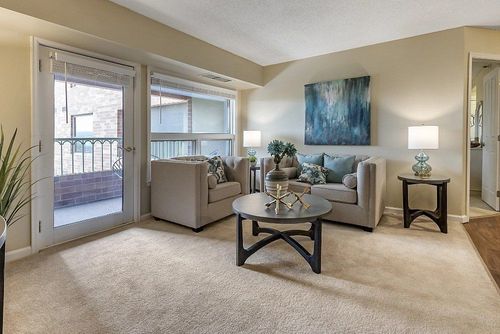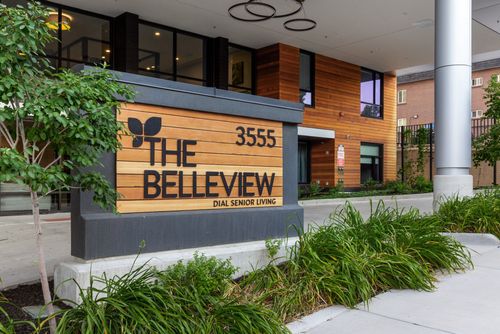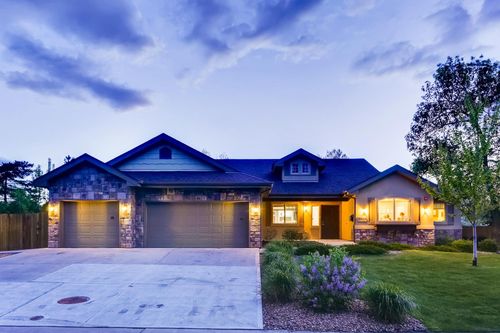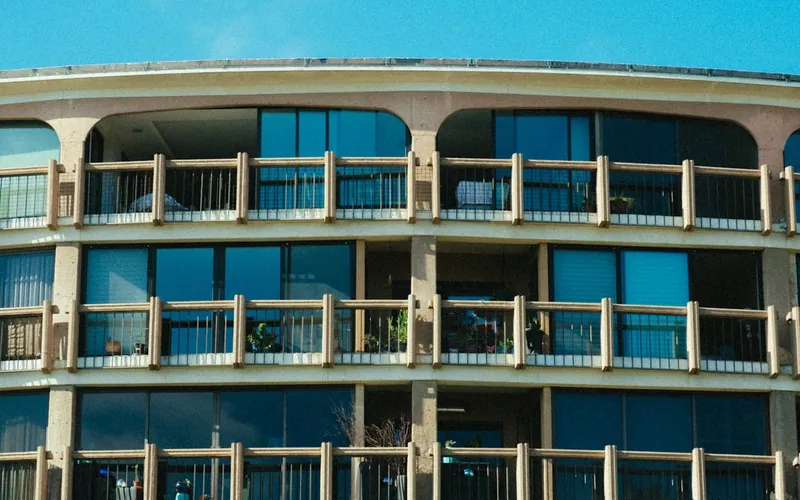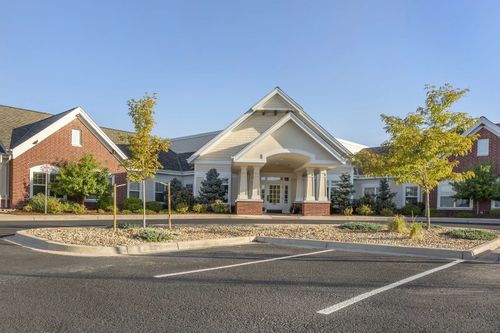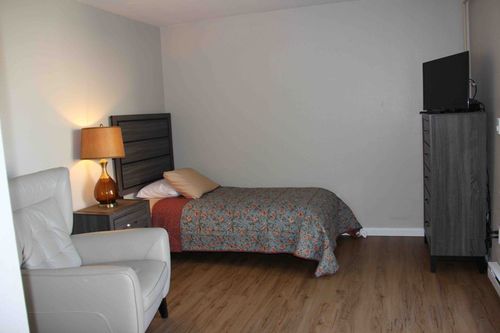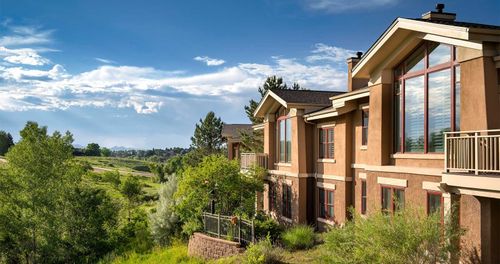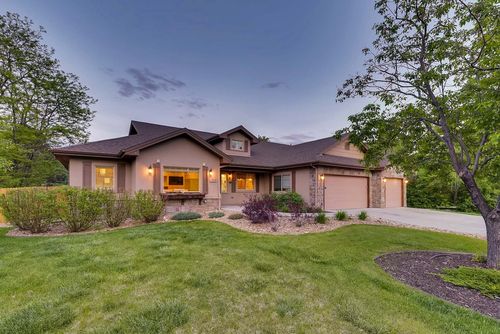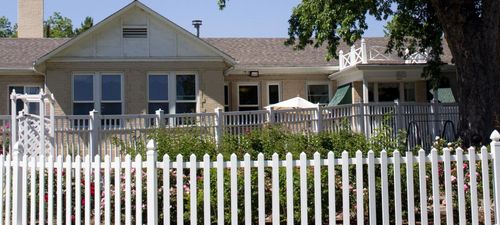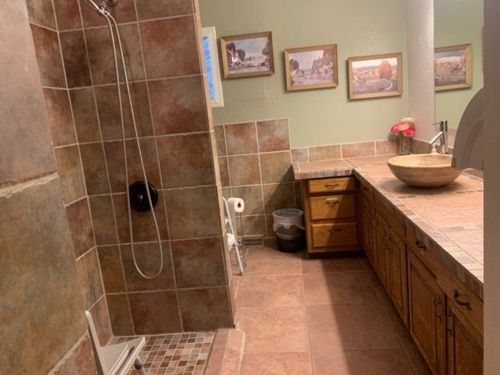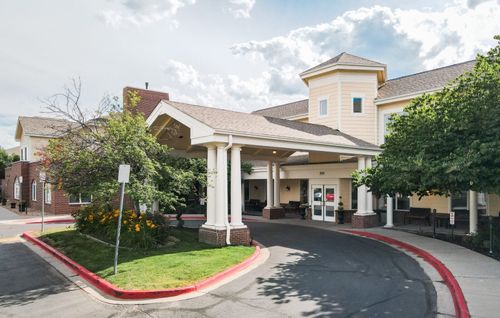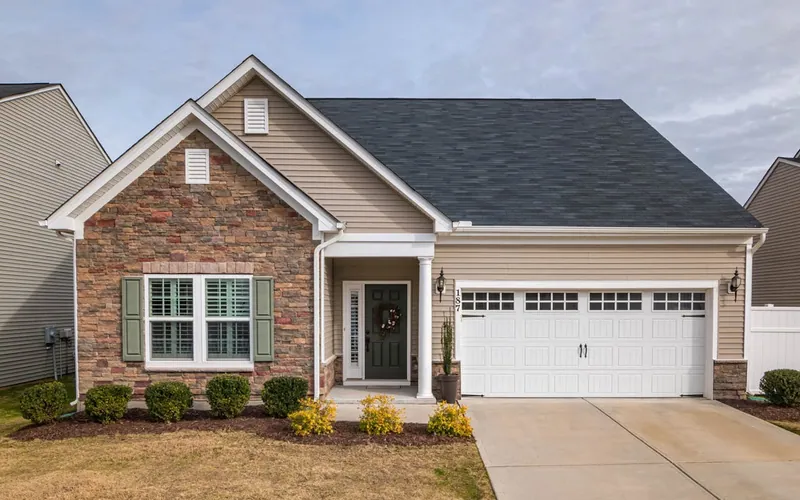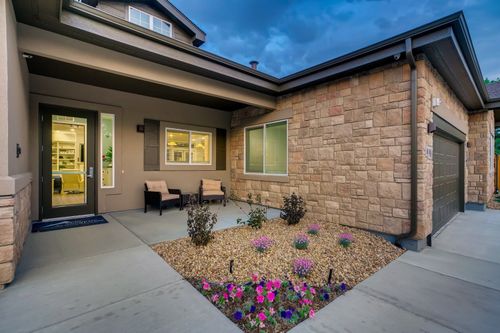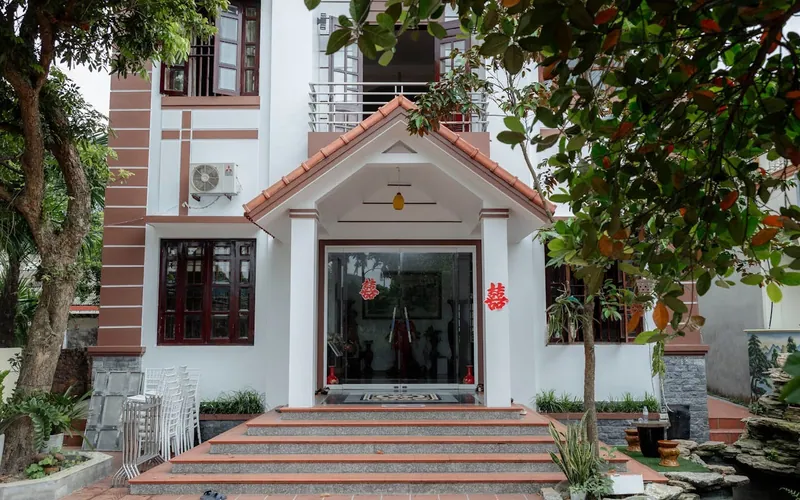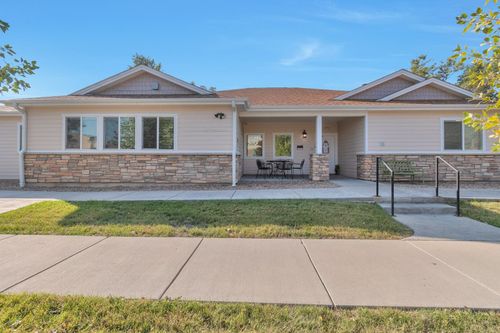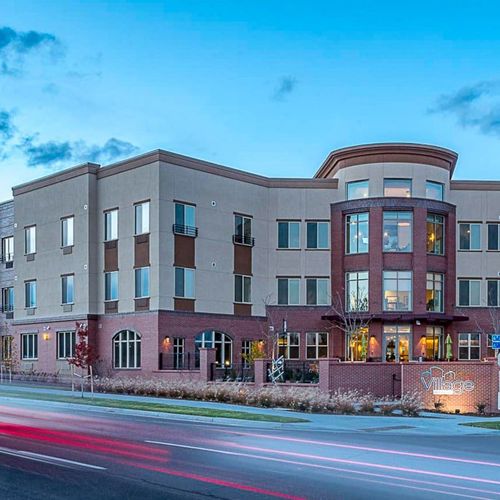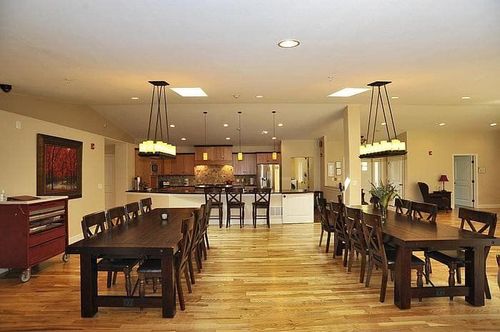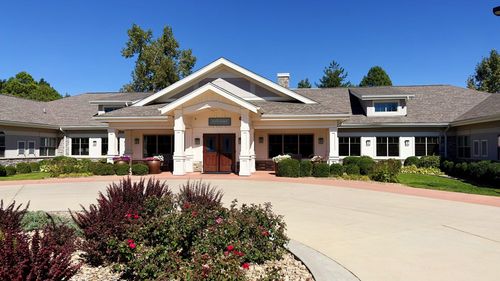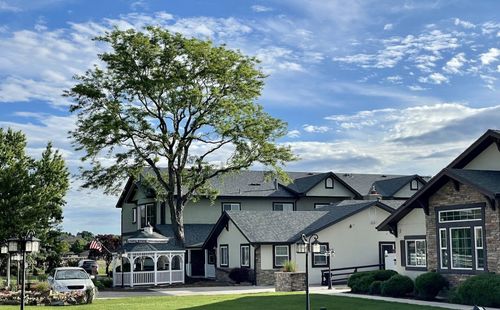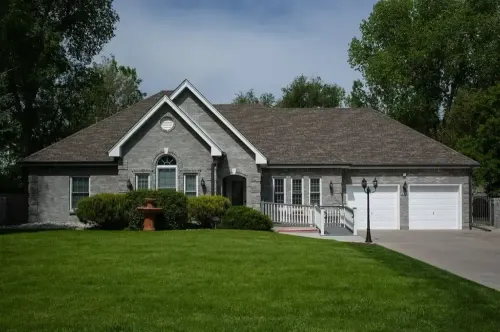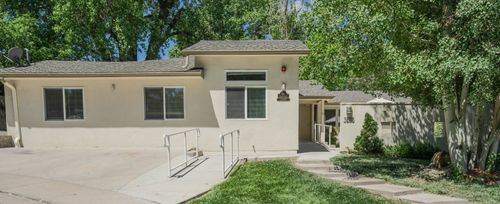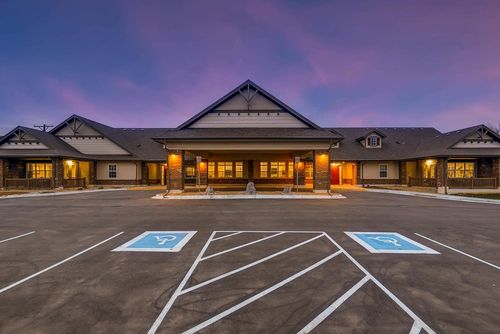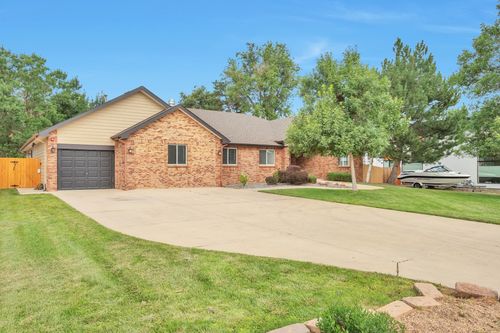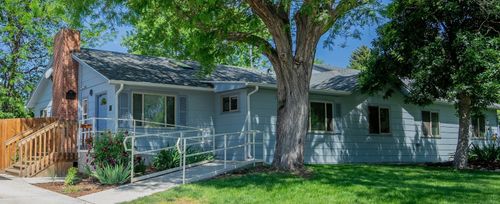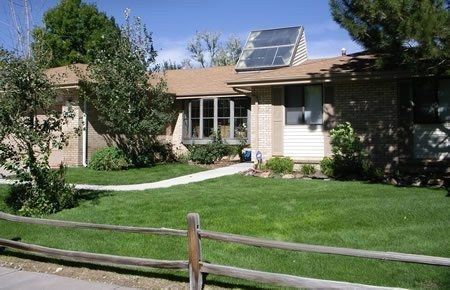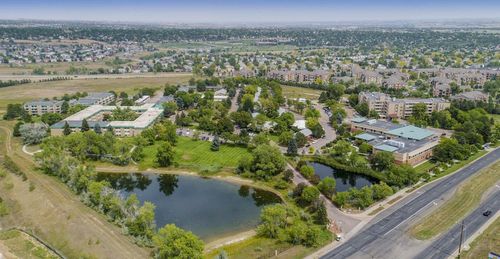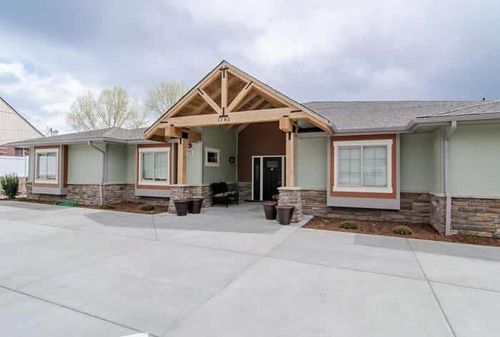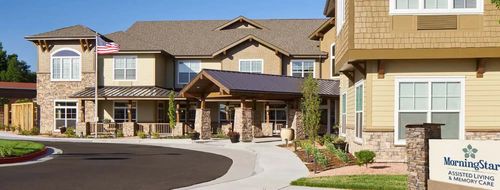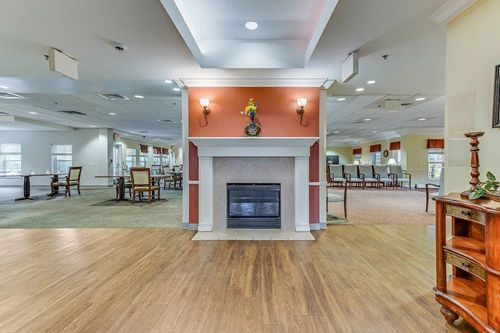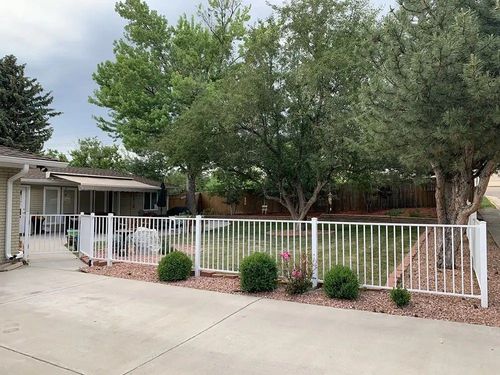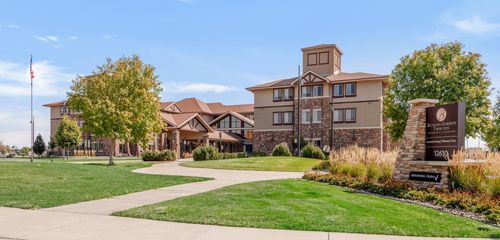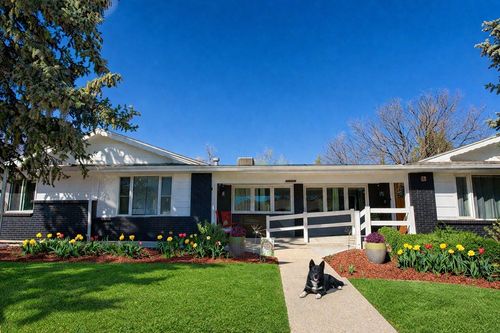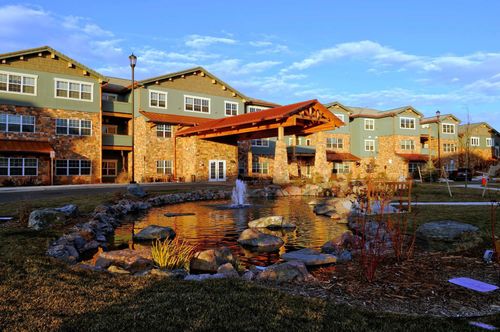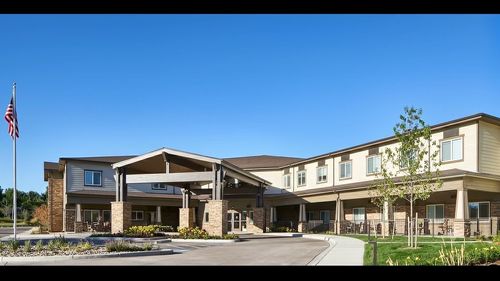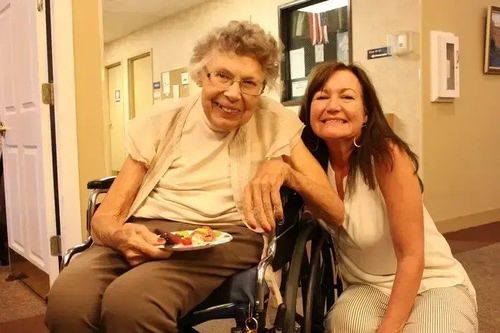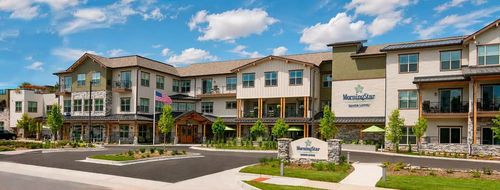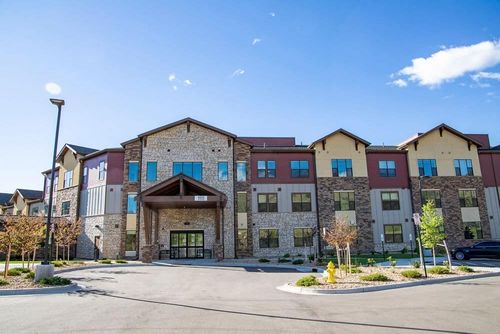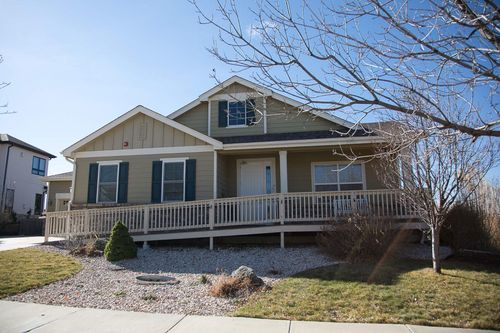
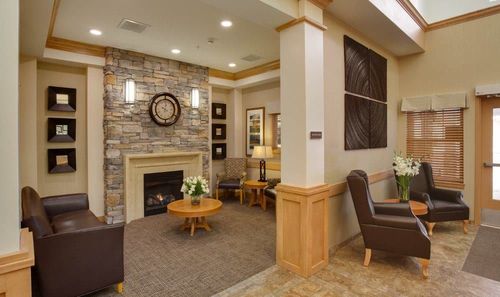
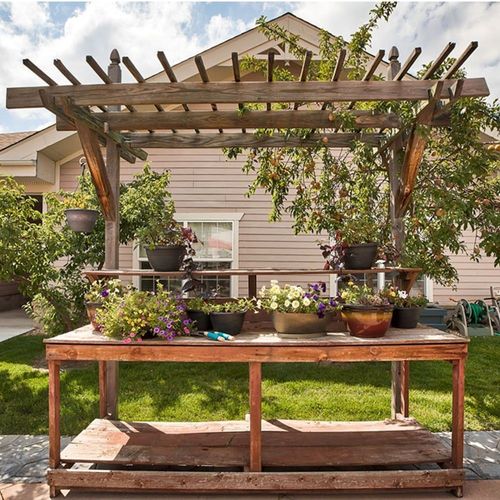
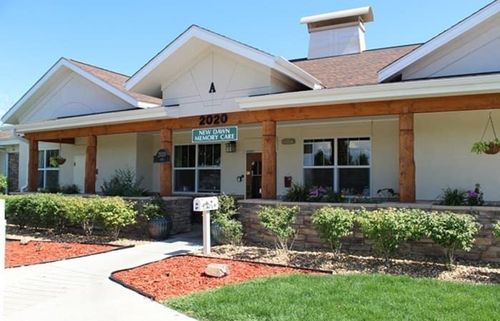

Memory care in Aurora is shaped by its proximity to the Anschutz medical campus, where the University of Colorado's cognition specialists diagnose and follow many of the families who later look locally for a secured setting. The 6 matching communities lean toward smaller, household-style dementia homes rather than large secured wings, with one purpose-built community anchoring the set.
Families reach memory care in Aurora once dementia has outgrown what assisted living or home can safely manage, typically when a parent has started wandering, losing track of time, or needing supervision a non-secured setting cannot give.
Daily Structure and Safety
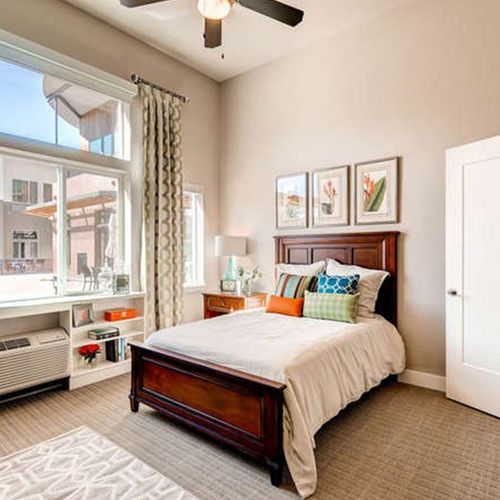
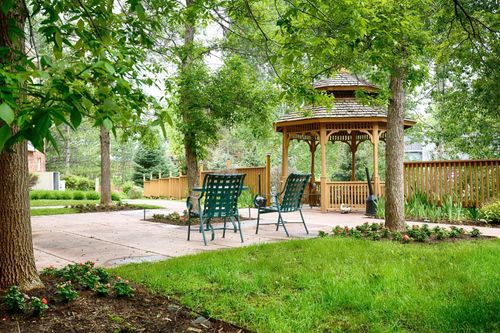
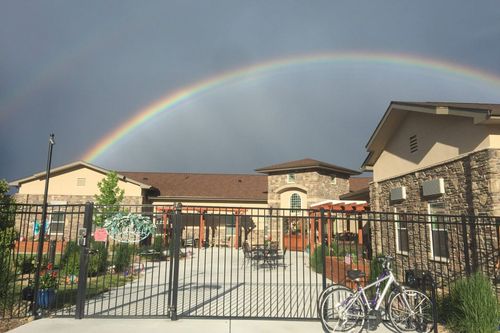
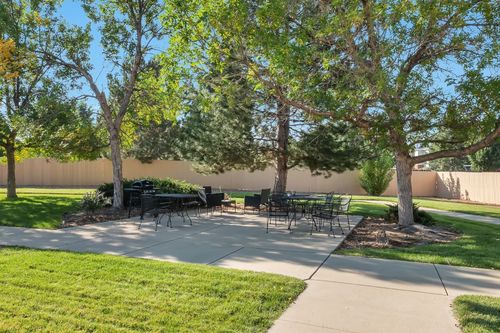
Memory care in Aurora is built on routine, supervision, and trained behavioral support. A steady day of meals, small-group activities, and rest reduces the confusion and anxiety dementia brings, while staff redirect agitation and the restlessness that rises in the late afternoon. Awake caregivers cover the overnight, and secured entrances with enclosed outdoor space keep a wandering-prone resident safe.
Because Aurora's memory care skews toward small dementia homes, many families get a quiet, household-scale setting with a high caregiver ratio, where six to a dozen residents share a calmer rhythm than a large community. The purpose-built larger community offers more amenities and on-site clinical depth for those who want it.
Cost and Coverage
Memory care in Aurora generally runs $6,500 to $7,500 a month in 2026, a step of about a quarter over the same building's assisted living, with the small-home-versus-community choice and a resident's acuity setting the rest.
Memory care can draw Medicaid help through Colorado's Alternative Care Facility benefit, which covers care in a licensed secured building while the resident handles room and board, with Supplemental Security Income sometimes filling part of the gap. Aurora's smaller homes vary in whether they hold waiver rooms, so a Medicaid-track family benefits from checking early; Veterans Affairs Aid and Attendance can also help, which matters in a city with the regional veterans hospital nearby.
Local Demand and Availability
Aurora skews young for a big city, with about twelve percent of residents past 65, but its older population is climbing, and dementia rises sharply with age.
The handful of memory-care settings, weighted toward small homes, can fill a specific room quickly, so a family with a diagnosis does well to look before the need turns urgent.
Why Families Choose Memory Care in Aurora
Families pick Aurora memory care to keep a parent close to the Anschutz specialists who often manage the diagnosis and to children settled across the east metro. With dementia, having the neurologist and the residence in the same part of town simplifies the road ahead.
The city's tilt toward small homes is a genuine draw for families who want a quiet, personal setting rather than a large building, and it lets a parent who is easily overwhelmed settle into a calmer rhythm. Secured design and trained staff carry a resident through the disease's stages.
What a Local Advisor Brings to Aurora
Aurora's memory care is mostly small homes, and the right one depends on a parent's behaviors and stage in ways a listing never shows. The advisor knows which homes take residents who wander or need two-person care, which coordinate with the Anschutz cognition clinics, and which have a room open now.
That keeps a family from touring blind during a stressful stretch. Our directory for Aurora continues to grow as we evaluate providers for quality and alignment in 2026. Pick up the phone about memory care in Aurora, or browse the communities we have vetted at your own pace.