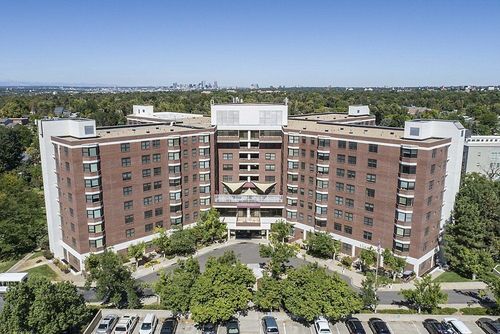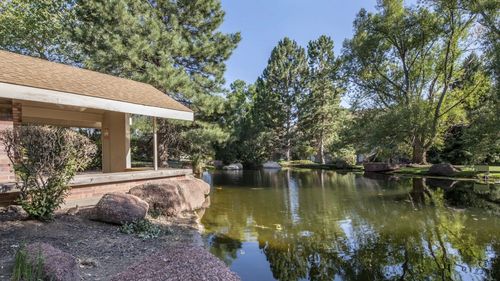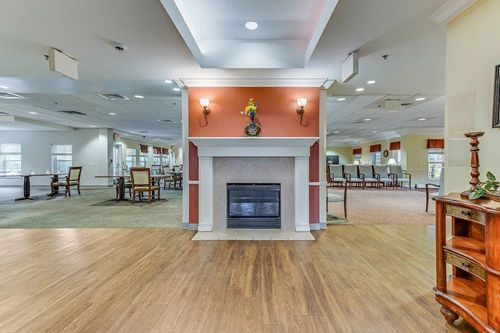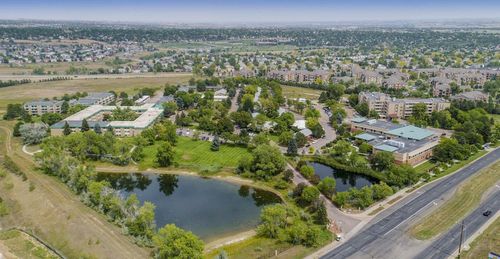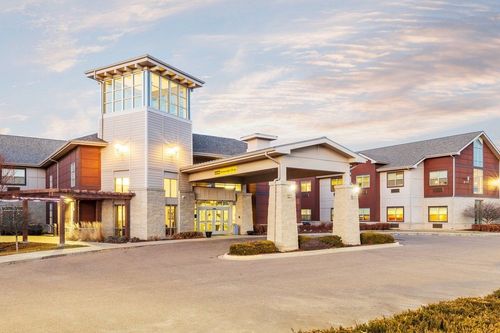
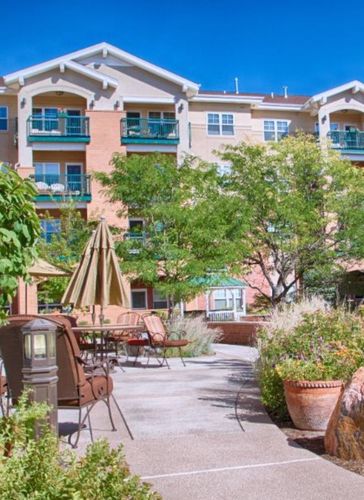
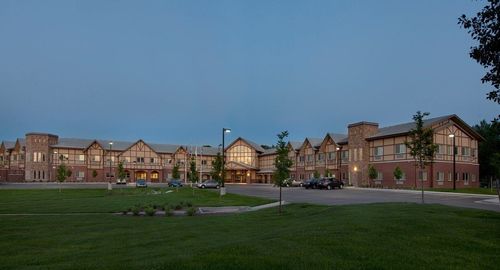

Denver is one of the most hospital-dense cities in the Rocky Mountain West, and that fact explains why its skilled nursing picture looks the way it does. When a parent comes through a stroke, a surgery, or a serious illness at Intermountain Health's Saint Joseph Hospital, HCA HealthONE's Rose Medical Center, Presbyterian St. Luke's, or Denver Health downtown, most short-term recovery runs through hospital-attached rehabilitation units and freestanding skilled nursing centers, not through residential senior-living campuses. So within this directory the skilled-nursing-level set is deliberately small. Only 3 community, Clermont Park in southeast Denver, folds nursing-level care into a broader residential campus rather than operating as a stand-alone clinical facility.
That narrowness is the point, not a gap. Skilled nursing is the level a hospital case manager orders when someone needs licensed nurses on duty around the clock and daily physical, occupational, or speech therapy. It sits a step above assisted living, which helps with bathing and medications, and it is different from memory care, which is built around dementia safety. A family usually has days to decide, not weeks, because the discharge date belongs to the hospital.
Round-the-Clock Nursing, With Somewhere to Land After
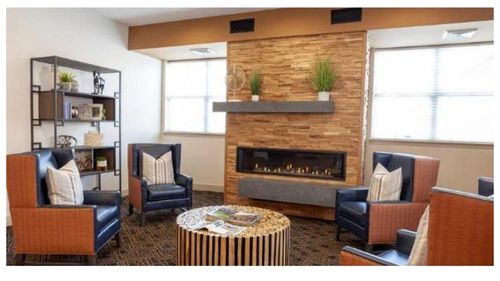
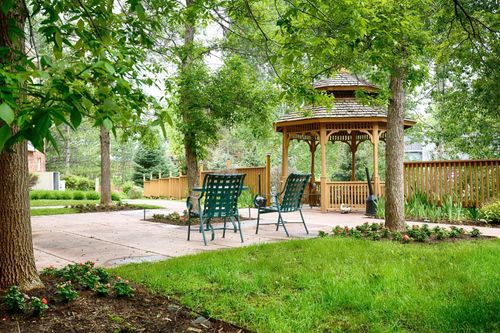
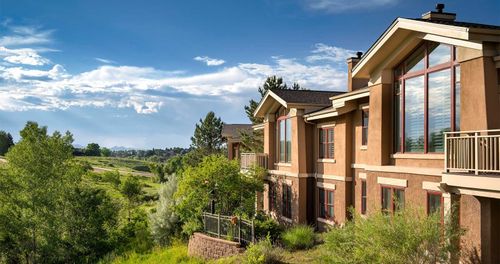
What skilled nursing provides is consistent wherever it is delivered: registered and licensed practical nurses on the floor at every hour, medication and wound management, and therapy aimed at rebuilding strength after a hospital stay. What a residential campus like Clermont Park adds is continuity. Because nursing-level care sits as one level inside a community that also offers assisted living and long-term support, a resident can move from a short rehab stay into a longer-term setting without changing buildings or starting over with new faces and a new address. For families who do not yet know whether a stay is temporary or permanent, that continuity is what matters most.
Denver's hospital density also keeps follow-up close. The same networks that handle the initial admission, Saint Joseph, Rose, and Presbyterian St. Luke's, sit a short drive away for the specialist visits that often follow a complex recovery.
Two Pay Clocks: Medicare Recovery and Long-Term Care
Unlike the rest of senior living, skilled nursing is billed by the stay and the pay source, so a single monthly rent rarely fits. A short recovery stay after a qualifying hospital admission is often covered by Medicare for up to 100 days, with the first 20 days paid in full and a daily coinsurance near $217 after that in 2026. Once that window closes, a longer self-funded nursing stay in the Denver area commonly runs from roughly $8,000 a month for a shared room to about $10,000 for a private one, which is higher than the national average and reflects Colorado's costs.
Health First Colorado, the state's Medicaid program, covers long-term nursing care for residents who meet the medical-need and financial limits, and it is the most common way families fund a permanent stay once Medicare's short-term coverage ends. The practical reality is two pay clocks running at once, a Medicare-covered recovery and a Medicaid or private-pay long-term stay, approved on entirely different terms.
Why Hospitals Absorb Most of the Demand
Close to one in eight Denver residents, about 90,000 people, is 65 or older, and the number living with the kind of acute illness that leads to a nursing-level stay climbs alongside it. Yet the residential skilled-nursing set stays small here precisely because the city's hospitals and freestanding rehab centers absorb most of that demand. When a family does want a residential campus that carries the nursing level and connects to longer-term care, the directory option is Clermont Park, and a discharge date set by the hospital often means availability and the right pay source have to line up inside a two-to-three-day window.
Beating the Hospital's Discharge Clock
What makes skilled nursing hard is the speed, not the selection. The discharge date belongs to the hospital, so the real question is whether a residential bed is open and accepts the right pay source before that date arrives. I know when Clermont Park has a nursing-level opening, how its continuum lets a short rehab stay turn into a longer one, and where the hospital-attached and freestanding centers fit when a purely clinical stay is the better path. I also read the Medicare-then-Medicaid timeline, the point where a 100-day recovery benefit ends and a long-term funding source has to take over, and line up the paperwork before that gap opens.
When a hospital sets the clock, a fast and accurate match is worth more than a long list. Reach out for free, local guidance, or browse the communities we have vetted across Denver.