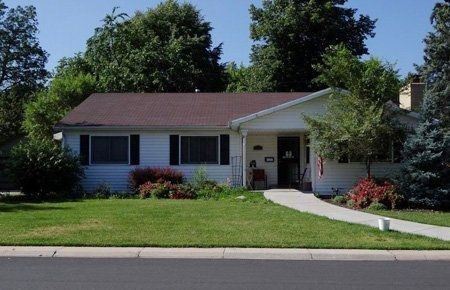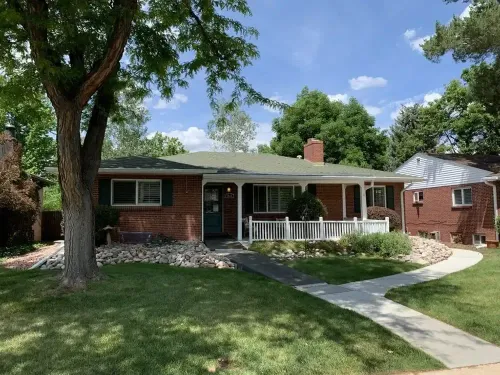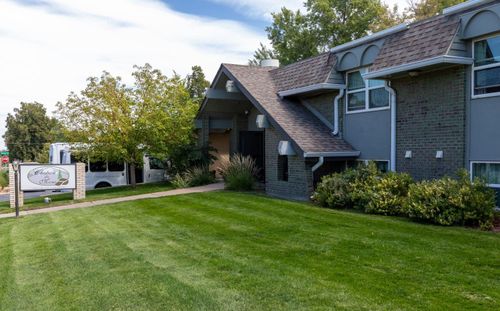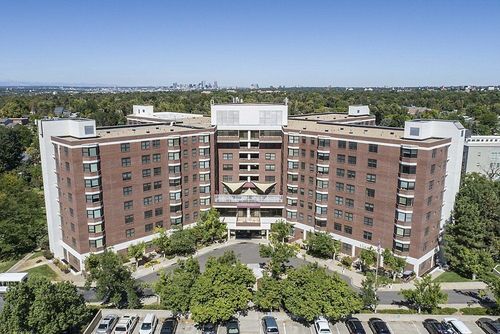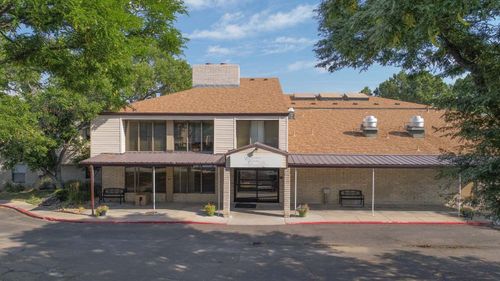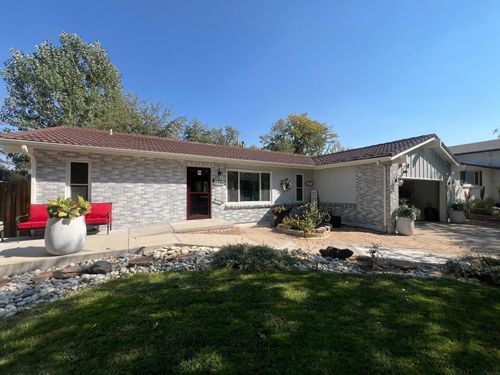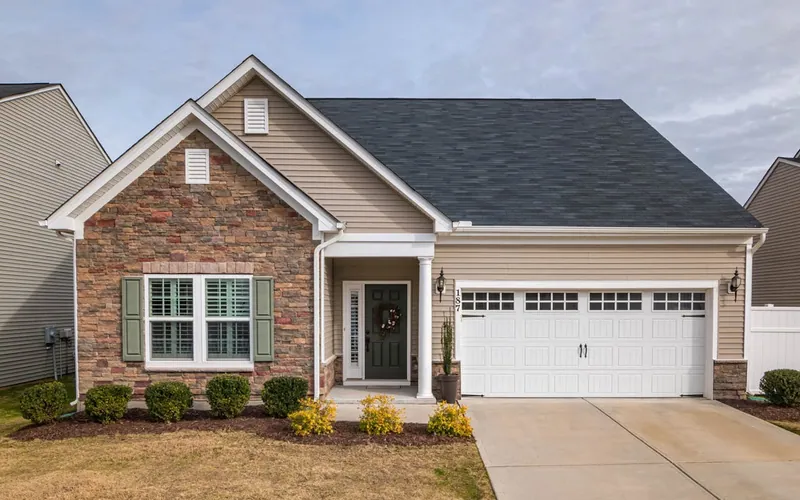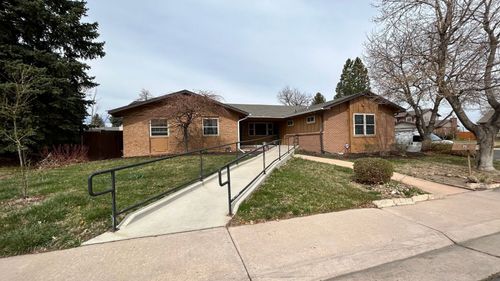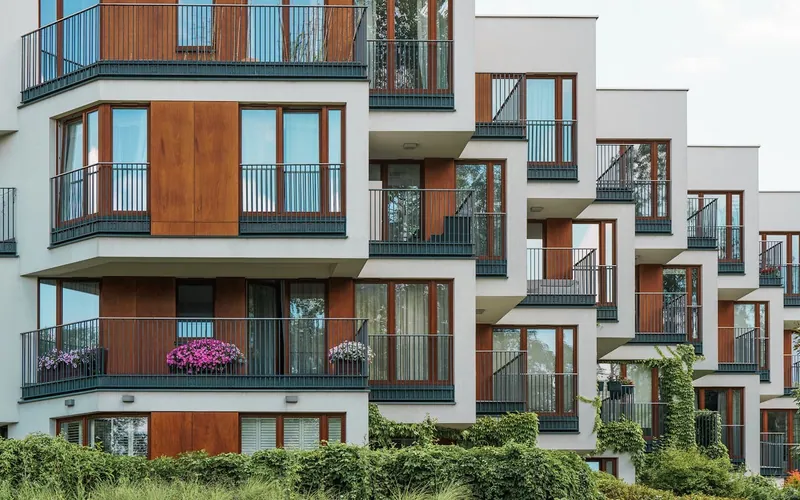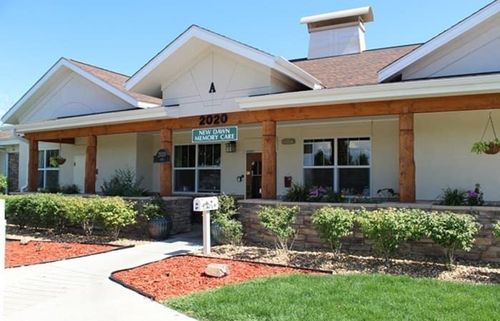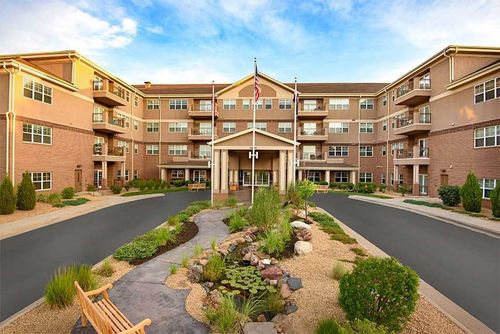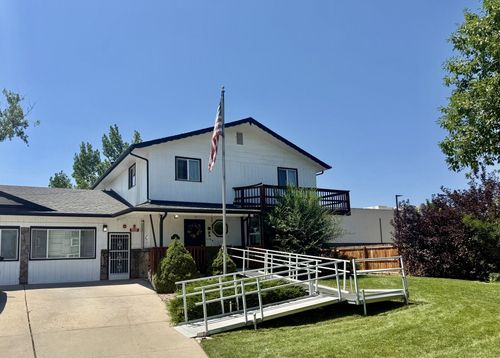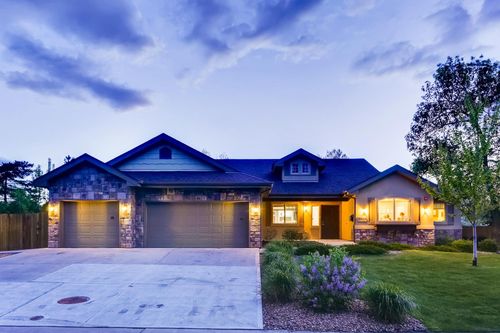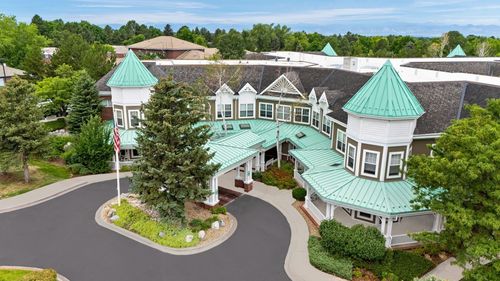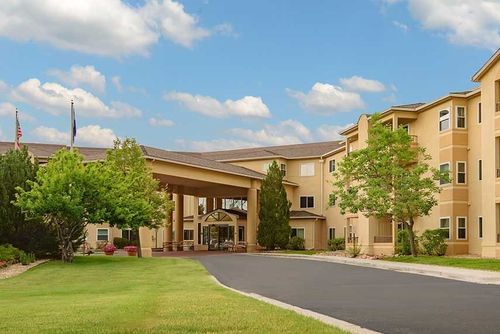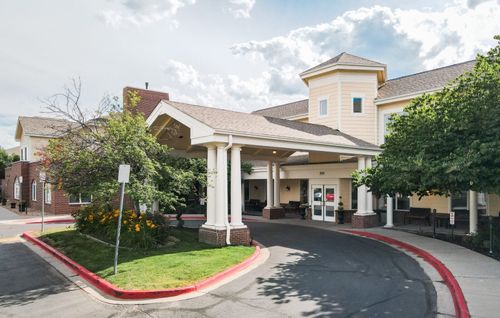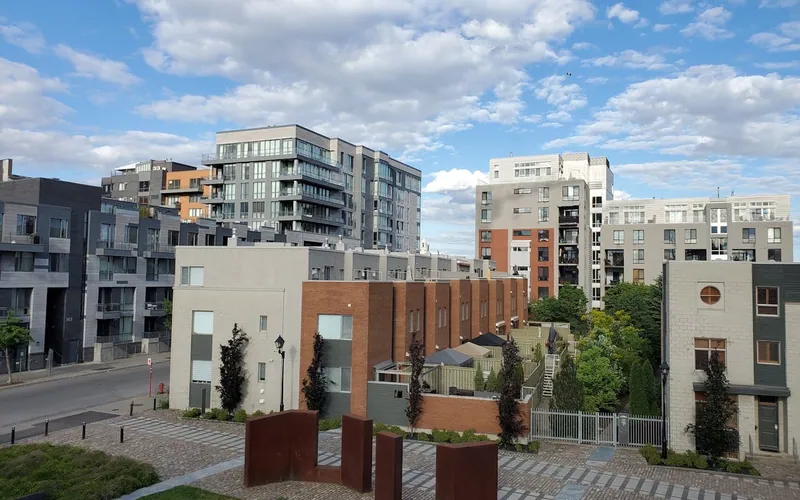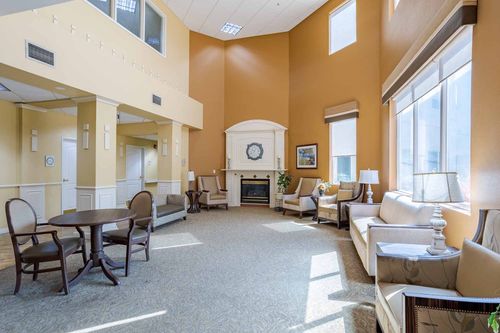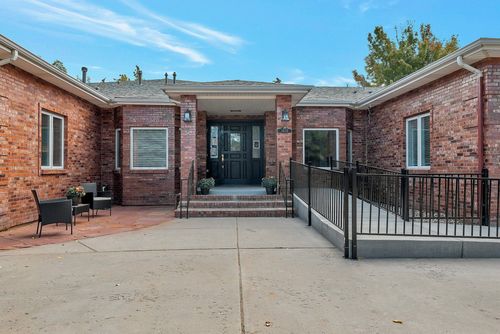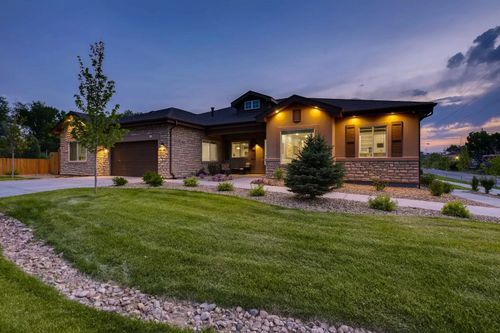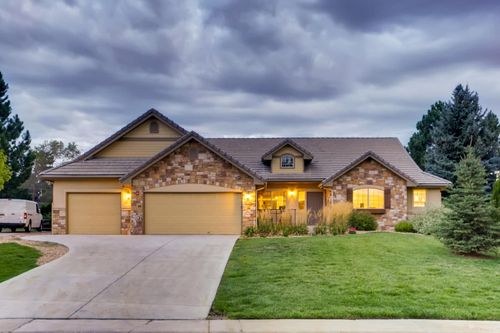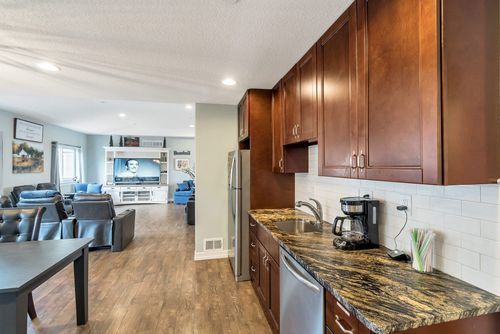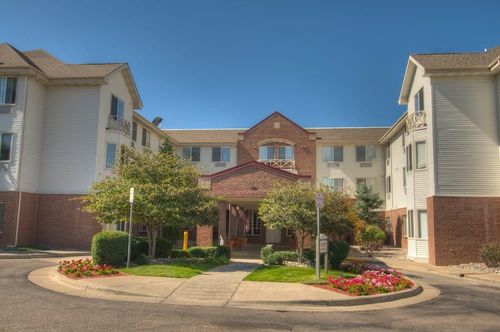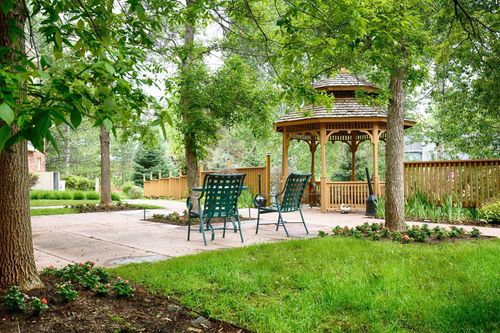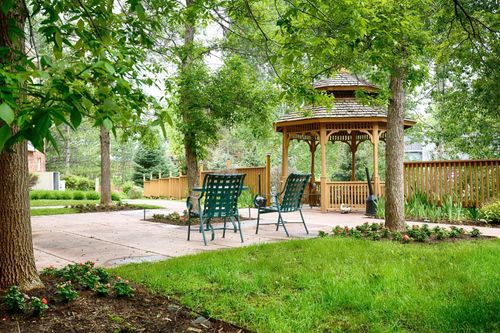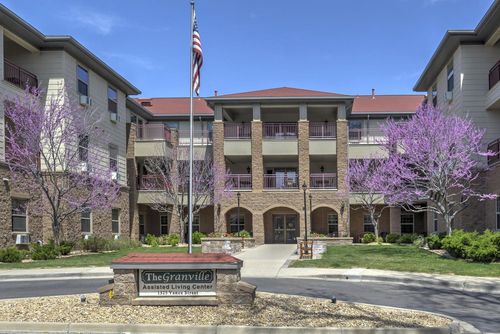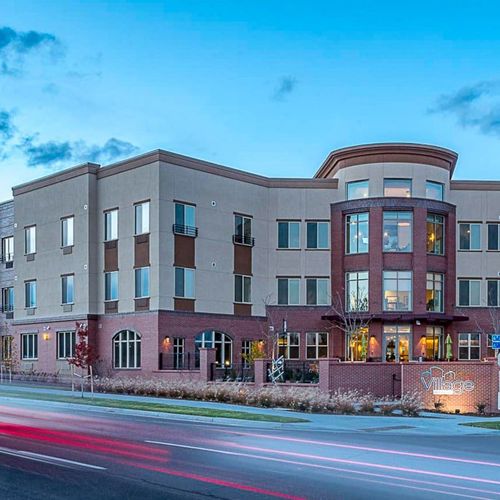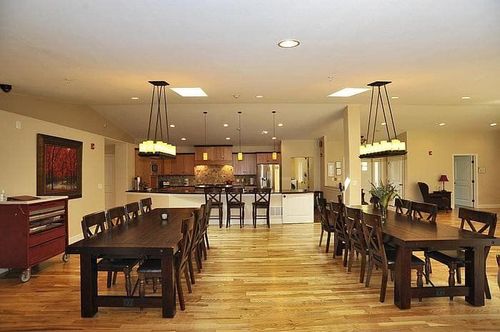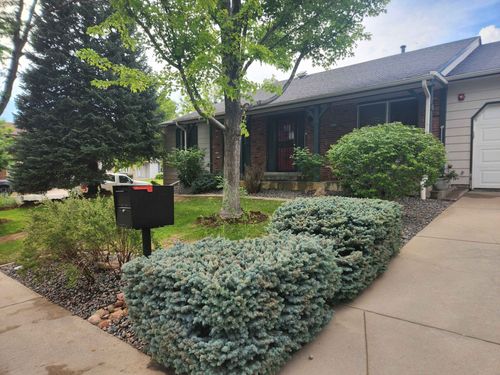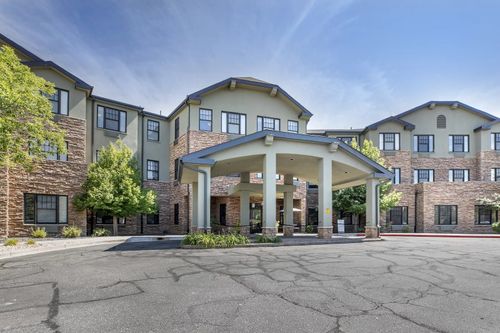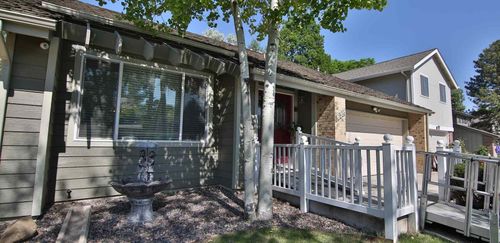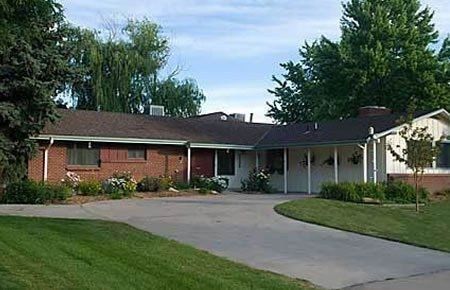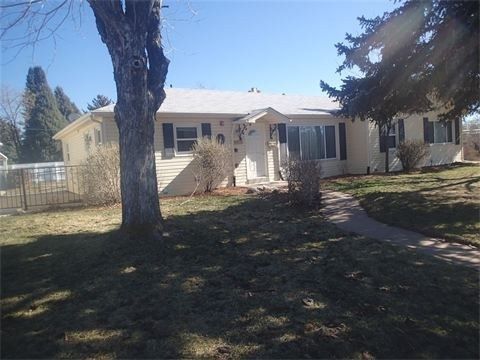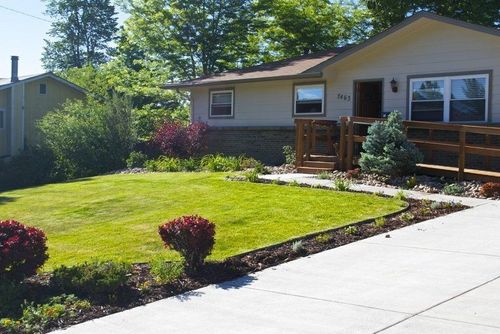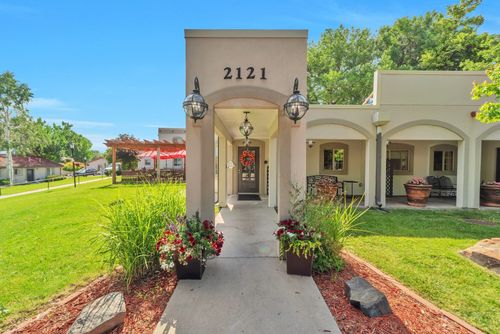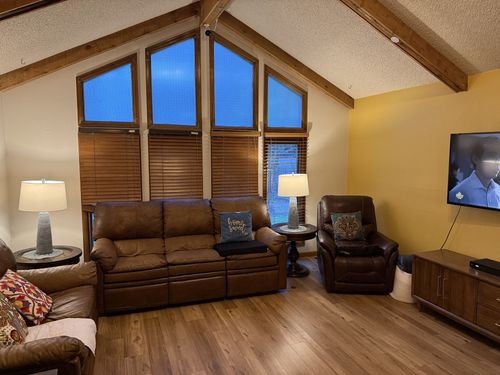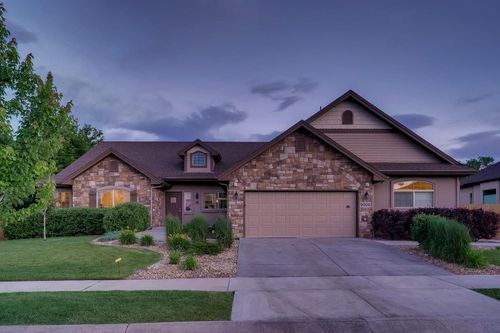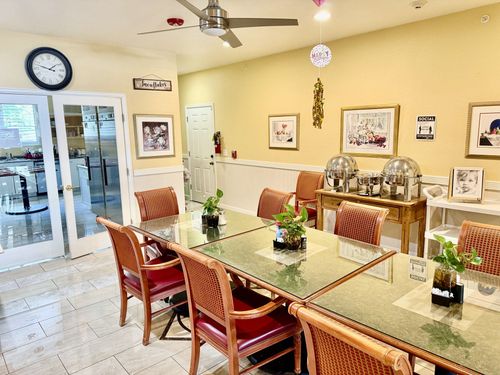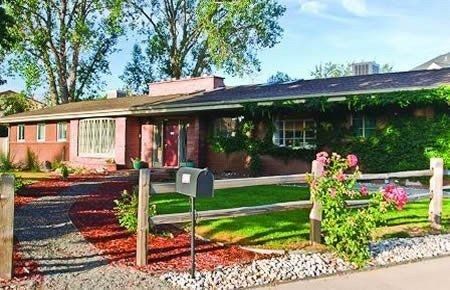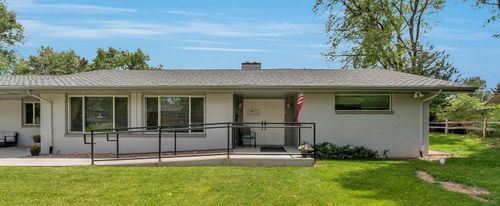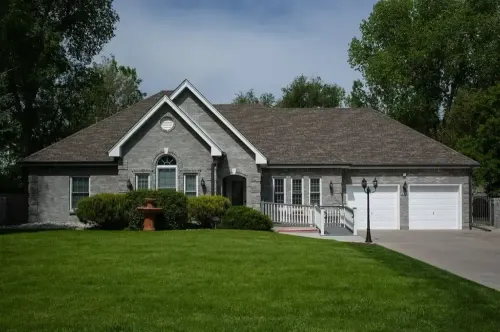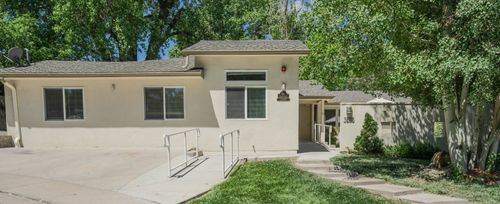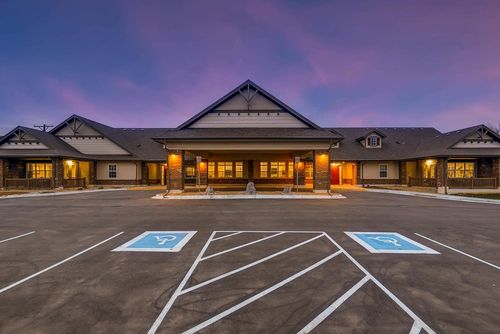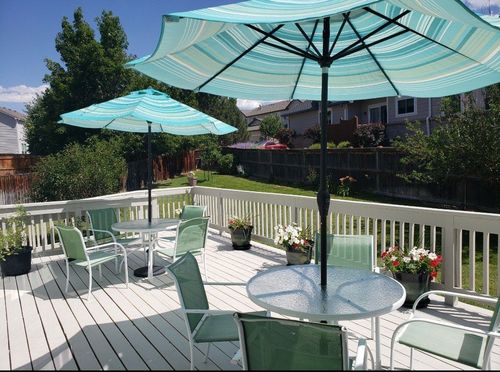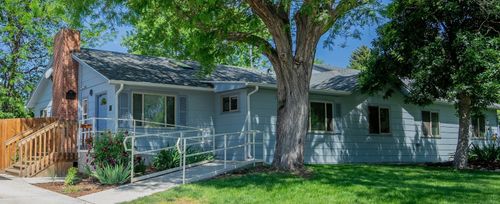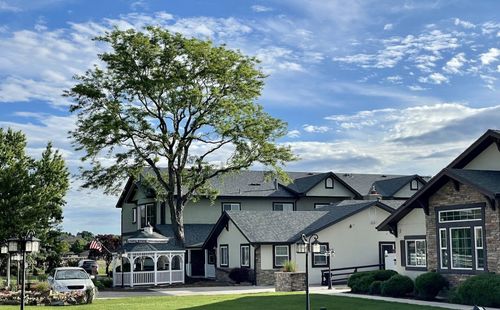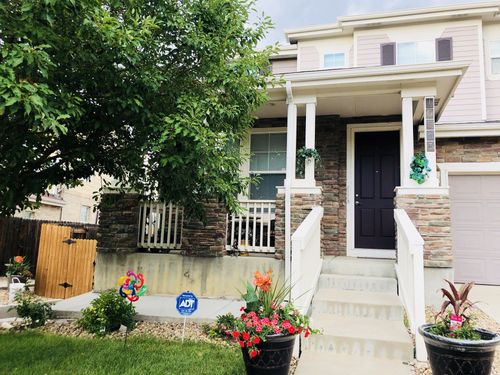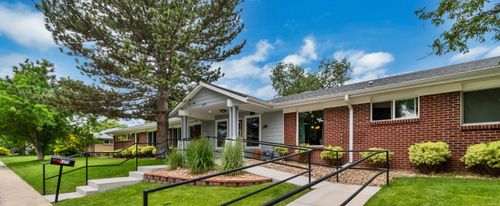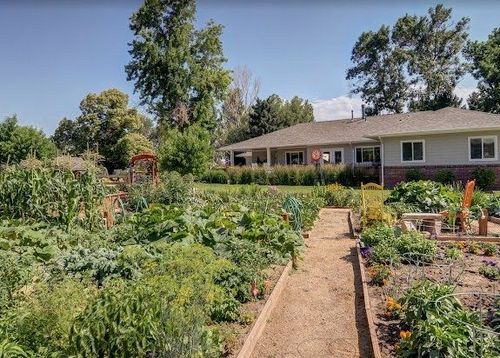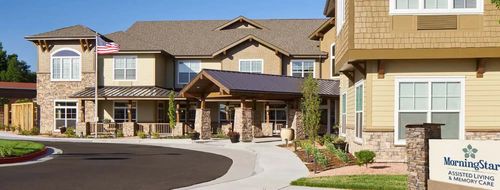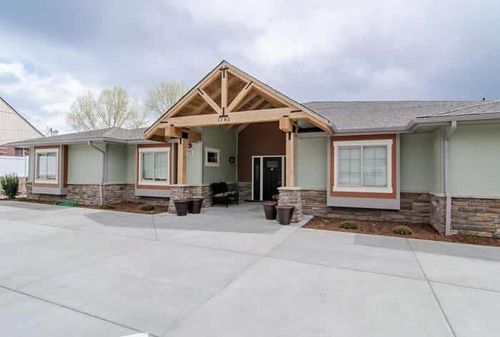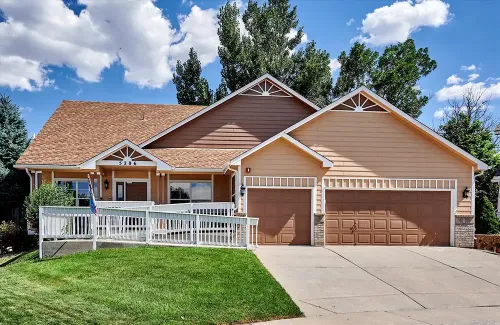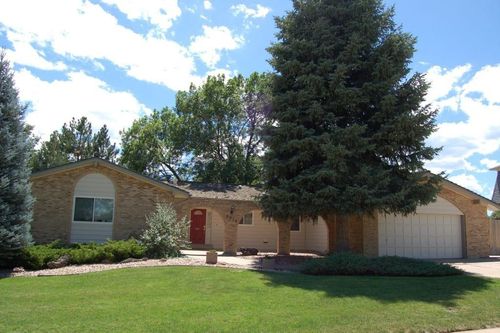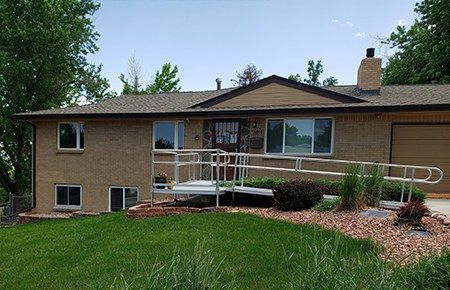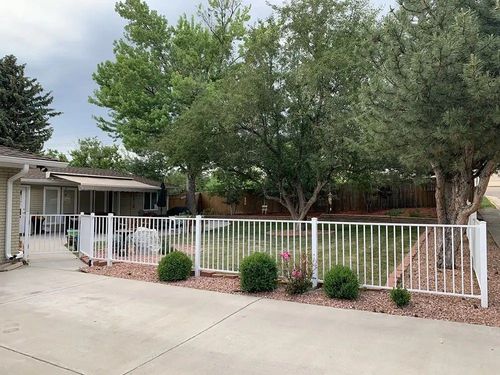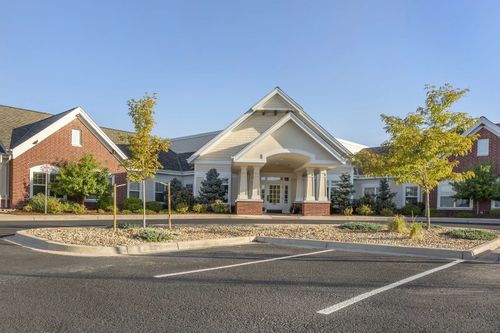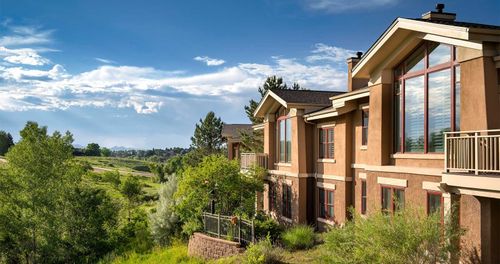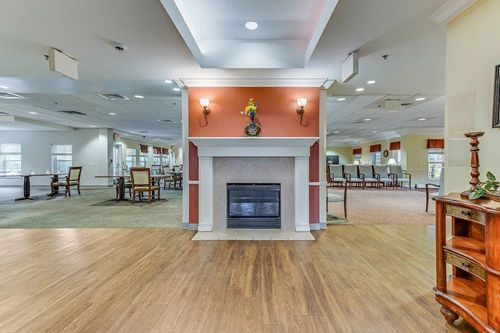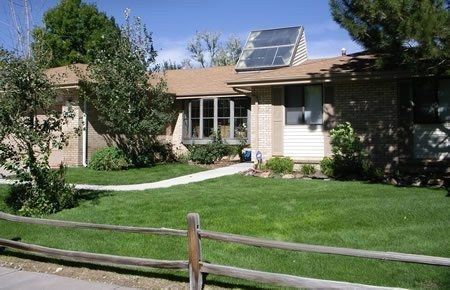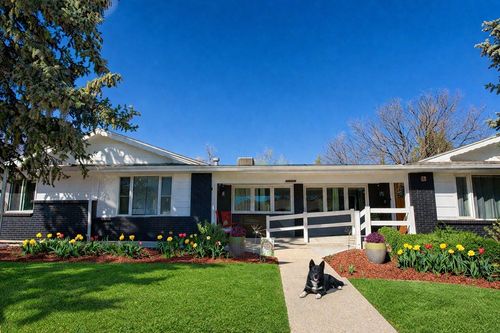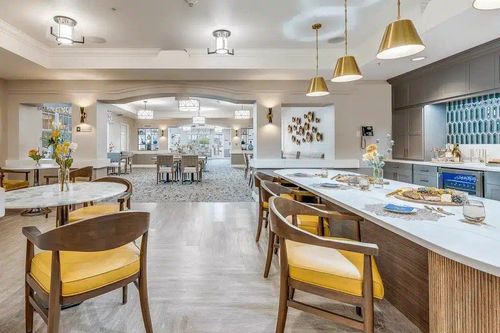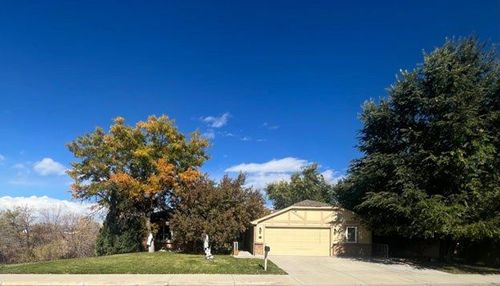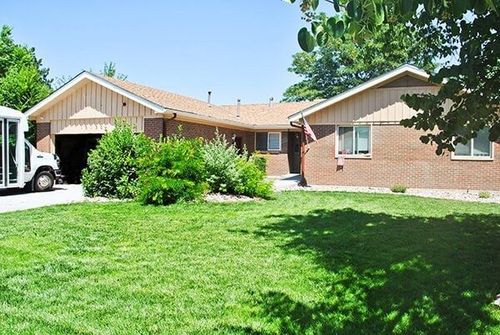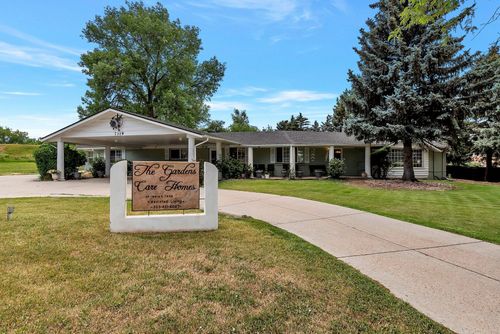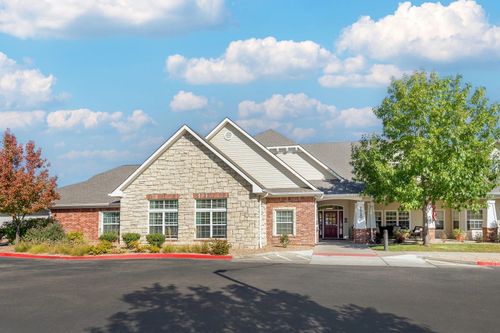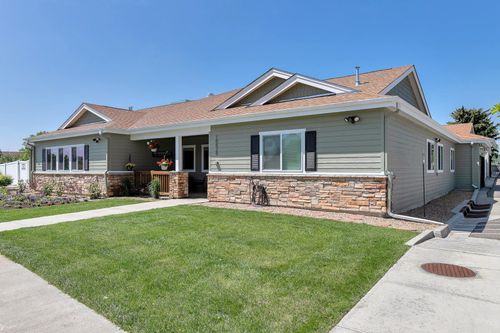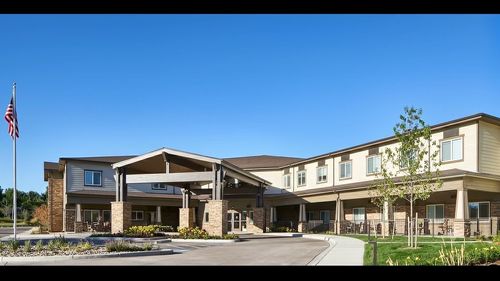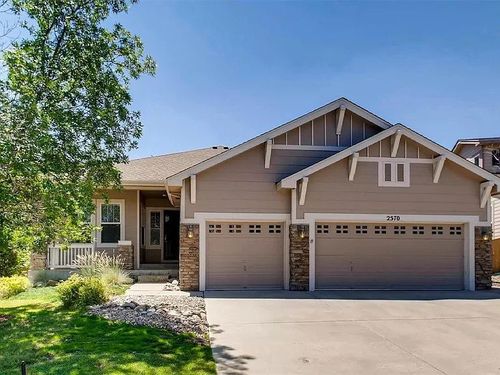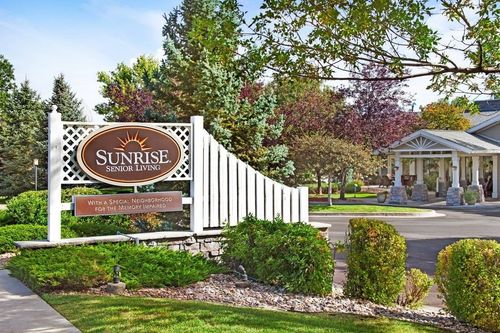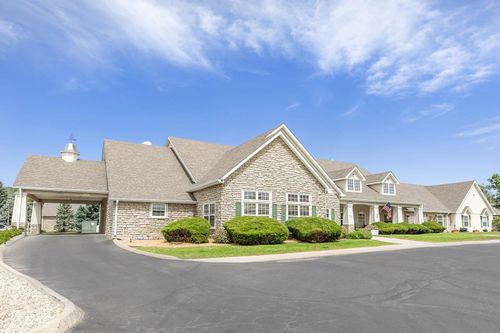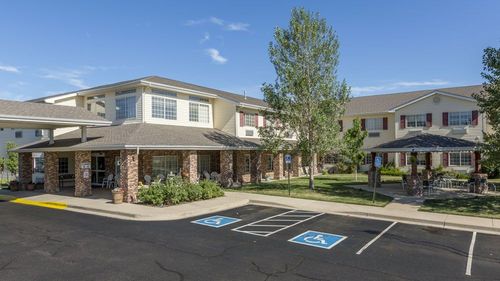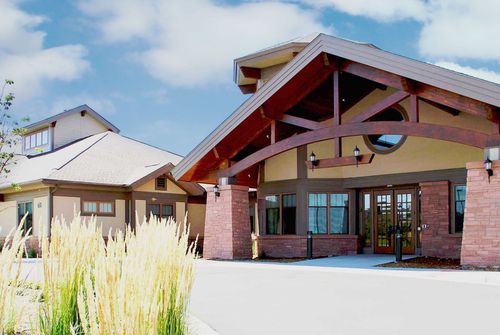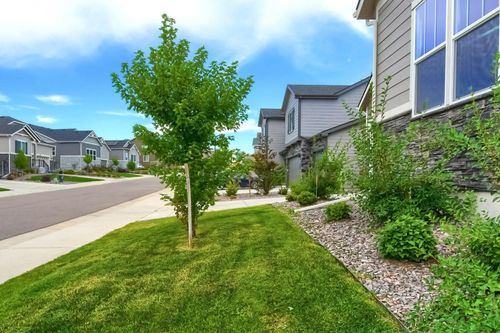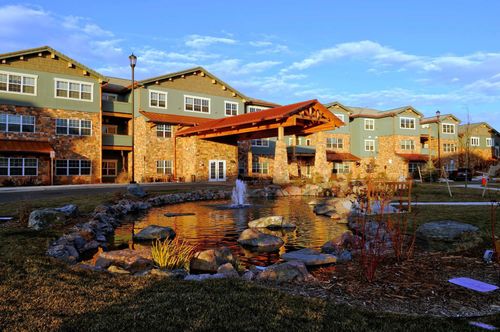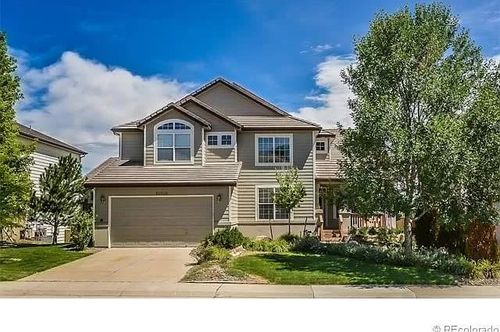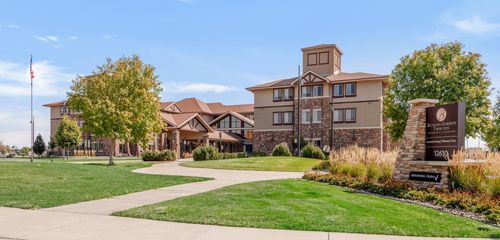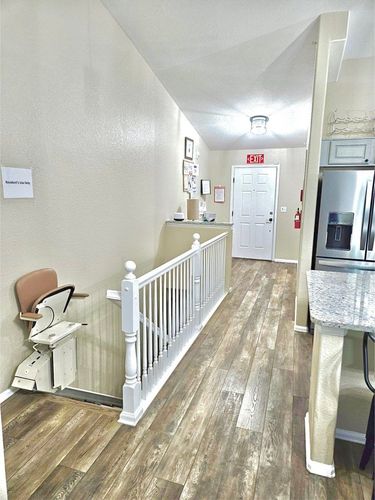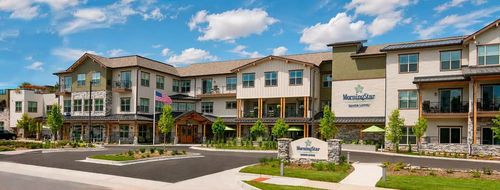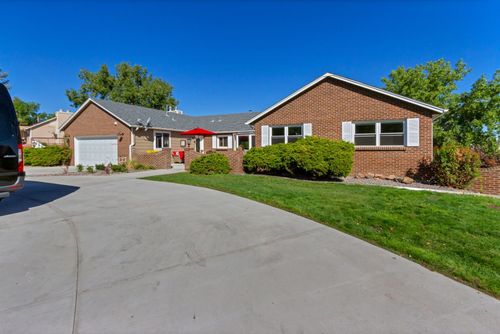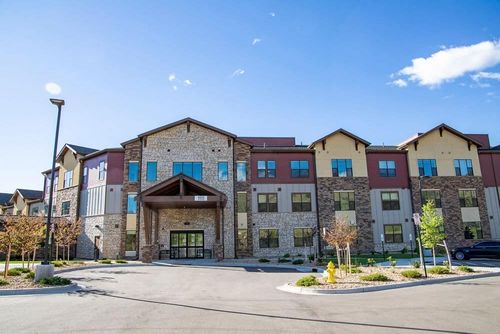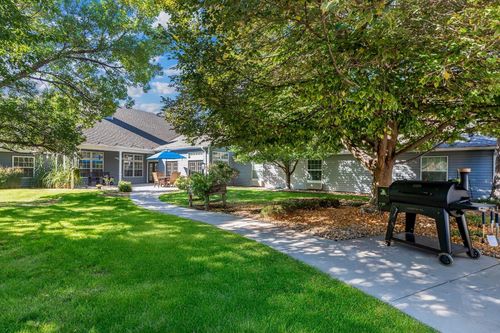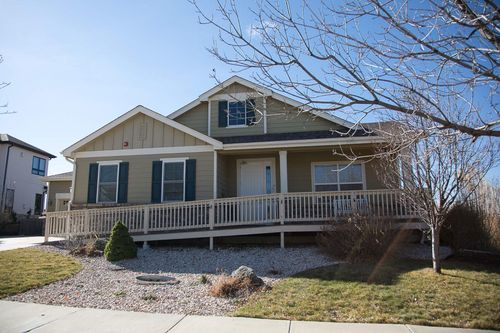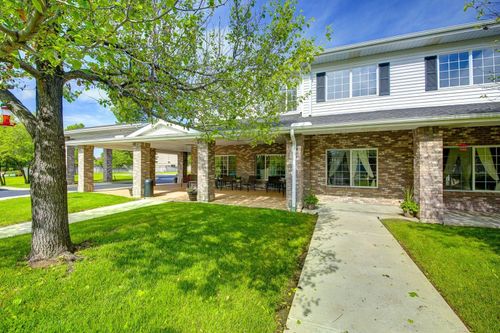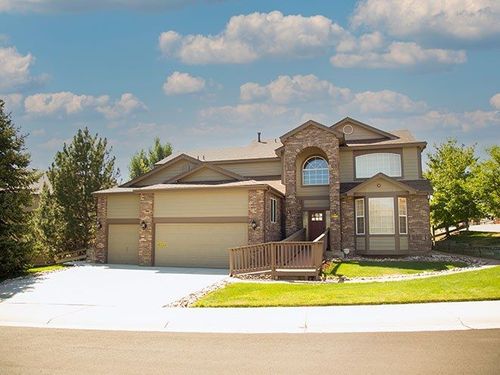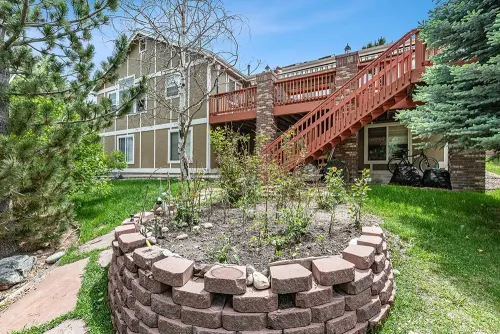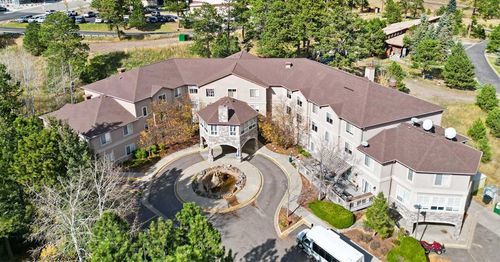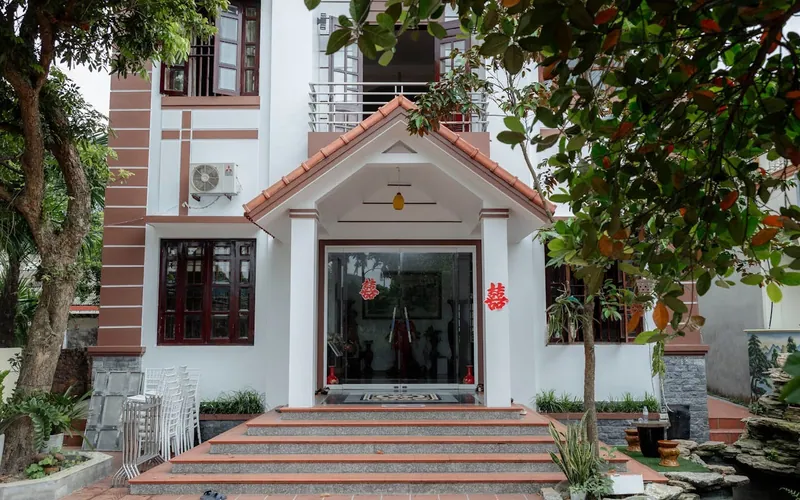
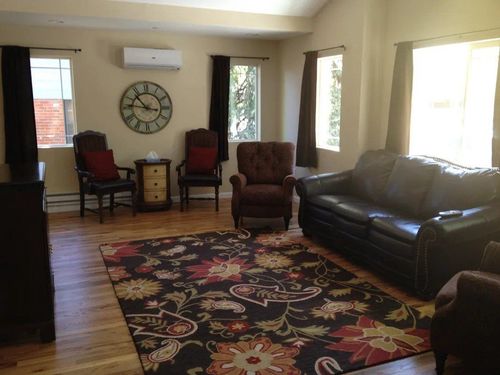


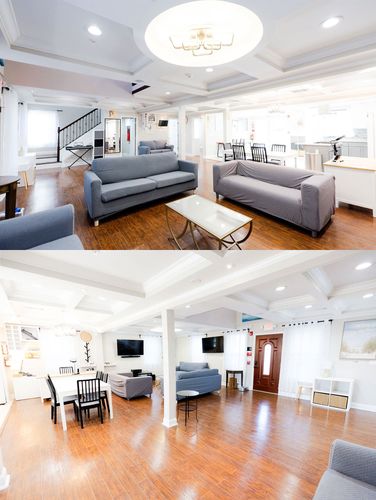


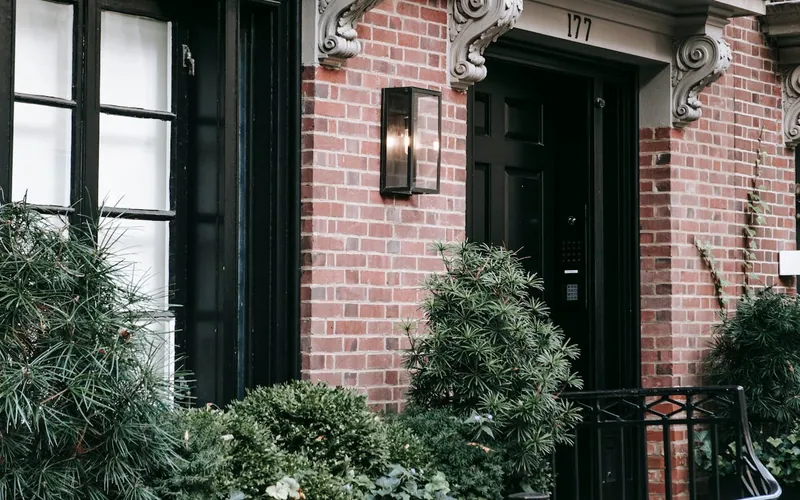
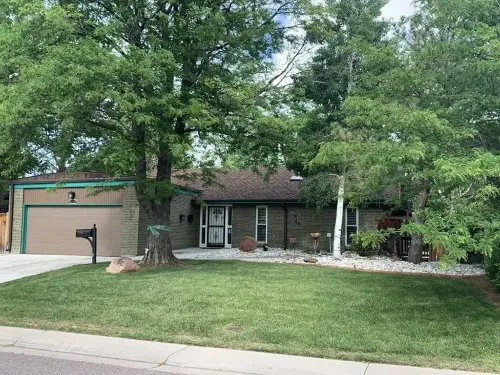


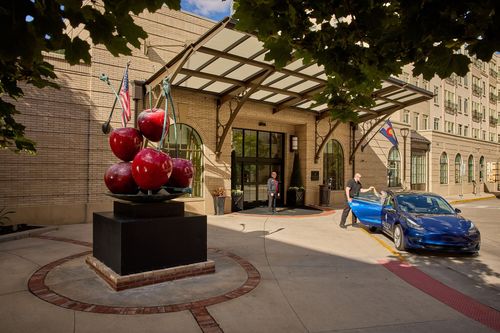
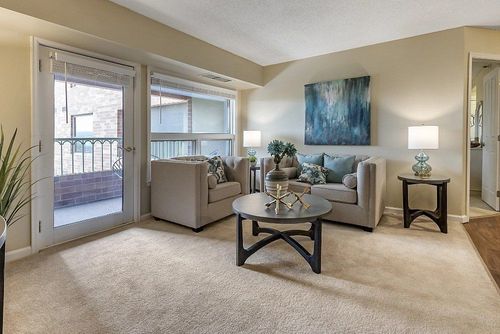

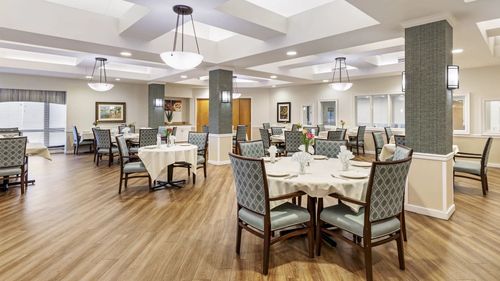
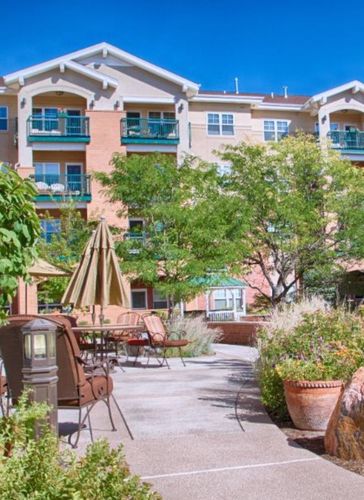
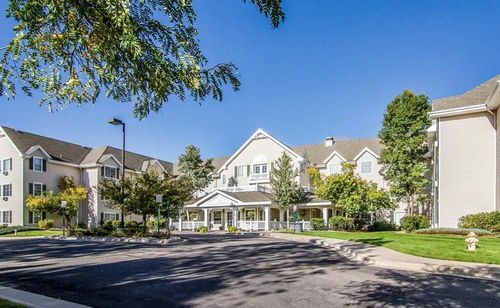


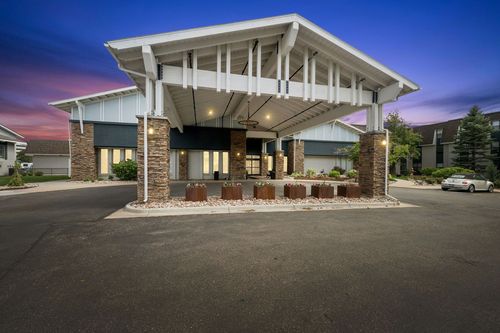

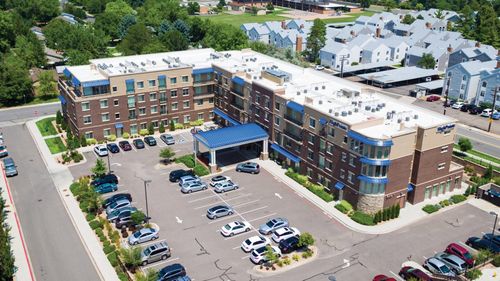
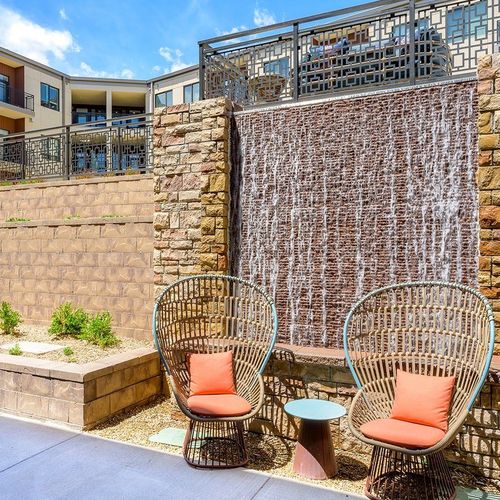
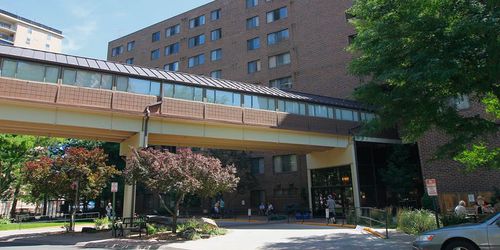

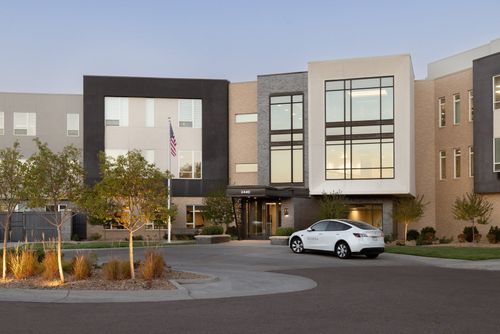


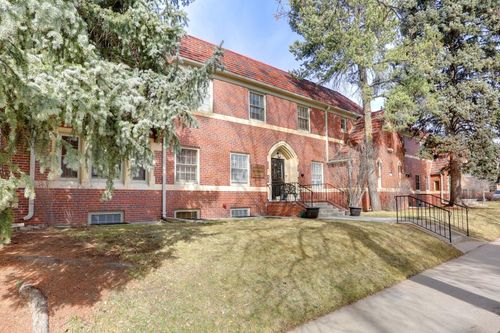
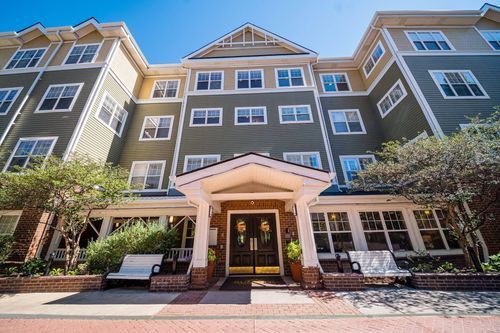
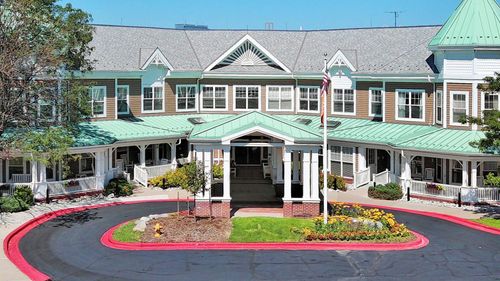
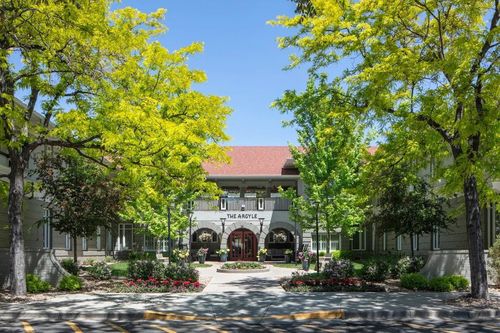

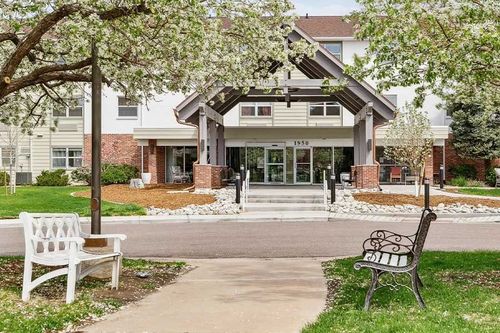
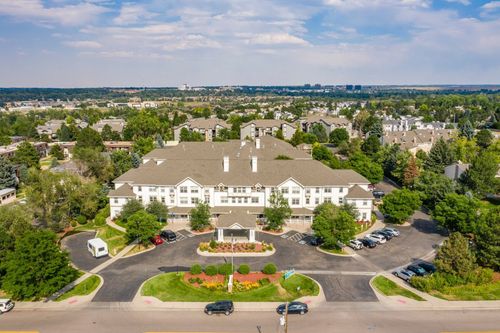

Assisted living is the deepest part of Denver's senior-living market, and it runs on two very different tracks at once. One track is the large purpose-built campus, places like Ciel of Lowry, Clermont Park, Harvard Square by Cogir, and Sunrise at Cherry Creek, where a resident gets a private apartment, a full dining room, and care staff on call around the clock. The other is the small residential care home, an eight-to-sixteen-bed house on an ordinary neighborhood street, where a handful of residents share family-style meals and a higher caregiver-to-resident ratio. Denver has an unusually deep bench of these homes, from the several Assured Senior Living houses in the University Hills area to Abundant Blessings, TenderCare, and Apex, and many of them accept Colorado Medicaid, which is where a tight budget often finds a real option. Because Denver County and the City of Denver are one consolidated place, these 56 communities cluster by district rather than spreading across separate towns.
The small homes concentrate in the southeast neighborhoods around University Hills and Hampden, with more scattered through the Highlands and Park Hill. The larger campuses gather on the east and south sides, in Cherry Creek, Hilltop, Mayfair, Observatory Park, and the redeveloped Lowry and Central Park districts, with a few downtown. Most families reach assisted living not after a single diagnosis but after daily tasks quietly pile up: medications missed, meals skipped, a fall, or a hospital stay that wore out the relative who had been filling the gaps.
Campus Apartments Versus Family-Style Homes
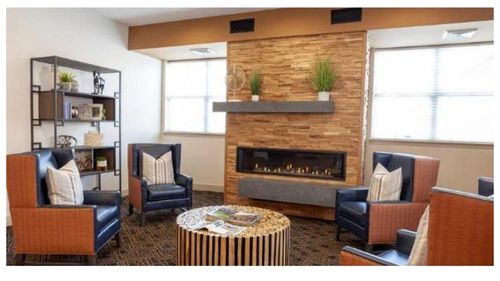
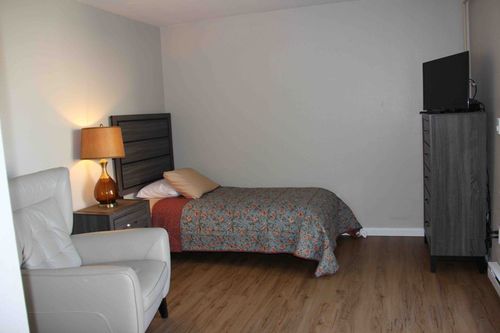
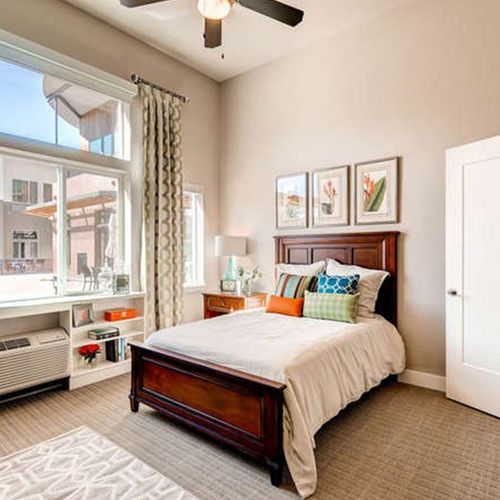
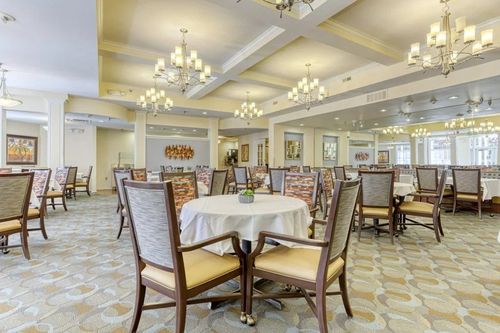
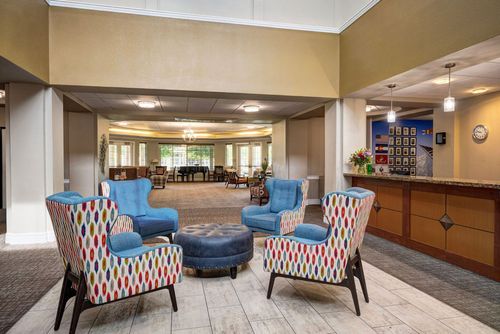
The care promise is the same across both settings, but the daily feel is not. A campus resident lives in a private apartment, eats in a restaurant-style dining room, and joins a posted calendar of outings, with daytime nurse oversight layered over around-the-clock care staff, while a resident in a small home eats at one table, knows every caregiver by name, and lives at a quieter household pace that suits someone who tires in a crowd. The constant in both is help with the tasks that have gotten harder, bathing, dressing, mobility, and medication, delivered without making a resident feel managed.
Denver's hospital density keeps medical support close from either setting, with communities a short drive from Intermountain Health's Saint Joseph Hospital in central Denver, HCA HealthONE's Rose Medical Center on the east side, and Presbyterian St. Luke's near City Park, and scheduled rides to clinics are standard at the larger campuses.
What Assisted Living Costs Across Denver's Districts
Assisted living across Denver generally runs from about $3,300 to $7,700 a month, with most communities landing near $5,200, and the setting drives that spread far more than the neighborhood does. A small residential home often quotes one all-inclusive monthly rate, which makes budgeting simpler, while a large campus sets a base rent and tiers care charges above it as needs grow, usually with a one-time community fee at move-in.
Denver is also where Medicaid actually reaches assisted living, because Health First Colorado, the state's program, does not pay room and board but its waiver can cover the care portion in a participating community, and several of Denver's small homes, like Dayspring Villa and a number of the Assured houses, accept it. Outside the waiver, families draw on retirement income, home-sale proceeds, long-term care insurance, and veterans benefits such as Aid and Attendance.
Where Denver's Older Residents Actually Live
The breadth of Denver's older population is why assisted living exists at nearly every price point here, from a Medicaid-funded room in a southeast residential home to a $7,000 suite in Cherry Creek. Close to one in eight residents, about 90,000 people, is 65 or older, and that group leans toward the established east-side neighborhoods, where longtime homeowners want to age near the parks and parishes they have used for decades.
Demand falls unevenly across the city, since the well-located campuses near Cherry Creek shopping and the hospitals fill their best apartments first, while the small homes turn over quietly, often by word of mouth, so what looks full one month can open the next. Knowing where a room actually exists is what separates a realistic search from a frustrating one.
Why Families Choose Assisted Living in Denver
Keeping the search inside the city means a parent stays near the relatives and routines already here. An adult child in Wash Park or Stapleton can fold a visit into an ordinary day, and a parent keeps the same grocery store, church, and senior center. The hospital networks reinforce the choice: Saint Joseph runs a strong geriatrics program, HealthONE's Rose and Presbyterian St. Luke's add a full surgical and cardiac network, and the academic specialists on the nearby Anschutz campus are within reach for a complex case.
The sheer range of settings is its own reason to stay. A family can find a quiet eight-bed home or a busy campus, on a Medicaid budget or a private one, without ever leaving the part of the city a parent knows.
How I Narrow Denver Down for a Family
With fifty-six communities split between big campuses and dozens of small homes, the hard part is knowing which few actually fit. I keep current notes on which campuses have an assisted-living apartment open this week, which southeast residential homes suit a parent who would feel lost in a large building, and which homes accept the Health First Colorado waiver so a family on a tight budget is not chasing dead ends. When a move follows a hospital stay, I coordinate with the discharge planners at Saint Joseph, Rose, or Presbyterian St. Luke's so the placement lines up with the discharge date.
That work across districts, budgets, and settings is what turns a long list into a short, workable one.
Reach out for free, local guidance, or browse the communities we have vetted across Denver.