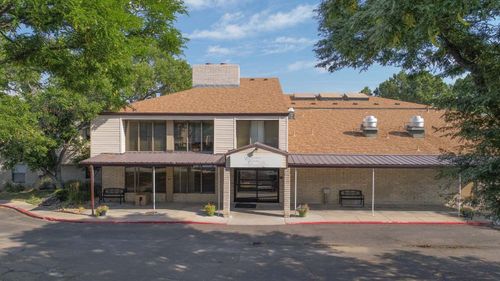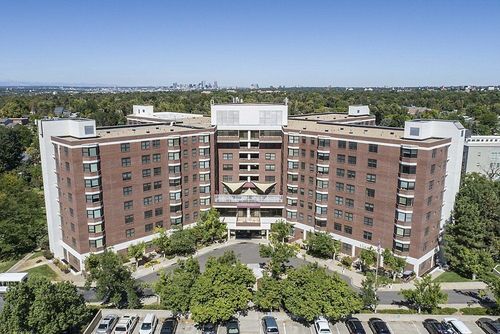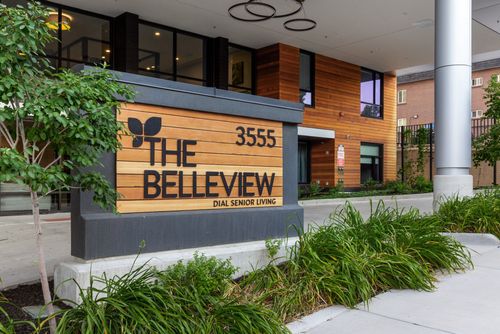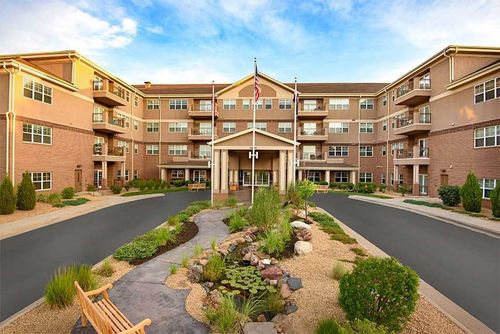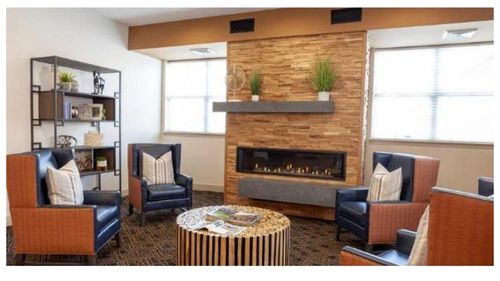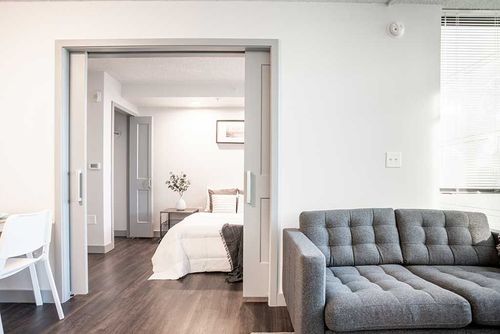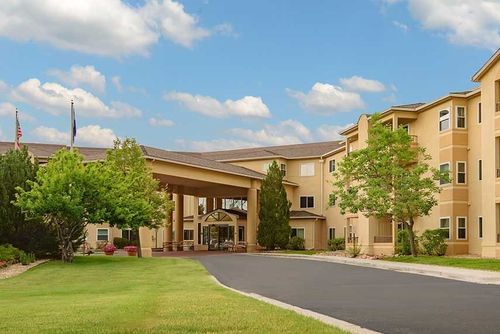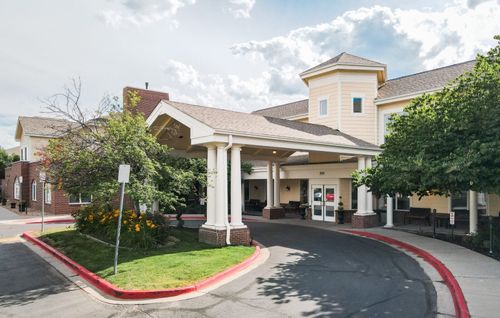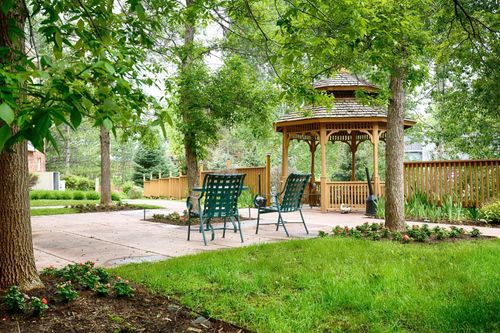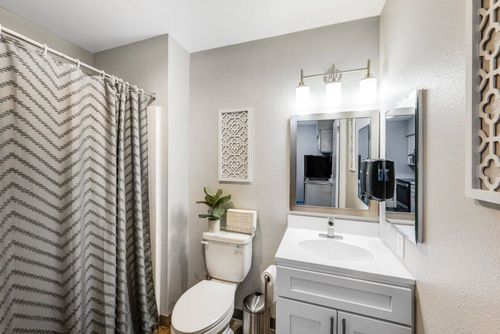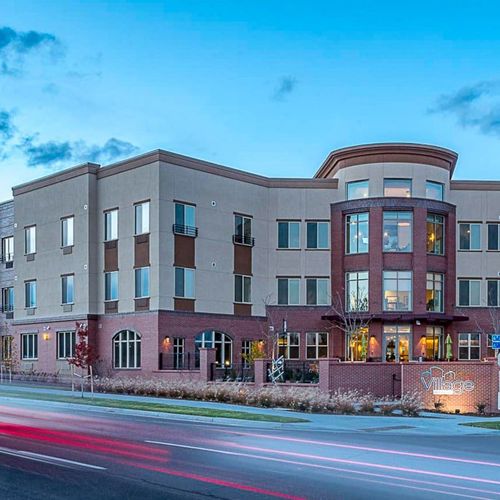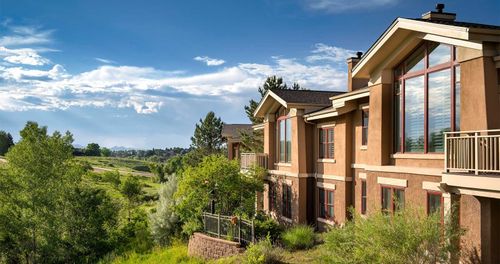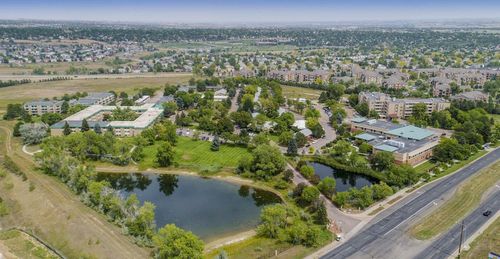
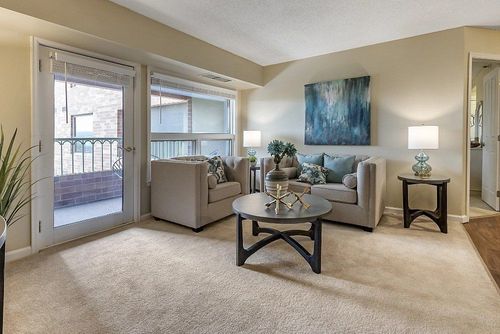
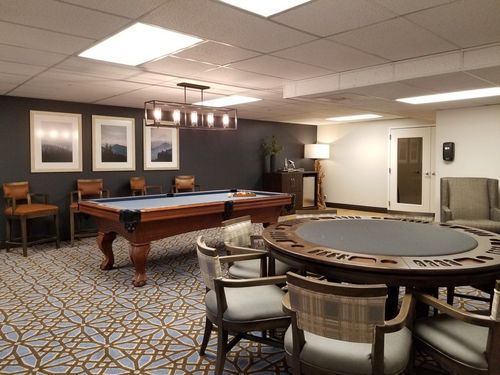
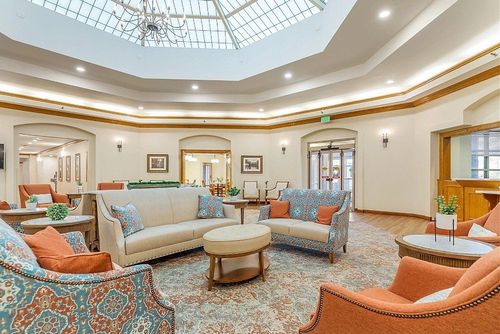
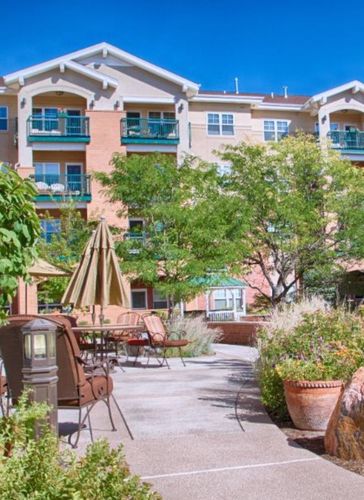

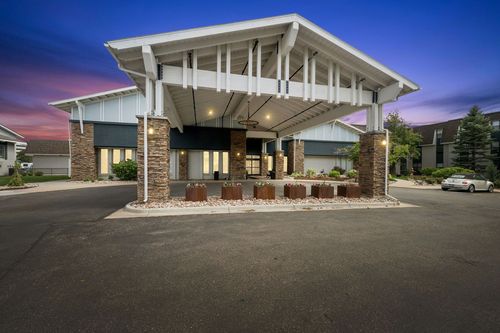
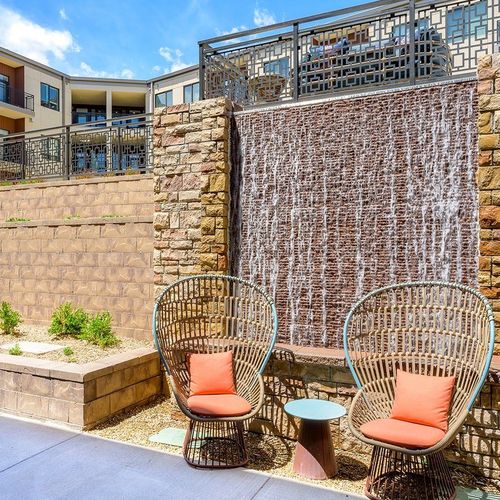
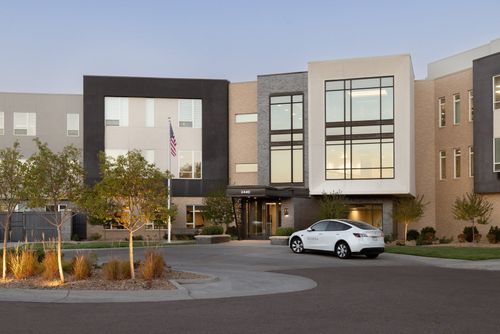

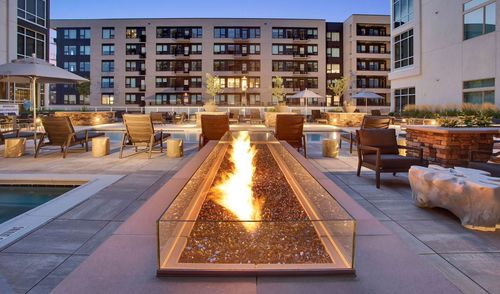
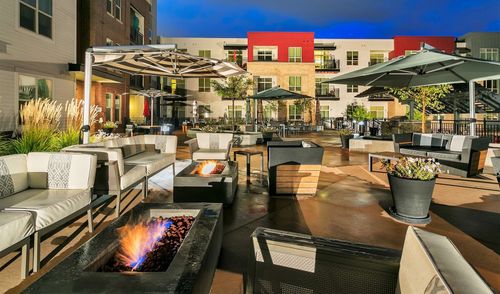
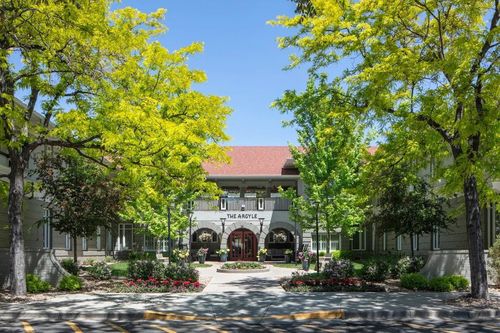
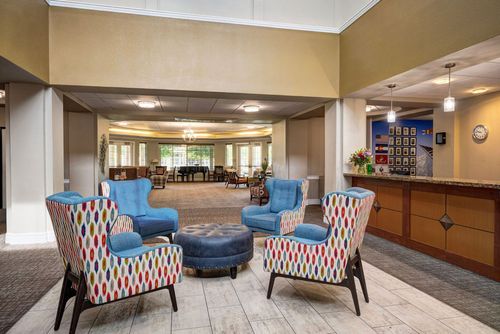
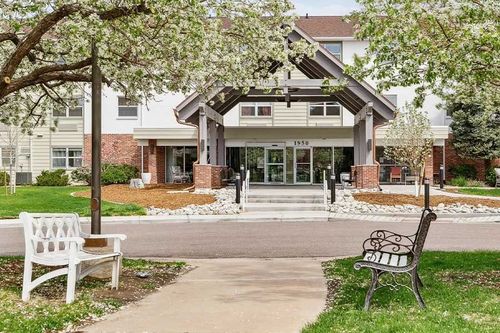

Independent living in Denver covers a wider span of choices than almost any care type, because the city blends two very different products under one label. At the lower end sit active-adult rental buildings like Overture 9th + Colorado, Overture Central Park, and Everleigh Central Park, which are essentially modern apartments with a fitness room, social calendar, and no long-term lease, priced for residents who still cook and drive but want the maintenance gone. At the upper end are full-service communities and life-plan campuses such as Balfour at Riverfront Park downtown, MorningStar at Observatory Park near the University of Denver, and Clermont Park in the southeast, where one monthly fee folds in meals, housekeeping, and a path to more care later. Because Denver County and the City of Denver are a single consolidated place, these 20 communities do not spread across separate towns. They cluster by district instead, and a family is usually weighing neighborhoods 10 to 20 minutes apart rather than distant cities.
The geography sorts roughly east and south. Cherry Creek holds higher-end addresses like Acoya Cherry Creek, Modena Cherry Creek, and Brookdale Parkplace; the southern neighborhoods around Observatory Park and University Park carry MorningStar and Brookdale University Park; the Hampden and Tamarac corridor in the southeast adds Harvard Square by Cogir, Clermont Park, and Brookdale Tamarac Square; and the redeveloped Central Park area on the northeast side holds the newest active-adult buildings. Independent living is the plan-ahead move rather than the crisis one, so most families look while a parent is still healthy and simply ready to hand off the house and yard.
What the Fee Buys at Each End of the Market
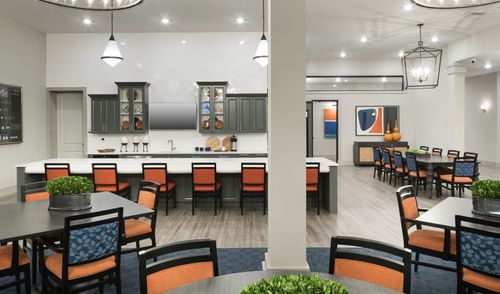
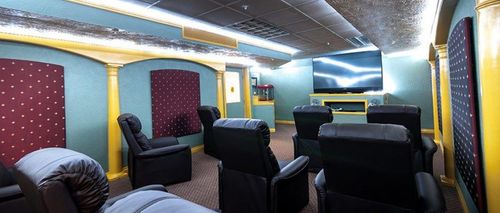
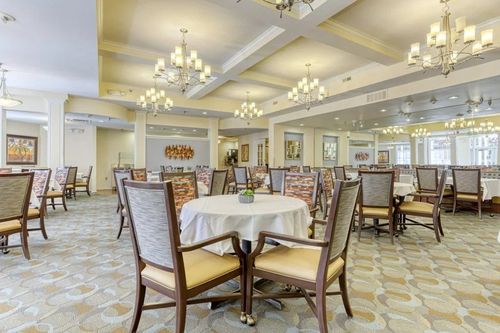
What a Denver independent living community actually delivers depends on which end of the market it sits in. An active-adult building rents an apartment with shared amenities and leaves cooking and care to the resident, which keeps the monthly figure low. A full-service community bundles prepared meals, housekeeping, building upkeep, transportation, and a daily activity calendar into one fee, so a resident trades chores for time. Neither tier includes hands-on help with bathing, dressing, or medication, which is the work of assisted living rather than independent living.
The practical advantage of staying in the city is access. Most communities sit a short drive from Intermountain Health's Saint Joseph Hospital in central Denver, HCA HealthONE's Rose Medical Center on the east side, and Presbyterian St. Luke's near City Park, so a resident keeps the same doctors and a hospital trip stays close.
Why Denver's Price Band Is the Widest
Denver independent living runs roughly $2,200 to $7,700 a month, the widest band of any care type, and the spread is mostly about what the fee includes rather than where the building sits. The low figures belong to active-adult apartments that price the housing alone, while the high figures reflect full-service and life-plan communities in Cherry Creek, Observatory Park, and downtown that bundle dining, services, and a continuum of care.
Independent living is paid privately, since Health First Colorado, the state's Medicaid program, does not fund it, because it is housing with services rather than a medical setting. Families generally draw on retirement income, savings, and home-sale proceeds, and some use long-term care insurance or veterans benefits to offset the monthly cost.
A Fast-Growing City With a Settled East Side
Denver has grown faster than almost any large American city over the past decade, and close to one in eight residents, about 90,000 people, is now 65 or older. That older population is not evenly spread, since the established east-side neighborhoods around Cherry Creek, Hilltop, and Mayfair hold longtime homeowners who want to age near the parks and parishes they have used for decades, while the redeveloped Central Park district draws newer arrivals into its modern apartments.
That split between settled and new neighborhoods shapes where demand lands, because the well-located east and south buildings near shopping and the hospitals tend to fill their best floor plans first, so a preferred apartment can carry a wait, while the larger active-adult buildings turn over more steadily. Families planning a move in the next year do better to start early than to assume the unit they want will be open the week they decide.
Why Families Choose Independent Living in Denver
A Denver address keeps a parent near the people and routines already built here. An adult child in Wash Park or Stapleton can fold a visit into an ordinary day, and a parent who spent decades near the same grocery store, church, or senior center keeps those streets. Denver's hospital density reinforces the case, with Saint Joseph, Rose, and Presbyterian St. Luke's all within a short drive and the academic neurology and cancer programs on the nearby Anschutz campus in reach for anything complex.
The city's parks and culture matter too. Cherry Creek's trails, City Park, the Denver Botanic Gardens, and a dense network of senior services give a resident reasons to stay engaged without leaving the neighborhood they know.
How I Match the Product to the Person
With independent living split between bare active-adult rentals and full-service campuses, the hard part is matching the product to the person, and I know that difference building by building. I track which Cherry Creek and Observatory Park communities have a sought-after floor plan open, which active-adult buildings in Central Park rent fastest, and which life-plan campuses connect to assisted living so a future move does not mean leaving the city.
That work across districts, budgets, and service levels is what turns a wide, confusing market into a short list a family can actually tour.
Reach out for free, local guidance, or browse the communities we have vetted across Denver.