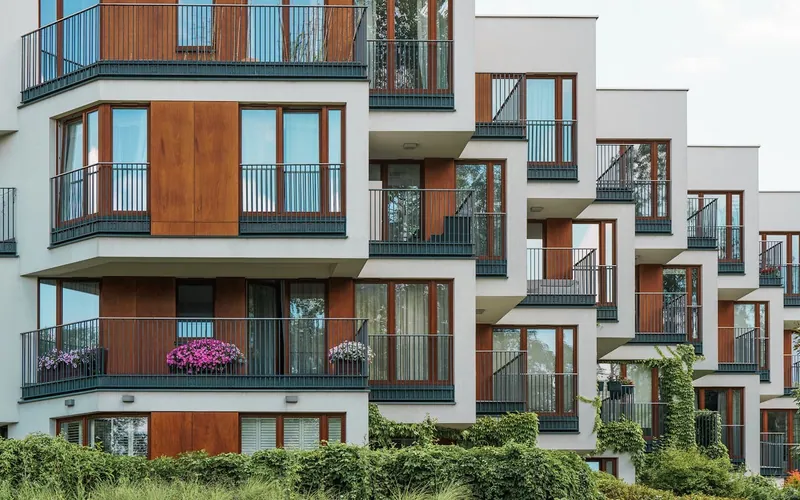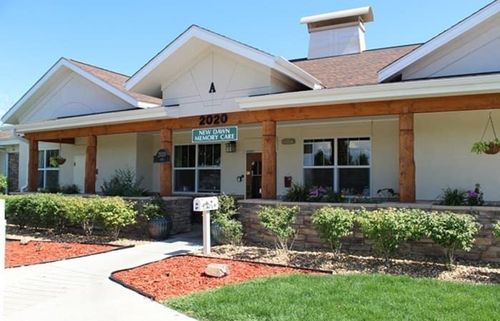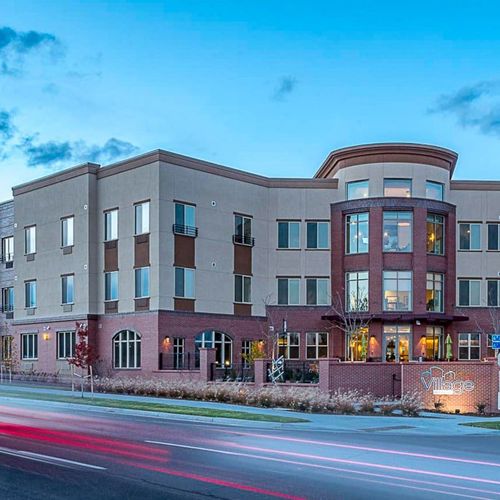

Denver has grown faster than almost any large American city this past decade, and a meaningful share of the people arriving are adults in their fifties and sixties who came to be near children and grandchildren already settled here. As that generation ages, the number of residents living with Alzheimer's and other forms of dementia climbs alongside it. Roughly 94,000 of the city's residents are now 65 or older, close to one in eight, and that single figure explains why secured memory care keeps opening in the neighborhoods where those families already live. Because Denver County and the City of Denver are one consolidated place, Memory Care here does not spread across separate towns the way it does in suburban counties. Instead the roughly 27 communities cluster by district, from Cherry Creek and Hilltop through Observatory Park near the University of Denver, University Hills, Lowry, and the newer purpose-built buildings out in Central Park. The range runs from intimate residential homes with a handful of secured suites to large communities built around a dedicated dementia wing, and a family is usually choosing between neighborhoods 10 to 20 minutes apart rather than between distant cities. A diagnosis that brings wandering, sundowning, or a fall is typically what moves a family from managing at home to looking for a secured setting.
Secured Suites, From Household Homes to Dementia Wings
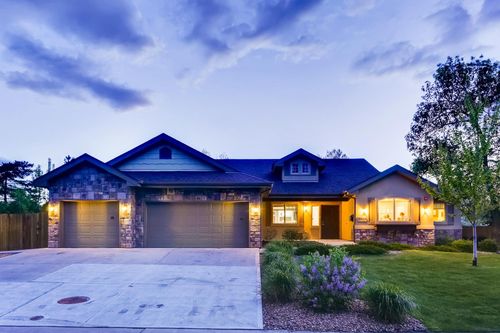
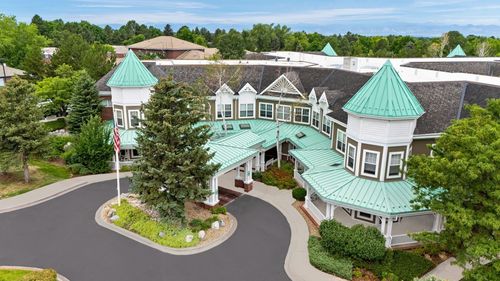
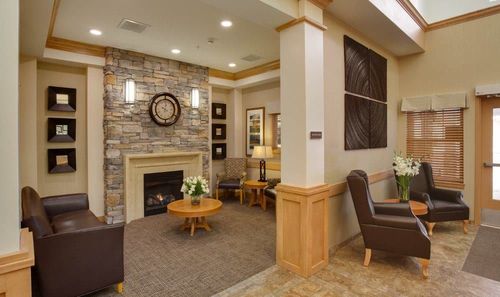
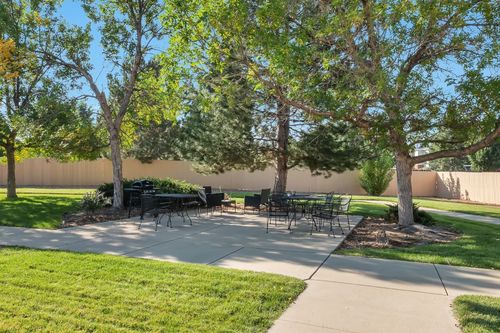
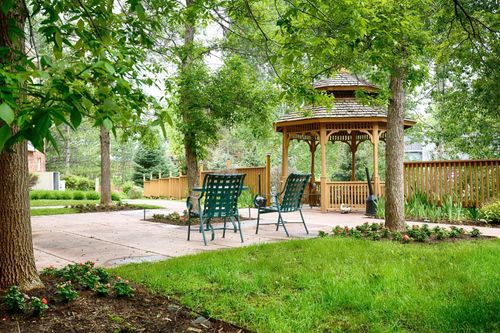
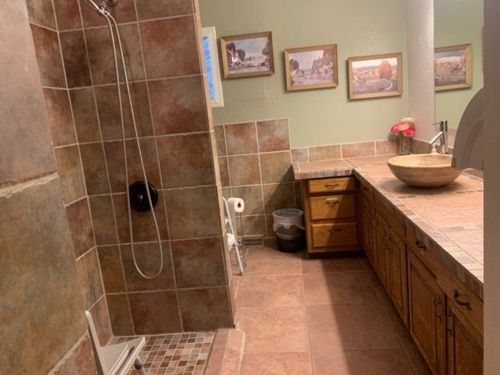
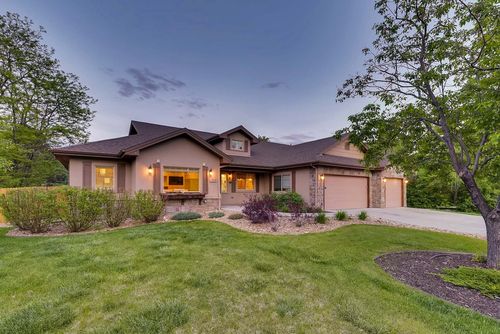
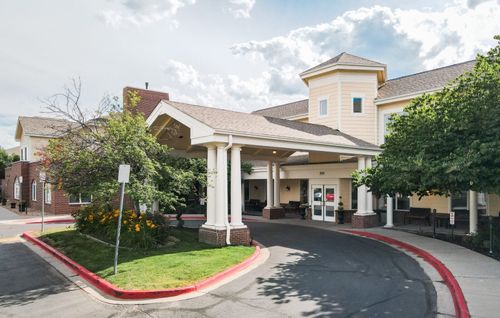
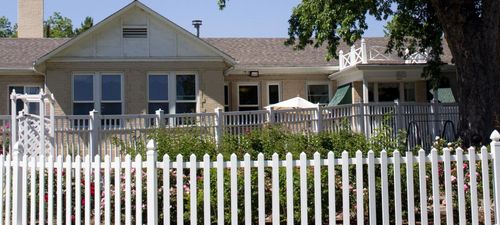
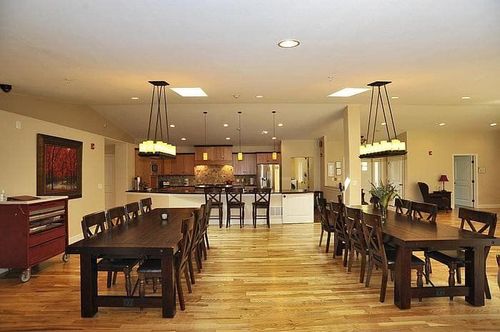
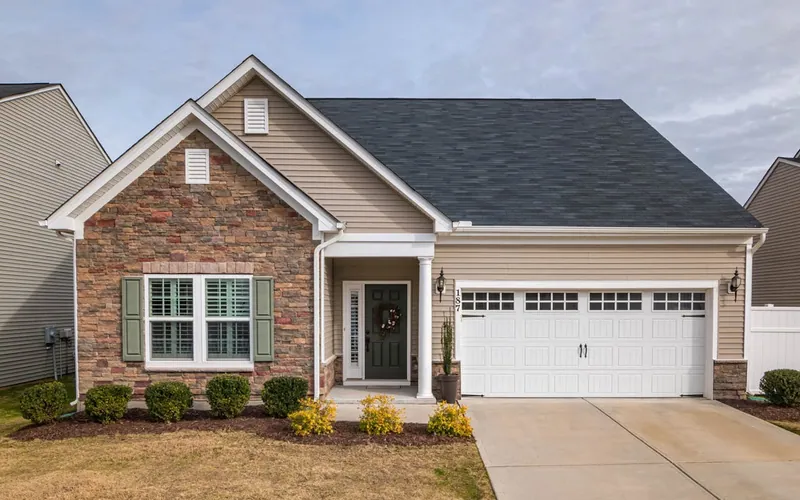
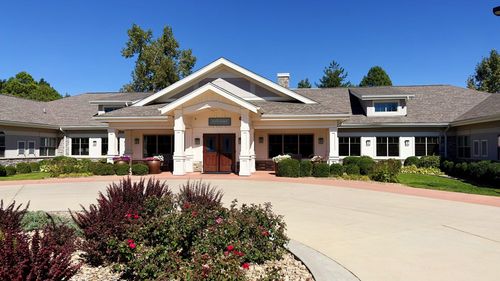
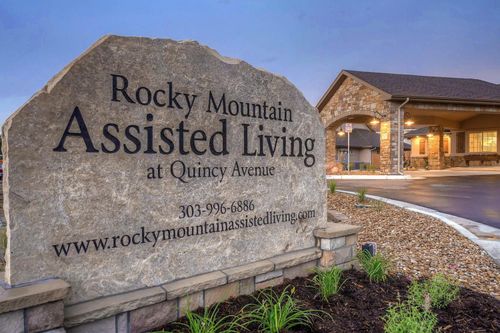
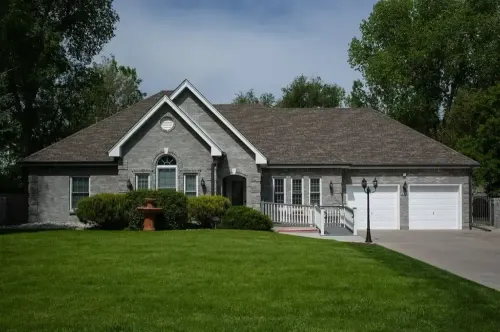
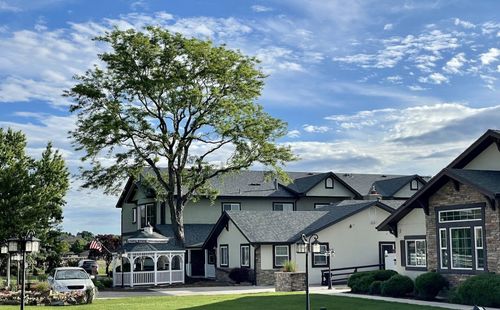
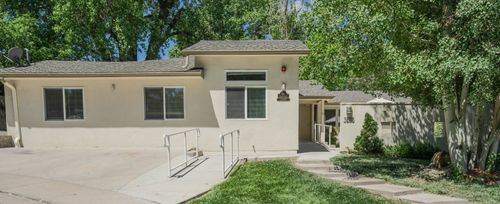
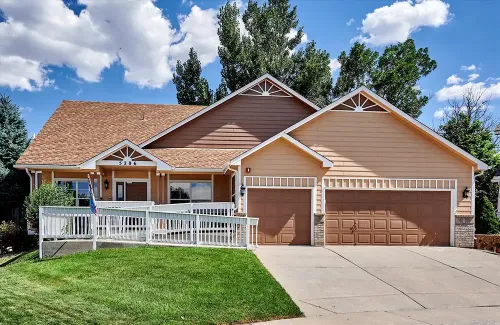
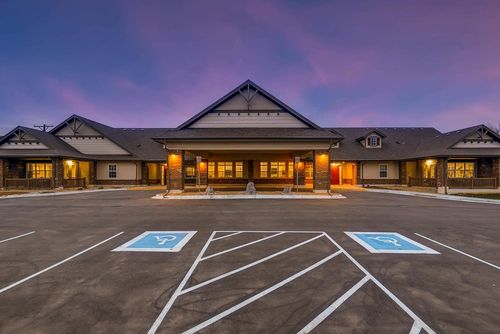
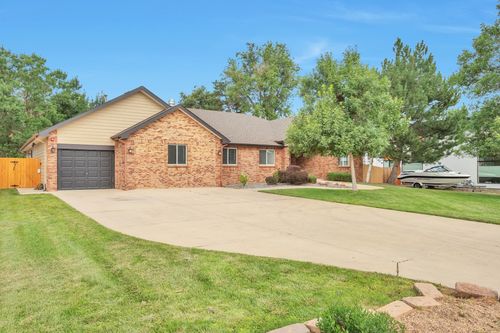
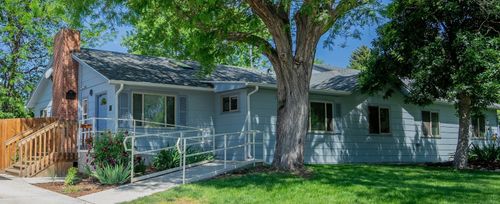
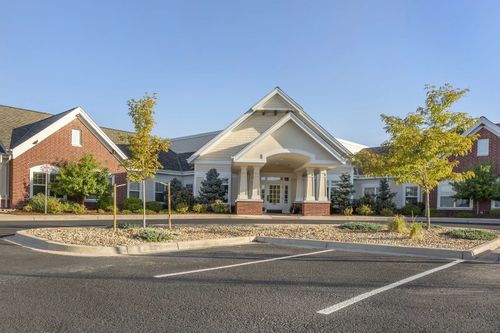
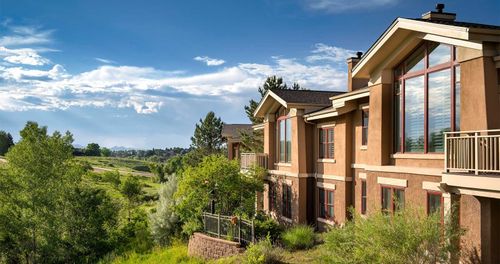
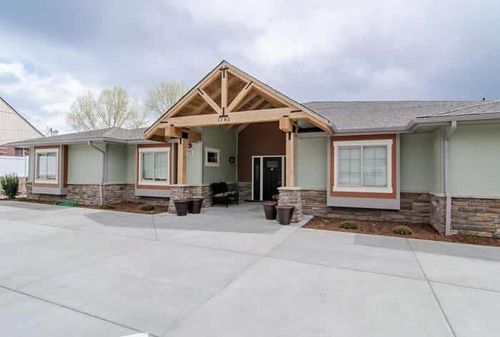
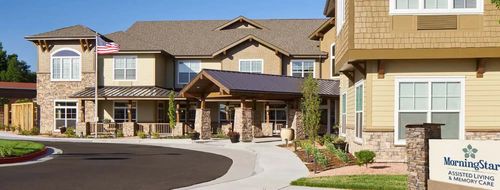
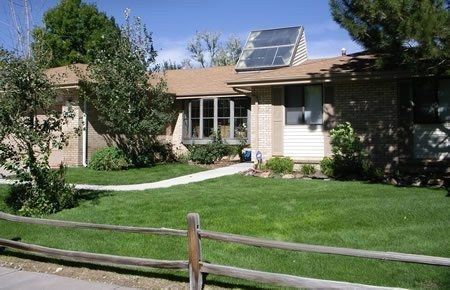
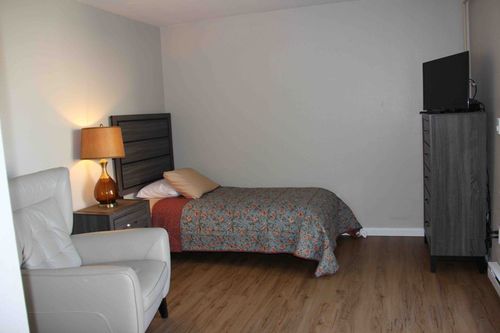
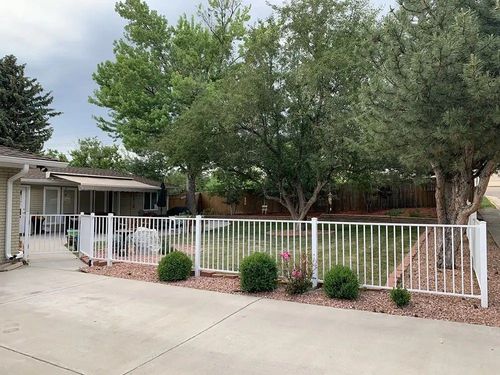
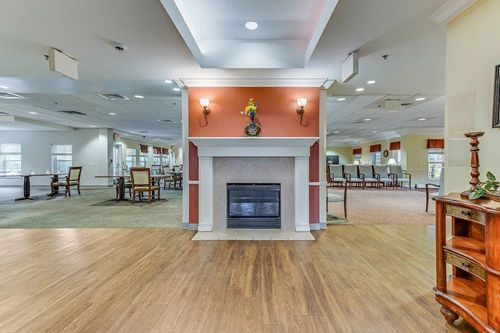
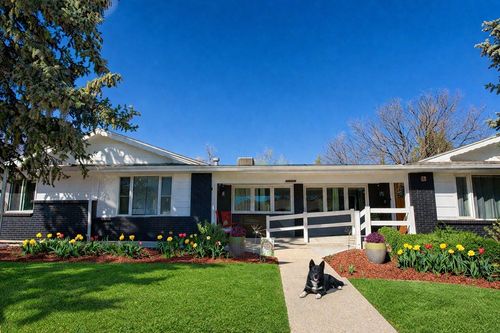
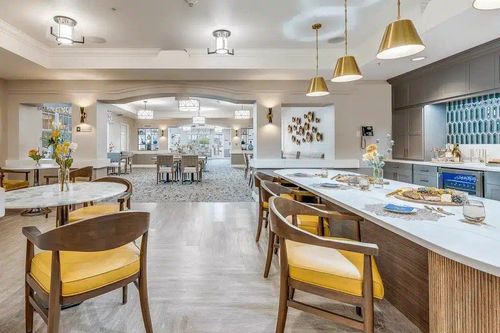
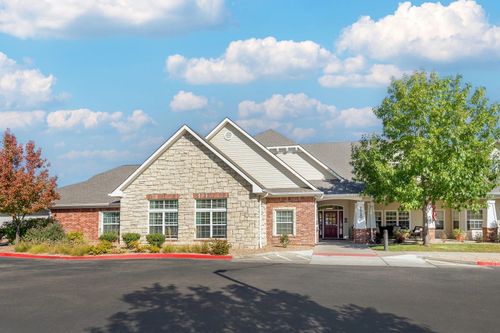
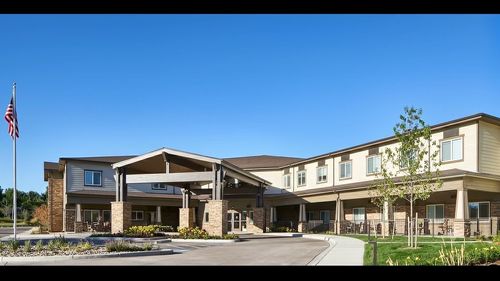
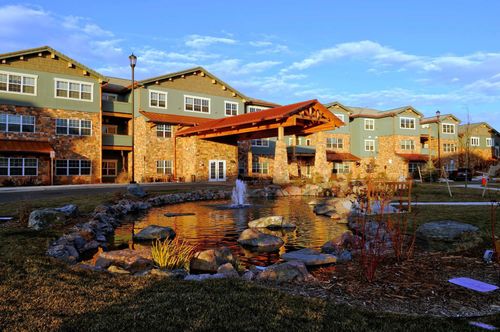
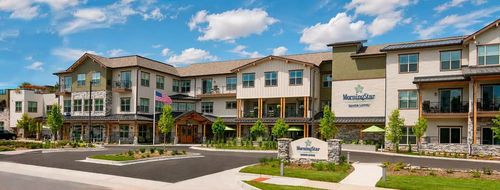
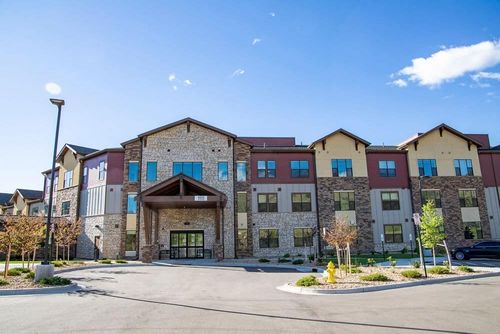
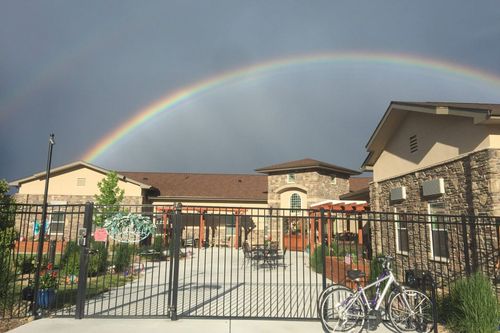
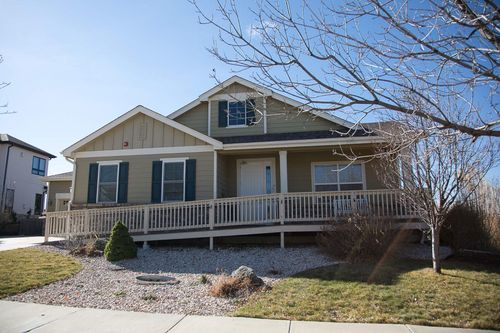
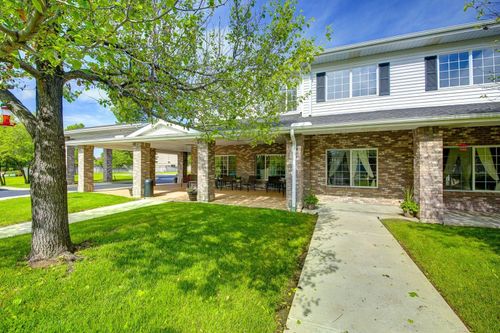
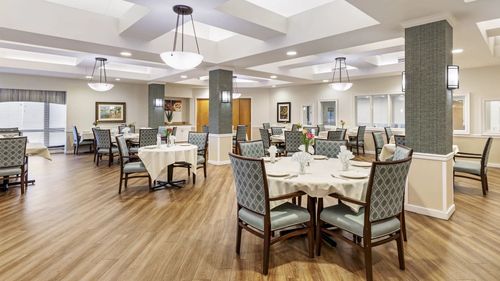
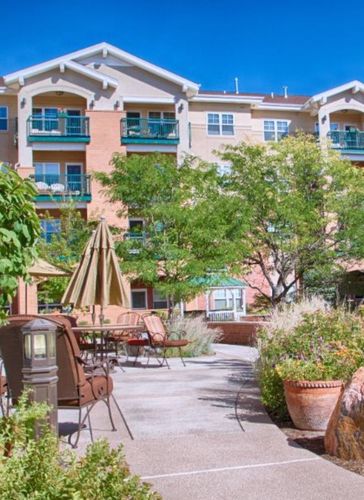
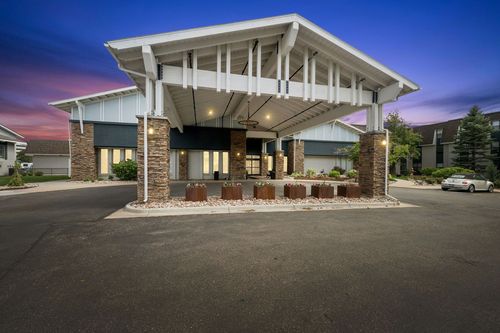
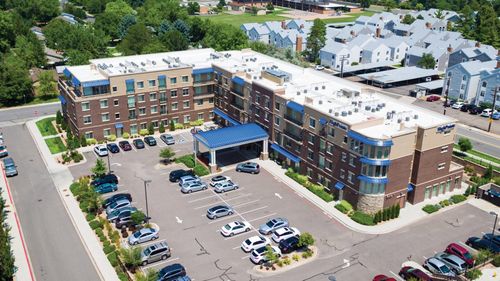
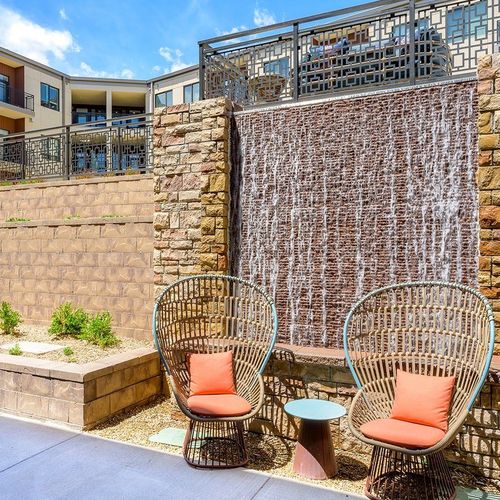
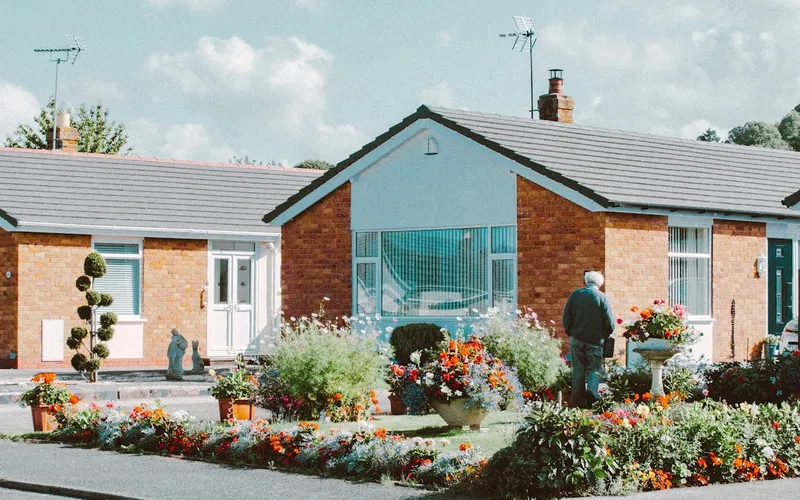
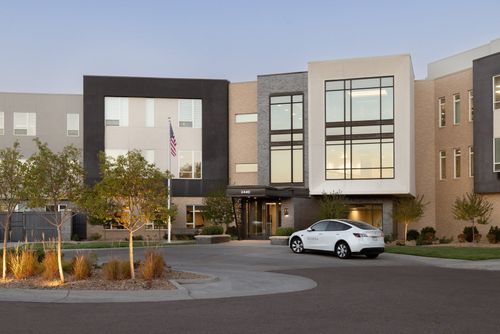
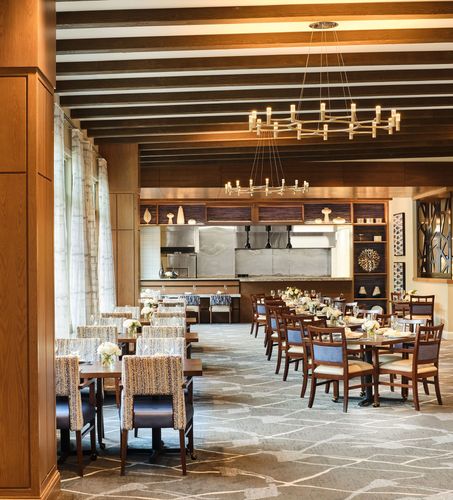
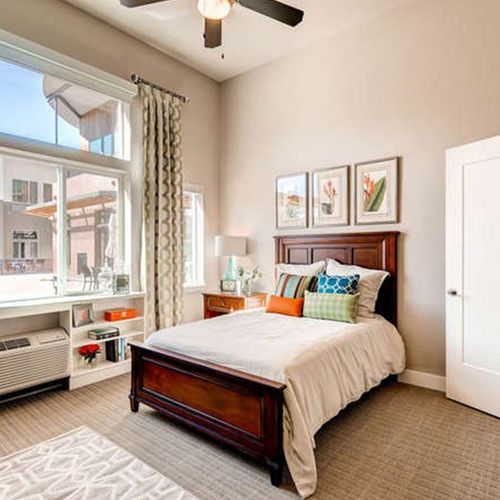
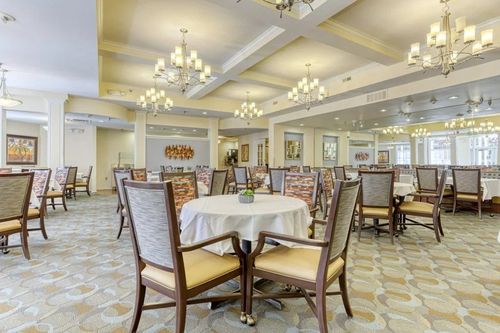
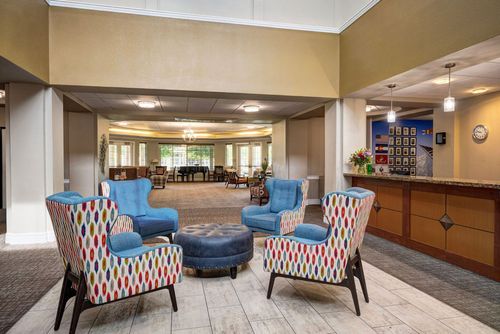
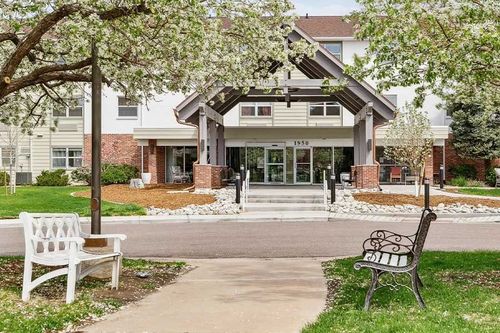
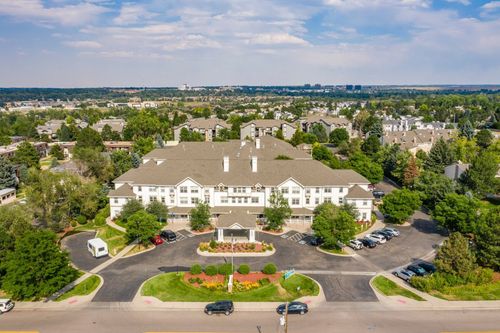
Secured memory care feels different depending on the building. A larger community such as MorningStar at Observatory Park, Balfour at Central Park, or Ciel of Lowry organizes the dementia wing around shared dining, activity rooms, and a courtyard residents can use without an exit risk. A small residential home, like several of the Assured Senior Living houses in University Hills or Harnew's Senior Rest Haven, runs more like a household, with a handful of suites and caregivers who know every resident by name.
What stays consistent across both is the care promise. Every secured community provides a locked, alarmed setting that prevents wandering, 24-hour supervision, help with bathing, dressing, and medication, and activities paced for memory loss so the day feels calm rather than confusing. When a dementia diagnosis brings other conditions along with it, Denver's hospital density matters: communities sit a short drive from Intermountain Health's Saint Joseph Hospital in central Denver, HCA HealthONE's Rose and Presbyterian St. Luke's, and the UCHealth academic medical center on the nearby Anschutz campus.
What Secured Memory Care Costs in Denver
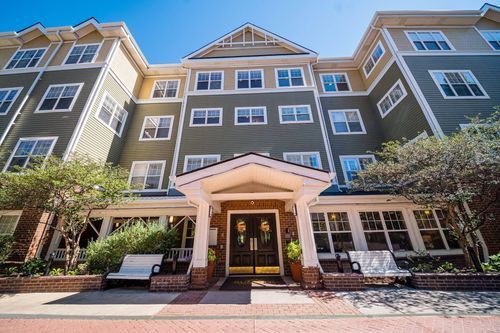
Memory care across Denver generally runs from about $4,400 to $7,700 a month, with most communities landing near $5,500. The lower band, places like Springbrooke or Assured at Carter Circle, tends to be a smaller residential home or an older building, while figures above $6,500 reflect newer purpose-built communities such as Modena Cherry Creek, Rosemark at Mayfair Park, and MorningStar at Observatory Park with larger secured suites and richer amenities.
Memory care sits above standard assisted living because the locked setting, higher caregiver ratios, and dementia programming carry real added cost. Health First Colorado, the state's Medicaid program, does not pay room and board, but its Home and Community Based Services waiver can offset the care portion for residents who qualify financially and clinically. Most Denver communities are private pay and a smaller set accept the waiver, so confirming which buildings participate is worth doing before touring.
Which Districts Fill Their Secured Suites First
Denver's older population looks different from one district to the next, which shapes where memory care fills first. The established east-side neighborhoods around Cherry Creek, Hilltop, and Mayfair hold longtime homeowners who want to stay close to the parishes and parks they have used for decades, so the secured suites there move quickly. South Denver around Observatory Park and University Hills draws families with a University of Denver tie and tends toward the higher-amenity buildings.
Wait-lists bite hardest in the smaller residential homes scattered through older neighborhoods, which fill quietly and often by word of mouth, so what looks full one month can open the next. The newer construction in Central Park and the east-side redevelopment corridors carries the widest choice of floor plans and the freshest openings.
Why Families Choose Memory Care in Denver
Staying inside the city keeps a parent near the relatives who came to Denver for them in the first place, and near the hospital systems they may already use. Saint Joseph offers a high-performing geriatrics program, HealthONE's Rose and Presbyterian St. Luke's add a full surgical and cardiac network, and UCHealth's Anschutz campus brings academic neurology within reach for a complex dementia case.
Proximity is the quiet reason most families pick a neighborhood. A daughter in Wash Park, a son in Stapleton, a familiar church in Hilltop, all of these can stay part of the routine when the secured community is 15 minutes away rather than across a county line.
How I Find an Open Secured Suite
Knowing which secured wings have a suite open this week is the difference between a tour and a real option, and that is what I track. I watch where openings sit across the districts, keep an eye on the newer Central Park and east-side buildings that turn over more often, and know the smaller residential homes around Cherry Creek and Observatory Park that fill before they ever advertise.
When a move follows a hospital stay, I coordinate with the discharge planners at Saint Joseph, Rose, or Anschutz so the secured placement lines up with the date a parent leaves the hospital. That work across neighborhoods, budgets, and stages of memory loss is what turns a long list into a short, workable one.
Reach out for free, local guidance, or browse the communities we have vetted across Denver.