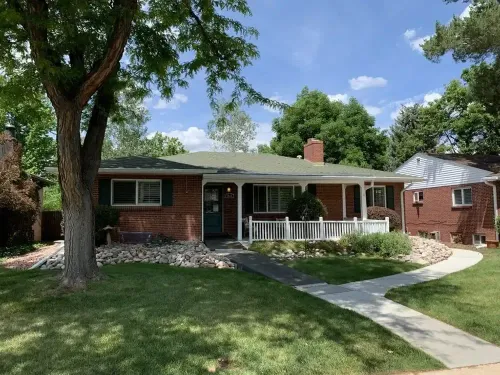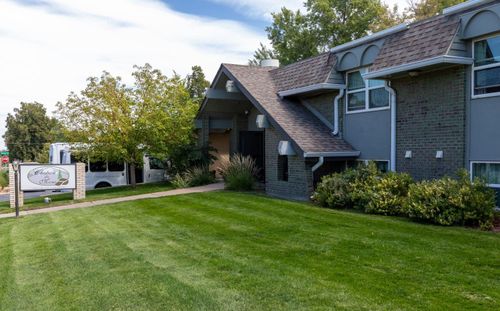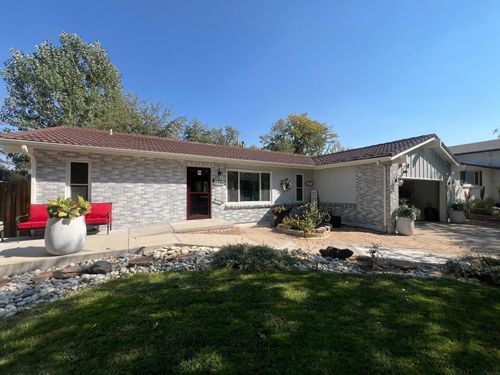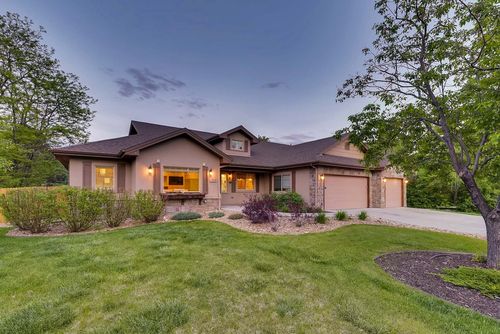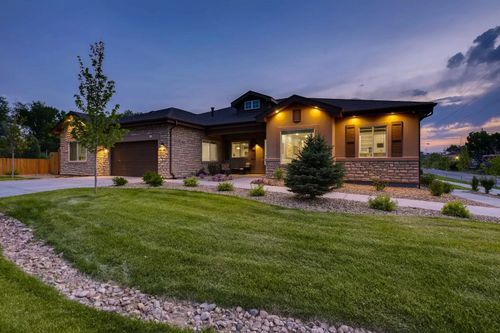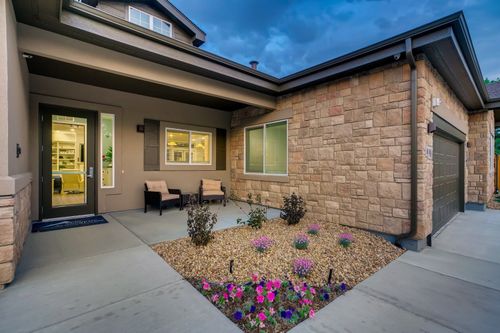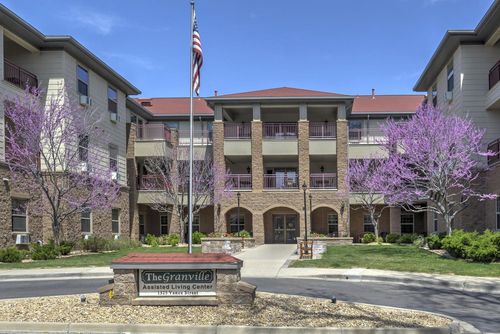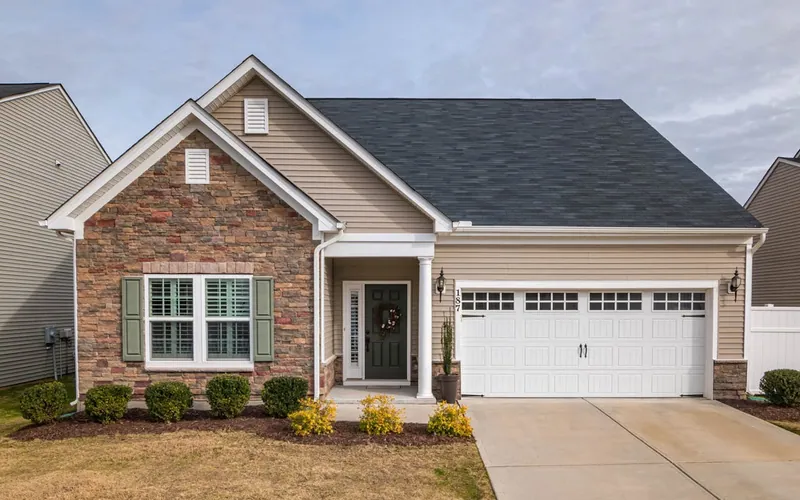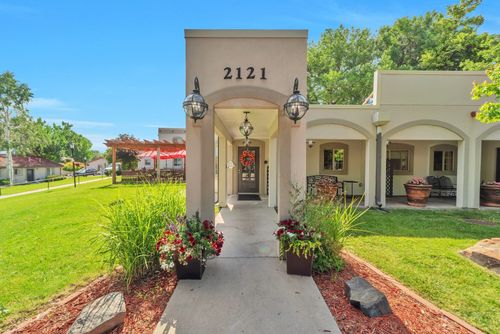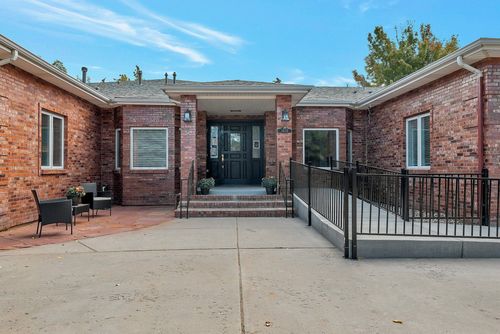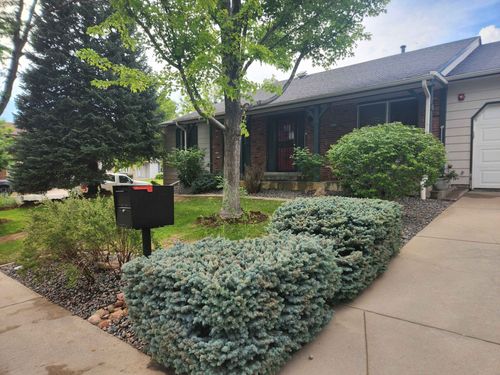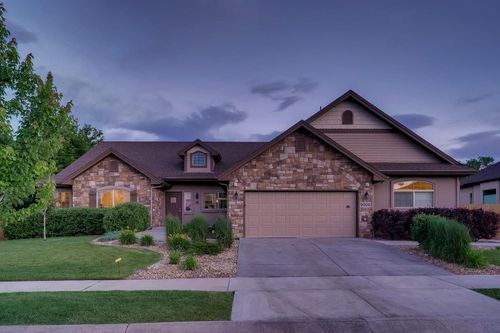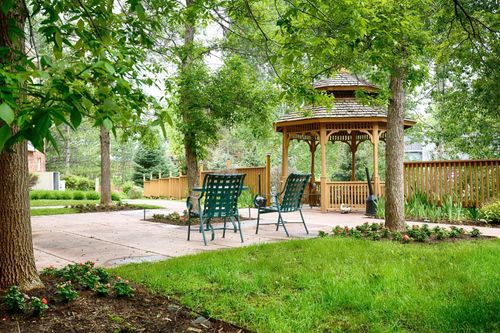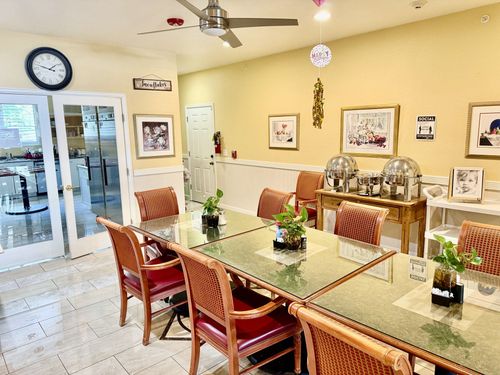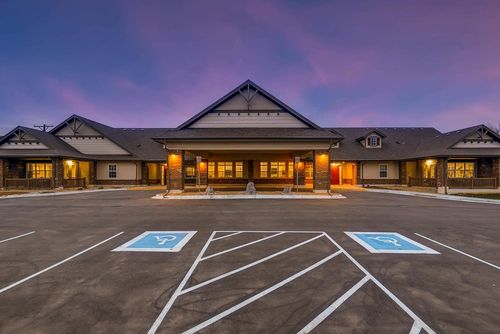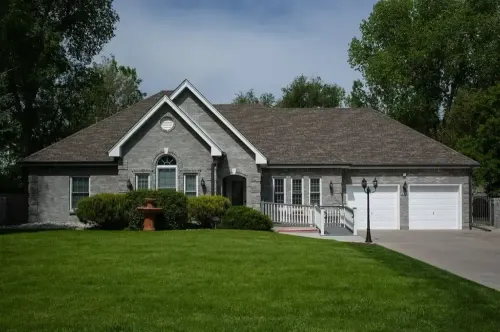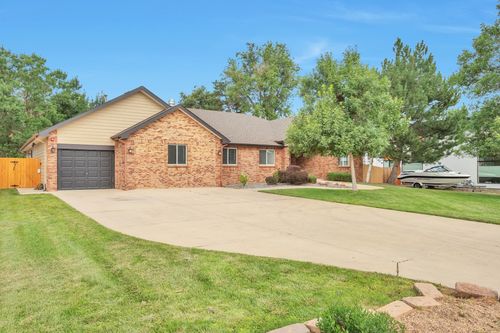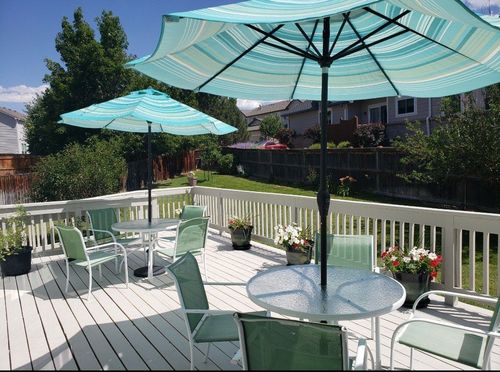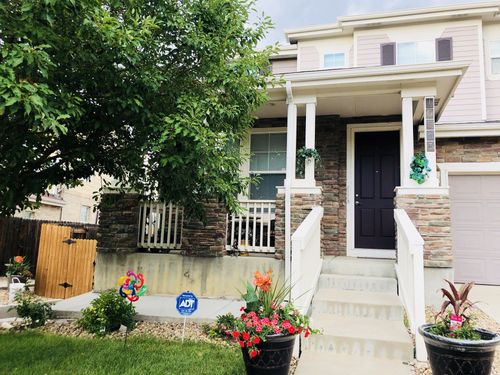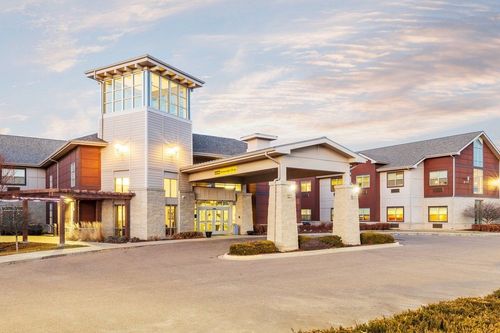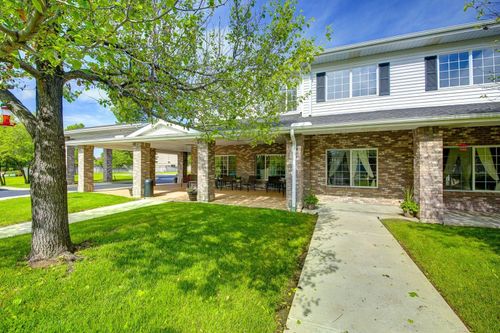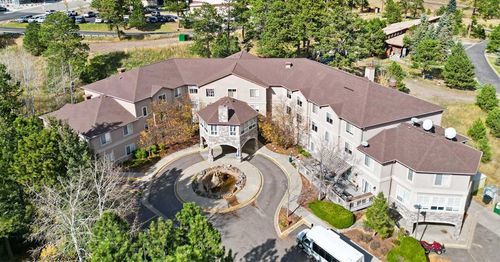
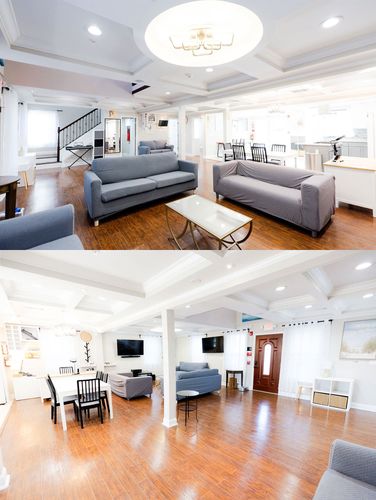
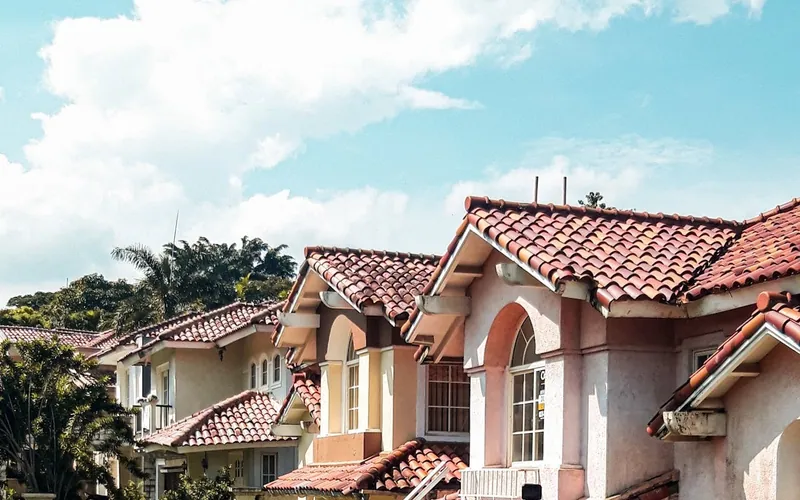
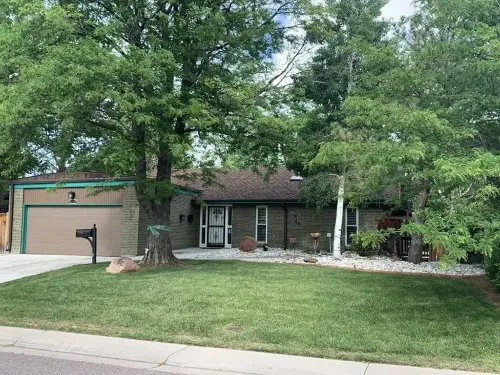

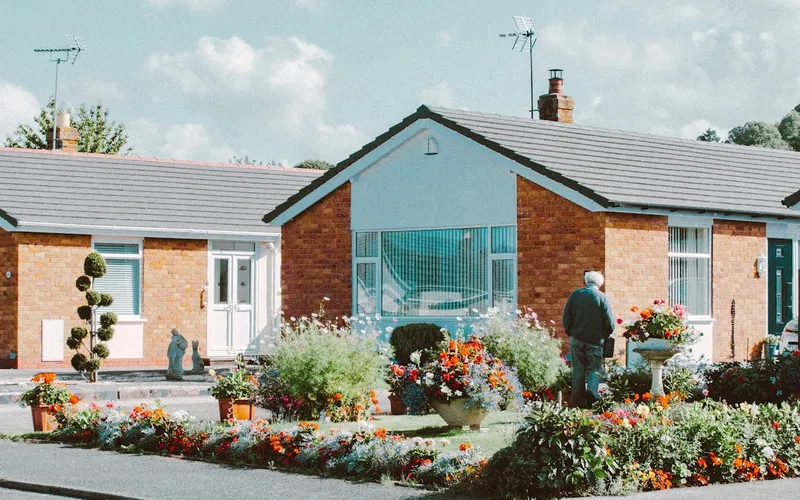
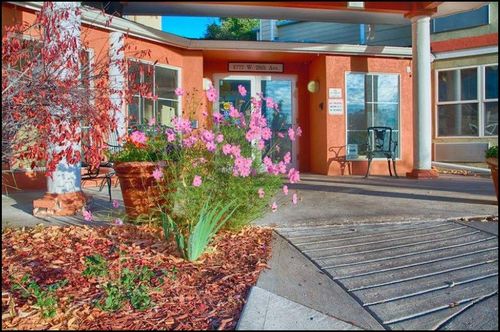
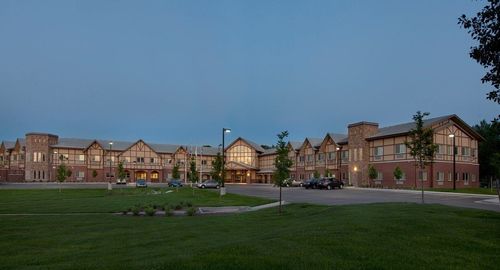
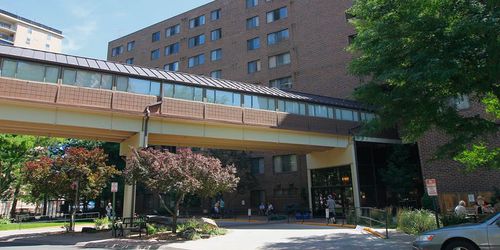
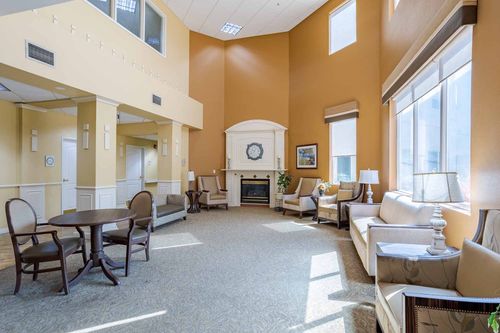

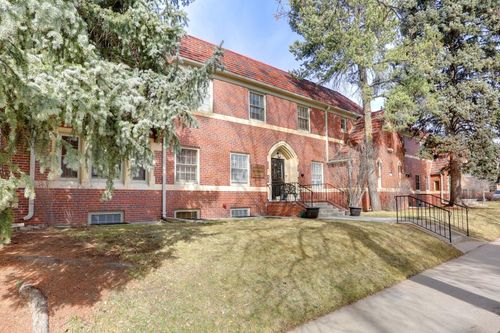

Denver's Medicaid-accepting senior living spreads across the city rather than sitting in one pocket, which is unusual for a metro this size. The matching set runs from large nonprofit campuses in the northwest, like The Gardens at St. Elizabeth on West 32nd Avenue in the Highlands, to a dense band of small board-and-care houses in University Hills and the Goldsmith area south of Cherry Creek, plus single buildings in Park Hill, Hilltop, and out in Montbello. 19 communities in Denver currently accept Medicaid funding, and they cover assisted living and, at several of the Assured Senior Living homes and The Gardens, memory care as well.
Most families reach this page at the same moment: the math on private-pay care has stopped working, and they need to know which licensed Denver buildings will keep a parent in place once savings run down. Health First Colorado, the state's Medicaid program, is the bridge that makes that possible for residents who qualify, and Denver has enough participating buildings that staying near family is realistic rather than a long shot.
How Medicaid Funds Care in These Denver Buildings
For assisted living and memory care, Health First Colorado pays through the Home and Community Based Services Elderly, Blind, and Disabled waiver, specifically its Alternative Care Facility benefit. That benefit covers the care services a resident receives, the help with bathing, dressing, medication, and supervision, inside a licensed assisted-living or memory-care residence. It does not cover room and board; the resident pays the housing portion, usually from Social Security or other monthly income. Skilled nursing works differently: that level is funded through Health First Colorado's nursing-facility benefit, which does include room and board.
The practical result varies by building: a small home like A Loving Hand Assisted Living runs a handful of residents with a low caregiver ratio, while The Gardens at St. Elizabeth offers a larger campus with assisted living, independent living, and memory care under one roof. Independent living there, and anywhere, is always private-pay, because Medicaid funds care need and independent living carries none. Across the Assured Senior Living houses in the 80222 corridor, the waiver covers care for residents who meet nursing-facility level of care, whether they are in assisted living or the secured memory-care setting.
What Families Pay, and What the Waiver Covers
Private-pay assisted living in Denver averages roughly $5,150 a month in 2026, with the broader range stretching from about $2,200 at the smaller homes to around $7,700 at the larger memory-care campuses, according to the latest cost-of-care data reported for 2026. That is the gap Medicaid closes for qualifying residents. The Alternative Care Facility benefit pays the care-services portion, leaving the resident responsible for the room-and-board share, which is typically anchored to their monthly income.
Eligibility runs on both money and care need. As of 2026, Colorado's long-term-care Medicaid income ceiling for a single applicant is $2,982 a month, with a countable-asset limit of $2,000 (a community spouse who stays home may keep substantially more). Applicants over the asset limit often spend down to qualify, and Colorado applies a multi-year look-back on asset transfers. The functional gate is nursing-facility level of care, assessed through a regional case-management agency. Memory care follows the same waiver path as assisted living: care covered, room and board not.
Availability and the Denver Picture
Denver County is home to roughly 93,900 residents aged 65 and older, about 12.9 percent of the city, and that base keeps demand for Medicaid-funded care steady. The encouraging news for 2026 is structural: Colorado's Elderly, Blind, and Disabled waiver carries no enrollment cap and no waitlist, so a resident who meets the financial and functional criteria is not waiting in line for a slot. The real constraint is building-level: not every Medicaid-accepting home has an open waiver-funded room at the moment a family needs it, and some accept Medicaid only after a private-pay period.
Why Families Choose Medicaid-Accepting Senior Living in Denver
The strongest reason to find Medicaid funding inside Denver is that nobody has to move away from family or familiar doctors to afford care. A resident discharged from Rose Medical Center or Saint Joseph can land in a licensed building minutes from the same hospital and the same adult children who visit on Sundays. The spread of the matching set helps here: a family on the north side has The Gardens and Dayspring Villa nearby, while a family in the southeast has the cluster of small homes and Kavod Senior Life in Cherry Creek. Staying in Denver keeps the adult children, the longtime doctors, and the familiar streets in place at exactly the moment a family leans on them most.
What a Local Advisor Brings to Denver
A local advisor tracks which of these Denver buildings actually have an open Medicaid-funded room this month, which is the question the directory alone cannot answer. They know that the Assured Senior Living houses in the 80222 corridor differ in whether they hold a secured memory-care setting, that The Gardens at St. Elizabeth runs a different intake rhythm than the small Highlands and Park Hill homes, and how a Denver Health or University of Colorado Hospital case manager routes a Medicaid-pending discharge into a waiver bed.
The narrowing is concrete: from 19 buildings down to the two or three that fit a resident's care level, neighborhood, and current opening. Start the conversation about Medicaid-accepting senior living in Denver, or browse the communities we have reviewed at your own pace.