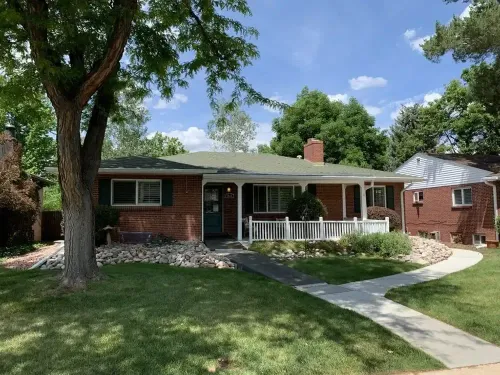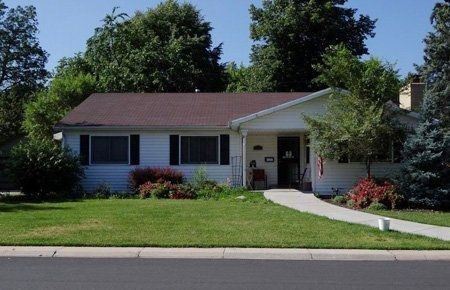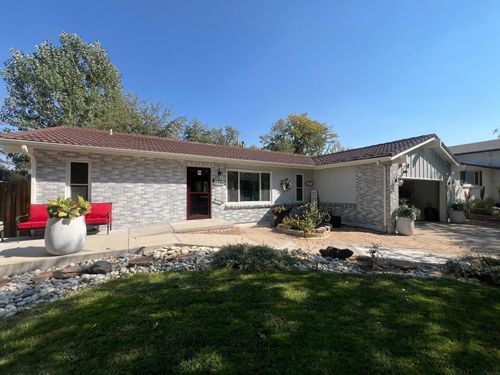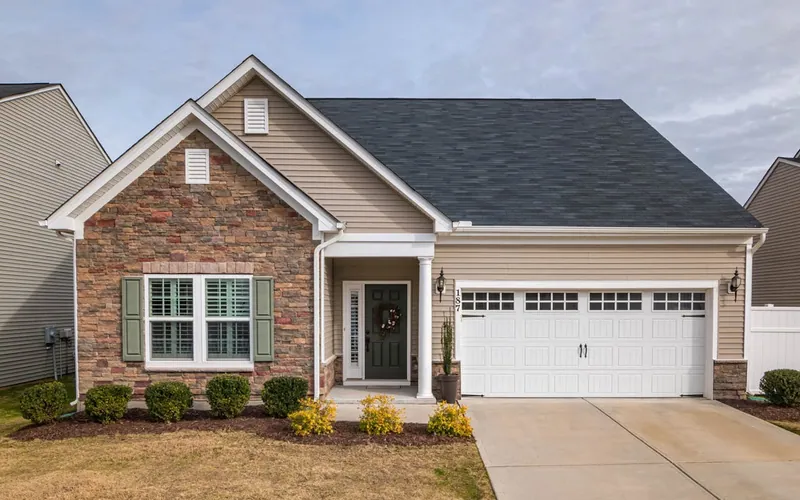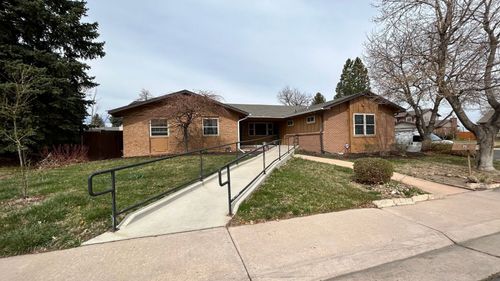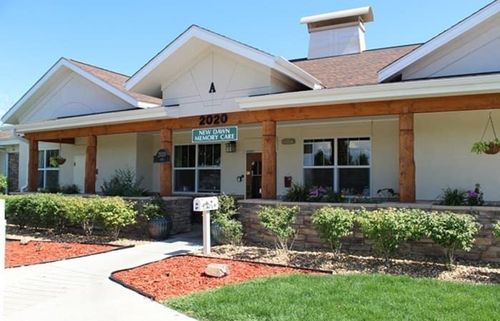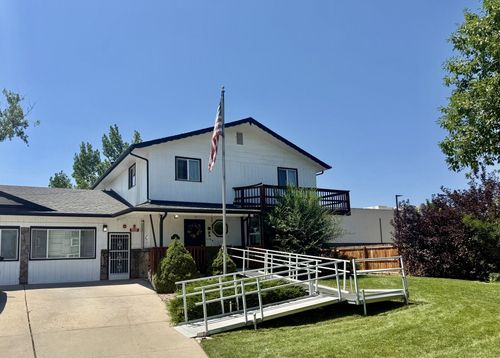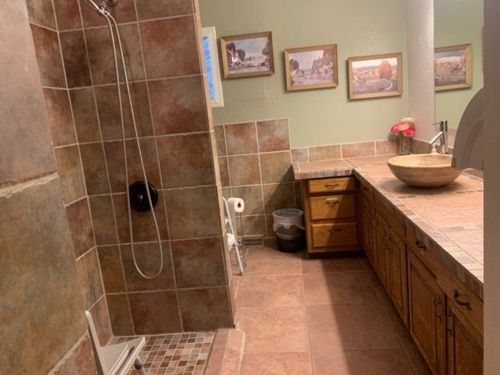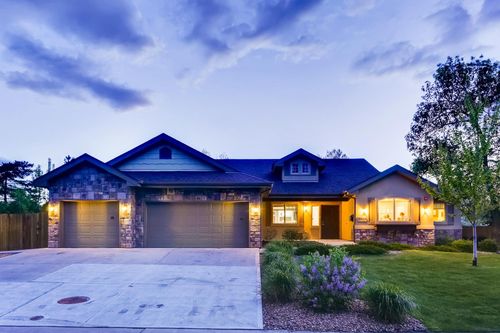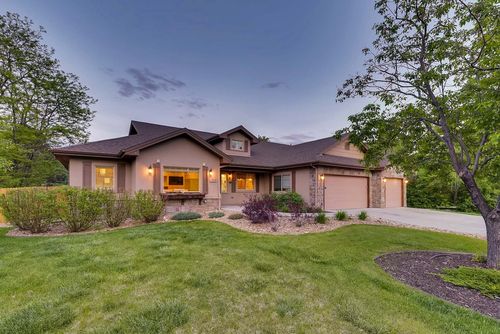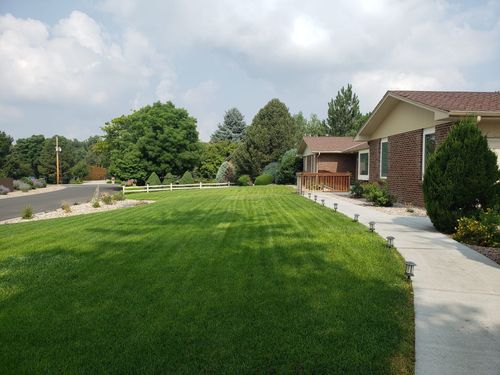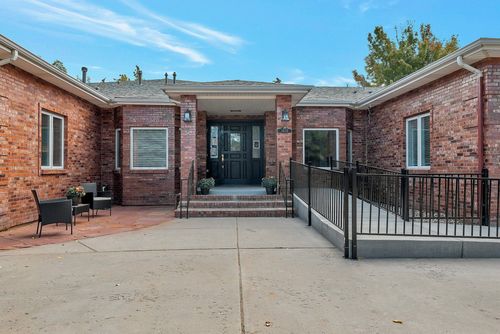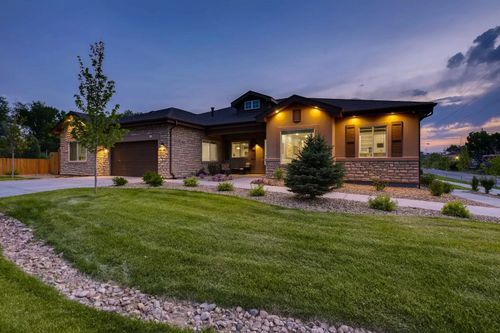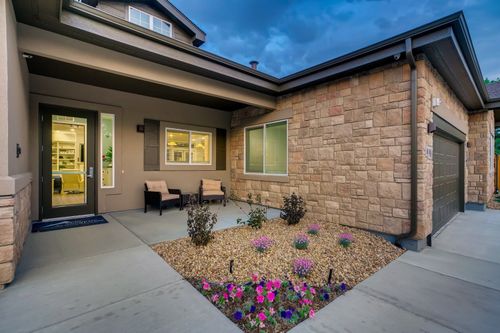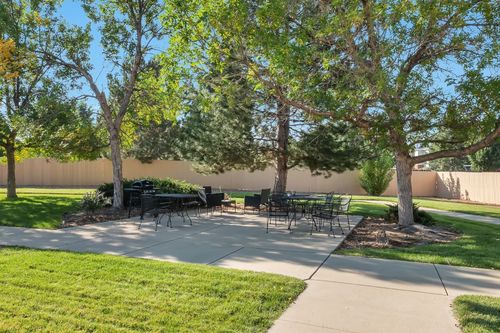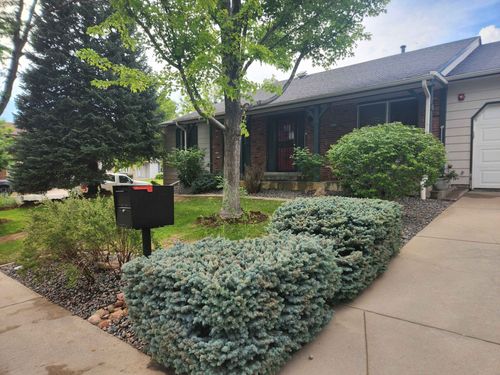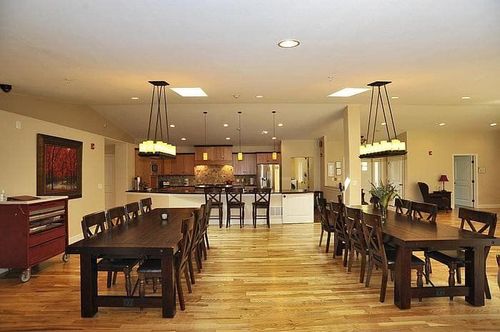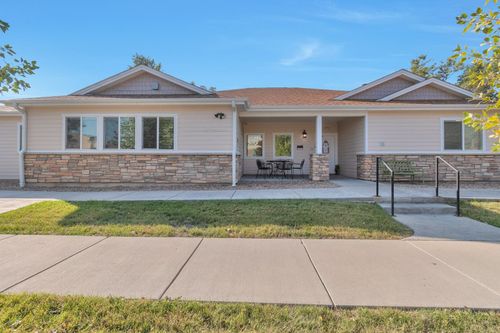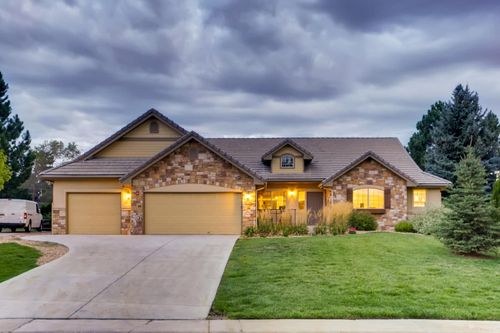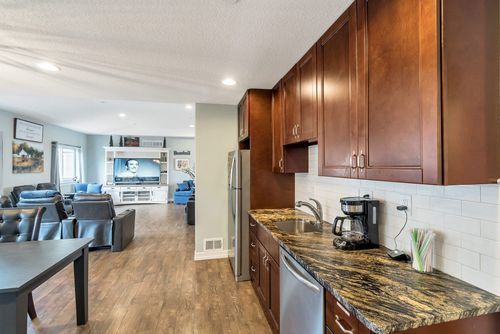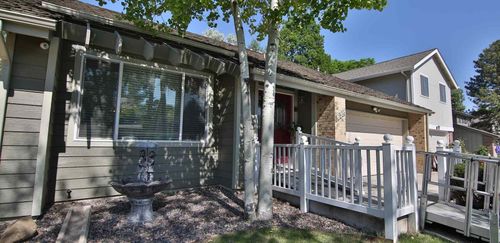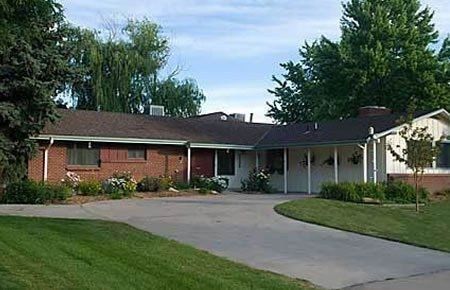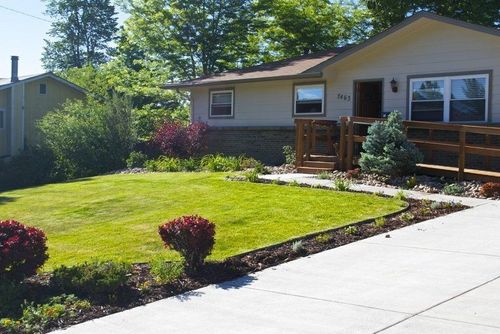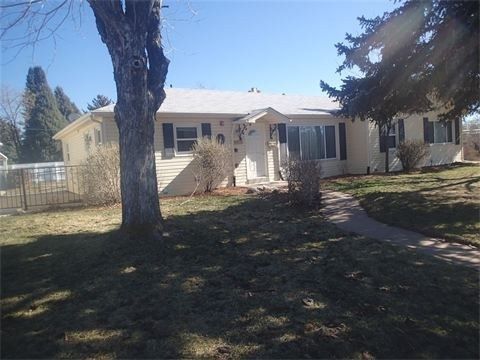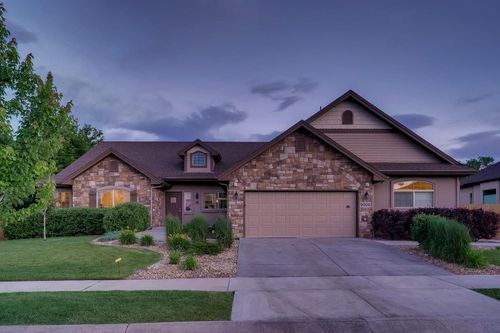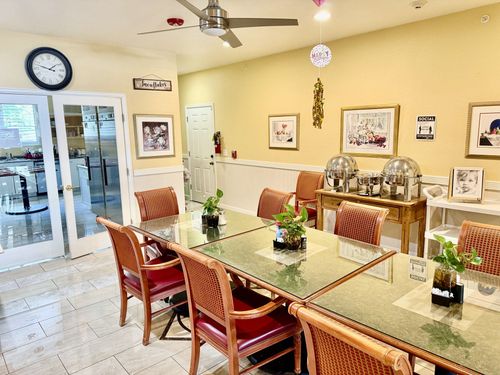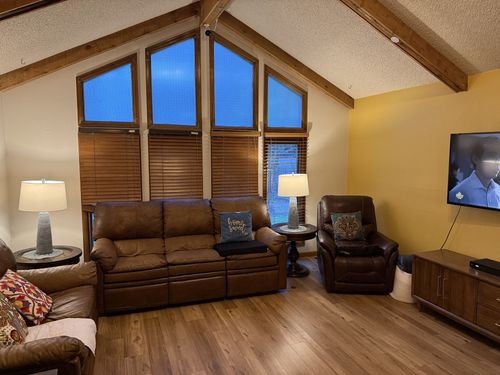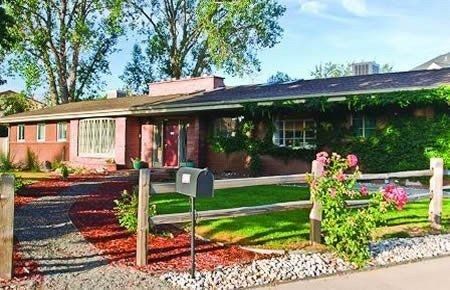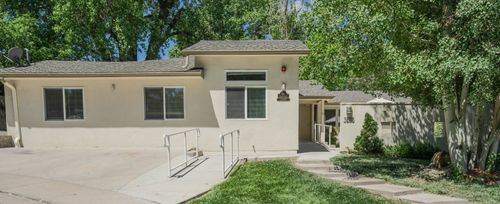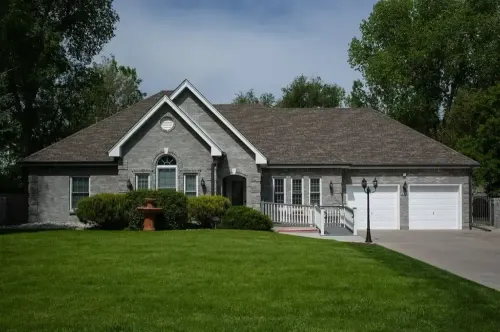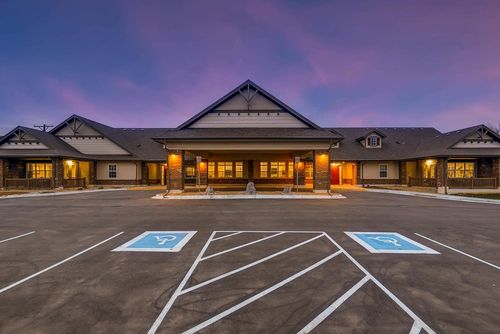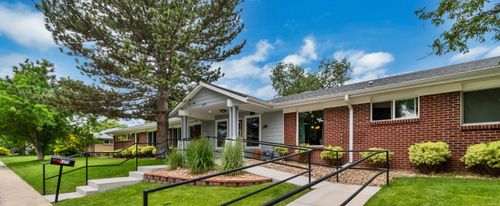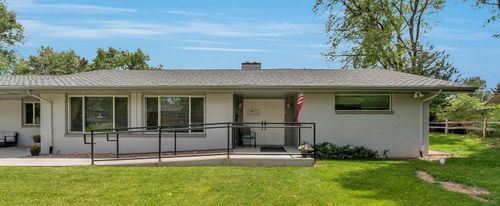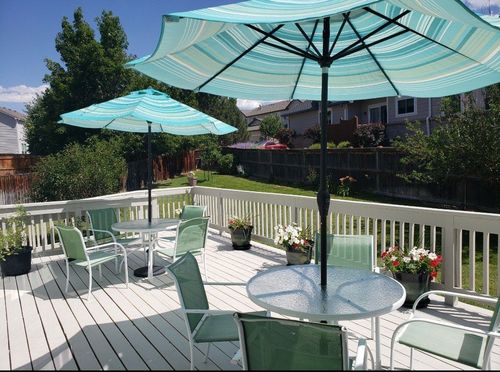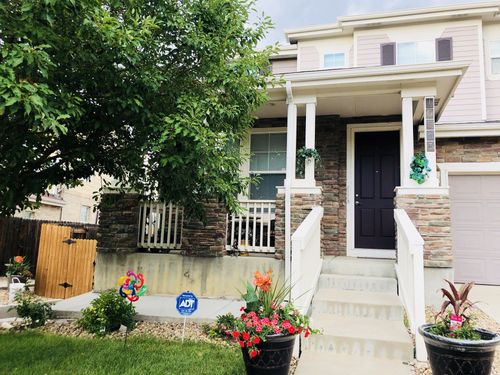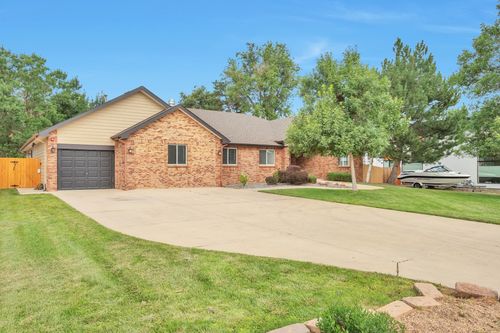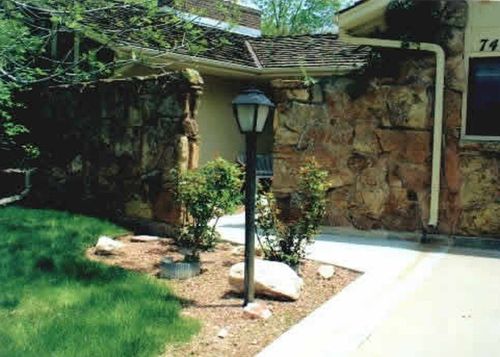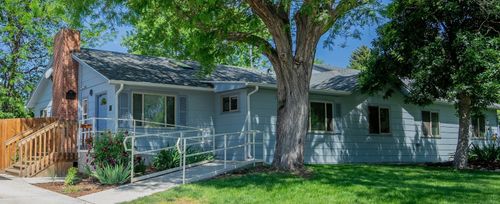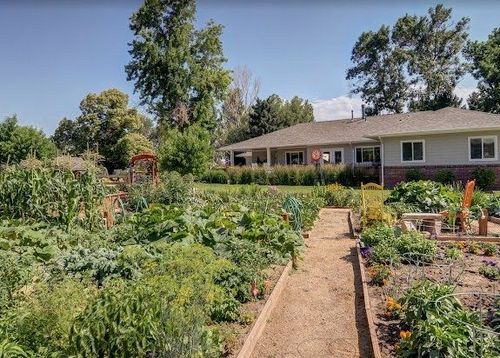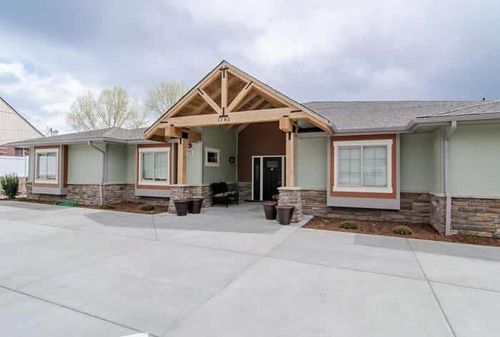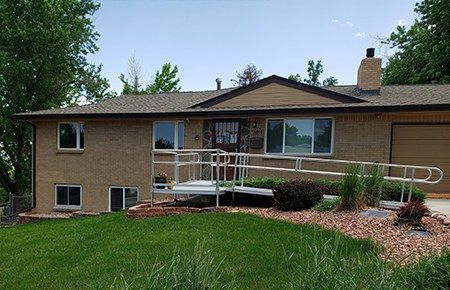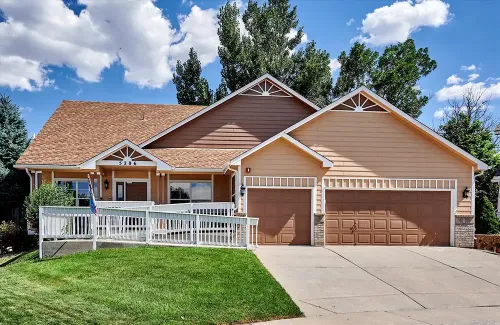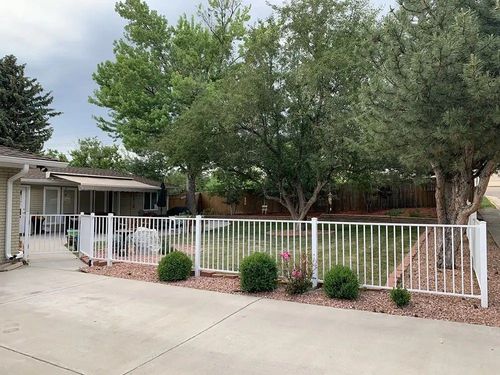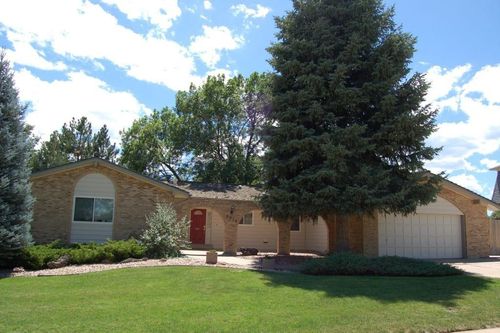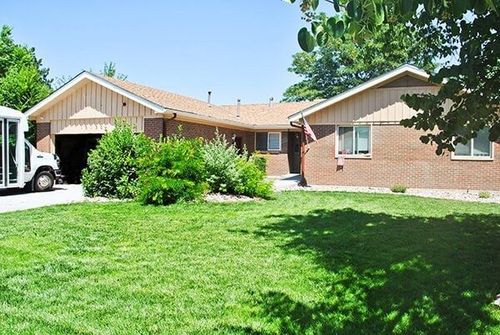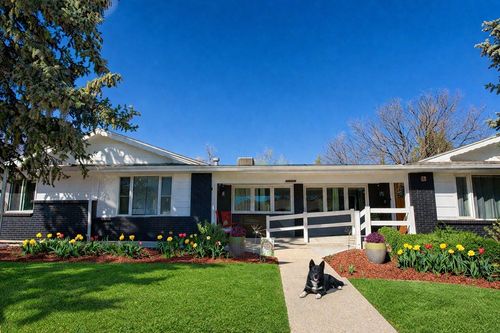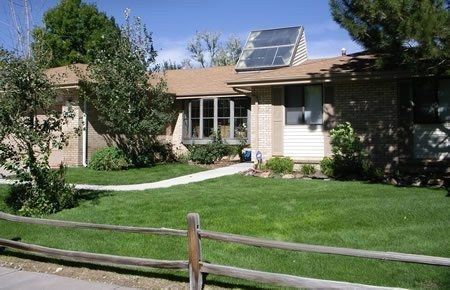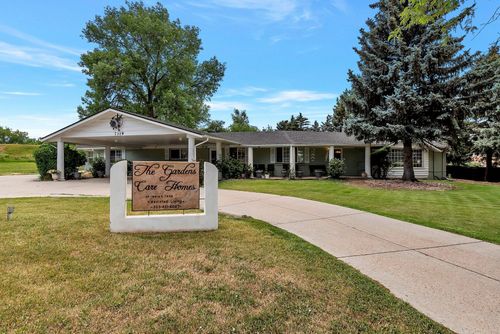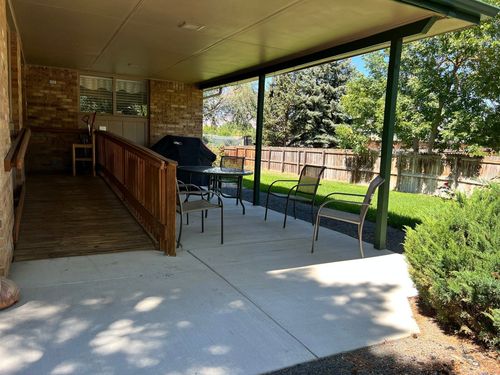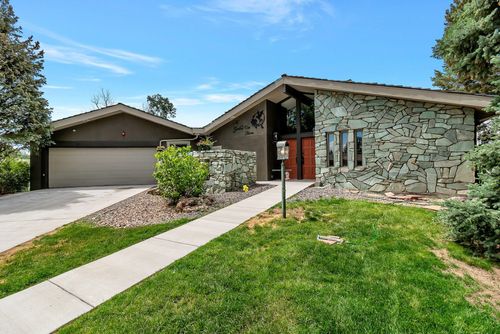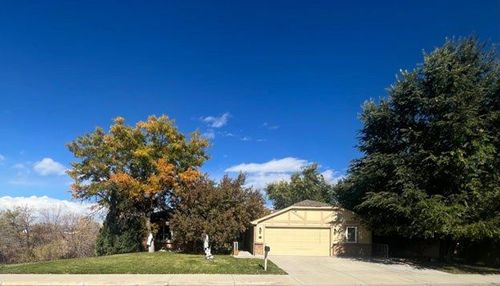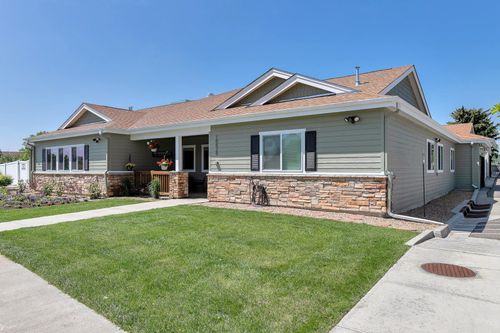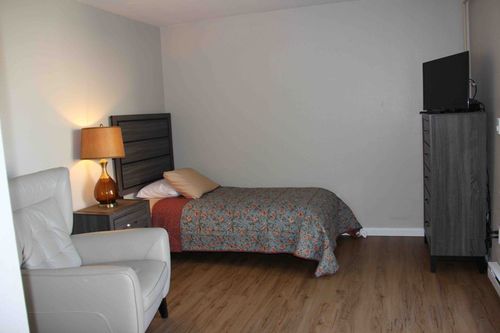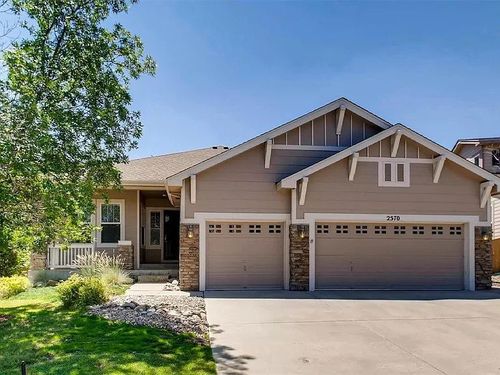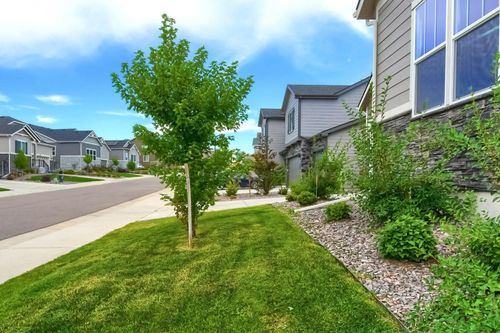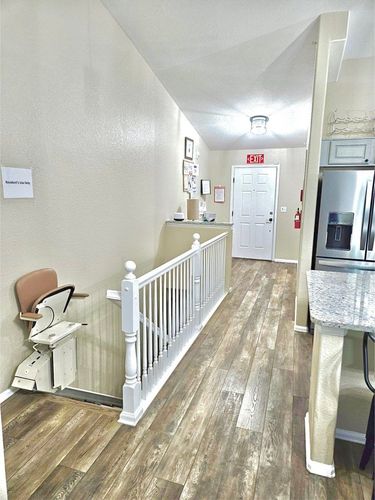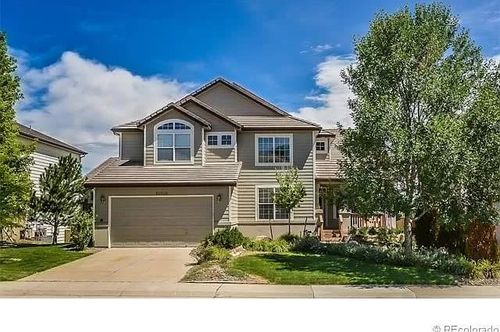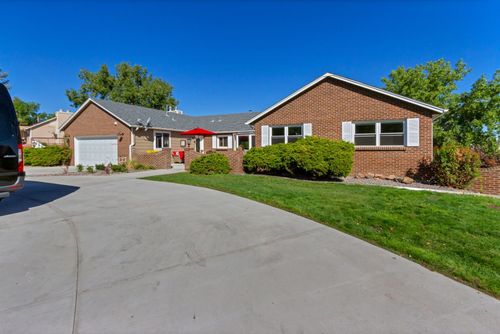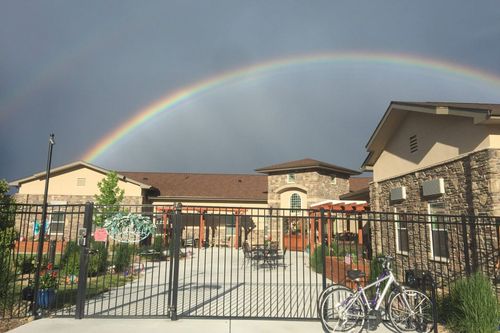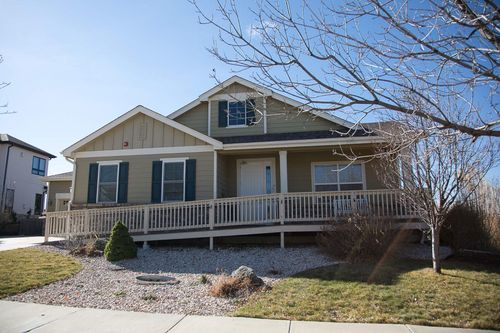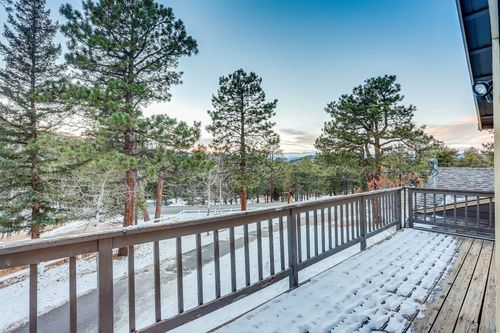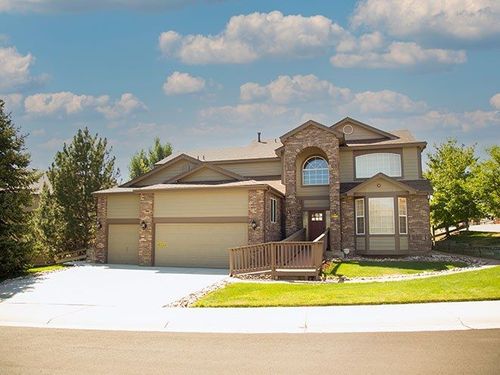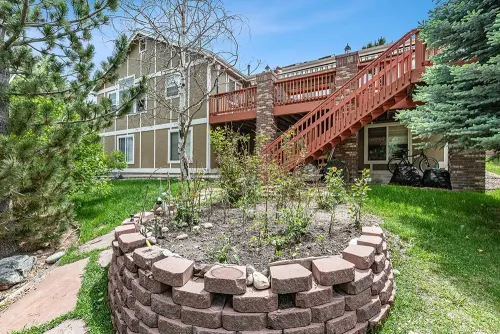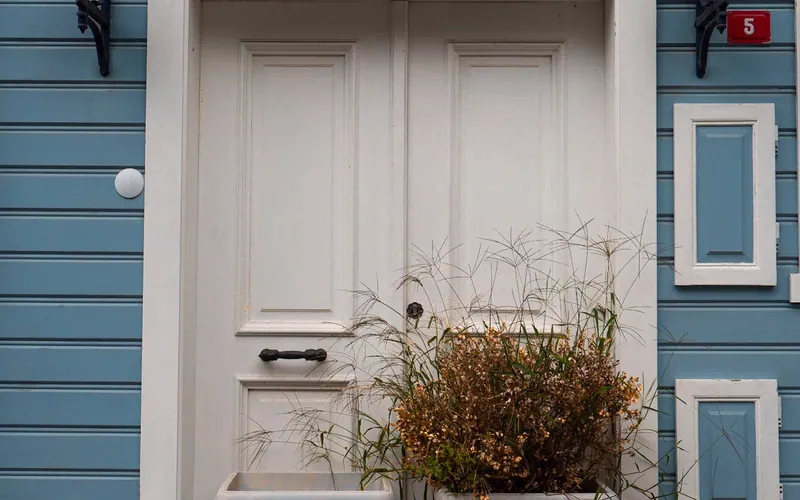
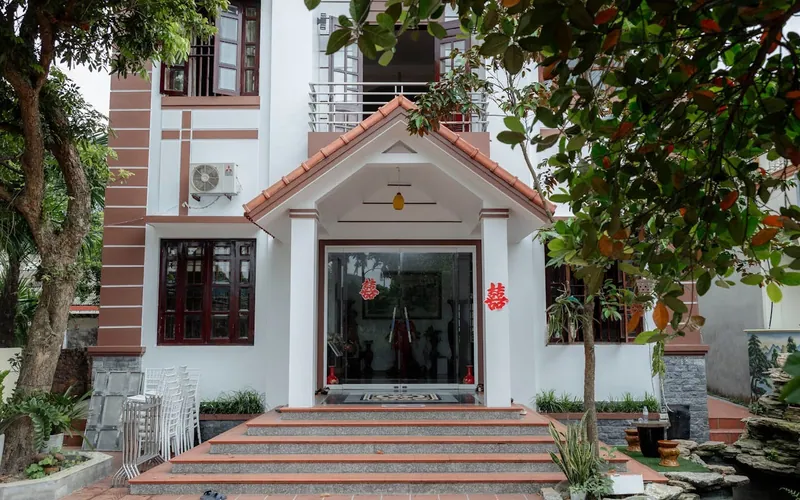
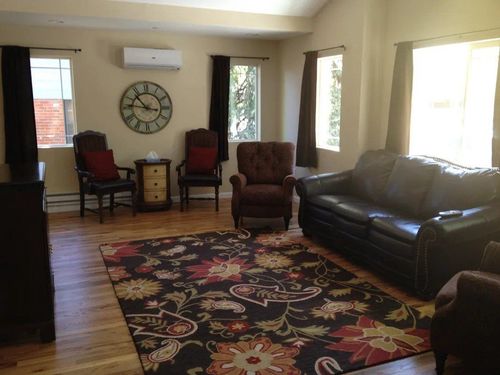
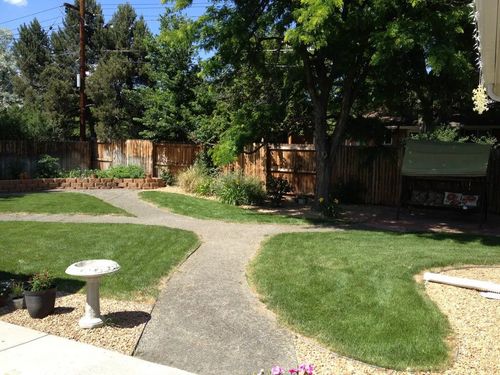
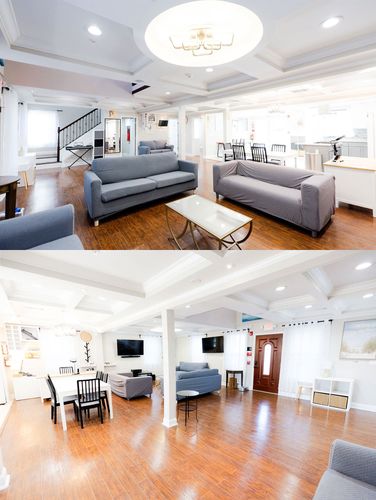
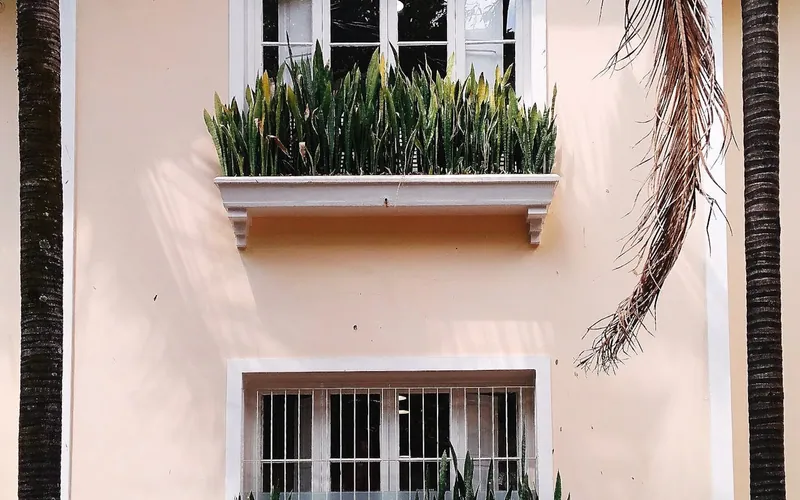
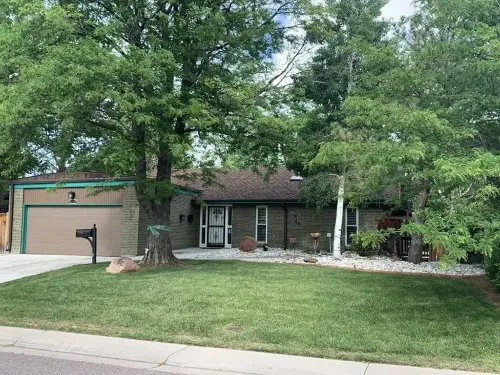
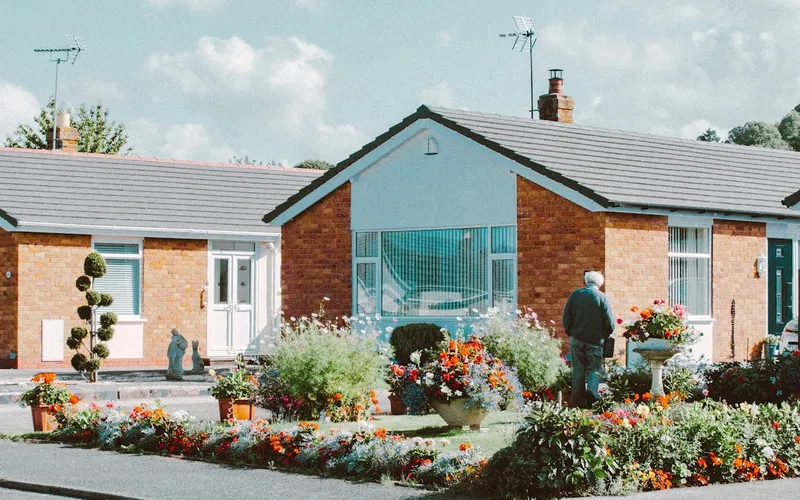
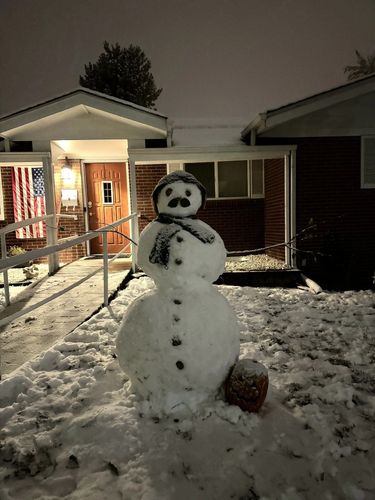
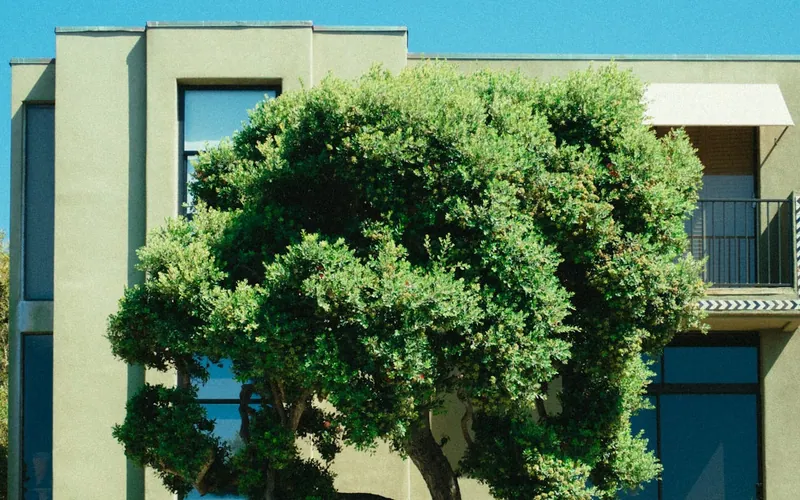


A residential care home in Denver is exactly what it sounds like: a regular house on a regular block, a handful of residents, and caregivers who live the day alongside them rather than rotating across a hundred apartments. Most of Denver's small homes sit in the leafy southeast quadrant, a tight band of streets in University Hills and the Goldsmith neighborhood just south of Cherry Creek, on Forest Drive, Kearney Street, Holly Place, and Carter Circle, where a care home blends into the cul-de-sac next to ordinary single-family houses. 26 of these homes serve Denver, ranging from six residents at the Aurora Skies home on South Clinton to sixteen at Assisted Living of Denver in Park Hill.
Families who land here have usually already decided that a large apartment-style building is the wrong fit. They want the opposite for a parent who would feel lost in a hundred-unit complex: a quieter house, a low caregiver ratio, and meals around one table.
What Living in a Denver Small Home Is Like
The defining feature is scale: most Denver care homes house between six and sixteen residents, though a few residential-licensed homes run larger, and the staff-to-resident ratio runs far lower than a large community, often one caregiver to a few residents. That ratio is the whole point: caregivers know each resident's routine, their preferences, the way they like their coffee. The day looks like a household. Three home-cooked meals come out of one kitchen, there is help with the activities of daily living, bathing, dressing, grooming, mobility, and medication, and someone is awake and supervising around the clock.
The care level splits across the local homes. Most, like Apex Assisted Living on South Rosemary and Just For Seniors on Vrain Street, provide assisted living. A cluster of the Assured Senior Living houses and TenderCare at University Hills also run secured memory care, where the small, calm, low-stimulation setting often suits a dementia resident better than a large building would. These are state-licensed care settings, not unregulated rooms; Colorado licenses assisted living and the license a home carries signals the level of care it can serve.
The trade-offs are real and worth naming: a Denver small home will not have the fitness center, the full activity calendar, the on-site salon, or the wide social pool of a large community, and it keeps no nurse on site for clinical needs. A larger Denver community is a genuinely good fit for a resident who wants more amenities and a bigger circle. The small home is the right answer for a different preference: intimacy, calm, and staff who know you by name.
What a Denver Care Home Costs
Denver's small homes price across a wide band. The matching set runs from roughly $4,150 a month at the lower end to about $6,400 at the homes built around secured memory care or the lowest ratios, which sits right alongside the metro's broader assisted-living average of $5,300 to $5,900 a month in 2026, per the latest national cost-of-care data reported for 2026. Sometimes a care home costs about the same as a large community; sometimes it carries a modest premium for the low ratio and the home setting.
What the price buys is different in kind, not just degree. In a large community a family pays partly for shared amenities and a deep activity program; in a small home, more of the cost goes to one-on-one attention. Several Denver homes also accept Health First Colorado funding for residents who qualify, which can change the out-of-pocket picture for the care portion, though the room-and-board share stays with the resident.
How Many Small Homes Denver Has
Denver County has roughly 93,900 residents over 65, and small home-style care is a deliberately narrow slice of the city's inventory, since each house holds only a handful of beds. That scarcity is the practical catch: when a six- to ten-resident home is full, it is full, and the right opening at the right home can be hard to time. The southeast concentration helps a family searching the University Hills area, but a single opening can move quickly.
Why Families Choose Residential Care Homes in Denver
The pull is the household feel: a resident who would shrink in a large building often settles into a Denver care home because it reads as a home, with a few housemates, a familiar kitchen, and the same caregivers each day. The low ratio means staff catch a change in appetite or mood early, because they are not stretched across many wings. For a parent who values quiet over bustle, or who is anxious in crowds, the small setting on a residential Denver street can be the difference between tolerating a move and actually settling in. It is a fit decision, not a verdict on the larger communities the city also offers.
What a Local Advisor Brings to Denver
A local advisor knows the Denver small homes house by house: which of the Assured Senior Living and TenderCare houses run secured memory care versus assisted living only, which has a single opening this month, and how the homes on Forest Drive, Kearney, and Holly differ in feel even though they sit blocks apart. They know which license type a given home carries and what that means for a resident whose needs may grow.
The narrowing is concrete: from 26 houses to the two or three that match a resident's care level, budget, and the neighborhood a family wants to visit. Get in touch about residential care homes in Denver, or browse the homes we have reviewed at your own pace.