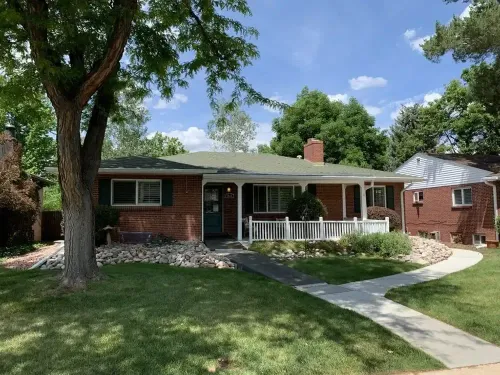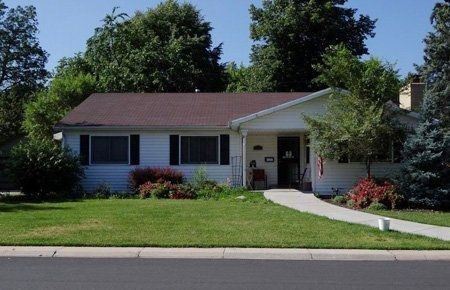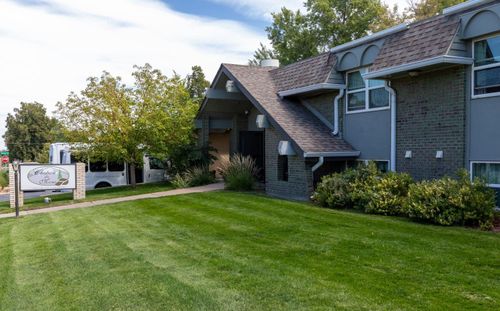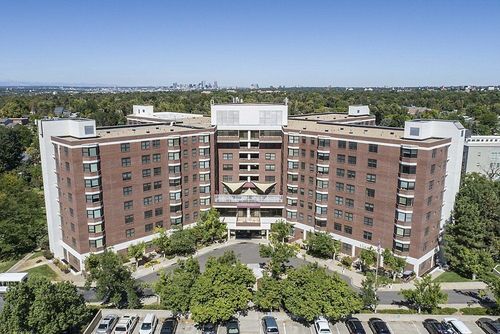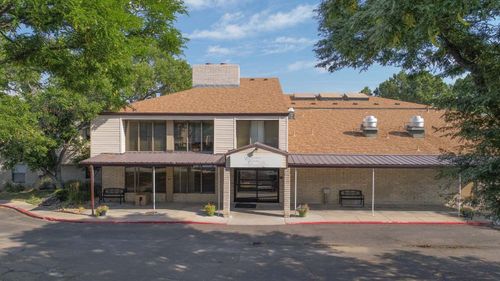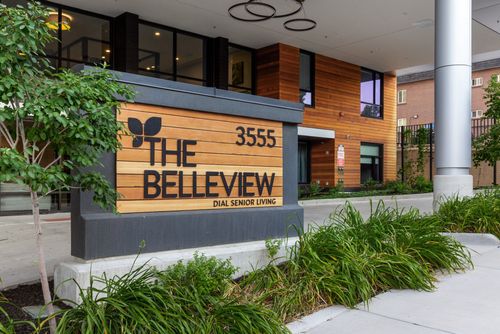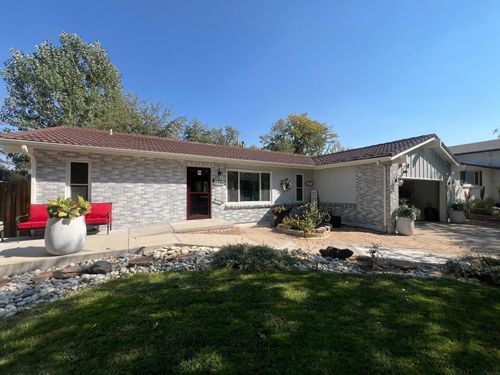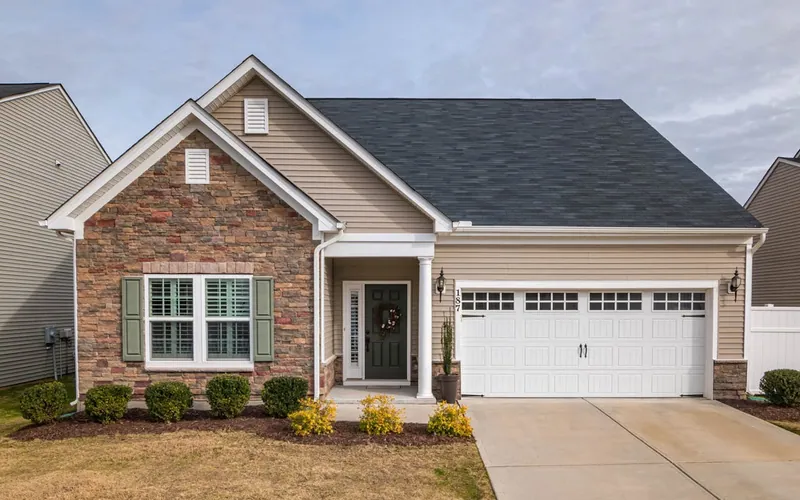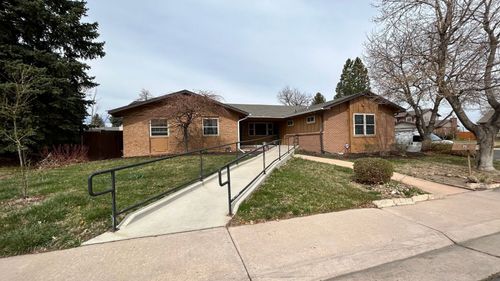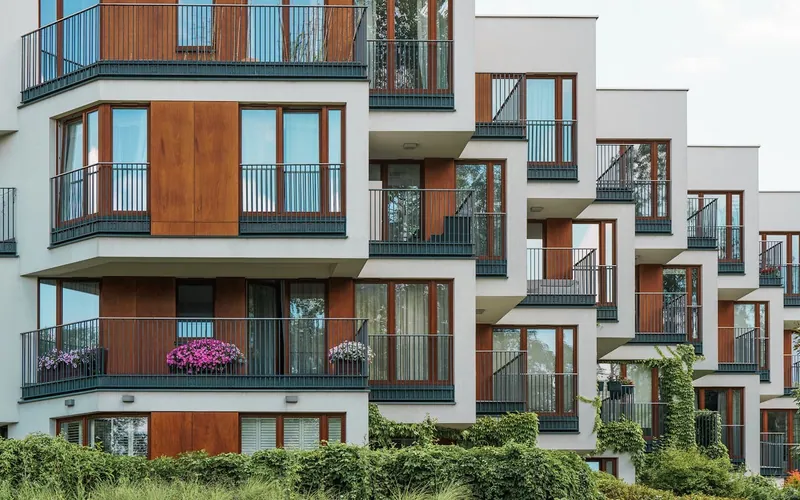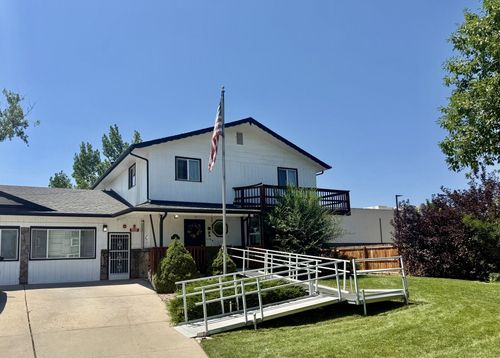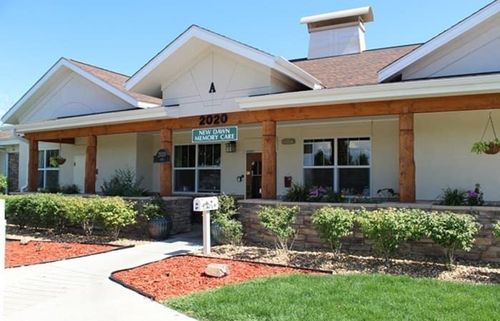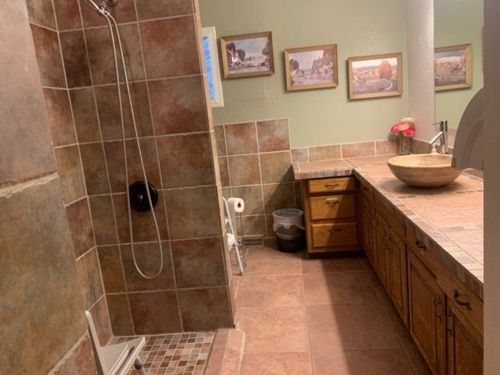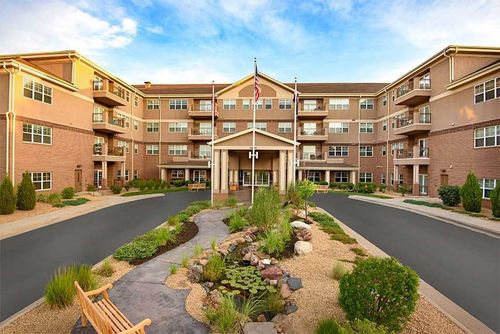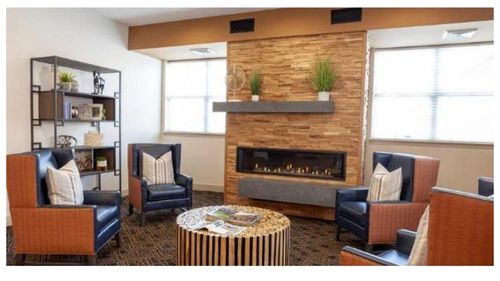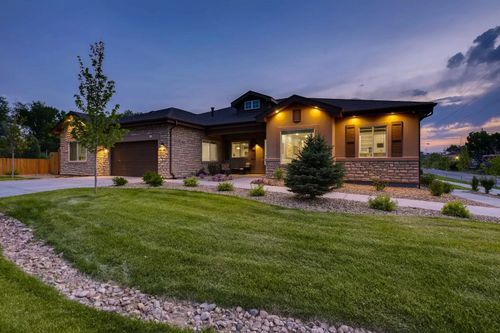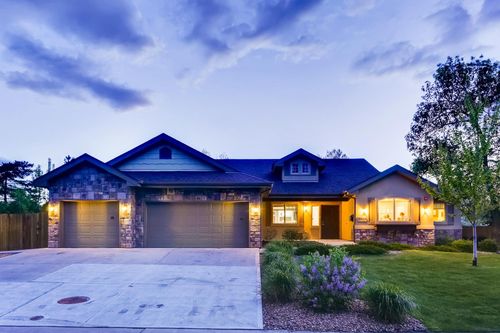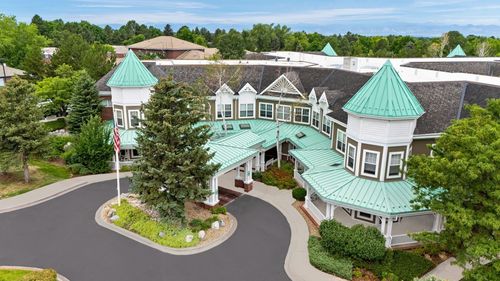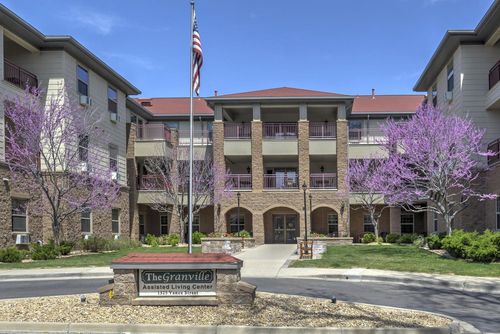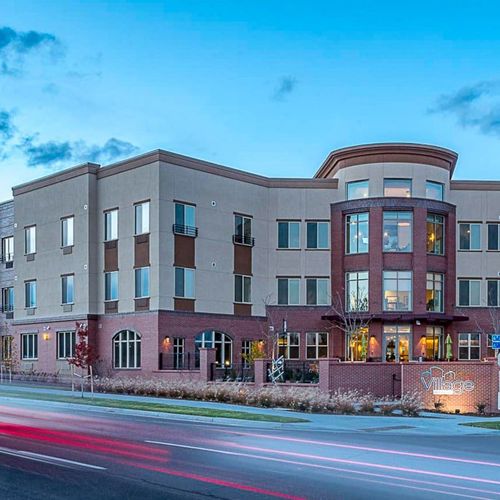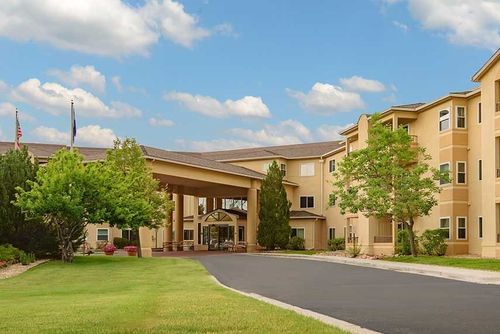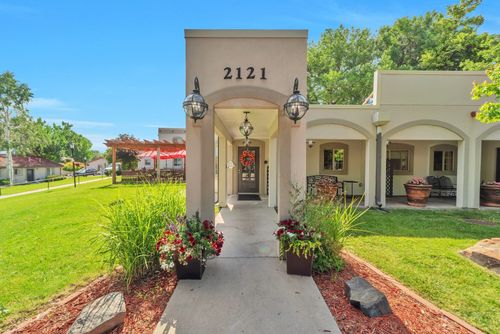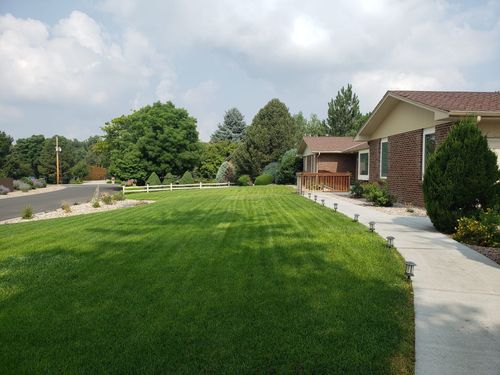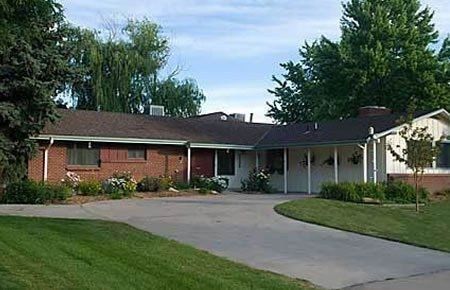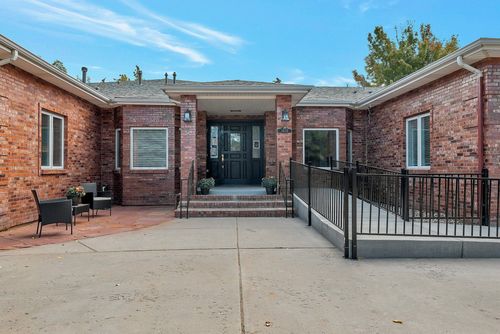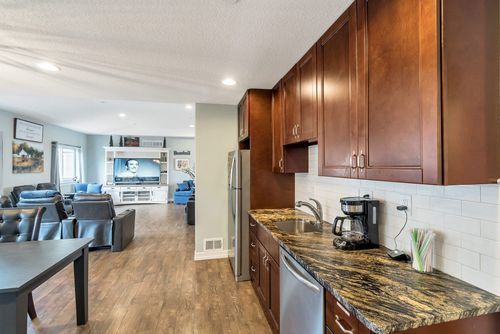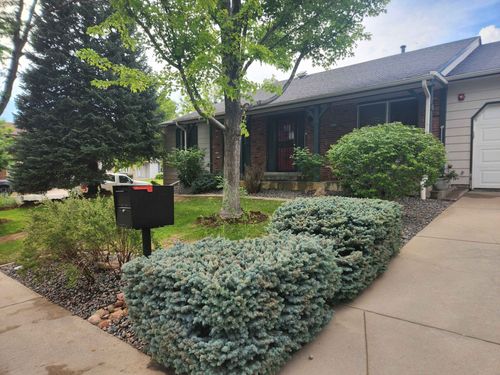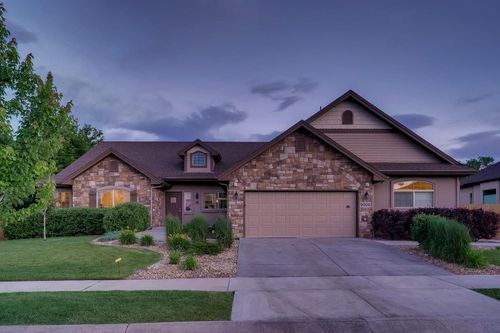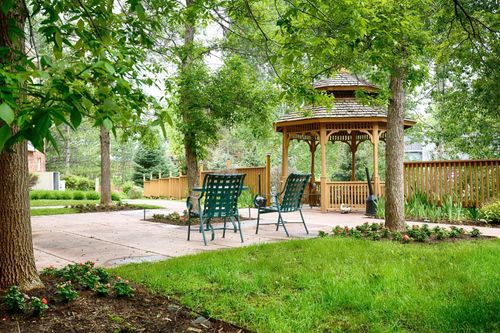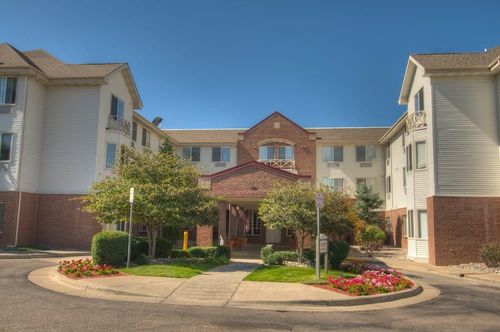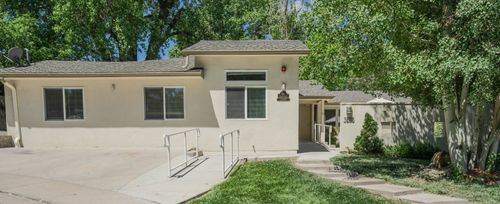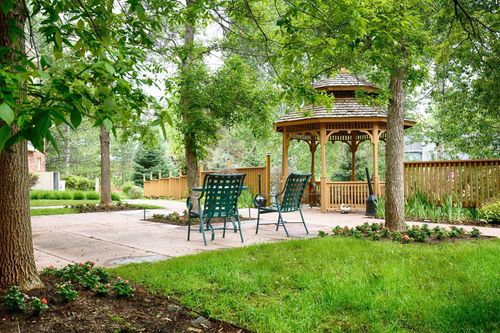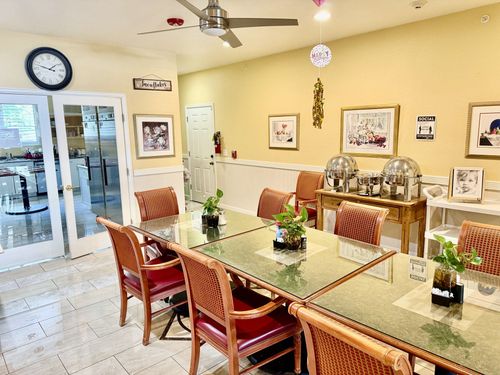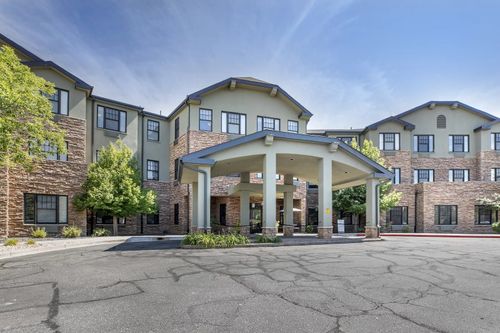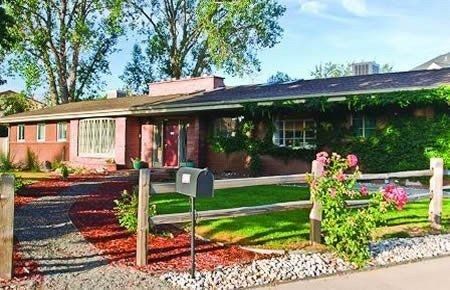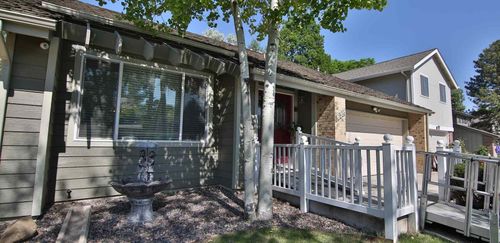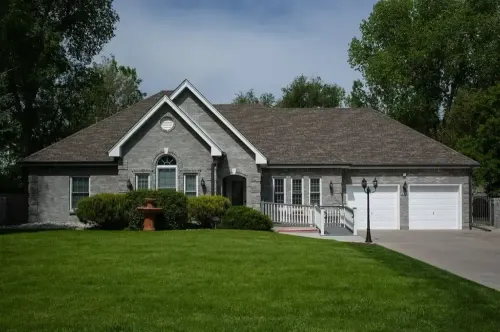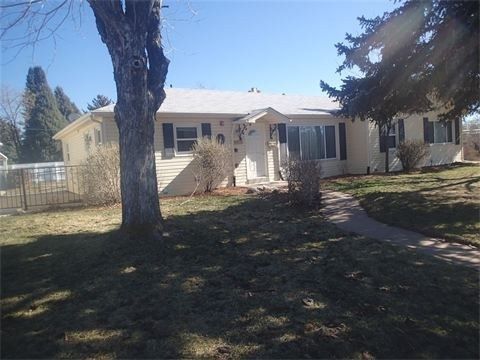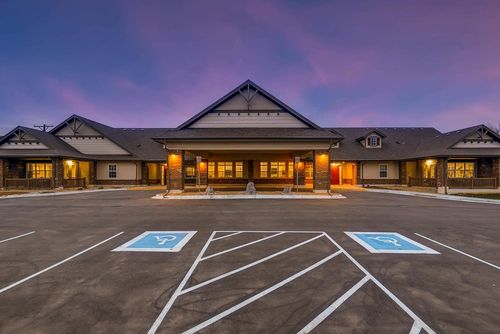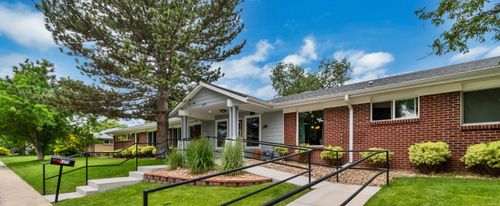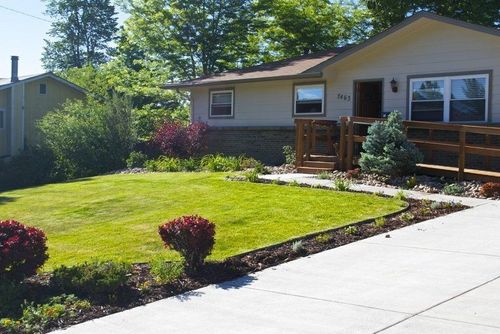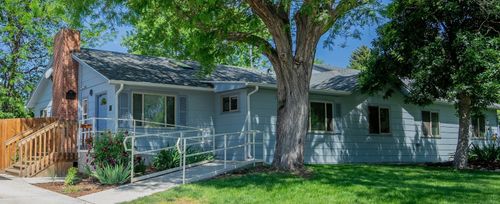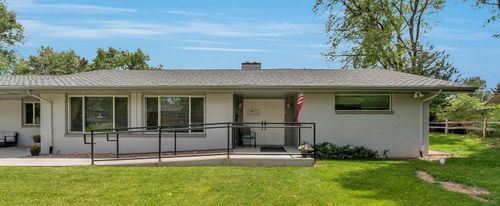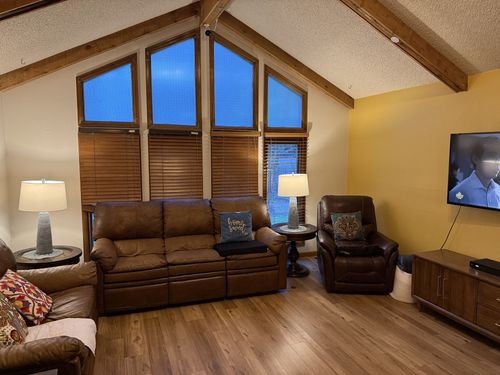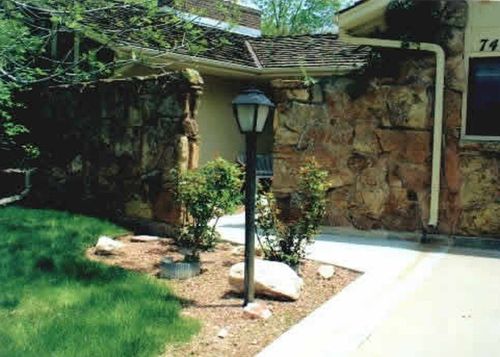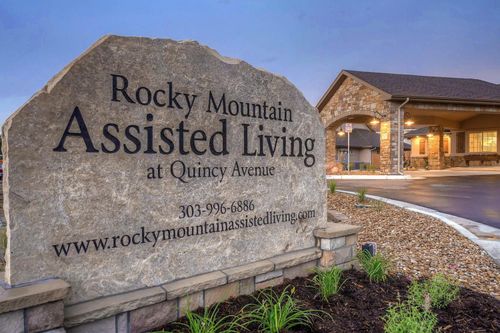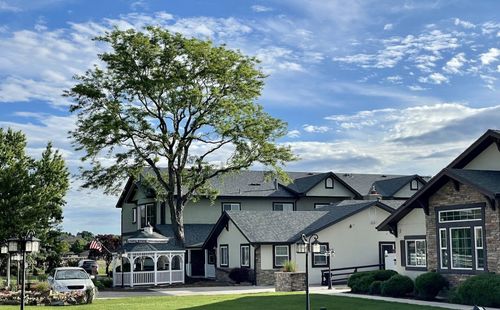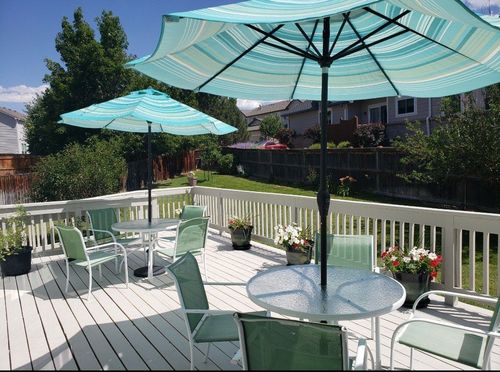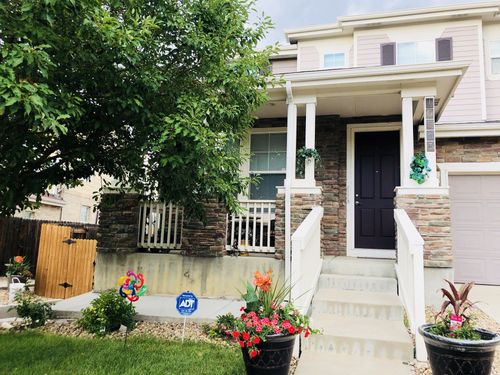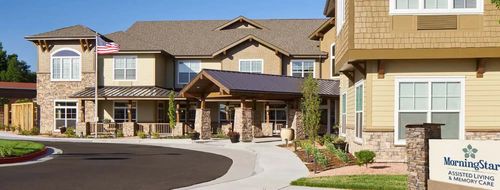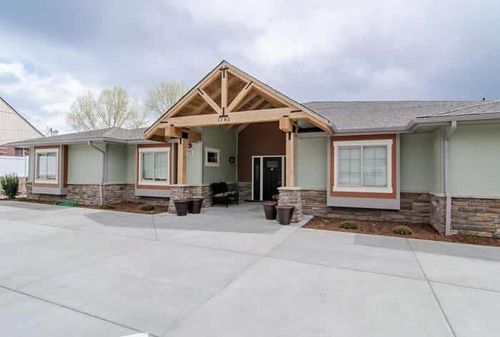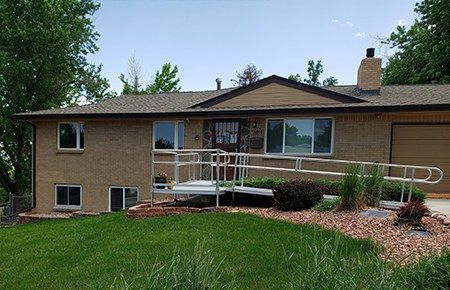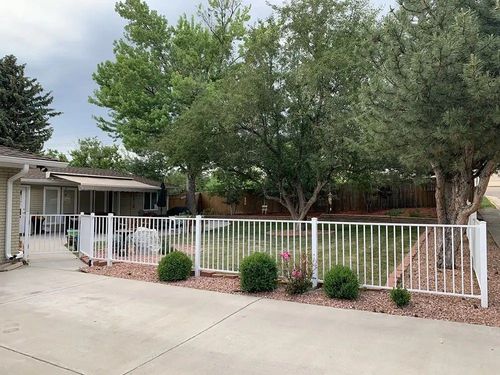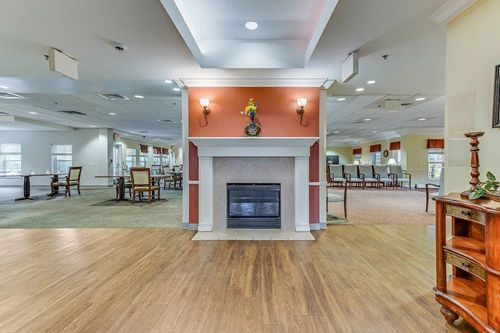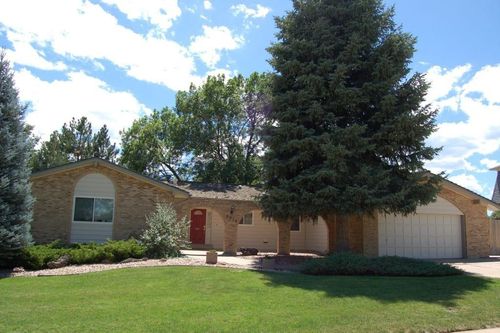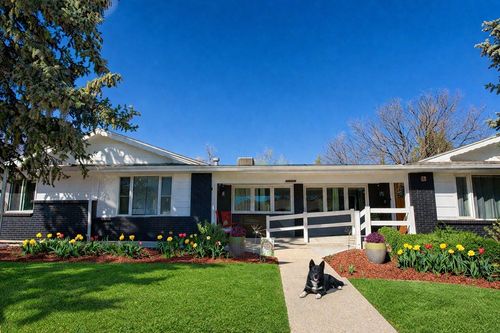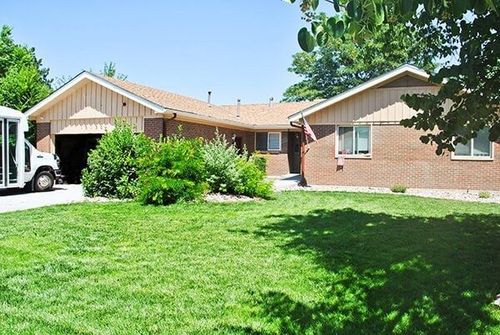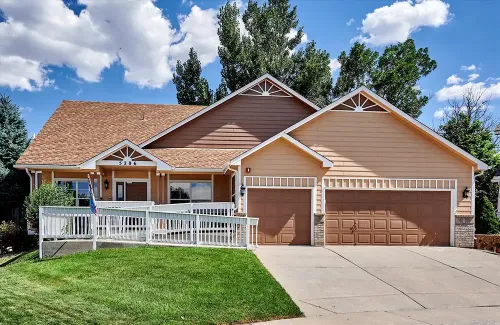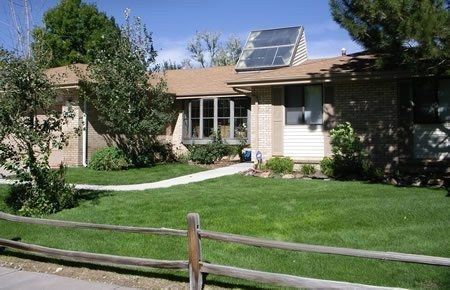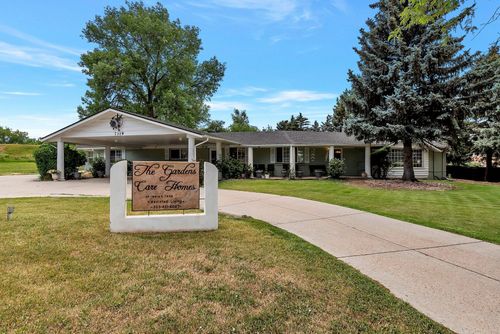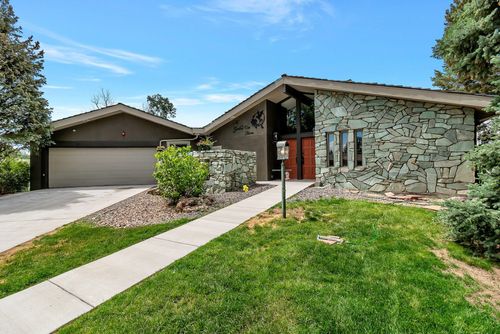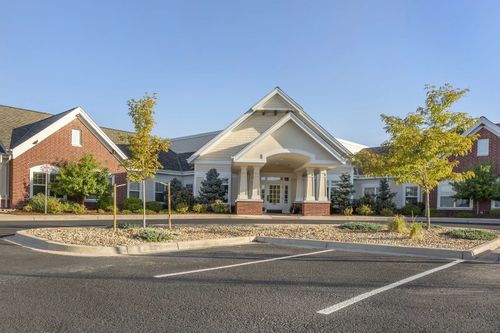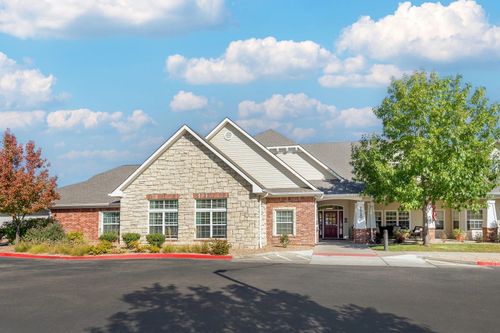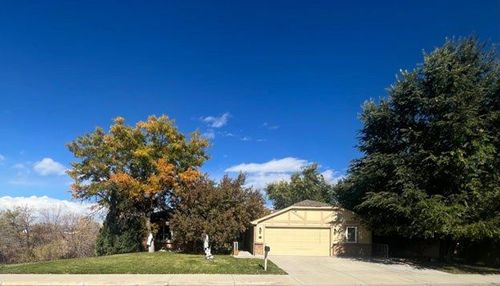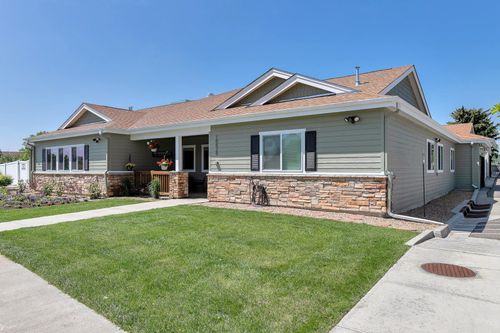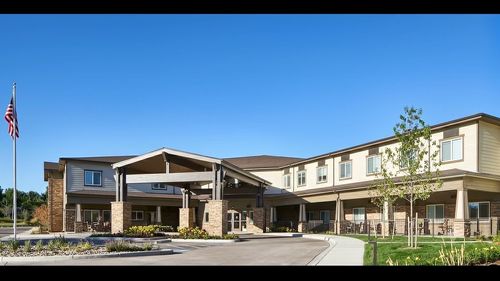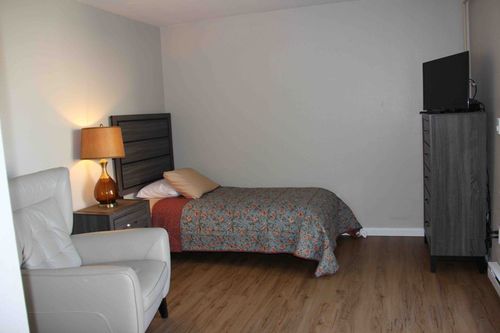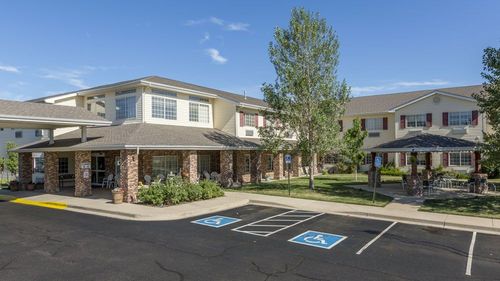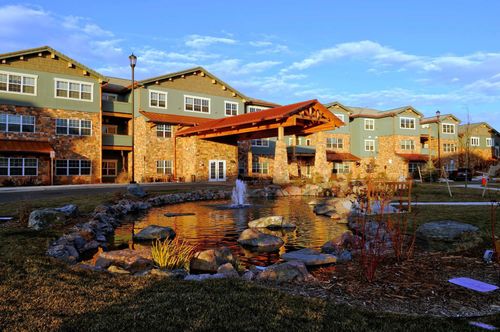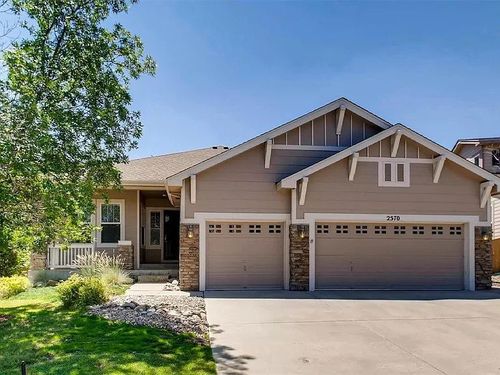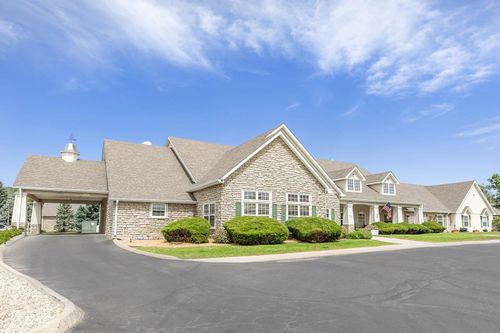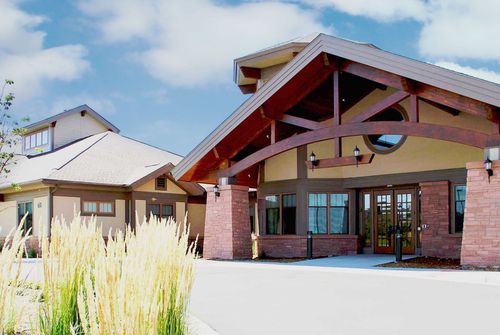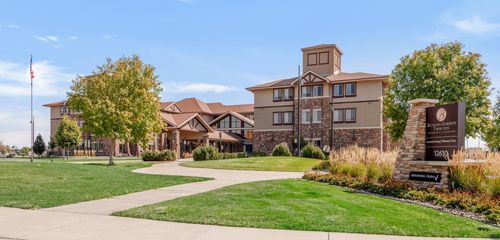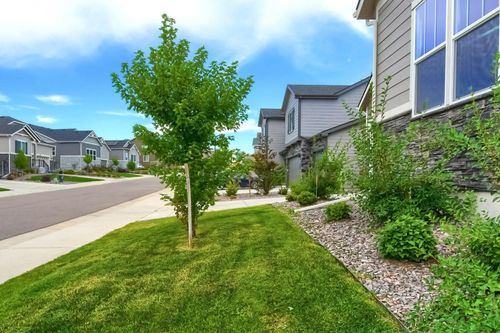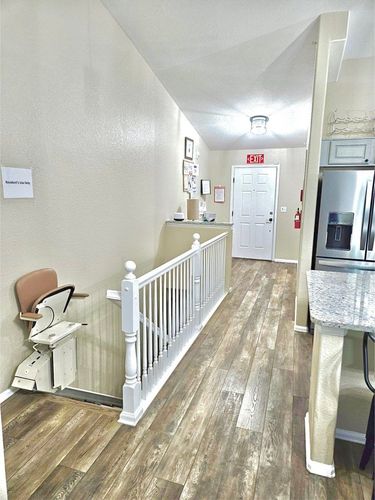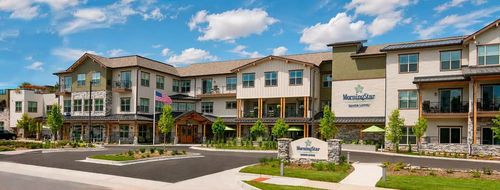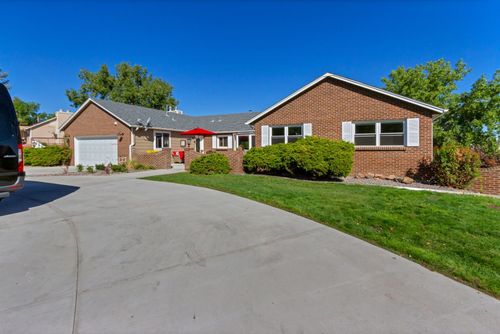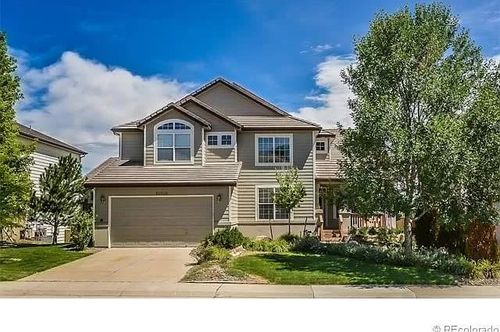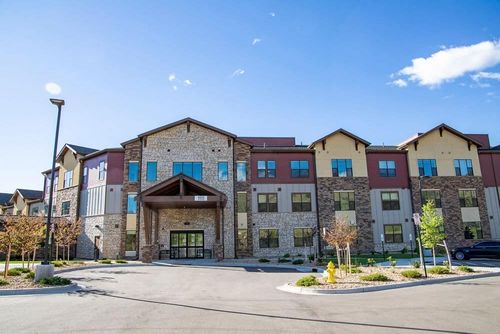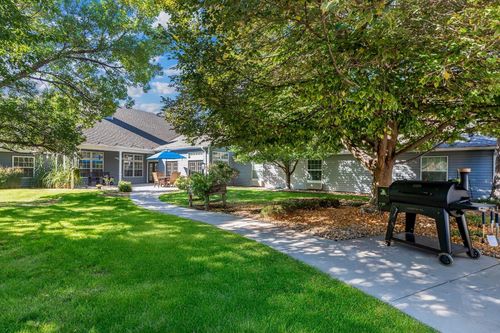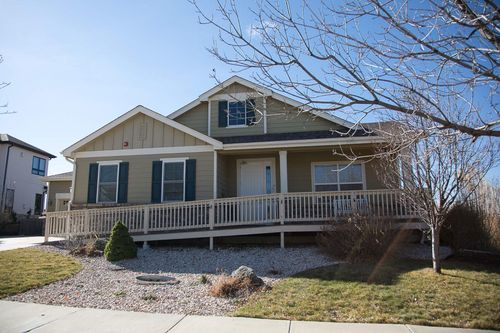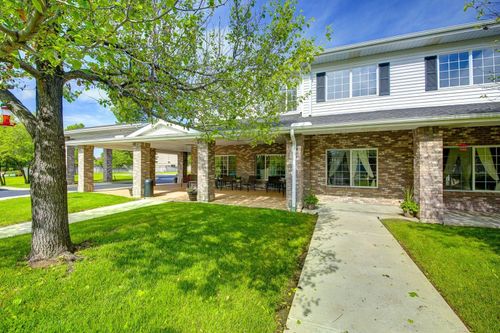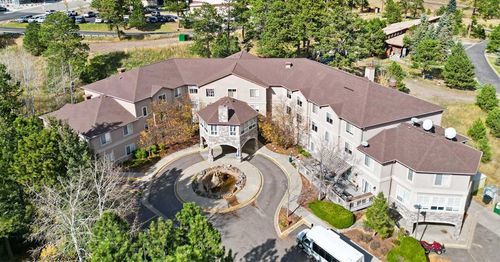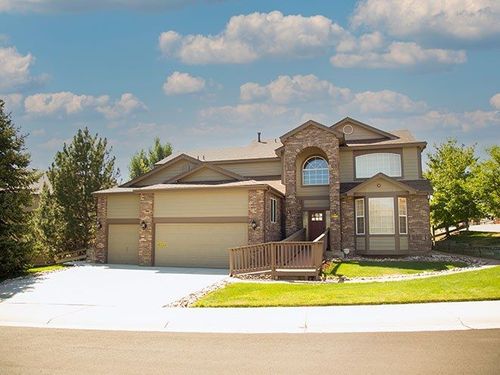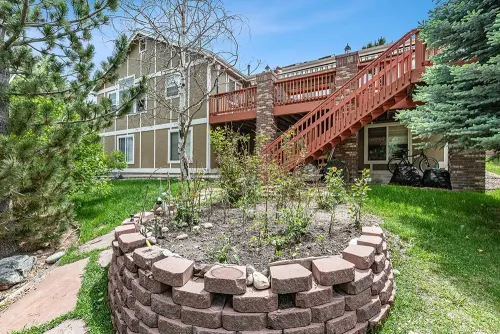













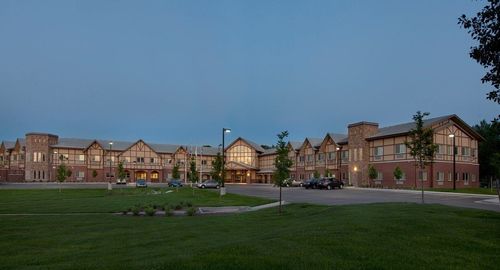




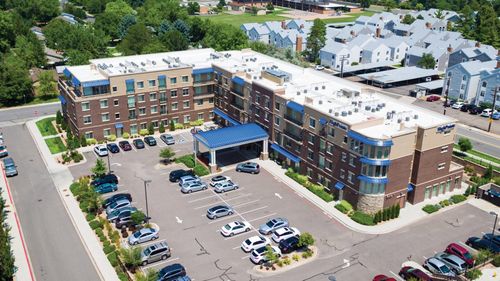

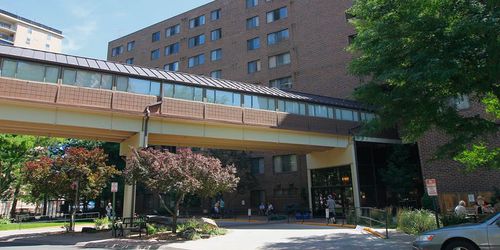

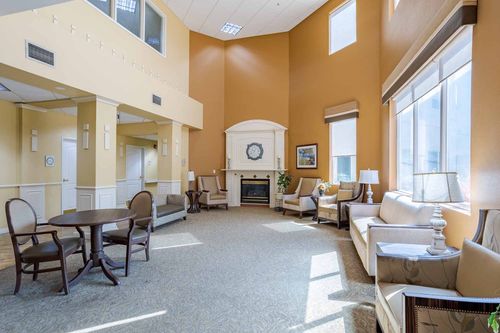

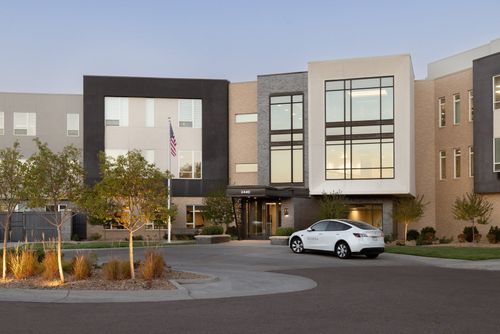


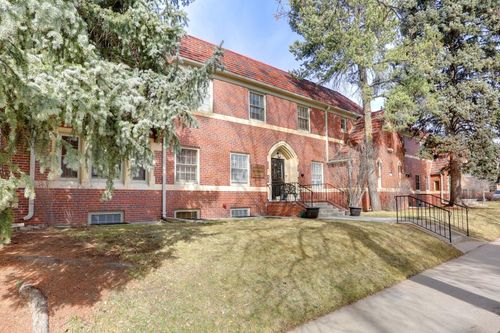


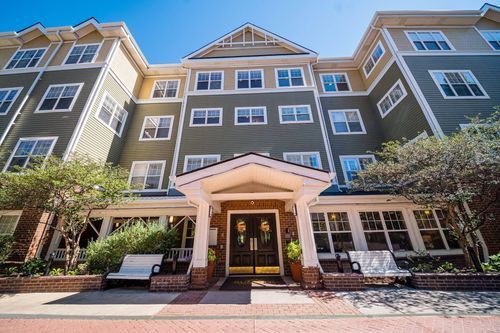
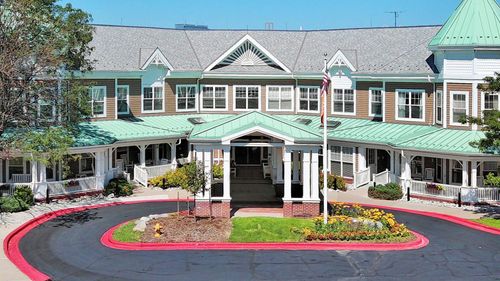

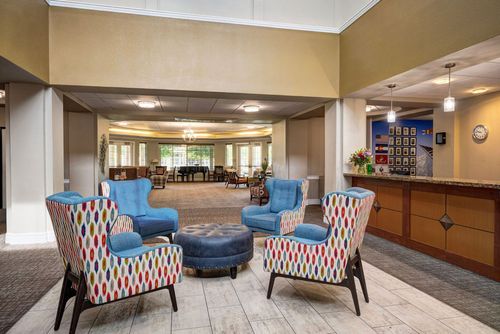


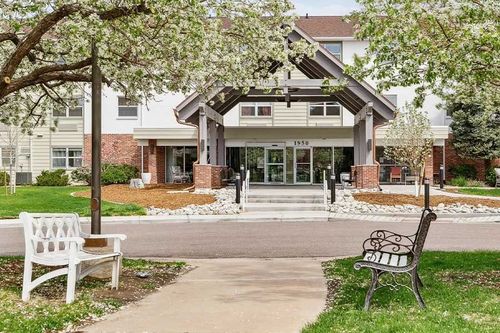
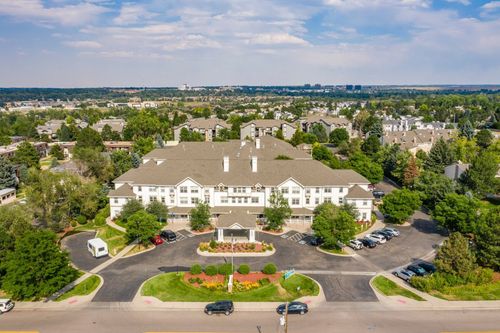

Assisted living is the backbone of Denver's senior living, the most common care level and the one most families start with. The 61 matching communities run from large purpose-built campuses near Cherry Creek and the southeast to small residential homes folded into the city's older neighborhoods, so the choice is rarely about whether something is open and more about which setting and part of town fit.
Families move toward assisted living in Denver once help with medications, bathing, or the day's routine has stopped being occasional and become the new normal, while a parent still wants their own apartment and a full life around it.
Daily Support and Independence
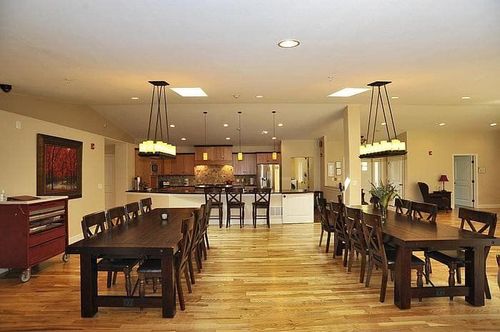
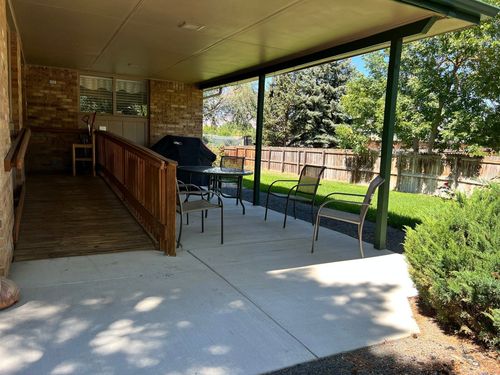
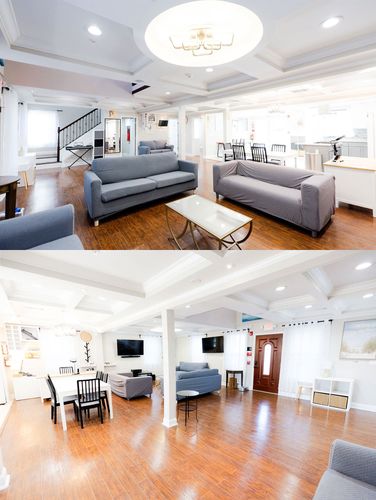
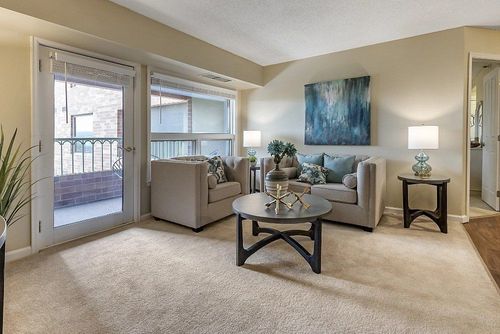
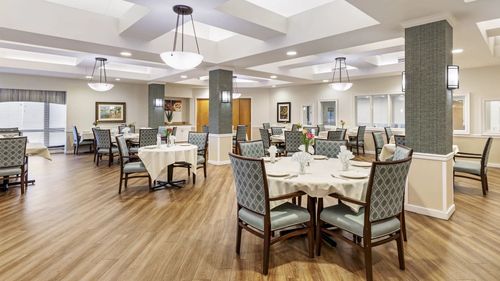
Assisted living in Denver is built to add support without taking over a resident's day. Caregivers help with the parts that have grown harder, medications, bathing, dressing, and mobility, while residents keep private apartments, their own schedules, and as much independence as they can manage. Dining runs restaurant-style at the larger campuses and family-style in the small homes, and the activity calendar fills with outings, classes, and clubs, with scheduled transportation for appointments and errands.
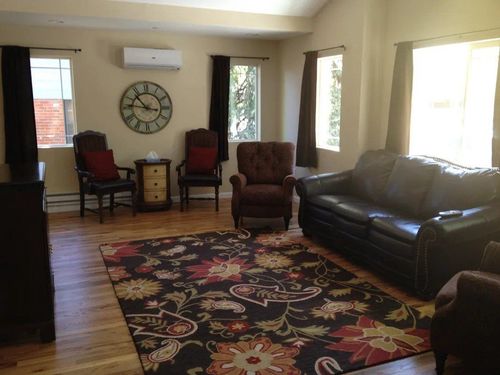
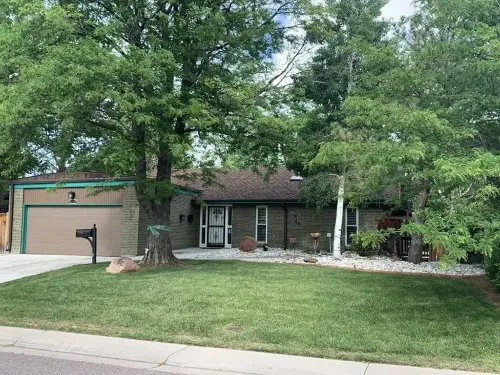
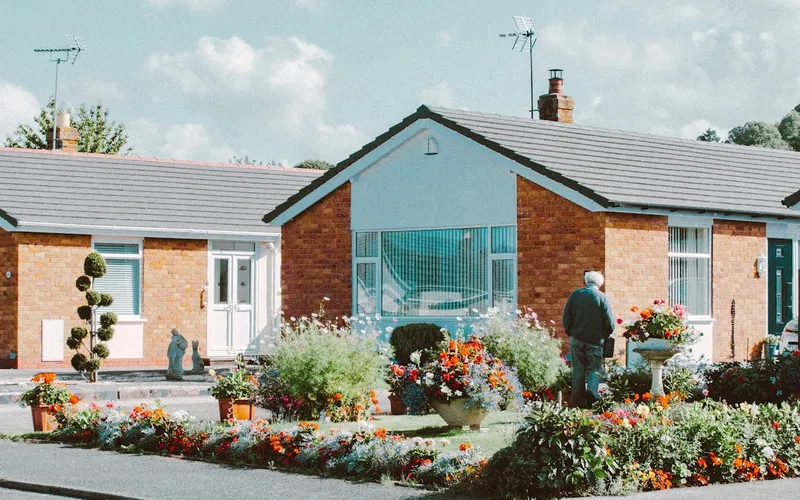
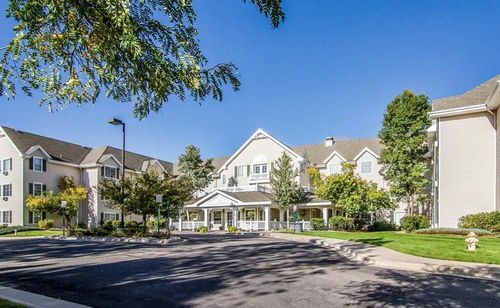
The city's range is the advantage. A large campus offers more amenities, a fuller calendar, and licensed-nurse coverage during the day, while a small residential home gives a quieter, household setting with a higher caregiver ratio and care folded into a flatter monthly rate. Both handle medication management and personal care; the fit depends on whether a parent does better with more activity or less.
Pricing and Affordability
Assisted living in Denver generally runs $3,300 to $7,700 a month in 2026, among the higher ranges in the state, with apartment size, the care tier set at move-in, and how much a building bundles into the base rate driving the spread. Central-neighborhood and newer southeast campuses sit at the top; small residential homes price toward the lower end.
Health First Colorado helps with assisted living through the Alternative Care Facility benefit of its waiver for older and disabled adults, covering care services in a licensed residence while the resident pays room and board, sometimes eased by Supplemental Security Income. A subset of Denver buildings accept waiver residents and hold a limited number of waiver rooms, so timing matters; Veterans Affairs Aid and Attendance can also offset costs for those who qualify.
Local Demand and Availability
Close to ninety-four thousand Denver residents are 65 or older in 2026, and assisted living absorbs the largest share of that demand across the city.
Because the inventory is deep, most families find a fit without much wait pressure; a specific apartment at a popular campus can be thirty to sixty days out, while a small home or a quieter building often has a room sooner.
Why Families Choose Assisted Living in Denver
Families pick Denver assisted living to keep a parent in the city's medical network and a short drive from the people who visit. With support in place, a parent keeps their neighborhood, doctors, and the grandchildren close, which is easier to accept than a move out of the city.
The range also lets families match the setting to the person, a lively campus for a social parent or a small home for someone who wants calm, and the larger campuses' care tiers mean a resident can add help over time without moving.
What a Local Advisor Brings to Denver
With more than three dozen assisted-living options, the Denver search is less about finding buildings and more about narrowing them to the few that fit a parent's neighborhood, care level, budget, and whether they want a campus or a home. The advisor knows which buildings have a room now, which accept the Health First Colorado waiver, and which handle a specific care need well.
That turns a long list into a real short list. Our directory for Denver continues to grow as we evaluate providers for quality and alignment in 2026. Reach out for a conversation about assisted living in Denver, or browse the communities we have vetted at your own pace.