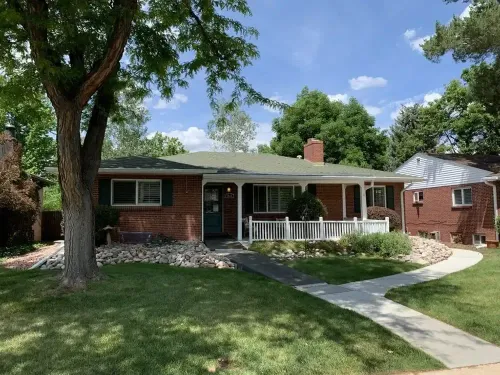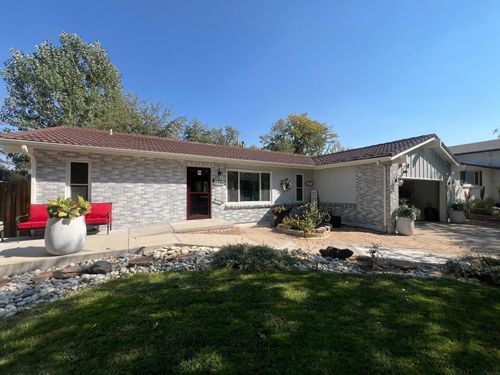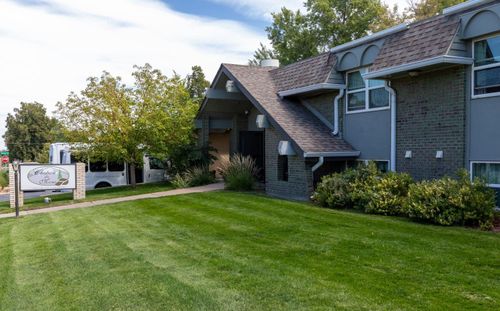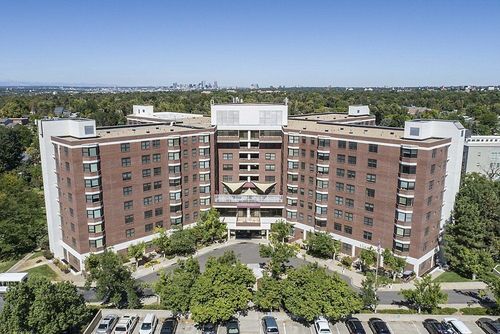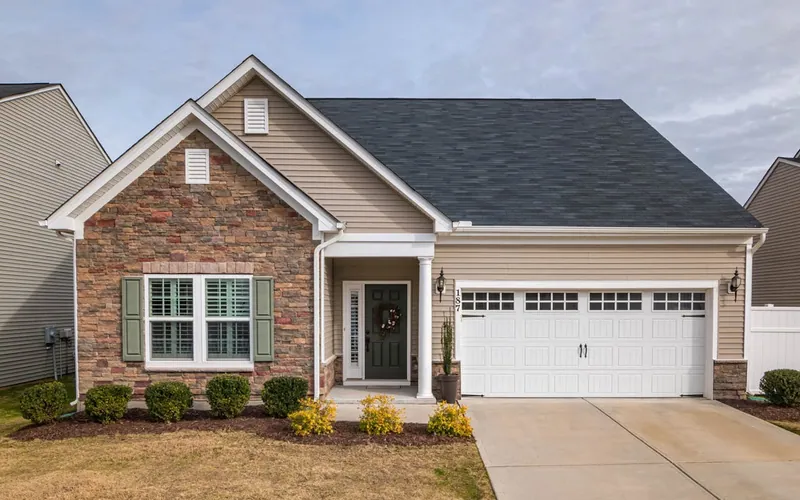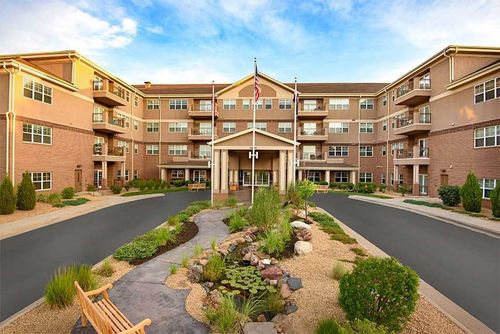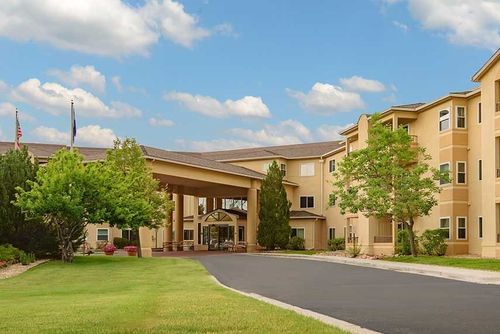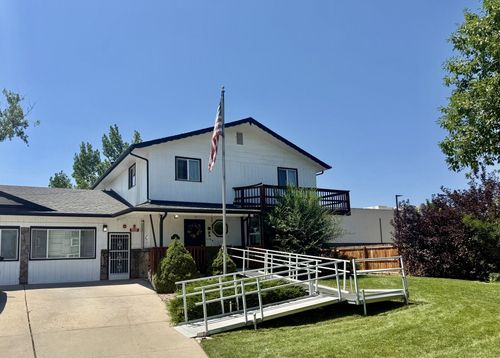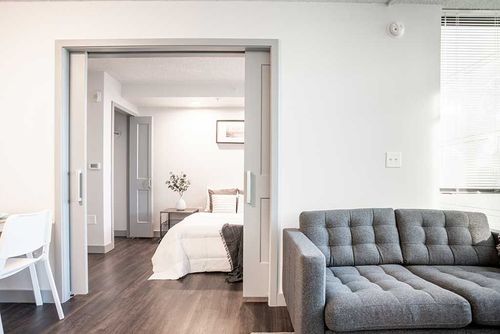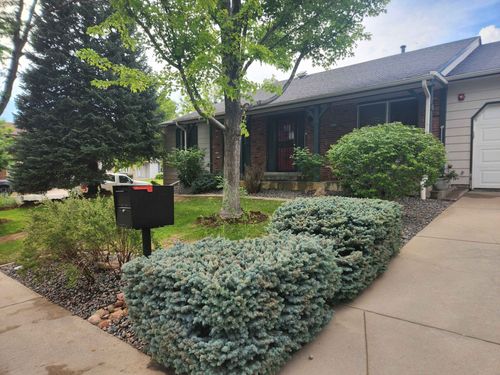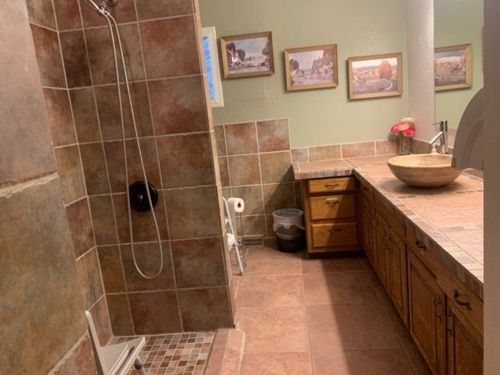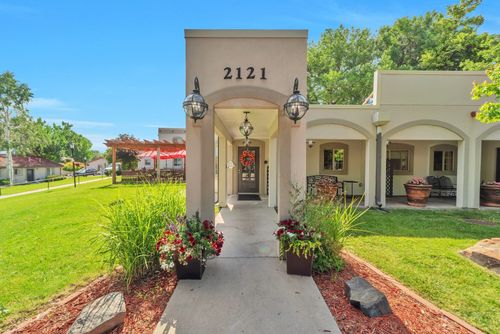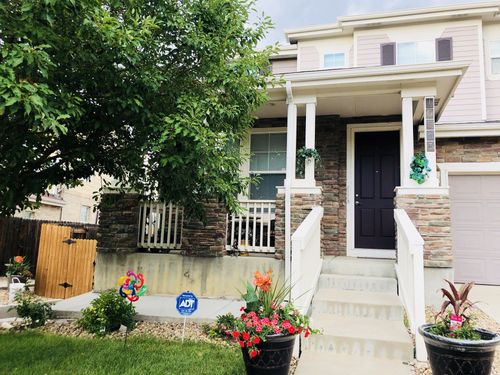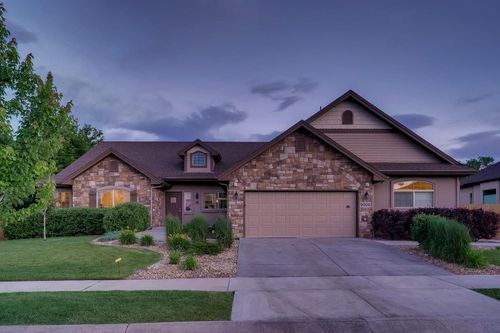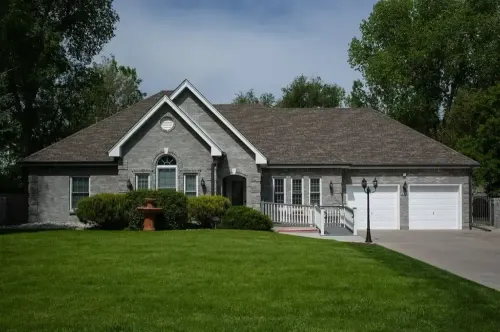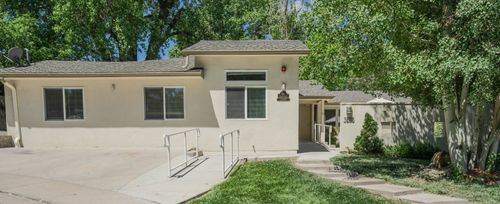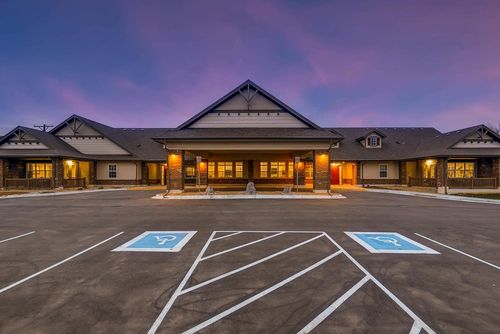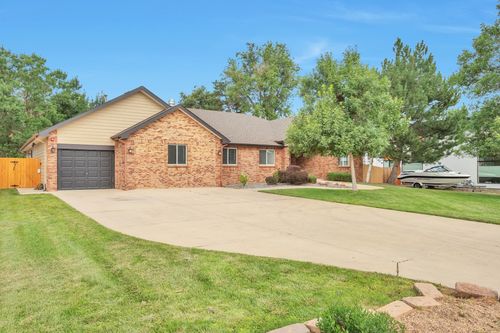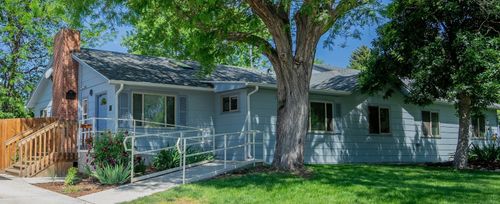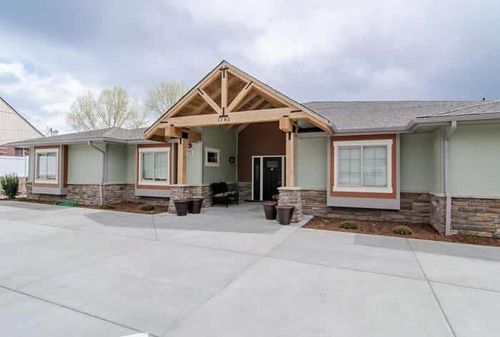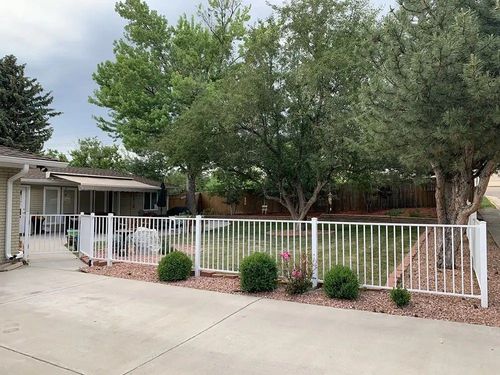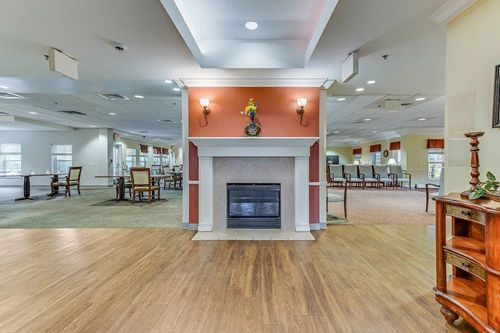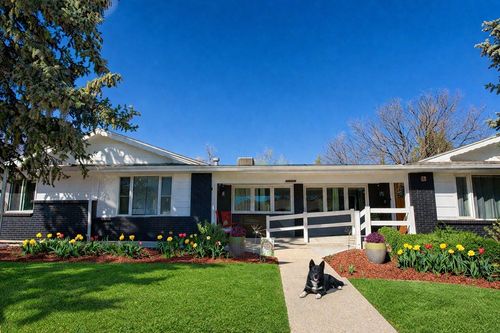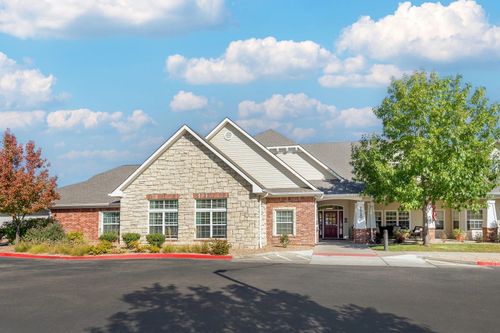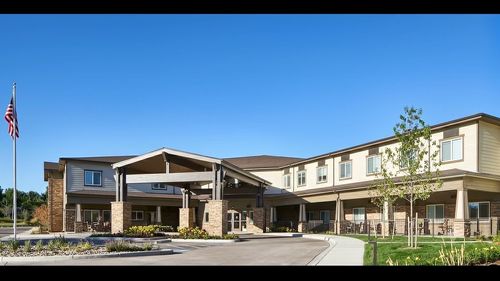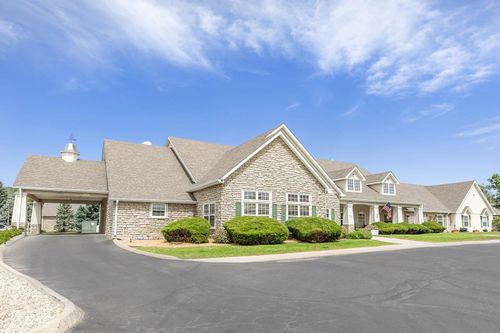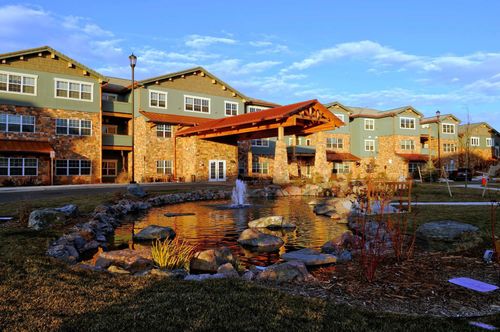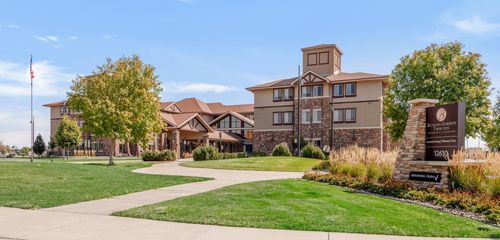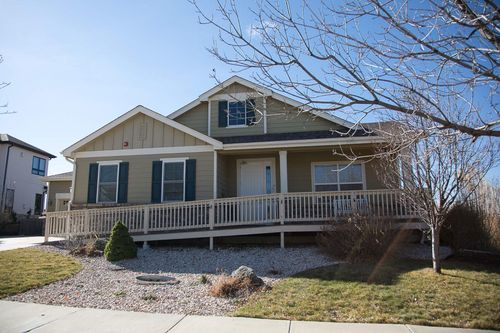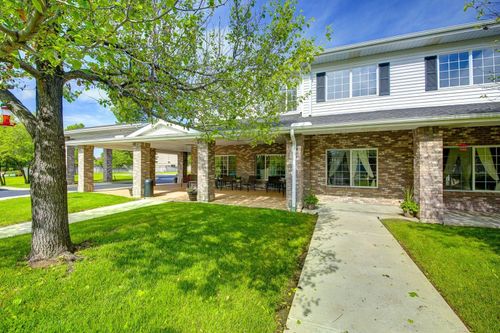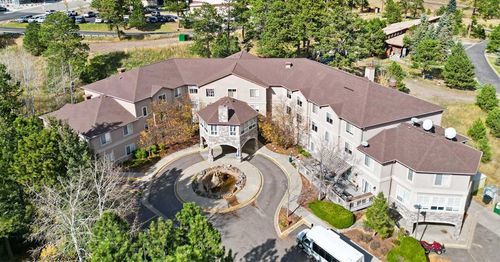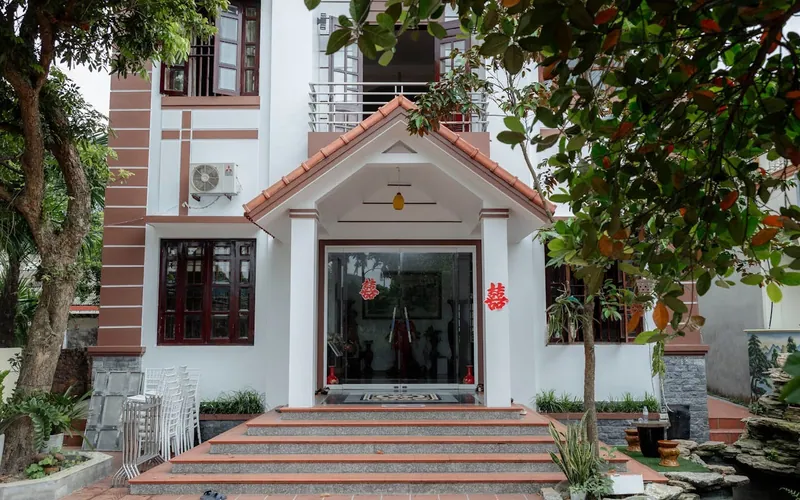
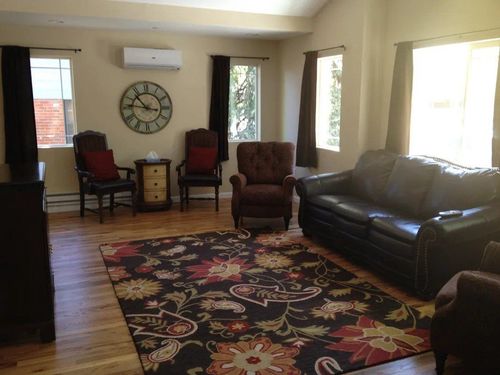


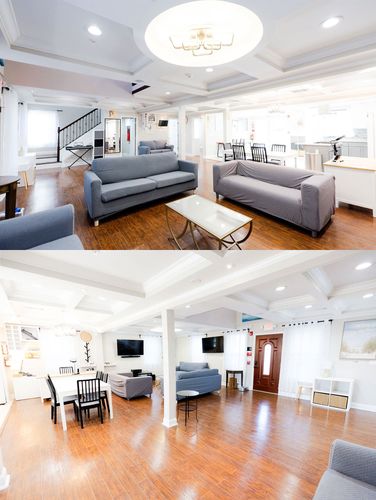


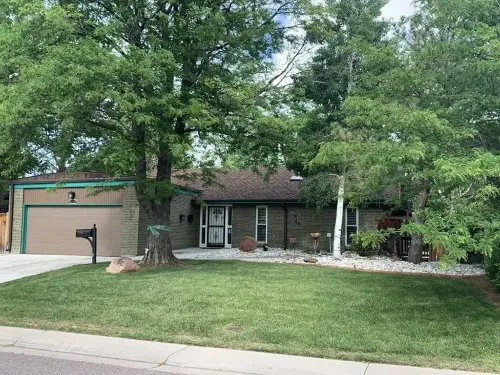





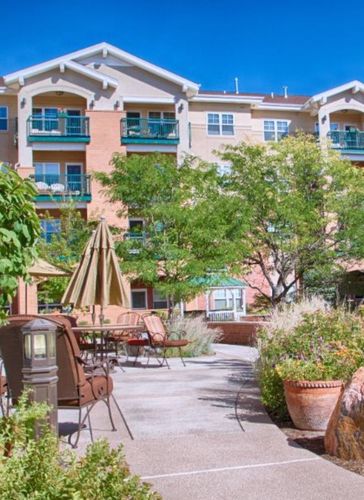
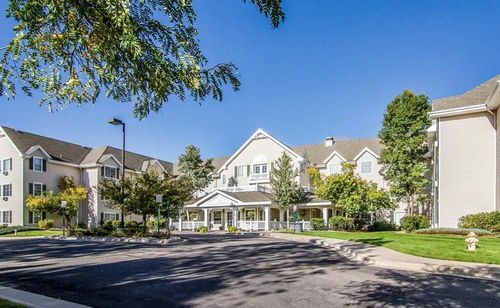

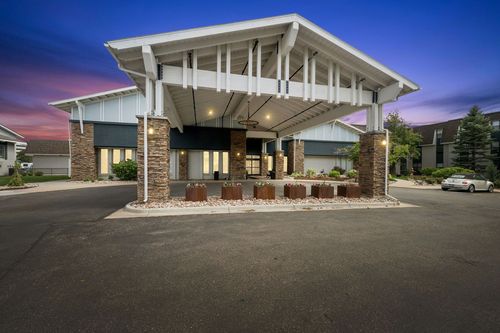
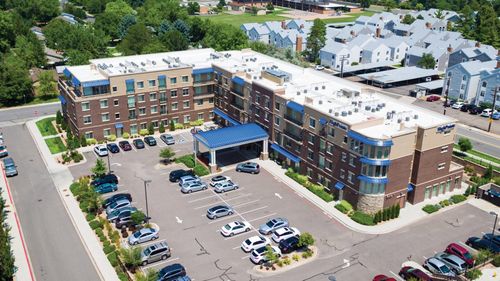

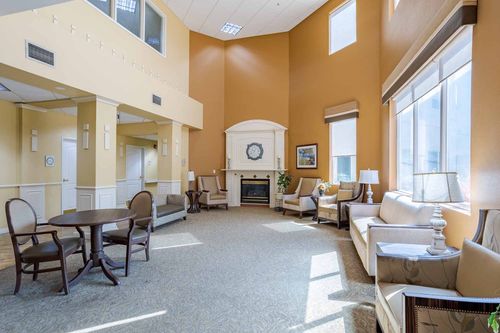



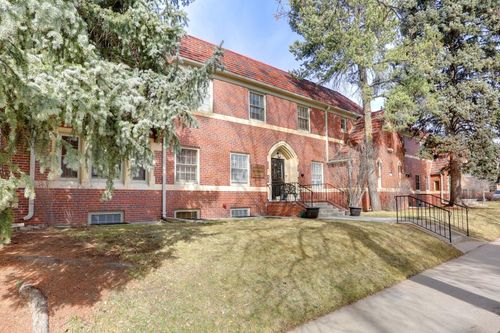


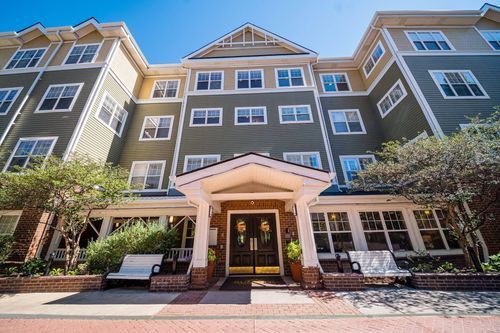
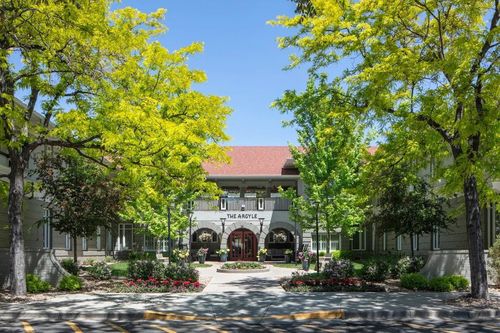

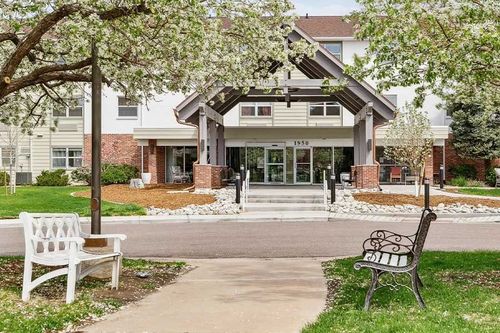

Denver's senior-living market is large and spread across the city, and short-term respite stays come with most of it. 42 Denver communities keep furnished rooms open for stays of a few days to a few weeks, from eight-bed care homes on residential blocks in University Hills and Hilltop to full campuses in Cherry Creek, Lowry, and Central Park. A respite guest does not move into a different kind of place; the room sits inside a working assisted-living or memory-care community, with the same meals, daily help, and overnight staff a long-term resident has, plus a date to go home.
What sends a Denver family looking is usually the strain on whoever provides the daily care. A spouse or adult child needs to travel, recover from a procedure, or simply step back before exhaustion sets in, and a short stay keeps an older adult safe and looked after in the meantime. Recovery after a hospital discharge and a trial run before a permanent move are the other two common reasons.
What a Denver Respite Stay Involves
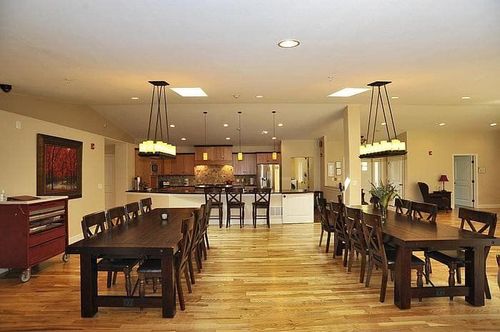
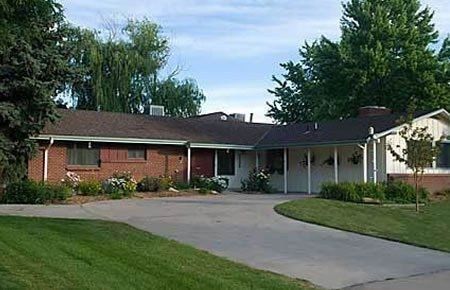
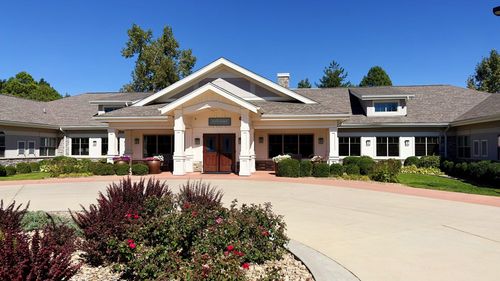
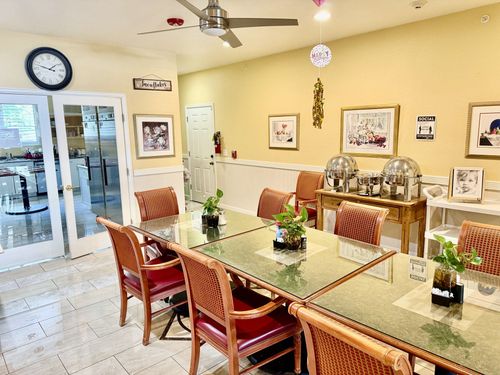
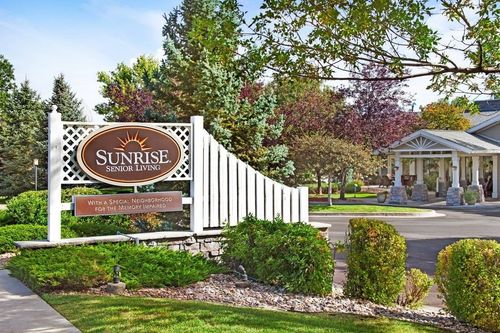
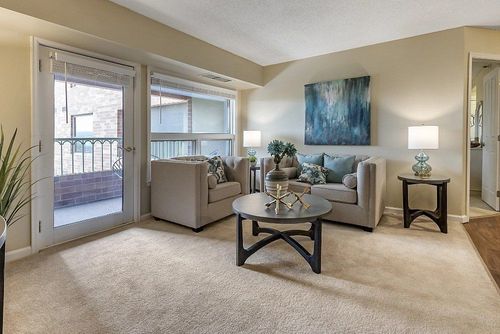
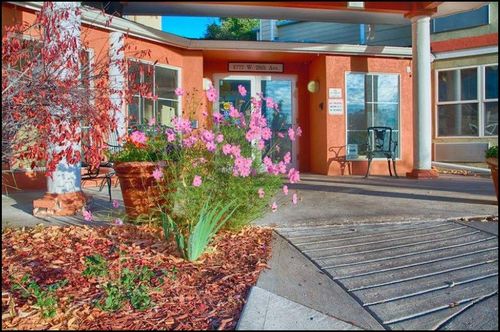
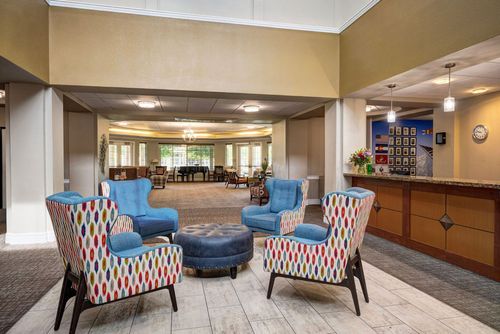
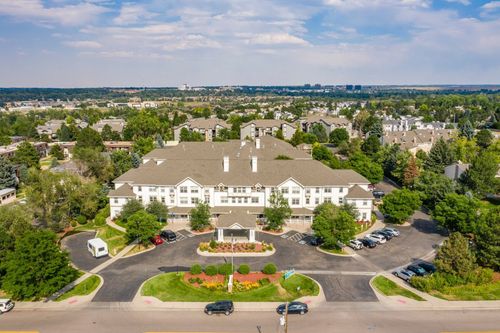
A respite stay can begin the day a caregiver leaves town or the day an older adult is discharged, and either way the guest steps straight into the community's routine: a furnished room, meals in the dining room, help with medications, bathing, and dressing, housekeeping, activities, and awake overnight staff. Because Denver's market is so varied, the setting ranges widely. A small residential care home, like the Assured Senior Living houses or TenderCare at University Hills, offers a quiet eight-to-ten-bed setting; a large campus, like Harvard Square in Hampden or Clermont Park near the university, has more rooms and more on-site services. Most Denver communities build respite into assisted living, the easiest stay to arrange. A secured memory-care respite room, with staff trained for dementia, is the scarcer one; in Denver it concentrates at communities running dedicated memory-care wings, among them Sunrise at Cherry Creek, HighPointe, Ciel of Lowry, and Balfour at Central Park. Minimum stays are common, usually two weeks to a month, and the daily rate and the open room both depend on the specific building and week.
Denver Respite Pricing, and Who Covers It
Denver runs more expensive than most of the Mountain West, and respite tracks that. Plan on roughly $225 to $325 a day for an assisted-living respite stay, and more again for a secured memory-care room, with the premium Cherry Creek and downtown communities sitting at the top of that range. The headline number above this section is a long-term monthly average, not the daily respite rate, and a respite day costs more than that monthly average split out, because the community resets a room for just a short stay. For national context, industry cost-of-care figures for 2026 place an assisted-living respite day near $175, which Denver clears comfortably. The harder truth is who pays, and the answer is almost always the family, privately, because Medicare will not cover a day of assisted-living or memory-care respite. The only respite Medicare funds is a brief inpatient break for hospice patients, a separate program entirely. Colorado Medicaid, through Health First Colorado, helps with long-term care for residents who qualify, not short private respite stays. A veterans' benefit or a long-term-care policy can offset part of a stay, so both are worth a call before assuming the whole daily rate falls to the family.
Availability Across a Big Market
With 42 communities offering respite, Denver has more short-term inventory than almost anywhere in the state, which usually means a planned assisted-living stay can be arranged without much lead time. Older adults make up roughly one in nine Denver residents, a younger profile than the suburbs, so demand is broad rather than concentrated. The constraint is the one every market shares: a secured memory-care room on short notice. Those wings run closer to full and turn over slowly, so a dementia respite stay is the request most likely to take patience. Because a big market also changes fast, the only count that matters is the one taken the week a family needs the room.
The Case for a Short Stay in Denver
A short stay earns its place most clearly after a Denver hospital visit. When an older adult leaves Rose Medical Center or Saint Joseph Hospital steady but not strong enough for an empty house, a respite room offers meals, medication management, and supervision while they rebuild, with the hospital close if anything turns. Recovery is only one case, though: for the caregiver carrying the daily load, a planned stay is a real break instead of a worried absence, and for a family unsure about a permanent move, a couple of weeks living in a community reveals the things a tour skips, how the food tastes, whether the staff are warm, how the days actually go. A good share of Denver respite stays end up permanent, never from a sales push but because the family simply knew. Keeping the stay in the city also keeps the family close, near enough to visit after work instead of managing everything from afar.
What a Local Advisor Adds in Denver
A market the size of Denver's is its own problem: 42 communities offer respite, and a family on a deadline cannot call them all, much less learn which has a room this week, what it charges by the day, and whether its minimum stay fits. A local advisor already holds that, across the small residential homes and the large secured memory-care campuses alike.
That turns an overwhelming list into a short one, the two or three Denver communities that match the care level, the budget, the neighborhood, and the timing, with the room confirmed before anyone drives over. Reach out about a short-term stay in Denver, and we will start you with the openings that actually fit.