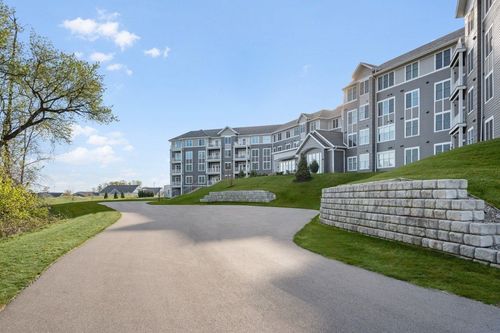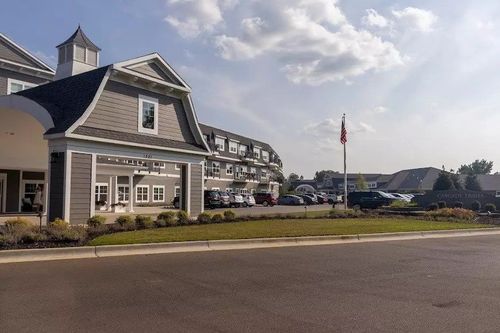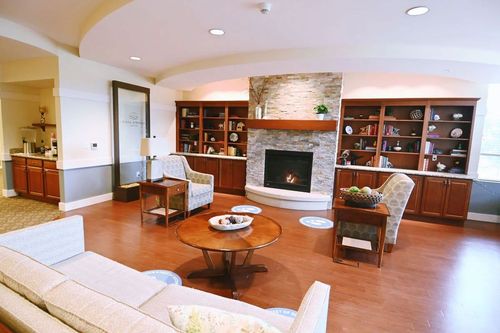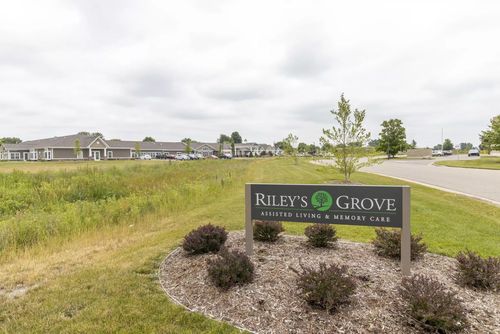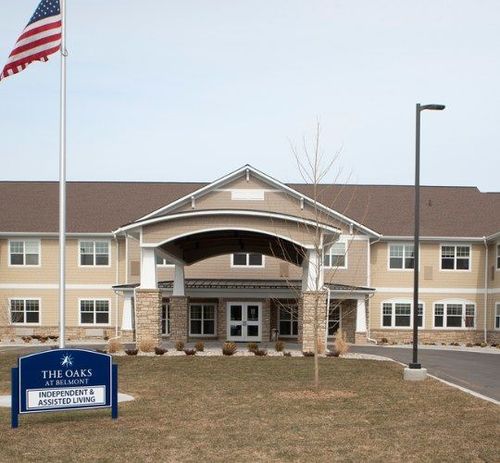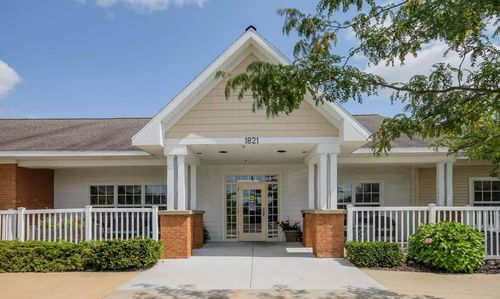
Byron Center is a good place to keep a dog and a short list of places to keep one in senior living. Byron Manor is the address here carrying pet acceptance, sitting in the stretch of Kent County south of Wyoming where the subdivisions still give way to open ground and where a resident's family can find somewhere to walk an animal without driving into Grand Rapids. That combination, a genuinely dog-usable town and a single senior living option that takes animals, is what shapes the decision. A household is not choosing between pet policies here. It is working out whether this one arrangement fits this particular animal.
What the Policy Question Really Covers
Every pet-accepting building runs the same set of checks, and none of them are about whether staff like dogs. Weight is the usual sticking point, since the cap a community sets is written into an insurance arrangement rather than chosen by whoever gives the tour, and a large dog narrows the conversation immediately. Numbers matter too, with one animal being the norm and two an exception. Breed exclusions trace back to the same insurance source, and species is a real question rather than a formality, because a cat, a small dog, a bird and a fish tank each raise different practical issues in a shared building.
Underneath all of that sits the requirement that decides most outcomes: someone has to be able to look after the animal. Feeding, walking, litter, vet visits and cleaning up are the resident's responsibility or a named family member's, and a community will usually want to know in advance who steps in during a hospital stay. Where a resident's mobility or memory is already changing, that plan is the thing worth settling first, well ahead of any question about deposits.
Cost, and the Line the Animal Sits On
The monthly starting rate at Byron Manor is $3,800, and it is worth being clear that this figure reflects the apartment and the care level rather than the pet. No community in Michigan raises a resident's rent because a cat lives with them.
The animal appears separately, almost always as a one-time deposit at move-in plus a modest monthly charge, with buildings differing on whether that deposit is refundable at the end. Both belong in the budget alongside the base rate rather than as an afterthought, and both should be confirmed in writing. Both are pet charges in the strict sense of the term, and the distinction has teeth. Where a dog has been trained to carry out specific tasks for someone with a disability, or an animal is documented against a disability-related need, fair housing rules put it outside the pet policy entirely and neither charge may be attached to it.
What Keeping the Animal Looks Like Locally
Kent County handles dog licensing and requires a current rabies certificate, which is the small piece of paperwork most families discover they have let slide only when a move is imminent. Beyond that, the practical questions are about ground and weather. Douglas Walker Park gives Byron Center residents and their visiting family somewhere with trails rather than just a sidewalk loop, and the flat, quiet residential streets around the village are usable by an older walker most of the year.
West Michigan winters are the real variable, because lake-effect snow decides how often a dog gets outside between December and March far more than any building policy does, which makes a level exit onto a path that actually gets cleared more valuable than an attractive courtyard. It is also worth knowing where the nearest round-the-clock veterinary service is before an emergency rather than during one, since Byron Center's own veterinary options keep ordinary business hours.
What an Advisor Contributes Here
With one address, there is nothing to compare, so the work is getting the specifics right. A community's stated pet policy and what it will actually agree to for a particular animal are not always the same thing, and both can move when an insurance arrangement changes or when the building's current mix of residents shifts.
An advisor covering this part of Kent County can find out where the policy currently stands and what the deposit structure is before a family invests a Saturday in a visit, and can be straight about the options if the animal turns out to be too large or too many. That is a short enough question that it makes sense to reach out and settle it up front.
We keep expanding our Byron Center coverage as we evaluate providers for quality and alignment in 2026. Start the conversation about pet friendly in Byron Center, or look through the buildings we cover at your own pace.