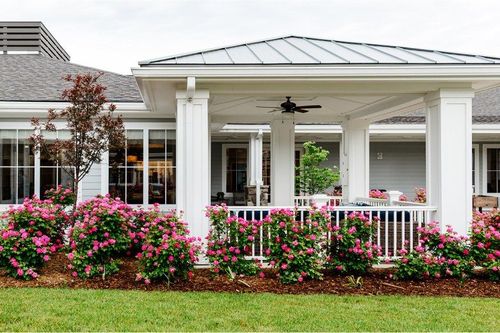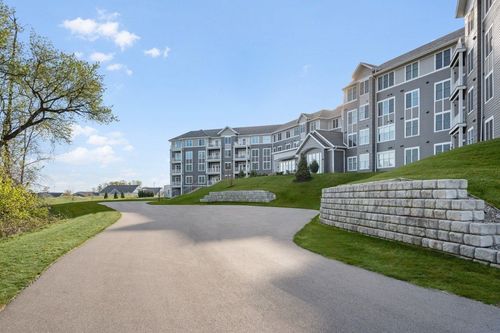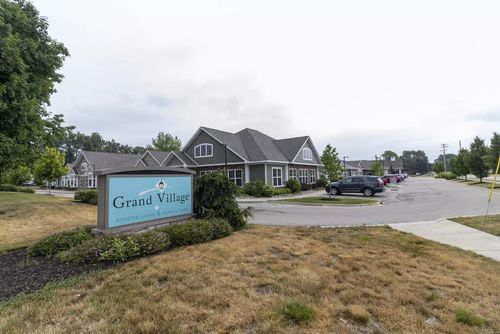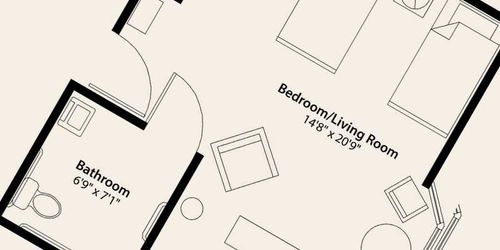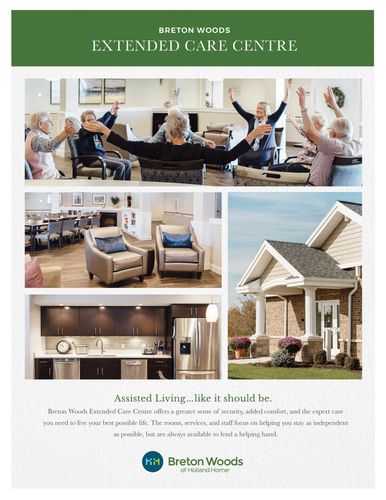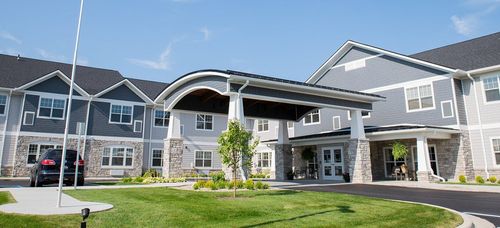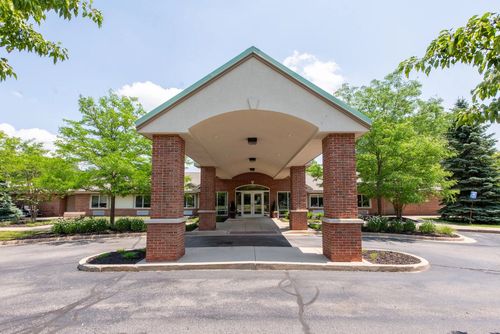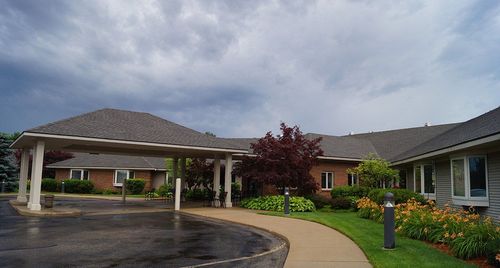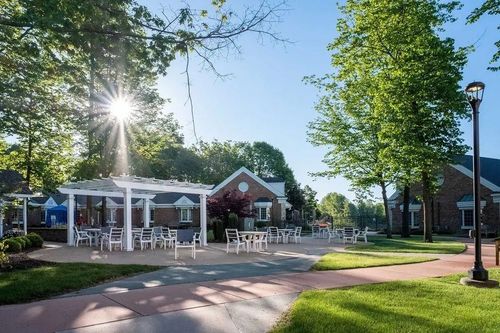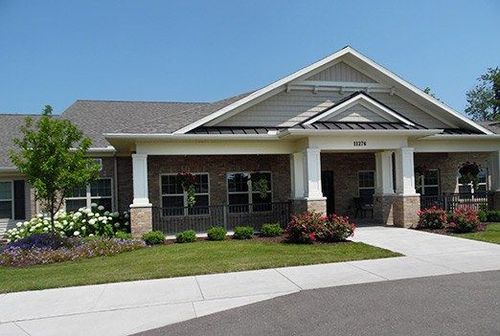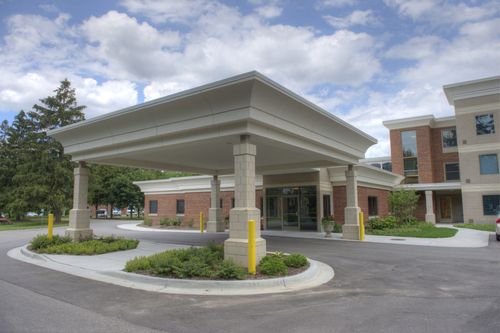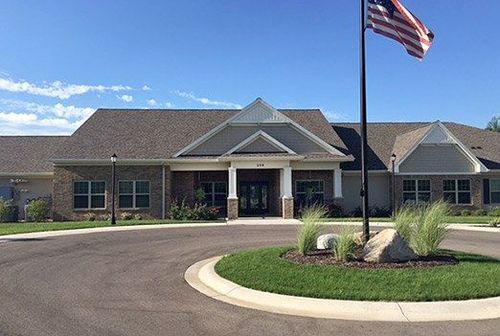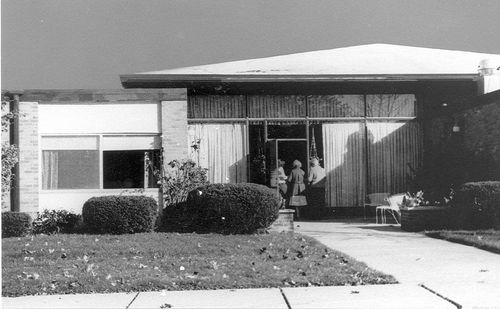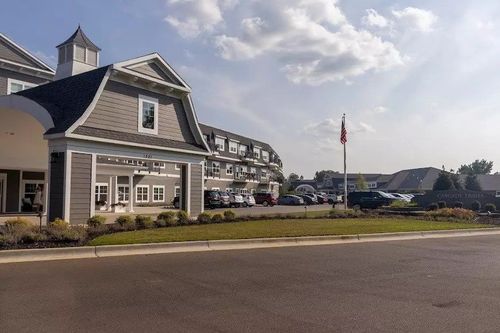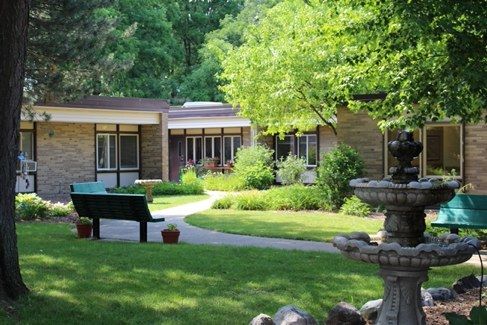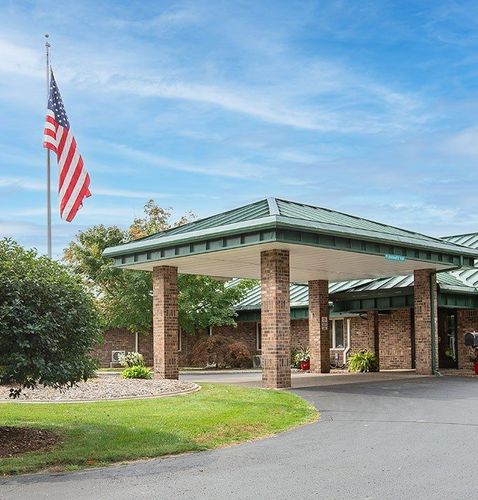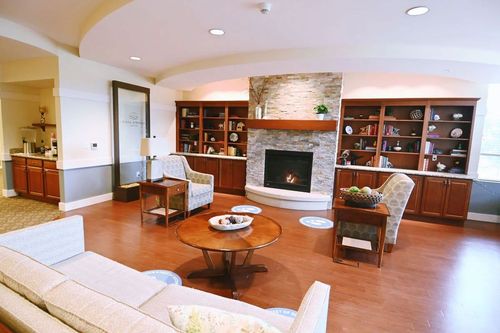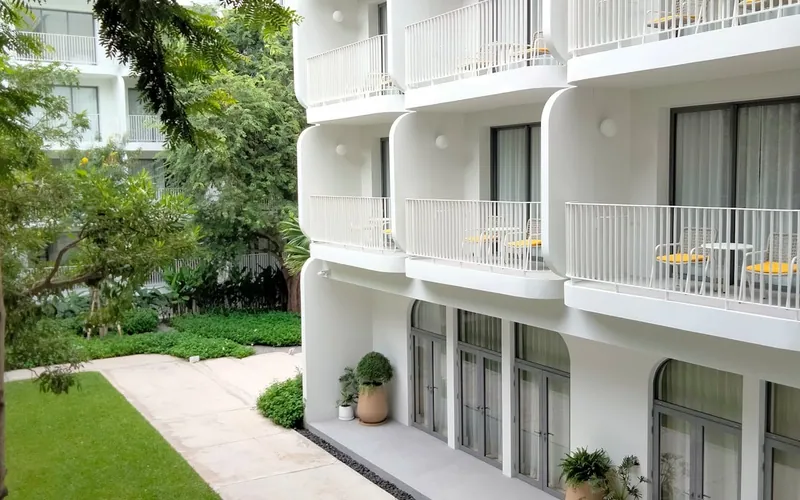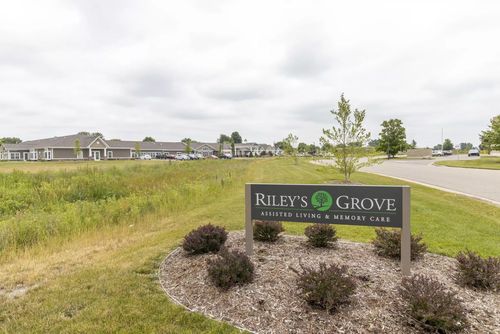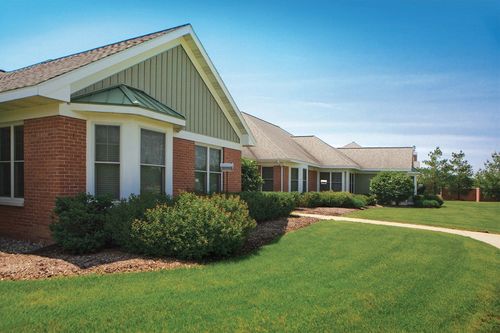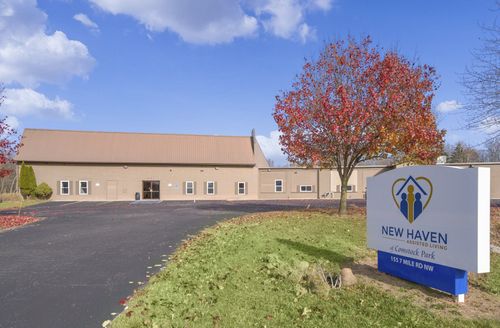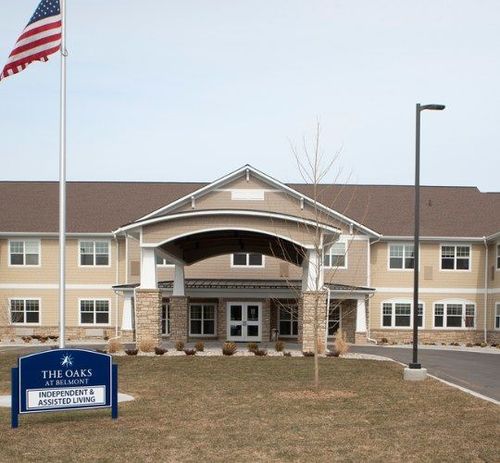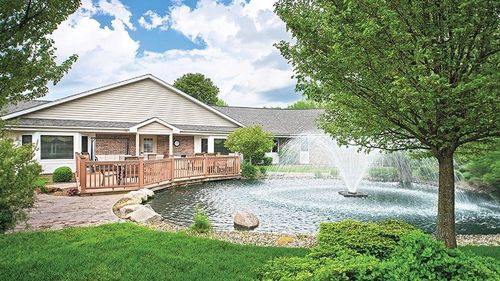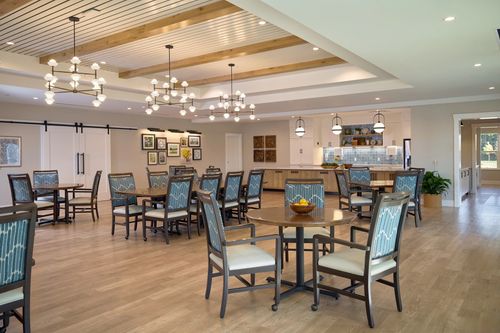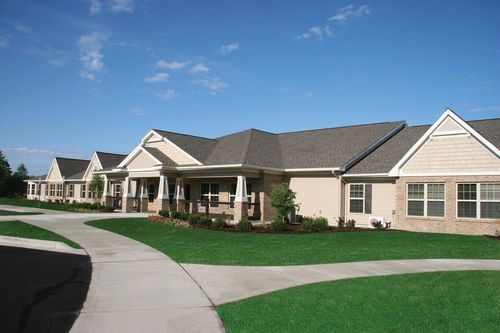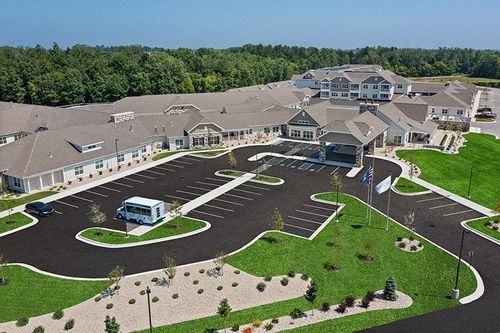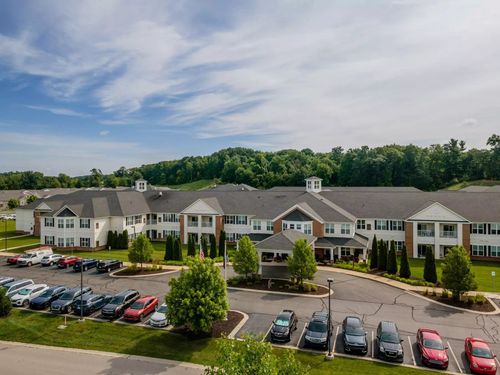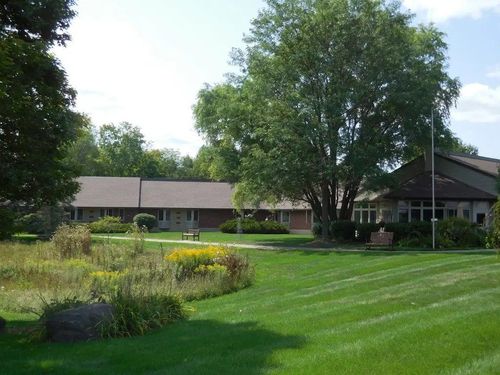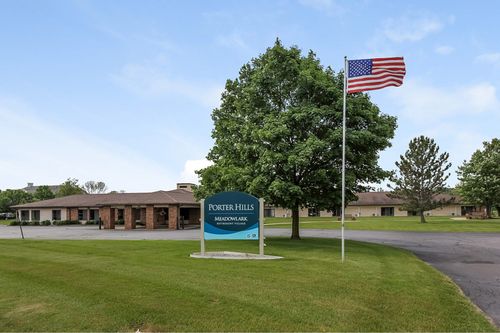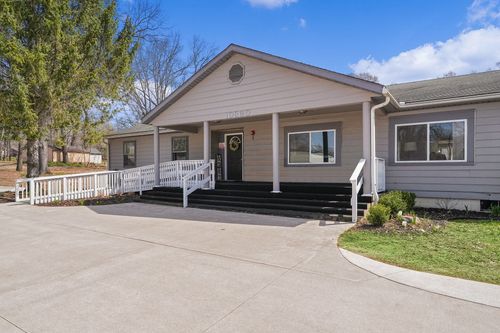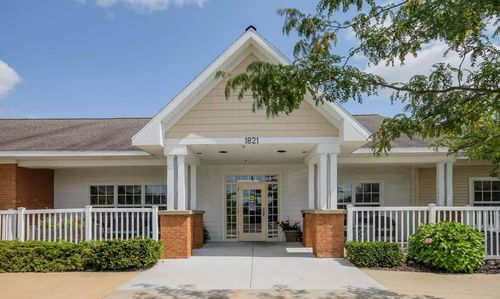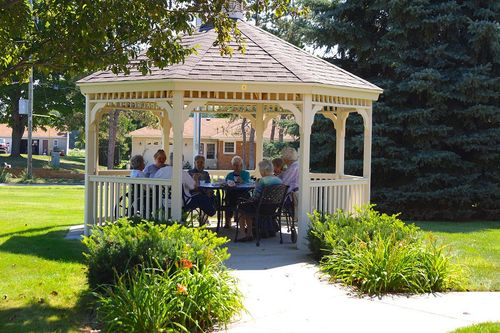
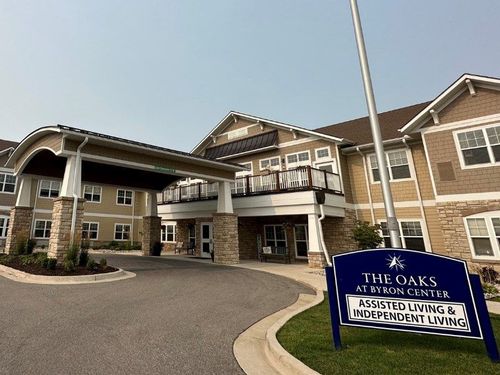

Assisted living in Byron Center means an apartment inside a sizeable community rather than a bedroom in somebody's converted house, which is not true of every town this size. The local buildings run from around forty-five residents up to well past a hundred, so a resident gets a dining room with a menu, a calendar that fills most days, and enough neighbors that finding two or three worth talking to is not a matter of luck.
Households reach this point when the help a spouse or a daughter has been supplying stops fitting into visits. Across the 3 local addresses one participates in Medicaid and one welcomes pets, and both of those facts tend to shorten a list faster than anything a family reads on a website.
Support That Arrives Without Taking Over
The balance assisted living is trying to strike is easy to state and hard to do, which is to add help exactly where it is needed and nowhere else. In practice that means staff handling medicines, being there for bathing and dressing at whatever level an assessment sets, and otherwise leaving a resident to run their own hours, their own visitors, and their own opinions about dinner.
At the scale these buildings operate, the surrounding services come as standard: meals in a dining room, weekly housekeeping and laundry, scheduled transport to appointments, and a calendar that runs from exercise sessions to outings. What families should compare is not whether a building offers those things but how much a resident is drawn into them, because a good building notices within two weeks that somebody has stopped coming down and does something about it.
One Address, Several Levels
Published figures across the local communities run from $3,800 to $5,500 a month in 2026, and a spread that wide inside so few buildings is a clue about how they are organized. These are campuses carrying more than one level of support, so the lower figures describe an apartment with light assistance and the upper ones describe a resident receiving a good deal more.
That structure is worth understanding before choosing, because it means a resident whose needs grow may be able to stay put and simply change what they receive. Michigan's MI Choice waiver, held by one local address, can meet part of the care cost for a resident assessed at nursing-facility level of need whose finances qualify, though the housing and the meals stay private throughout and the program's places are capped statewide.
Room to Absorb Demand
Buildings of a hundred residents behave differently from small homes on availability, and Byron Center benefits from it. A small house may go months without a room, whereas a community this size turns over steadily enough that a family who has toured and been assessed can usually be accommodated.
Healthcare access underpins the same picture, since primary care, cardiology, and orthopedic follow-ups for residents here route through University of Michigan Health-West a few miles north on Byron Center Avenue, with the Trinity Health emergency center inside the village itself for anything urgent, so a move into one of these buildings does not disturb a single medical relationship.
A Village That Kept Its Own Shape
Byron Center has absorbed a great deal of Grand Rapids' southward growth without turning into a subdivision with a postcode, and that matters to residents who have been here through all of it. The churches, the schools, and the businesses along 84th Street still carry the same family names, and a resident who moves into a local building keeps a place in that rather than becoming anonymous somewhere new.
For adult children the arithmetic is equally plain, because family across Wyoming, Cutlerville, Jamestown, and the townships south can be at the door within twenty minutes, and a parent who gets three casual visits a week is in a completely different situation from one who gets a formal Sunday.
Choosing the Level, Not Just the Building
In a market of large campuses the useful question is not only which building but which level inside it, and that is where an advisor earns the time. Two residents can walk into the same community and be quoted very differently depending on the assessment, so knowing how each address scores need, what its tiers actually cost, and how quickly it moves someone up is worth more than another tour.
The other half is fit over the longer run: whether a community will hold a resident as dementia or mobility changes the picture, how the Medicaid-participating address handles an application, and which building has an apartment genuinely coming free rather than one listed since spring. A short conversation about all of that usually cuts the list to two before anybody spends a Saturday.
Our directory for Byron Center continues to grow as we evaluate providers for quality and alignment in 2026. Reach out for a conversation about assisted living in Byron Center, or browse the communities we have vetted at your own pace.