
Byron Center carries something most villages its size do not, a round-the-clock emergency center of its own, and the Trinity Health building on 64th Street pairs it with a behavioral health crisis service kept open the same hours. For a household supporting someone with dementia, having both inside the village changes the arithmetic on a difficult evening, because the alternative is a drive north into Grand Rapids.
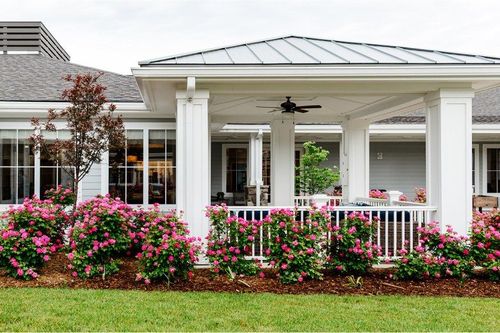
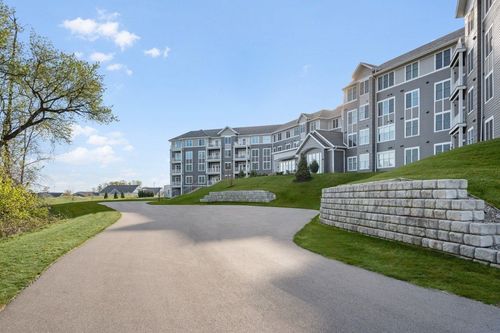
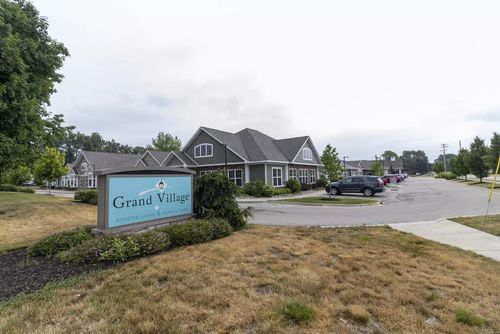
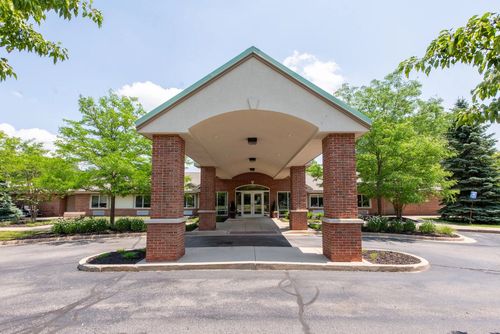
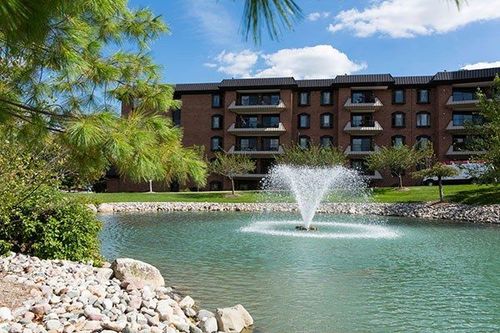
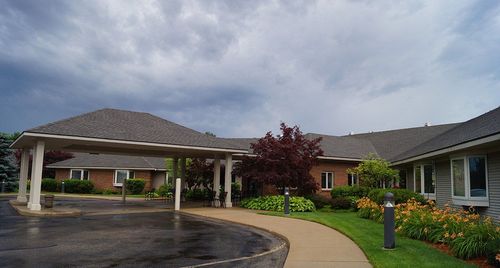
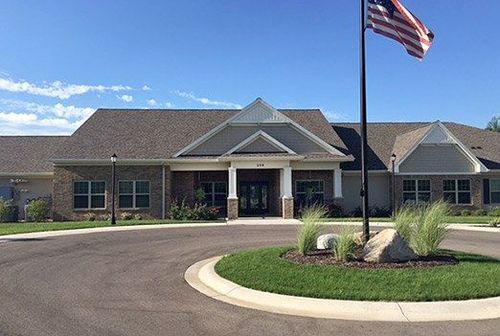
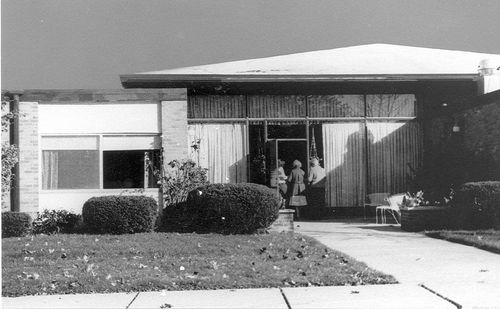
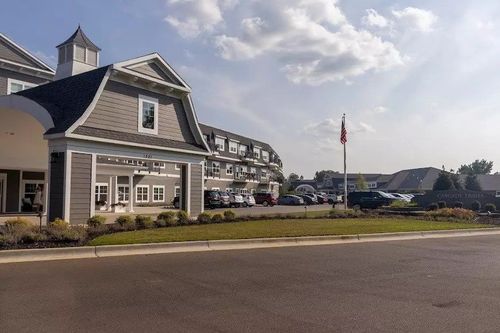
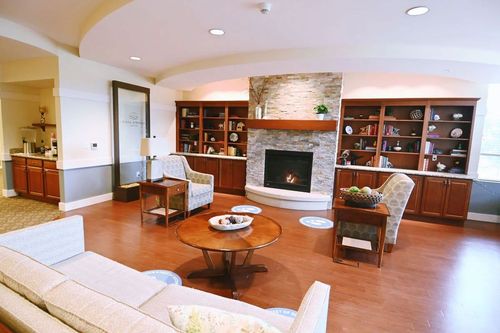
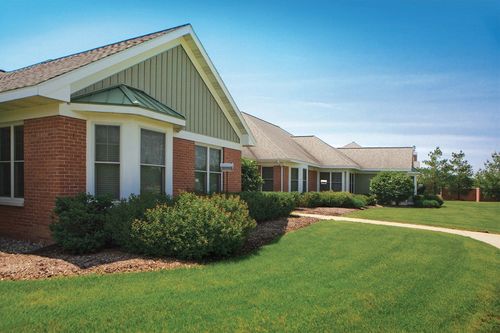
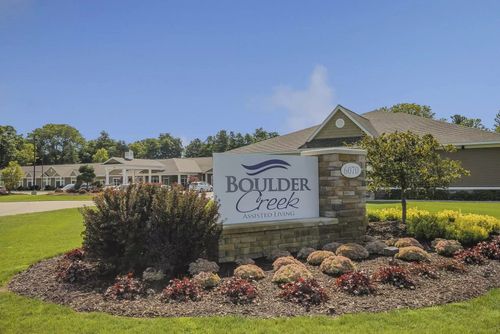
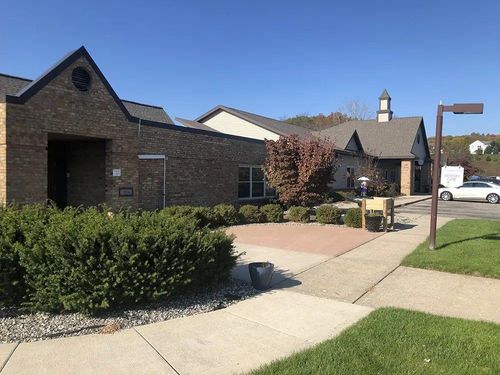
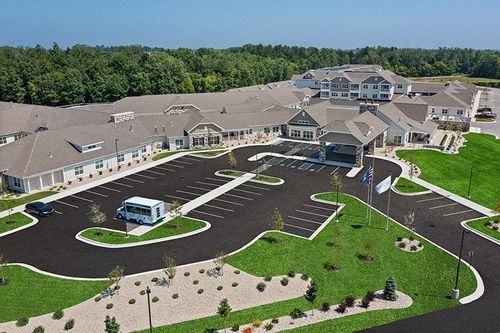
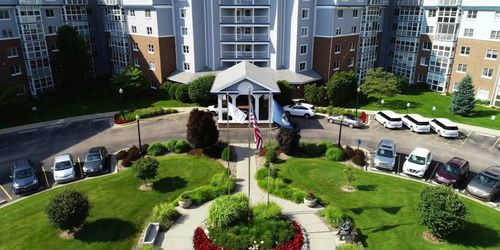
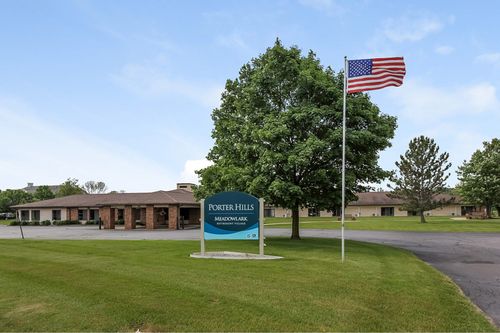
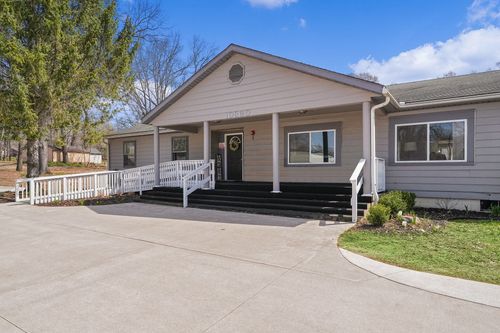
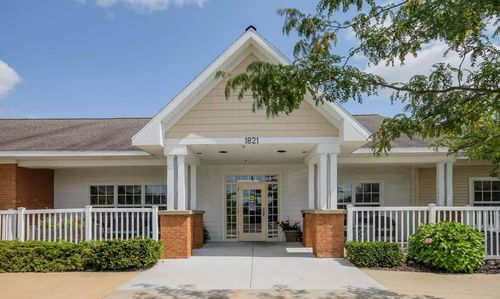
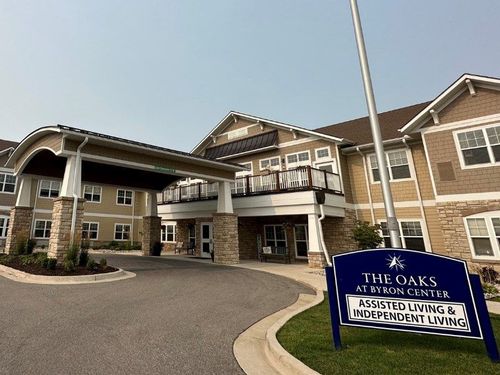
The memory care itself sits inside larger senior living communities here rather than in standalone dementia houses, and the 3 local addresses range from mid-sized buildings up to a campus of well over a hundred residents. Families generally arrive at the question once supervision, rather than help with chores, has become the thing the week is organized around.
Secured Space and the Shape of a Structured Day
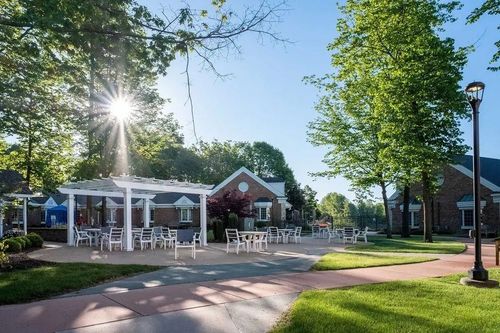
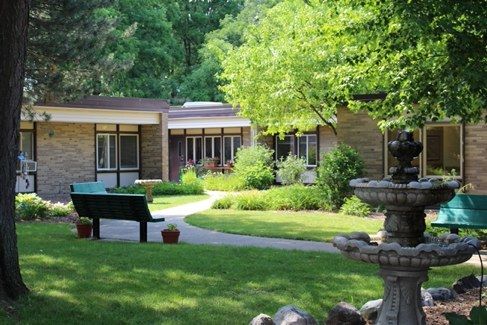
A secured area is a physical answer to a specific problem, which is that a resident may set out for a door with a real destination in mind and no working map of the route back. The Byron Center buildings answer it with keypad-controlled exits, enclosed outdoor space a resident can use without waiting for an escort, and caregivers trained to redirect rather than argue when someone is certain about something that is not so.
Structure carries the rest of the work, and it is deliberate rather than incidental. Meals, bathing, activities, and rest land at the same hours every day because predictability reduces the number of decisions a resident has to make, and staffing runs heaviest through late afternoon when confusion tends to build. Medication is administered rather than reminded, and the caregiver ratio inside a secured area is meaningfully tighter than in the assisted living portion of the same building.
What the Secured Tier Adds to the Monthly Rate
Published starting rates across the village's senior living communities run from $3,800 to $5,500 a month in 2026, and secured memory care generally sits in the upper half of that band. The reason is staffing rather than square footage, since a secured area carries more caregivers per resident and keeps someone awake and attentive through the night.
Michigan's MI Choice waiver is the route to help with the care portion for residents who meet a nursing-facility level of need and clear a financial review, and one Byron Center address participates in it. The waiver does not pay rent or meals, which stay a private cost, and because the program runs on a capped number of slots statewide, families do better starting the paperwork while private funds still cover several months.
Growth on the South Edge of Kent County
Byron Center has been absorbing the southward spread of the Grand Rapids area for two decades, and the households arriving have not all been young ones. Adult children who moved out here for schools and space are now the generation arranging care for parents who followed them.
That pattern keeps demand for the secured areas steadier than the village's own population would predict. Rooms open when a resident moves to skilled nursing or is admitted to hospital rather than on any planned schedule, so the families able to act inside a week are the ones who finished an assessment months earlier.
Visiting Rhythm and the Value of a Ten-Minute Drive
Visit frequency is the thing families most often underestimate when they compare buildings on price alone. A resident living with dementia gains far more from four short visits a week than from one long Sunday afternoon, and that arithmetic only works when the building is close enough to stop by on the way home.
Byron Center's position makes that realistic for families spread through Wyoming, Cutlerville, and the southern townships, most of them inside a fifteen-minute drive. Medical continuity is the other draw, since University of Michigan Health-West sits on Byron Center Avenue a few miles north and handles most of the hospital work these residents need.
Where an Advisor Helps in Byron Center
An advisor working these buildings knows which secured area has a room this month and which has a list, and knows the harder thing too, which is how far each community will let a resident progress before asking the family to move again. That second question is the one almost nobody thinks to ask on a first tour.
The other thing worth borrowing from an advisor is a sense of timing, because applications, assessments, and funding reviews all run on separate clocks. Starting them in the right order is what keeps a family from being pushed toward whichever room happens to be free. Most people find it easier to talk it through once with someone who has moved residents into each of these buildings than to reconstruct the sequence from a week of phone calls.
Our Byron Center directory keeps expanding as we evaluate providers for quality and alignment in 2026. Reach out for a conversation about memory care in Byron Center, or look through the communities we have vetted at your own pace.