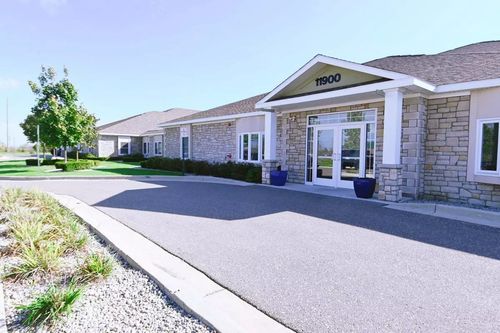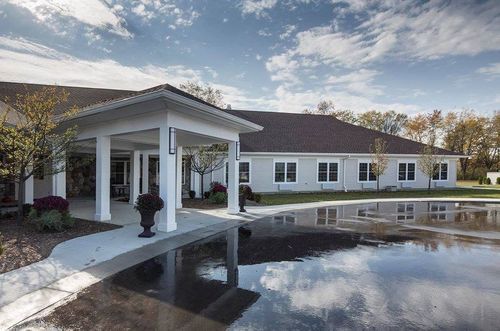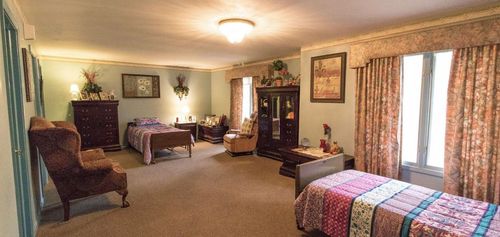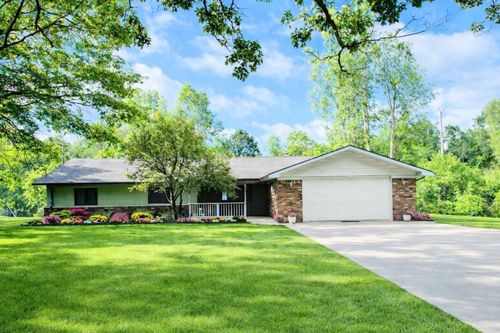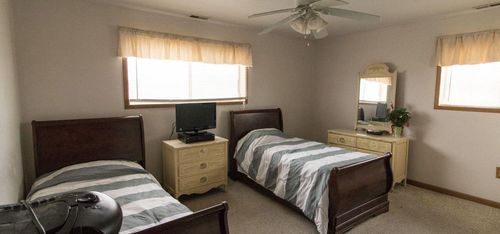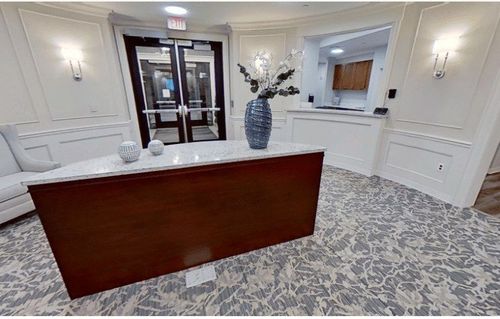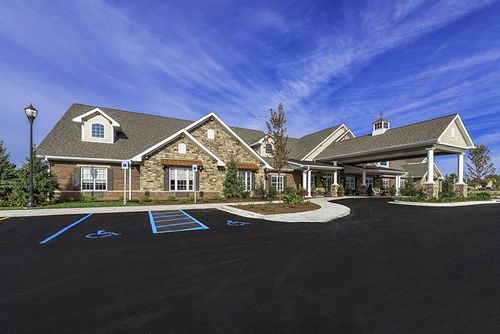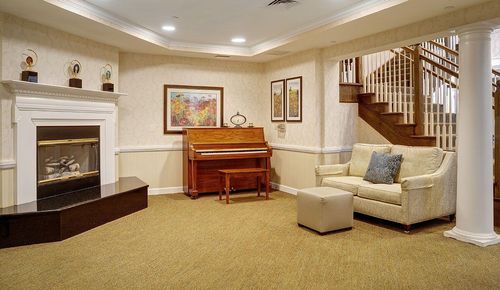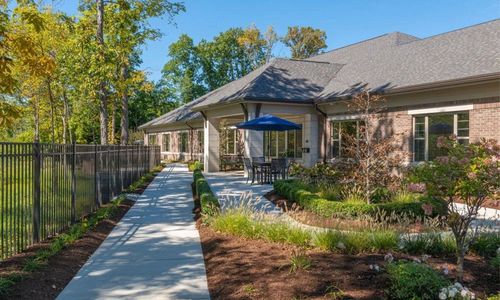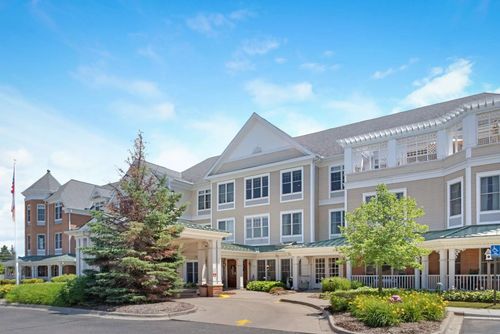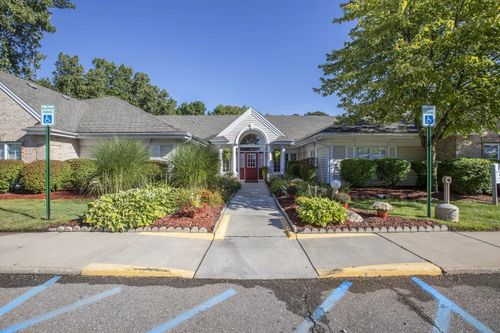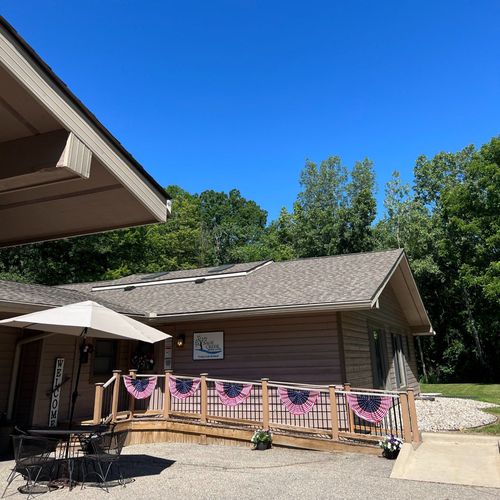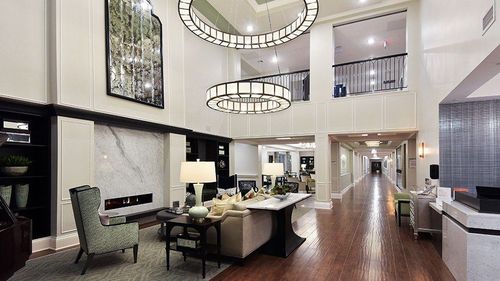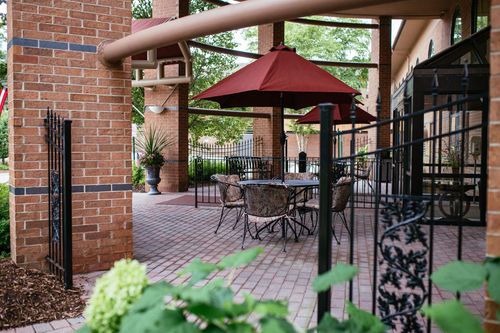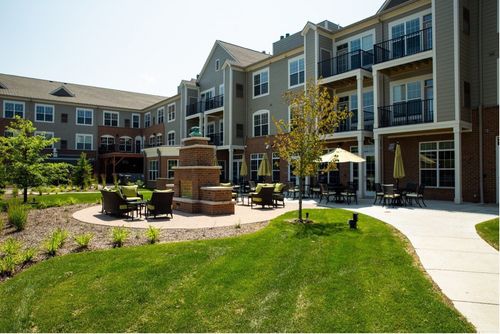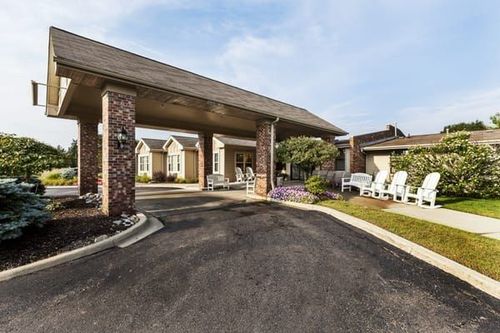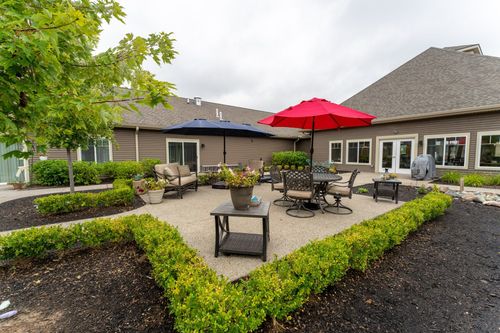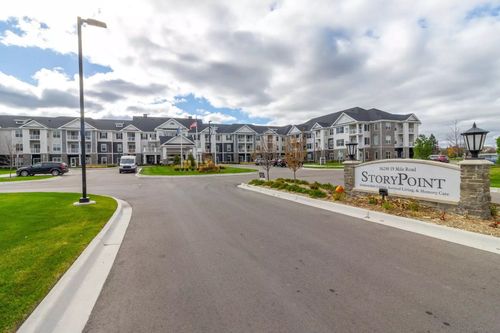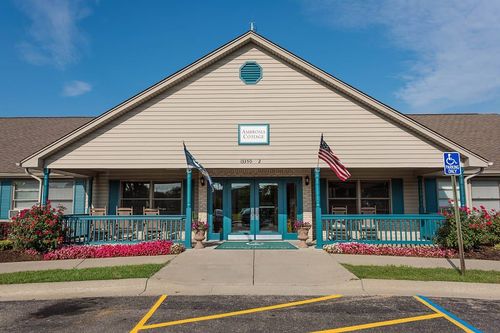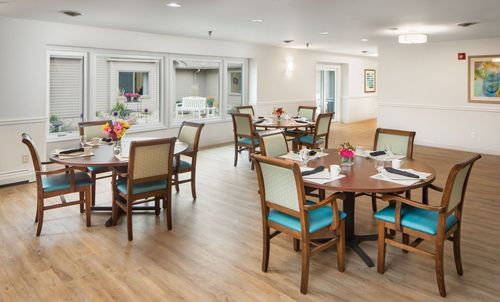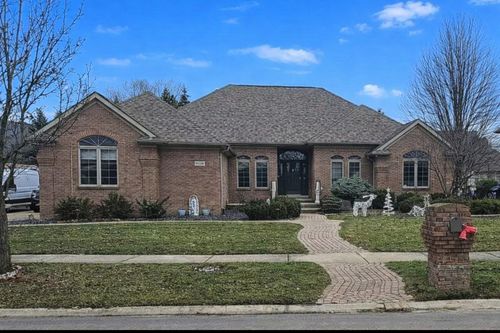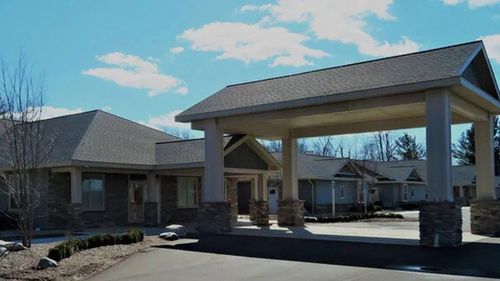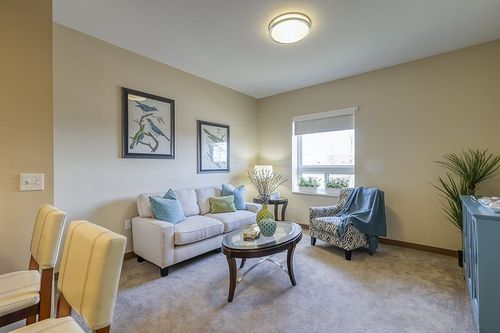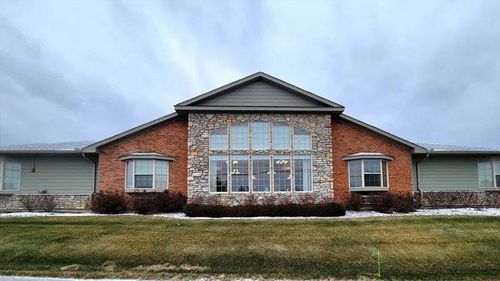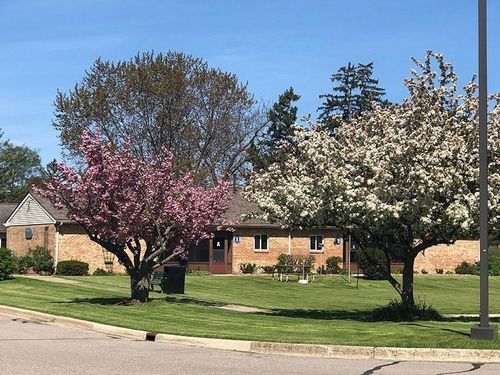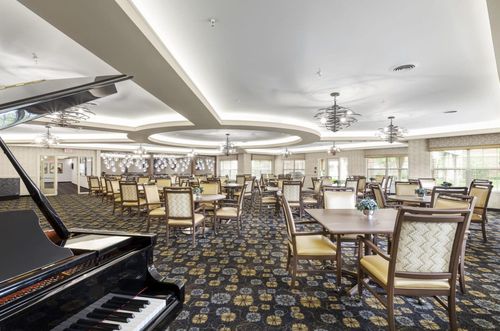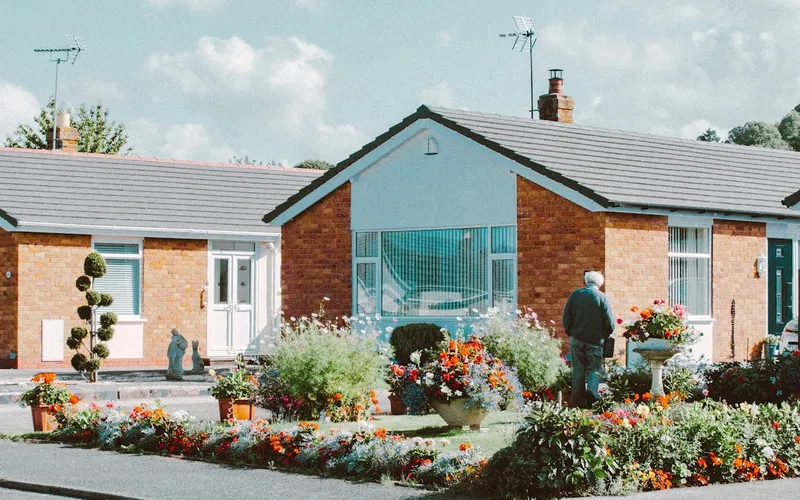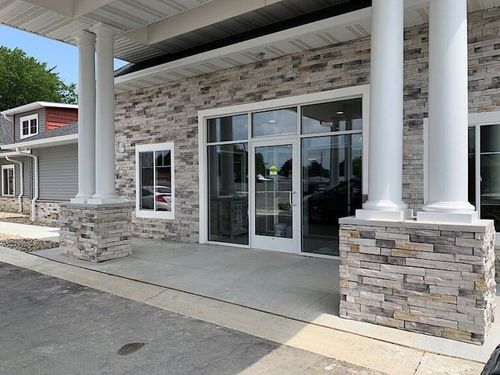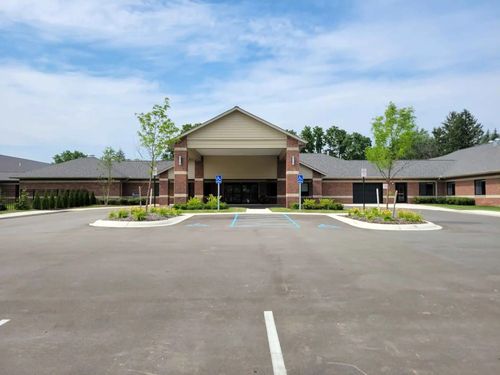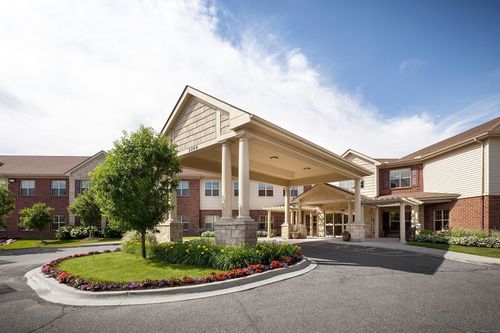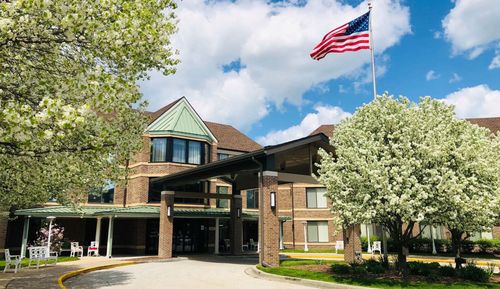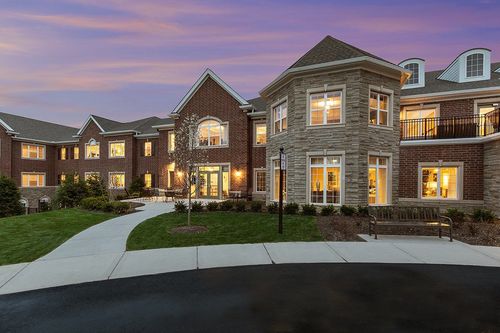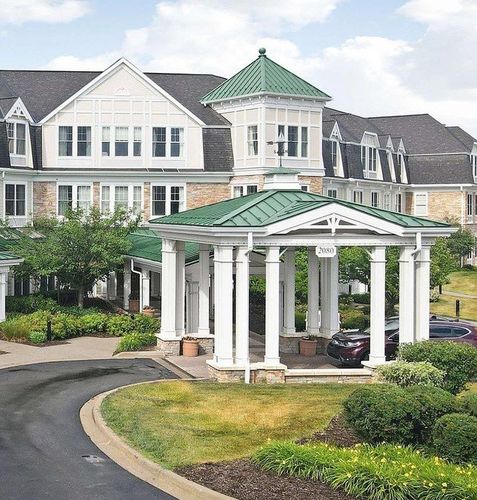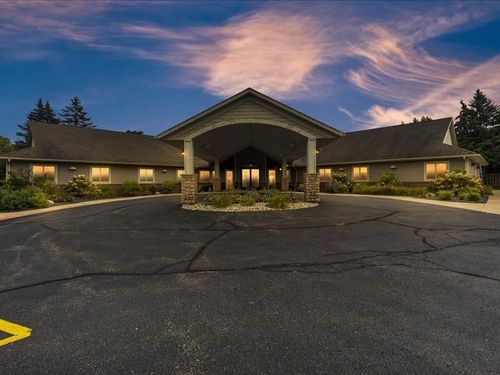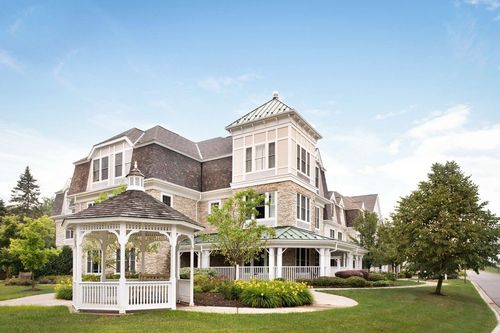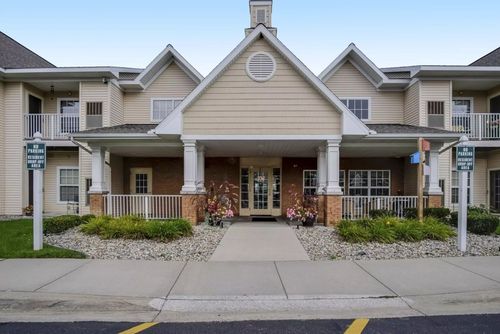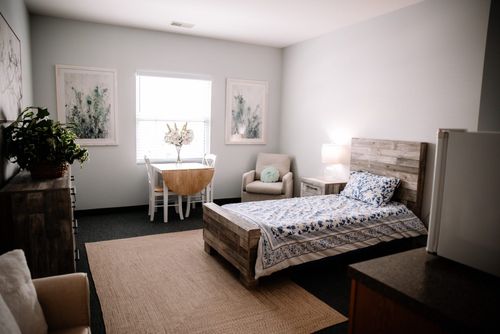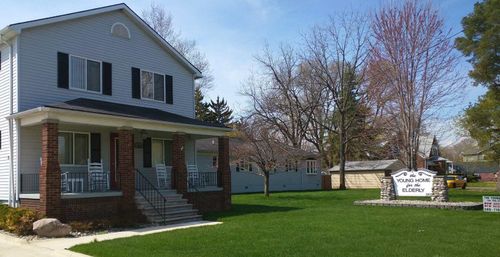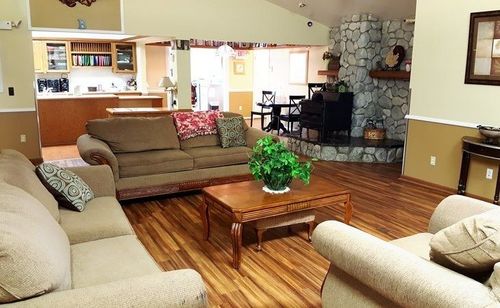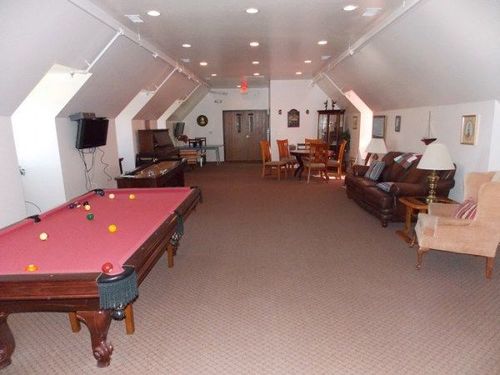
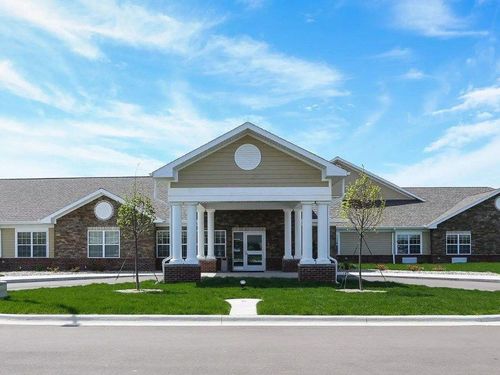
Romeo's two assisted living addresses attempt entirely different things. Orchard Grove Health Campus on Orchard Crossing Lane is licensed clear across the range, from independent apartments through assisted living and a secured wing to nursing beds on the same property, while Angelica's Place on East Lafayette Street is a secured residential home. Between them the 2 matching communities run from fifteen residents to fifty-five.
What a household is really deciding, then, is whether it wants a place to live now or a place to stay through whatever follows. Both answers are reasonable, and the village is small enough that either keeps a resident among the same shops, churches and neighbors they already have.
Support Now, and the Levels Beyond It
The daily substance is the same at both: medications given by staff rather than left to memory, help with bathing, dressing and moving safely, meals put on the table, laundry and housekeeping absorbed, and someone in the building overnight.
Where they diverge is what happens when the middle of an ordinary Tuesday changes. On a campus carrying every level, a resident who needs more can generally move within the property, and someone coming back from surgery can often return to the same address rather than to an unfamiliar building at the worst possible moment. In a home of fifteen, the appeal runs the other way: one routine, the same faces on most shifts, and a caregiver who notices a change because there is nobody to lose a person among. Appointments run south either way, toward Clinton Township and Mount Clemens, which is the standing cost of a village address.
What the Gap Between the Two Rates Buys
Assisted living in Romeo is quoted at $3,700 and $5,350 a month in 2026, roughly sixteen hundred dollars apart, which is a wide spread for a village this size. The gap buys range rather than luxury, since the higher figure comes attached to a property that also carries other care levels, and a household paying it is partly paying for the option of never moving again.
Funding cuts the other way and is worth settling early. One of the two addresses participates in Medicaid and the other does not, which changes the arithmetic for a resident whose savings are unlikely to cover a decade. Michigan's public help arrives through the MI Choice Waiver, which contributes toward the care a resident receives rather than toward the roof over it, and it asks for income and asset limits to be met alongside a finding of nursing-facility level need.
A Village at the County's Northern End
Romeo sits well north of Macomb County's dense southern corridor, in orchard country rather than subdivisions, and that geography explains why two addresses have to stretch across the whole range of what local families need rather than specializing the way suburban buildings can.
Demand comes from the villages around rather than from the county's population centers, and it arrives steadily rather than in waves. One of the two addresses takes short respite stays, which gives a household a way to cover a difficult fortnight or to test a fit without committing to it, and in a two-address market that option is worth knowing about before it is needed.
What the Village Keeps Intact
Romeo kept its old storefronts while the southern half of the county filled with subdivisions, and the households here have generally been within a few miles of each other for a long time. Both senior-living addresses sit inside that same short compass, so a move into either keeps a resident inside the village rather than sending them down toward the suburbs.
That continuity does more work than families expect: the pharmacy stays the same, the congregation still expects them on Sunday, and the relatives doing the visiting are not adding forty minutes to a working day, which over a year is the difference between visits that keep happening and visits that quietly stop.
What a Local Advisor Brings to Romeo
A two-address village looks straightforward from outside and is not, because what matters is which address has the right kind of room open at the moment a family needs it. A Local Senior Advisor covering northern Macomb tracks that, along with which will take a resident's pet, where the Medicaid-funded route actually stands as opposed to what participation implies, and how quickly each can complete its own assessment.
The longer question is the one worth asking first. A household choosing between a campus that covers every level and a small home with one routine is choosing between two different futures, not two prices, and that decision is much easier to make calmly than under a discharge date. It is worth an hour to talk it through while both options are still open.
Our directory for Romeo continues to grow as we evaluate providers for quality and alignment in 2026. Reach out for a conversation about assisted living in Romeo, or browse the communities we have vetted at your own pace.