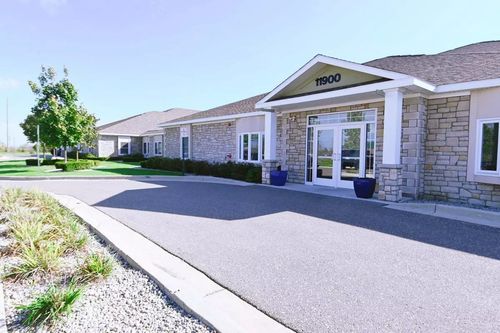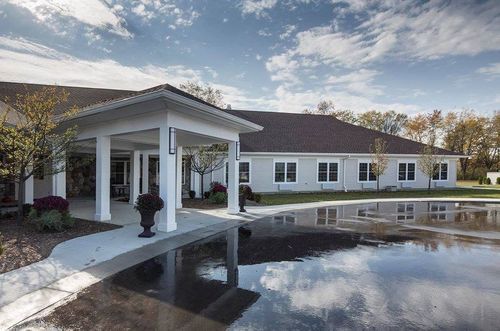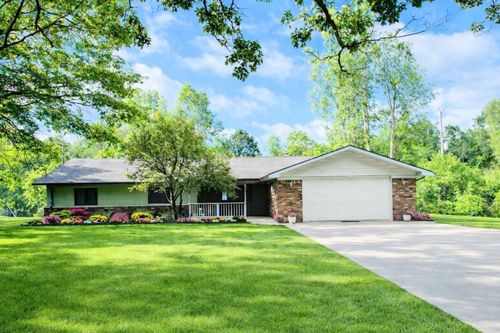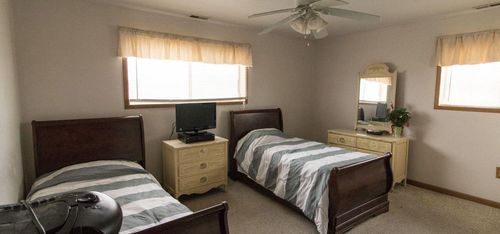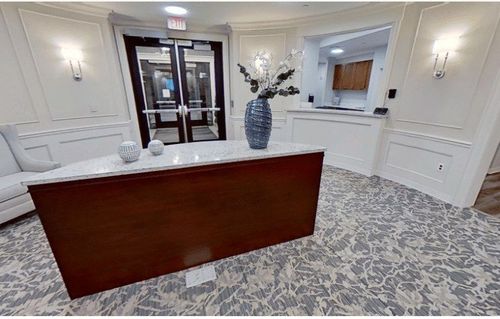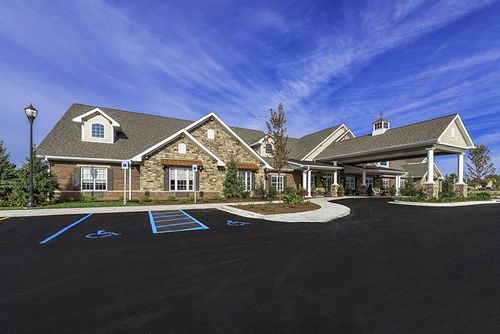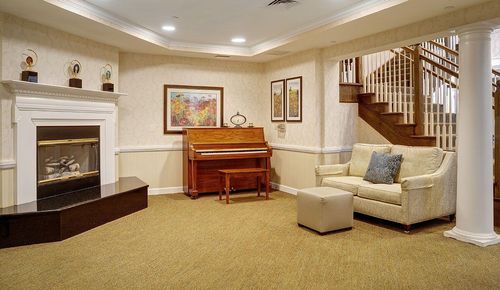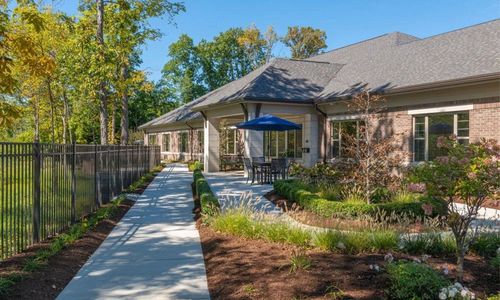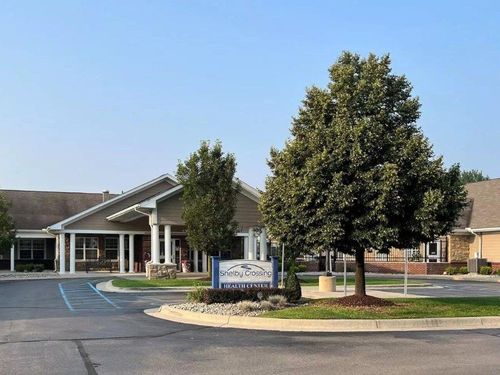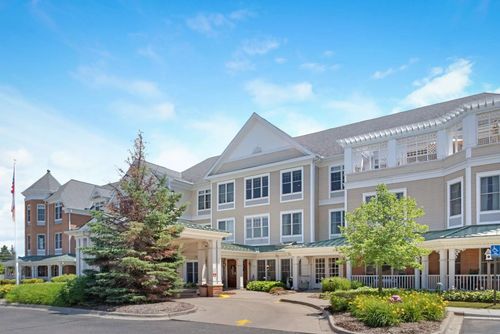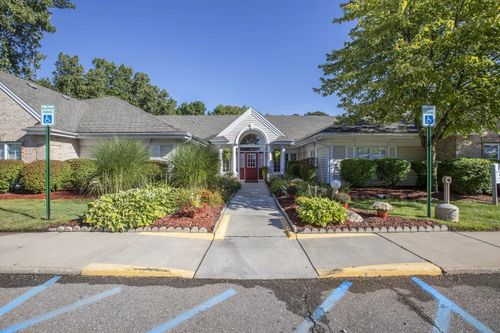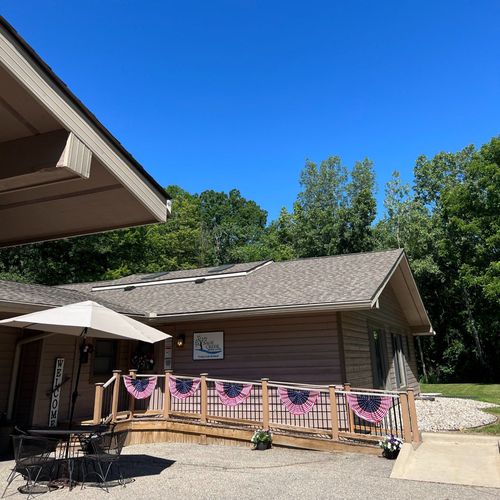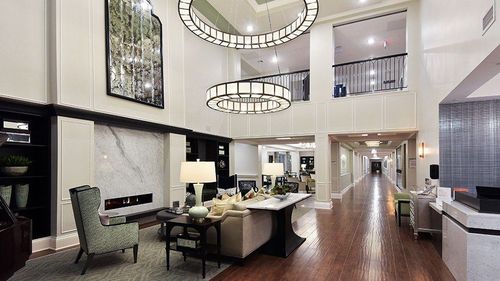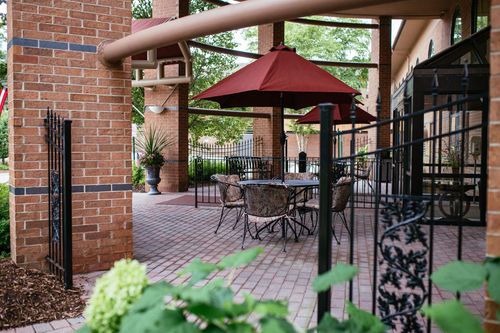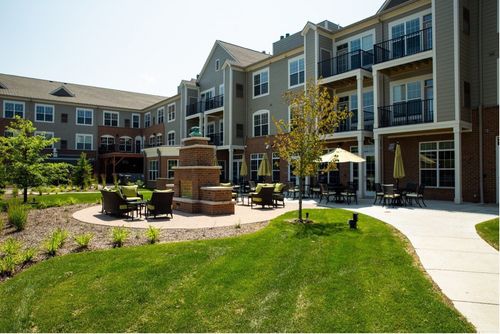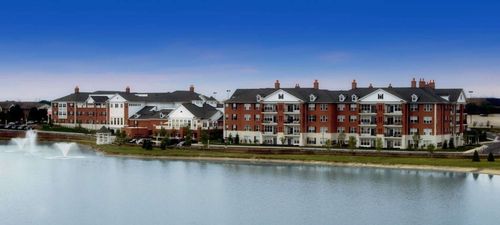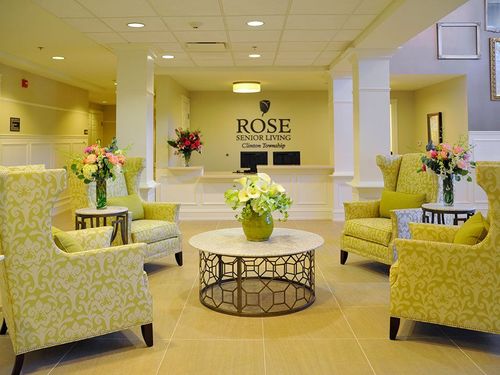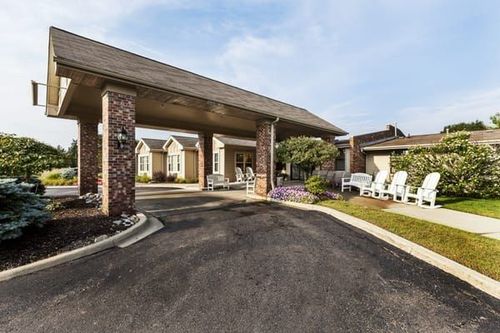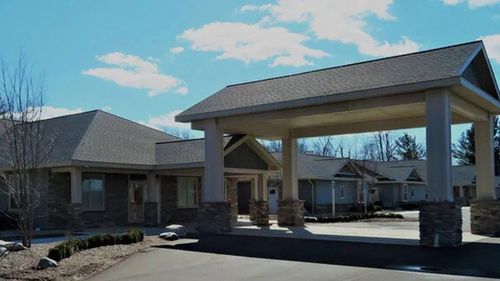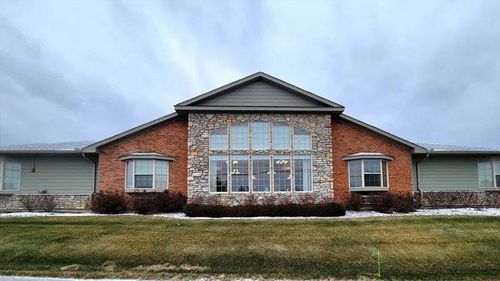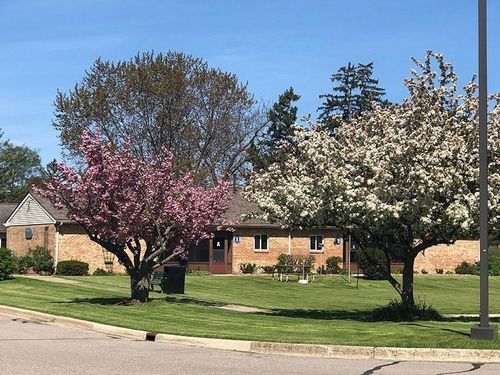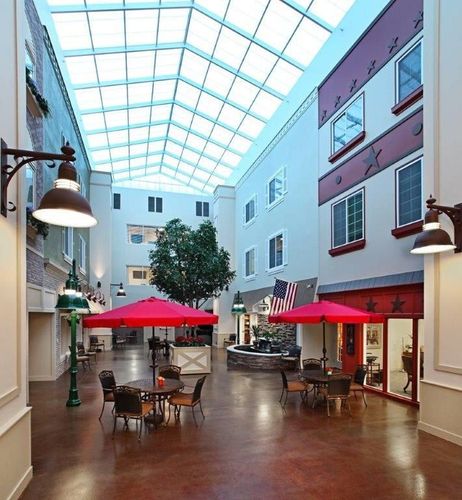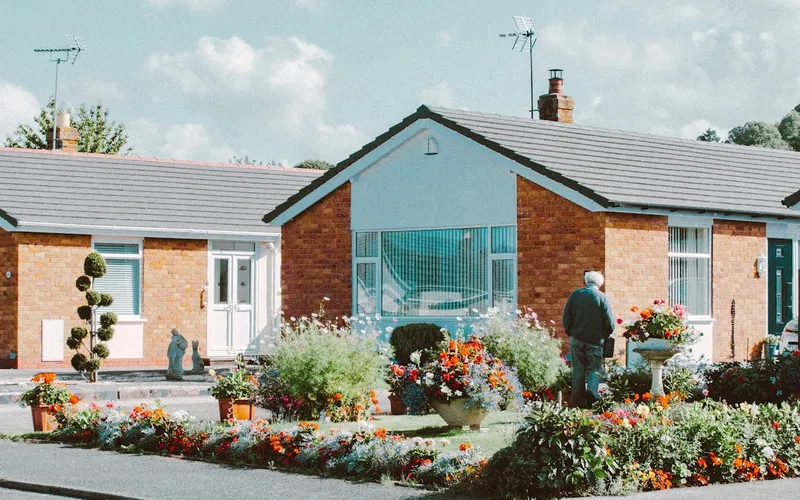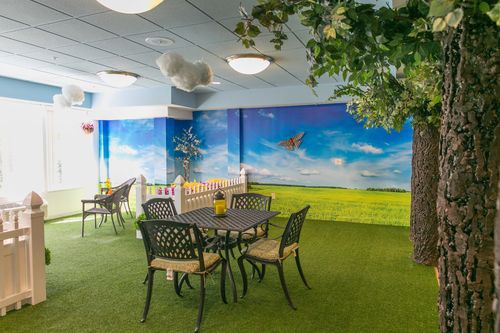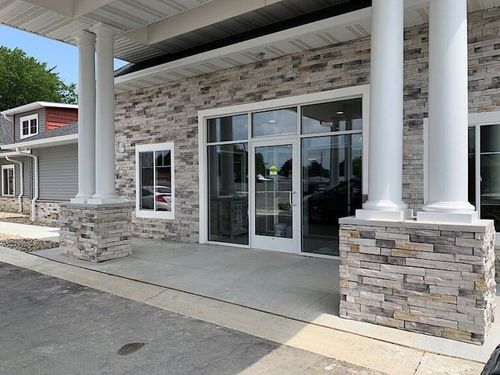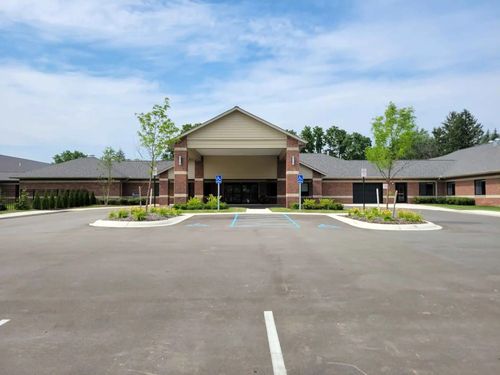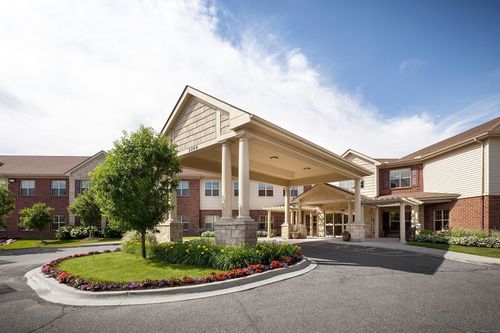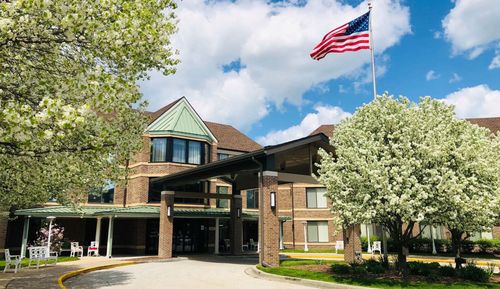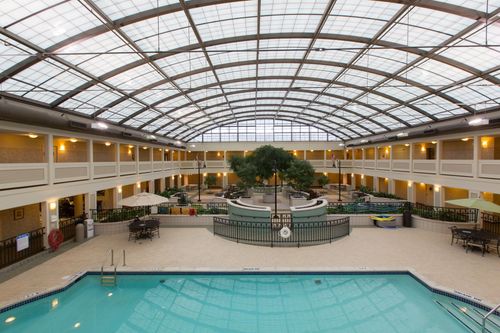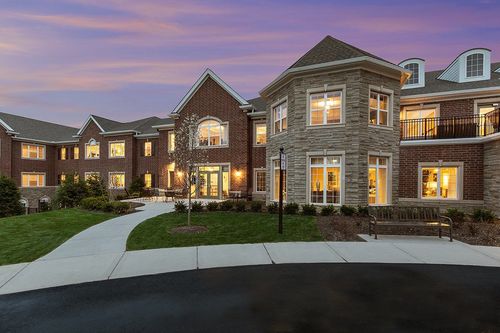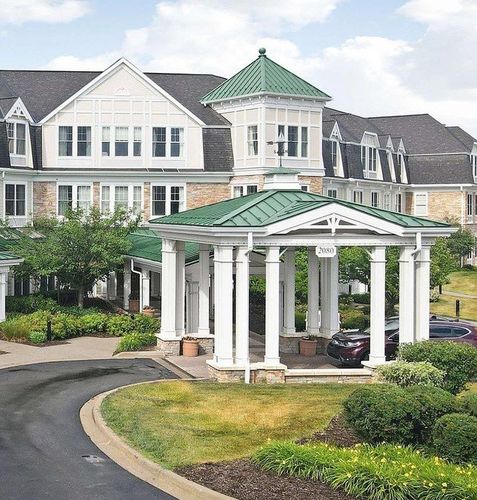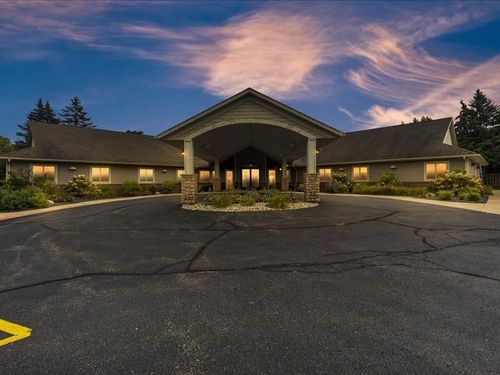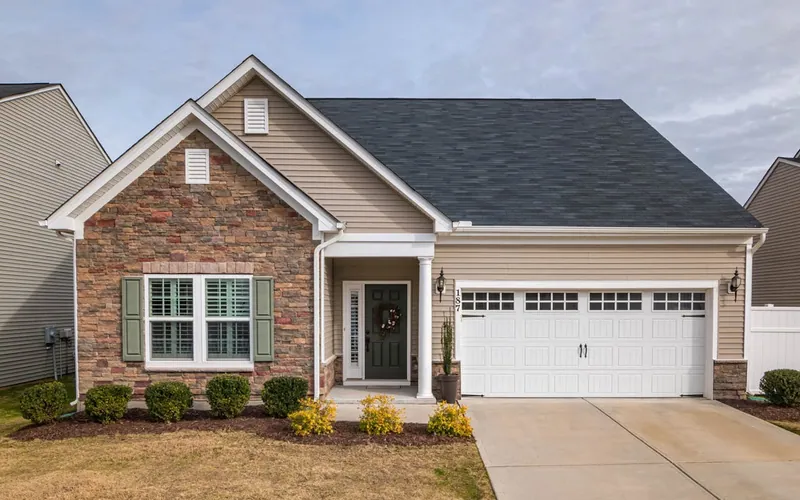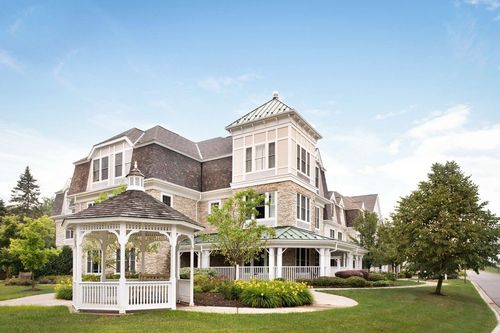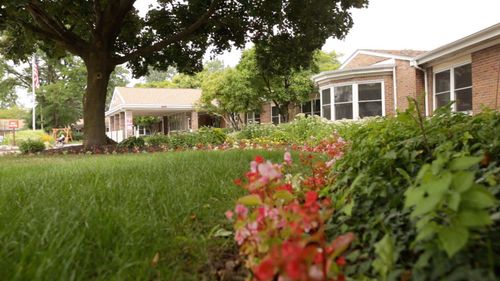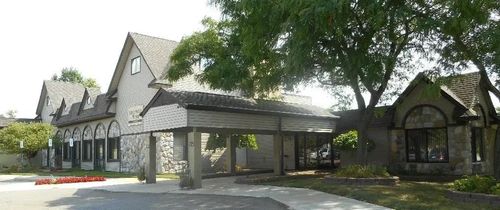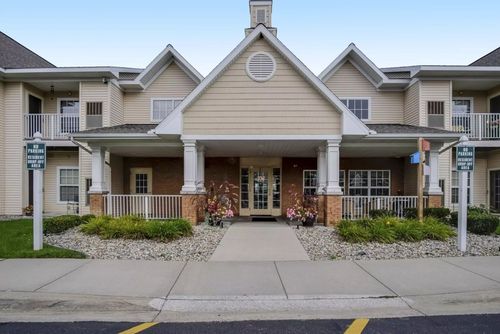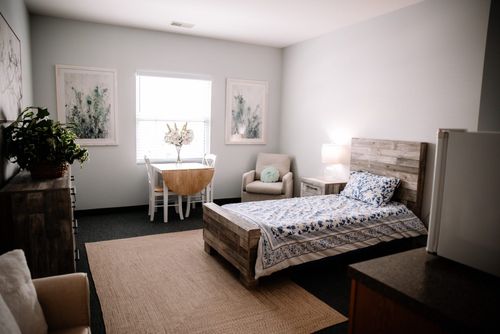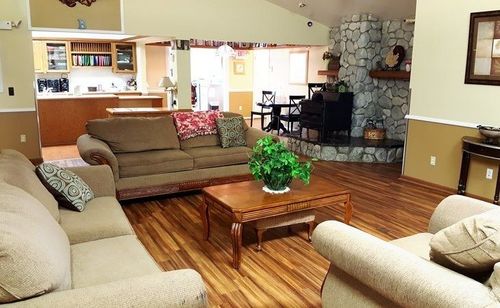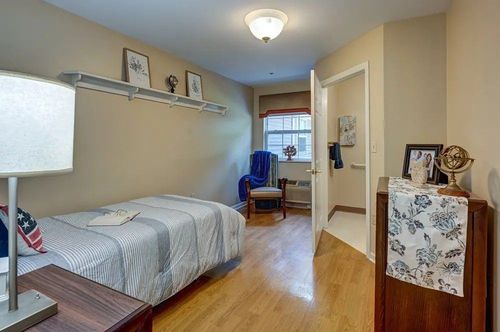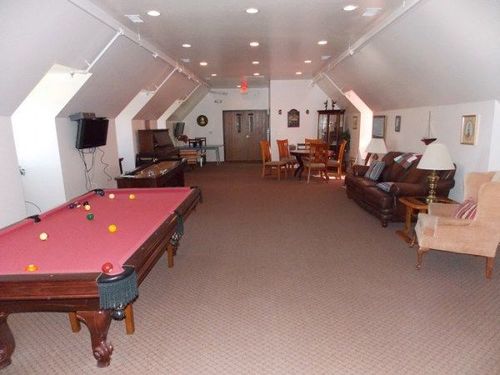
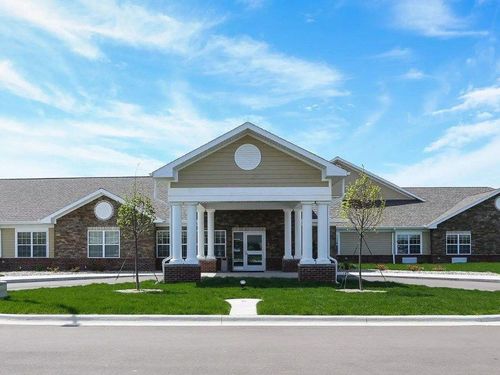
The two ways memory care gets built in Michigan both exist in Romeo, a few minutes apart. Angelica's Place on East Lafayette Street is a residential house secured end to end, where one routine covers everyone under the roof, while Orchard Grove Health Campus on Orchard Crossing Lane keeps its secured neighborhood inside a campus that also runs apartments, assisted living and nursing beds.
A household choosing here is really deciding how much building it wants around the person. The local range runs from fifteen residents to fifty-five, and that span settles who is on shift, how far a resident can travel without leaving the address, and what happens the year after next.
One Household, One Routine, or a Campus Around It
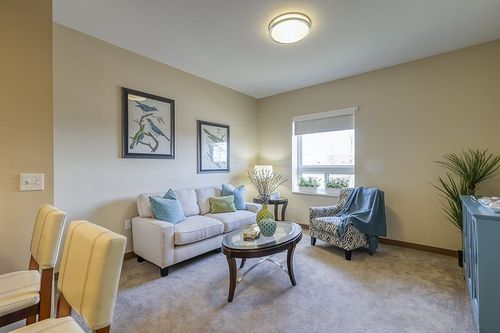
Inside a secured house the routine is less a schedule than a shared day. Meals come off one kitchen, the same small group of caregivers works every shift, and a resident who is unsettled at four in the afternoon is unsettled in a room where everybody already knows what usually helps.
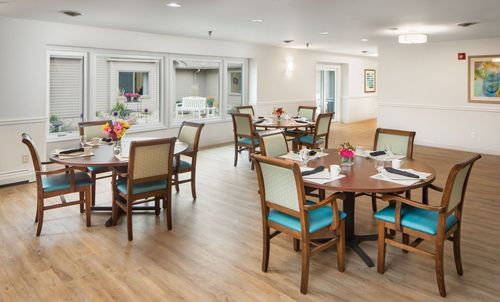
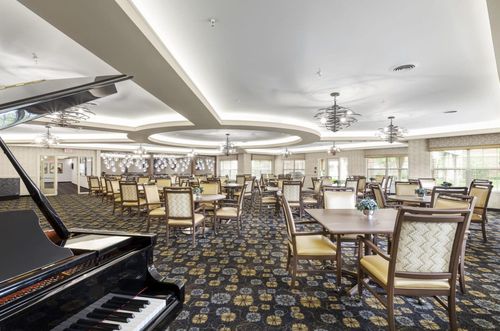
A secured neighborhood inside a campus buys different things. Staffing runs deeper, more happens on a given afternoon, and the therapy space, dining room and visiting areas belong to a building that is not only dementia care. Where the campus also holds nursing beds, a resident who develops a medical need can often be treated without a change of address, which is the part families tend to value only later.
What the Two Rates Are Actually Measuring
Starting rates in Romeo are $3,700 at Angelica's Place and $5,350 at Orchard Grove Health Campus, and the sixteen hundred dollars between them is not a quality gap. The lower figure belongs to a house that does one thing, the higher to the entry rung of a campus carrying several levels of care. Both are building rates rather than quotes for the secured side, which prices above them.
One Romeo address participates in Medicaid and one does not, which is the fact that decides a long stay. Michigan's MI Choice waiver pays toward care services once a resident is assessed at nursing-facility level of care, never toward room and board, and the Macomb County file goes through AgeWays Nonprofit Senior Services.
An Older County, Concentrated Well South of Here
Macomb County counts roughly 170,200 residents past sixty-five, about 19.2 percent of the population, but that weight sits in the dense southern corridor rather than the orchard country at the top of the county.
Romeo therefore serves a wide rural catchment from a short list of rooms. A secured house turns over one resident at a time, so availability in a given month is close to binary, while the campus neighborhood has more doors. Households working to a fixed date generally ask about both long before they need either.
Why Families Choose Memory Care in Romeo
Romeo sits in Macomb County's orchard country, a village whose main street never turned into the subdivisions that filled the southern half of the county. Households here have usually lived within a few miles of one another for decades, and both secured settings stand inside that same short compass, so a move keeps a resident among the same shops and churches rather than sending them toward the suburbs.
Hospital care runs the other way, and the drive is the price of the village setting. Henry Ford Macomb Hospital in Clinton Township carries Level II trauma verification alongside stroke, cardiac and inpatient rehabilitation programs, and McLaren Macomb in Mount Clemens holds the same trauma level, both a drive south. For someone living with dementia, a short list of familiar streets is usually worth more than a short drive to an emergency room.
What a Local Advisor Adds in a Two-Address Village
In a village with this few secured rooms the question stops being which building and becomes when. A Local Senior Advisor covering Romeo knows whether the house has a room this month, whether the campus neighborhood will take a resident at the supervision level a family is describing, and how Medicaid participation at one address changes the arithmetic for a household planning years rather than months.
A quieter judgment sits underneath that one, because some people settle better in a house of fifteen where every face repeats, while others do better where more is going on, and no website will tell you which. Families are welcome to talk it through before spending a Saturday driving between the two.
Our Romeo directory keeps expanding as we evaluate providers for quality and alignment in 2026. Start the conversation about memory care in Romeo, or look through the buildings we cover at your own pace.