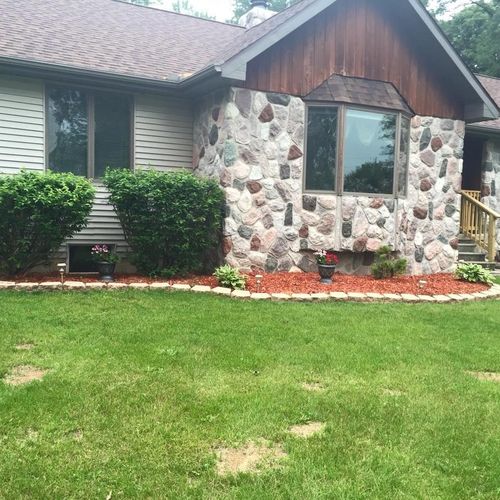
One Romeo address takes Medicaid, and it happens to be the one that covers every level of care the village has. Orchard Grove Health Campus on Orchard Crossing Lane holds an independent apartment wing, assisted-living rooms, a locked memory-care neighborhood and nursing beds on one property, which means the word Medicaid does four different jobs inside one set of doors. 1 of the communities on this page accept it, and understanding what it pays for at each level is most of the work.
Households in northern Macomb County usually arrive at this page after the arithmetic stops working. A parent has been paying privately for two or three years, the savings that funded it are visibly shorter than the years ahead, and somebody has finally said the word out loud. That is a planning conversation rather than an emergency, and it goes better started early.
What Medicaid Actually Covers on Orchard Crossing Lane
Michigan runs two separate routes into senior care, and they behave nothing alike. Nursing-facility Medicaid pays for care in a certified nursing home for residents who meet both the medical test and the financial one, with the resident contributing most of their monthly income toward the bill. The MI Choice waiver is the other route, and it funds care services for someone who needs nursing-home-level help but lives in assisted living or a licensed residential setting instead. The waiver does not pay the room and board portion, so a household still covers rent and meals from income or savings.
Independent living sits outside both routes entirely, because Medicaid pays for care and an independent apartment is not built around a care need. On a campus that holds all four levels, that distinction has a practical edge: a resident can move from an apartment to assisted living to a nursing bed without changing address, and what Medicaid contributes changes at each step even though the mailing address does not.
The Money Question Behind the Move
Private assisted living at the Romeo campus is published at $5,350 a month, and a nursing bed on the same property carries a considerably higher figure, which is why long stays exhaust savings faster than households expect. Michigan applies both an income test and a countable-asset ceiling to long-term-care Medicaid, and applicants above the asset limit generally spend down toward it before they qualify.
Two details catch Michigan families out more than any others, and the first is that transfers of money or property are reviewed over a multi-year look-back period, so giving assets to relatives shortly before applying tends to delay eligibility rather than speed it. The second is that MI Choice enrolment is limited rather than open-ended, so clearing the medical and financial tests is the start of the process, not the end of it. Someone already on Medicare can hold both programs at once, with Medicare covering hospital and short rehabilitation stays and Medicaid carrying the long-term custodial side.
Where the Romeo Timeline Usually Breaks
With a single Medicaid address in the village, the useful planning question is sequencing rather than shortlisting. Enrolment runs through a state-contracted waiver agency and opens with an assessment of care need, while the financial side is reviewed separately, and either review can sit waiting on the other. Households that begin both while a parent is still paying privately keep their options; households that begin the week the money runs out rarely do.
Availability is the second constraint on the timeline, because a campus that accepts Medicaid does not hold an unlimited number of Medicaid-funded rooms, and whether one is free in a given month is a moving number rather than a policy. Romeo's hospitals all sit south in Clinton Township and Mount Clemens, so a discharge that needs a funded bed arrives on a clock set by someone else.
What a Local Advisor Brings to Romeo
An advisor covering northern Macomb knows where Orchard Grove Health Campus currently stands on funded rooms, what the campus expects a household to have in place before a move, and how a resident already living there transitions when private funds run out. That is different from knowing which building accepts Medicaid, which any listing can tell you.
The same advisor has watched dozens of Michigan applications move at their own speed and can say honestly whether a family is early, on time or late. If the savings have a visible end date, talk it through now rather than after the last private month is paid.
The Romeo directory continues to grow as we evaluate providers for quality and alignment in 2026. Start the conversation about medicaid in Romeo, or look through the buildings we cover at your own pace.