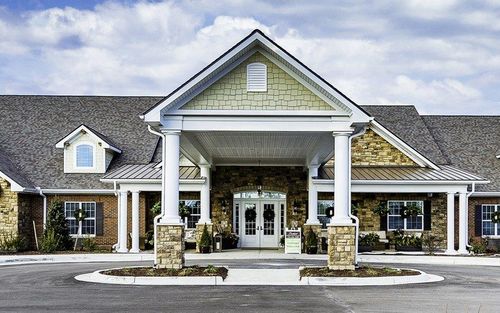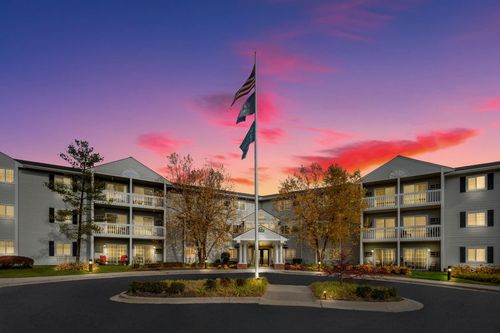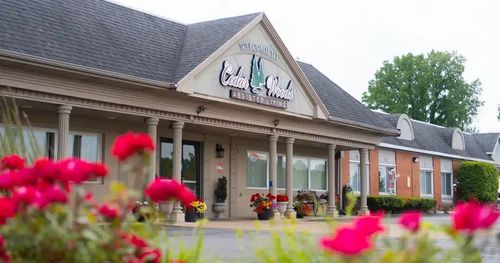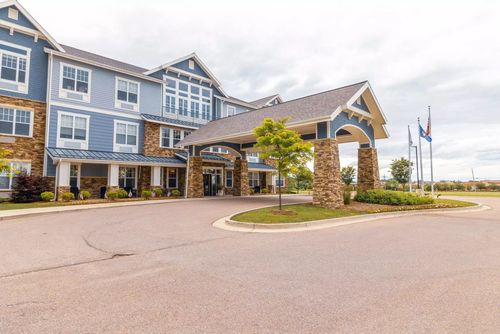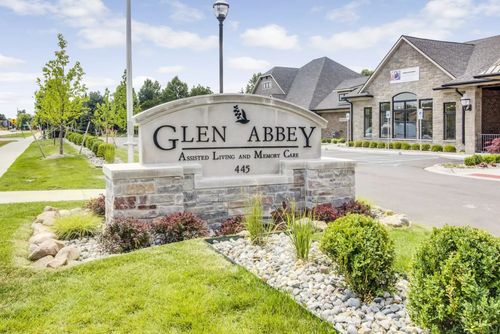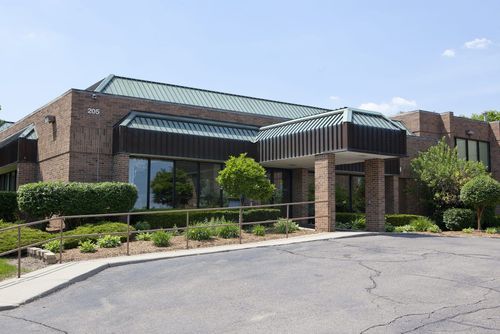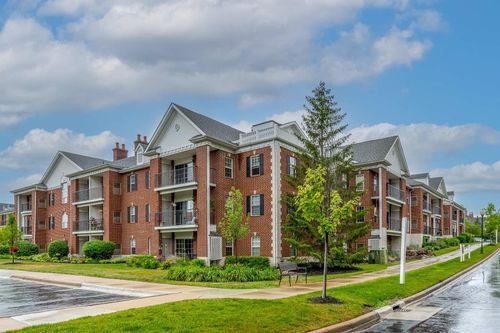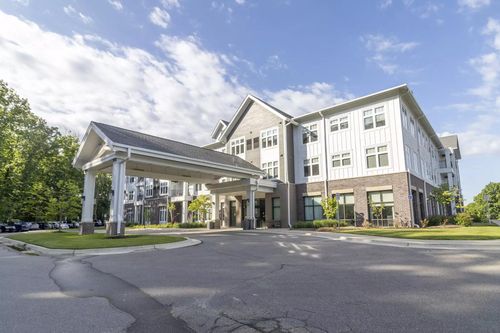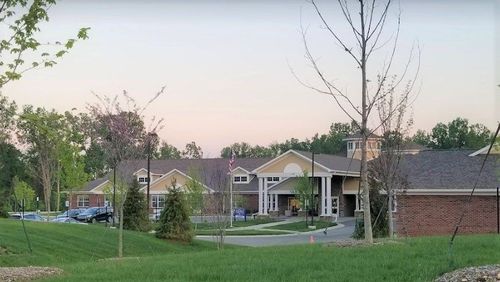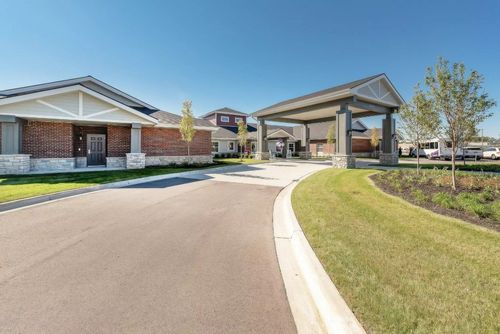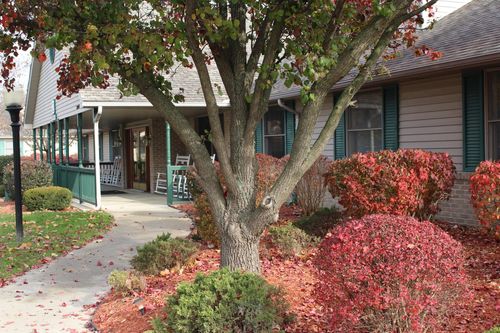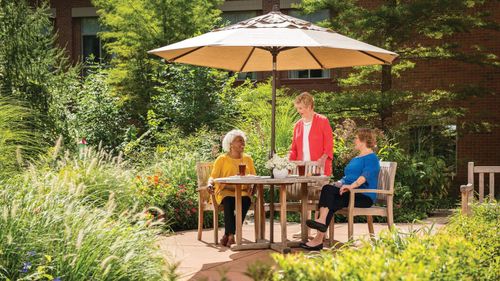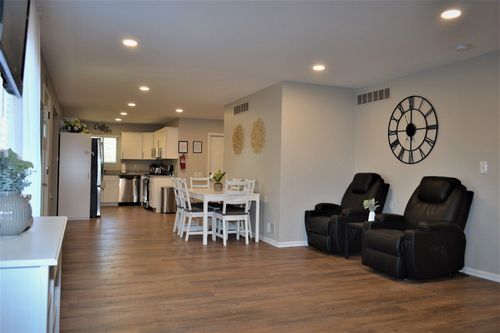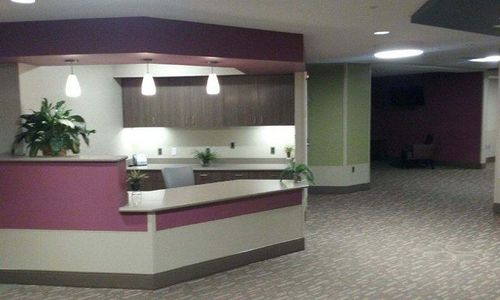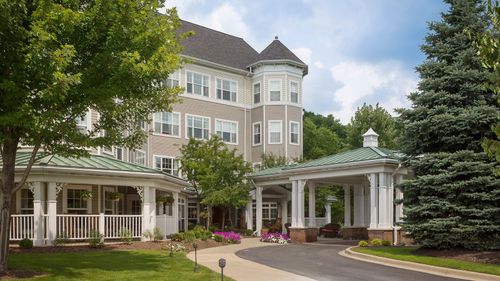
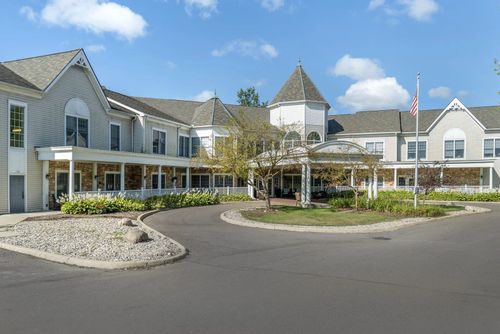
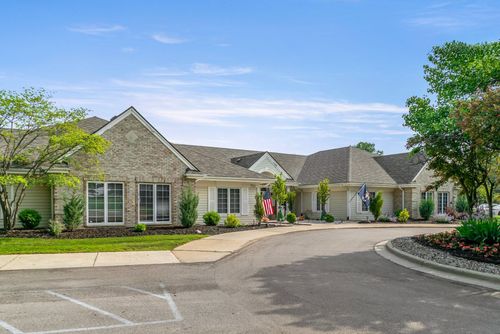
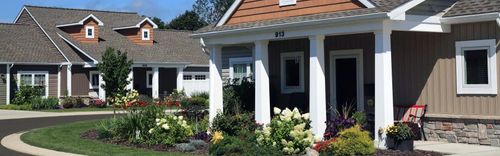
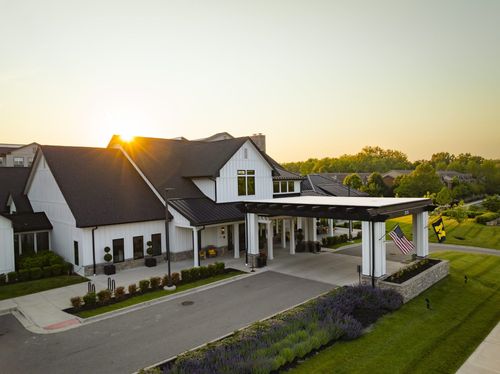

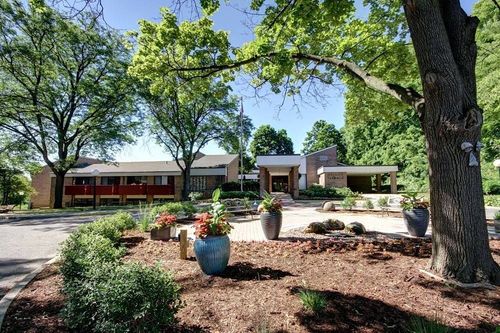
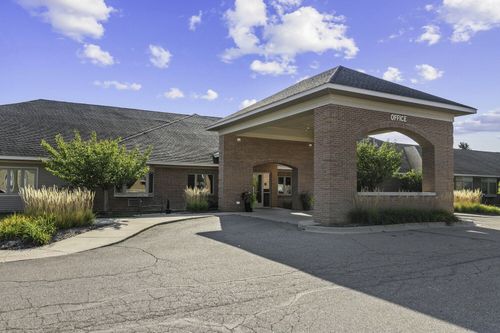


Washtenaw County has more than ten assisted living communities, and they are not interchangeable. Atria Park of Ann Arbor, Clarendale Ann Arbor, and the two Brookdale locations (Brookdale Ann Arbor and Brookdale W. Eisenhower Pkwy) give Ann Arbor families several larger campuses to weigh against one another, while Chelsea Retirement Community and Linden Square Senior Care widen the choice beyond the city's core.
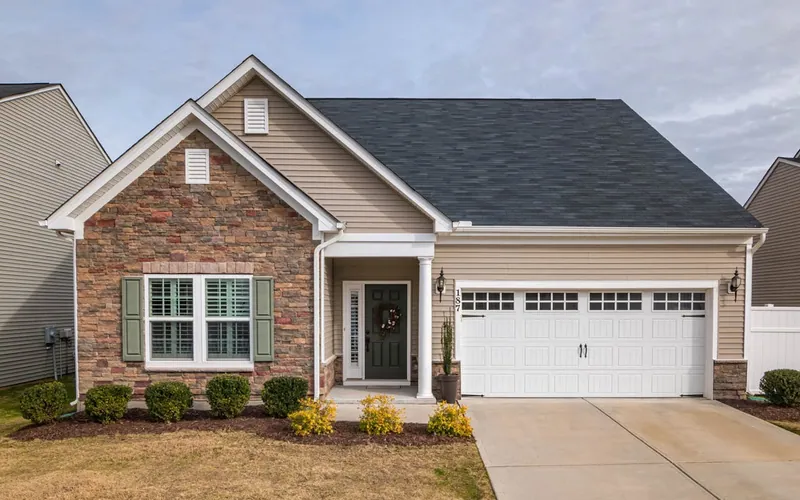
Size is the first thing that separates them. Some residential homes here hold as few as six residents, and the largest communities reach about 150 beds, so two tours can feel like entirely different kinds of living even when both carry the same care label.
How the Day Is Structured for Residents
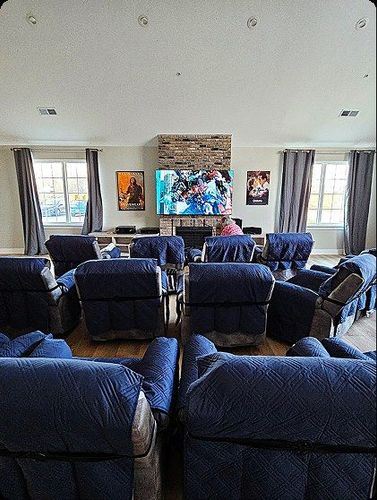
In a six-bed home, a resident usually knows every caregiver by name, meals are cooked in a shared kitchen, and the schedule bends around who is awake and hungry. In a community of 100 or more, the day runs on a posted calendar: dining room seatings, exercise classes, outings, and visiting performers, with help for bathing, dressing, and medications arriving at set times that staff work out with each resident.
Transportation deserves a direct question in this county, because appointments for many residents mean a drive across town or out to a specialist. Larger communities such as Glacier Hills Senior Living Community and Clarendale Ann Arbor tend to run scheduled rides, while smaller homes may arrange trips case by case. Several communities across the county also welcome pets, which matters to residents who would otherwise give up a companion of many years.
What Families Pay and Why It Varies
Monthly rates run $3,500 - $6,623/mo, a spread wide enough that the number on a first brochure says little about the final bill. A typical starting point in the county is $4,990 a month, though that figure covers only the base package of room and routine care.
The gap comes from three things: the apartment size, how much hands-on help a resident needs each day, and whether the community bundles meals and transport or charges for them separately. A small home like Linden Square Senior Care builds its price around shared space and a low resident count, while a larger campus spreads costs across a fuller activity calendar and a bigger staff.
Medicaid acceptance is narrow here, with only one community taking it, so families who expect to rely on it should raise the question at the very start of the search rather than after falling for a particular building.
A County Where Demand Moves Steadily
Washtenaw County combines a large university presence with long-settled towns, and that mix produces retirees who stayed after careers in Ann Arbor as well as longtime residents of smaller communities such as Chelsea. Both groups tend to look for care close to the friends, congregations, and doctors they already know.
Openings follow no predictable season. The better-known larger communities can run waiting lists, and the smallest homes may have only one room come free in a year, so a family working with a narrow window often finds timing matters as much as preference.
Why Families in This County Choose Assisted Living
Most families arrive at this decision after a stretch of managing things at home: a spouse covering medications, an adult child driving over several evenings a week, meals that no longer get made. Assisted living replaces that patchwork with one place where help is built into the day, without ending a resident's independence over how the afternoon is spent.
Location drives many choices. Someone who has lived near Ann Arbor for decades wants visitors from the neighborhood to make the trip easily, while a Chelsea resident may prefer a quieter setting that keeps church and old neighbors within reach.
The range of sizes is also a reason in itself. A person who values a quiet table of six and a person who wants a full calendar of concerts and classes can both find a fit without leaving the county.
Where a Local Advisor Earns Their Keep
An advisor who works Washtenaw County daily knows which communities have rooms opening soon, which small homes rarely list publicly, and how the one Medicaid-accepting community handles its timing. That knowledge saves families weeks of phone calls that would otherwise go to communities with no space.
Advisors also coordinate hospital discharges, where a safe move often has to happen within days, and they help match a building's care style to a resident's actual needs and budget. When you want help sorting the options, it can be worth a short conversation.
Our directory for Washtenaw County continues to grow as we evaluate providers for quality and alignment in 2026. Start the conversation about assisted living in Washtenaw County, or look through the buildings we cover at your own pace.