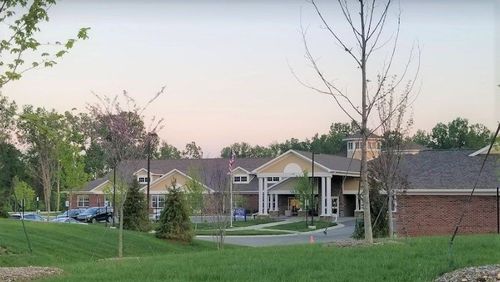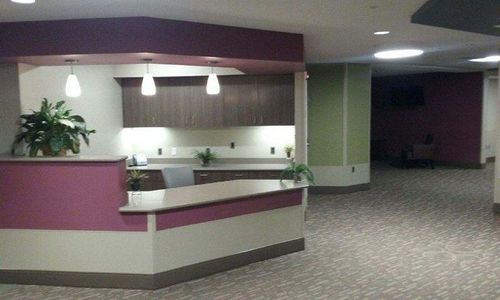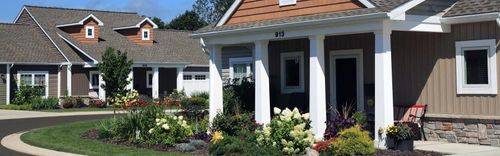

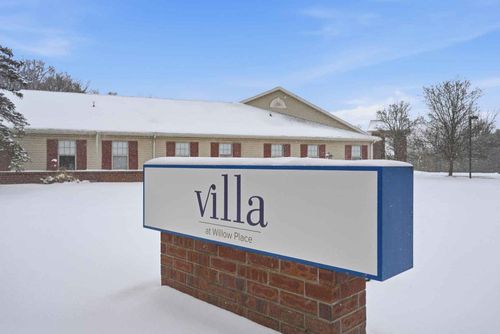

In most Michigan counties a skilled nursing discharge is a question of whether a bed exists; in Washtenaw County it is a question of which one, and where the family wants to be driving for the next month. Chelsea Retirement Community sits west in Chelsea, Glacier Hills Senior Living Community in Ann Arbor itself, and Villa at Willow Place in Superior Township on the Ypsilanti side.
The reason the county supports that spread is the medicine above it. University of Michigan Health University Hospital and Trinity Health Ann Arbor Hospital both hold Level I trauma verification, Chelsea Hospital runs as a joint venture between the two systems with a separate senior emergency room, and the Lieutenant Colonel Charles S. Kettles VA Medical Center carries its own community living center. All of it discharges into the same small group of skilled settings.
Matching the Setting to the Recovery
Skilled nursing means licensed nurses on duty around the clock, the line residential care does not cross: wound management, intravenous medication, oxygen and daily monitoring of a condition still in motion. Alongside it runs therapy, physical, occupational and speech, scheduled against a functional goal rather than an open-ended plan.
What differs between recoveries is which of those matters most. A patient after a hip or knee replacement usually needs therapy volume and a fast route home; a stroke patient needs speech and occupational therapy over a longer arc; a resident whose needs have become permanent needs a setting organised around stability rather than a discharge date. Ask how many days a week each therapy discipline runs, whether therapists are on site, and how the plan changes when someone plateaus. In a county with genuine choice, those answers should decide the placement.
Who Pays, and What the Local Figures Mean
Skilled nursing pricing works differently from residential senior living. Most stays open under Medicare Part A after a qualifying inpatient stay, with the opening stretch of the benefit period covered in full, a daily coinsurance charge from day twenty-one, and an outer limit of one hundred days that holds only while daily skilled care is genuinely required.
The county's published monthly figures, $6,559 at Chelsea Retirement Community and $8,500 at Villa at Willow Place, describe a private-pay stay once Medicare is out of the picture. Some Washtenaw County skilled nursing does accept Medicaid, which is more than most counties here can say, and it changes what happens when a stay turns long. That coverage runs through traditional Michigan Medicaid under its own rules, and the application takes long enough that it belongs in week two of a stay rather than week fourteen.
A Young County With Sixty Thousand Older Residents
Washtenaw County's median age is 35.2, held down by students, and only 16.3 percent of residents are past 65. The absolute number is what matters: roughly 60,299 people over 65 inside a county of 370,398.
A small number of skilled settings serve them, and those settings also draw from the hospitals' wider catchment, since academic centres take patients from well beyond the county line. Short recoveries cycle through in weeks and permanent residents stay put, so availability in a given week rests on a mix nobody can forecast, which is why a discharge planner calling on day two holds a real advantage.
Why the Recovery Should Happen Near the Family
Rehabilitation asks something of the household, not just the patient. The people who will be doing the helping have to see how a transfer is managed safely, take in the therapist's verdict on stairs, and know what equipment must be waiting at home, and that participation collapses when the drive is long.
Washtenaw's geography makes that manageable, with Ypsilanti four to eight miles from Ann Arbor, Superior Township six to ten and Chelsea about seventeen, so families rarely have to choose between the right building and a reachable one. Continuity helps too: University of Michigan Health is nationally ranked in geriatrics and Chelsea Hospital's rehabilitation unit is expanding, so the clinicians involved in a recovery often already know the patient's history.
Deciding Well Inside a Short Window
A discharge conversation moves fast and its decisions last. Useful preparation means knowing beforehand which settings have space, which take a particular clinical profile, roughly how many Medicare days remain, and what happens financially when they end.
Where a county has choice, the risk shifts from scarcity to mismatch: the nearest available bed is not always the one whose therapy pattern suits the recovery, and families rarely have time to work that out unaided. Someone who covers these buildings can weigh them against a clinical picture in an afternoon. If a hospital stay is under way, a short conversation now turns the discharge meeting into a decision rather than a scramble.
We keep expanding our Washtenaw County coverage as we evaluate providers for quality and alignment in 2026. Reach out for a conversation about skilled nursing in Washtenaw County, or look through the communities we have vetted at your own pace.