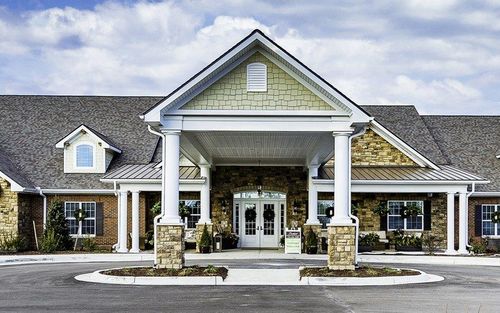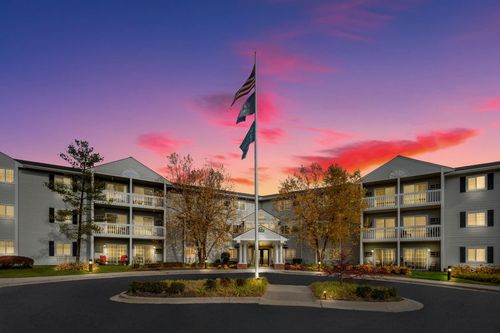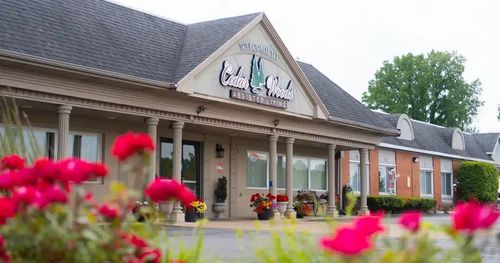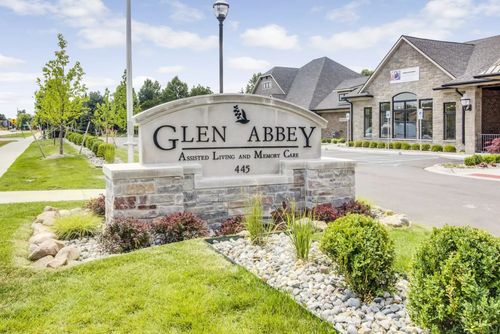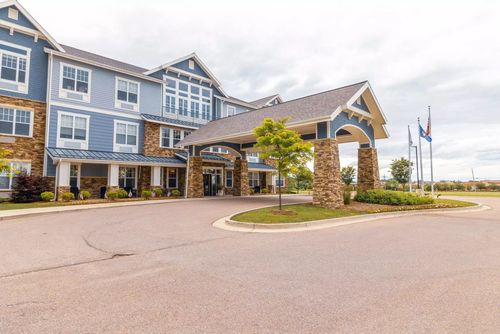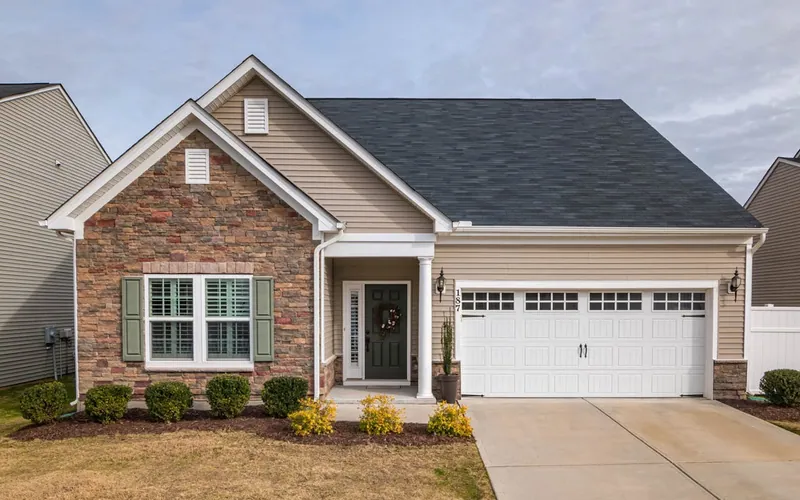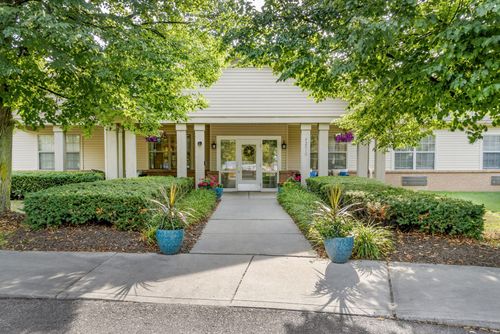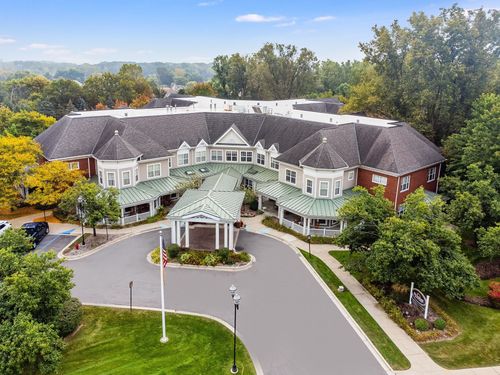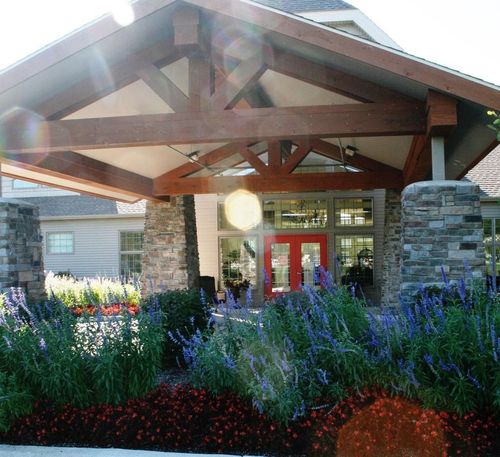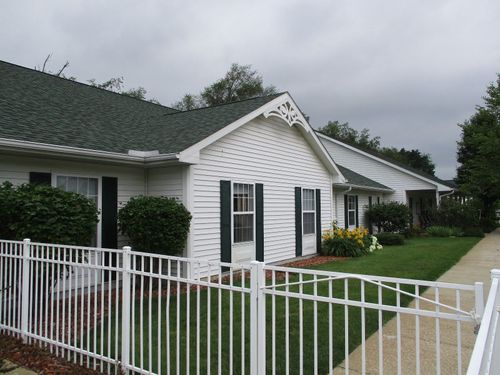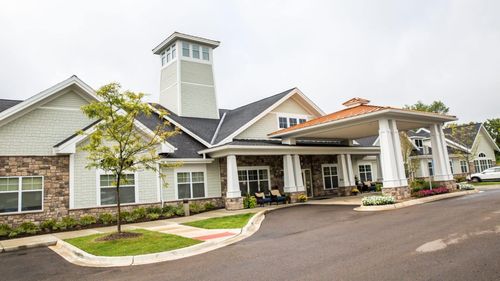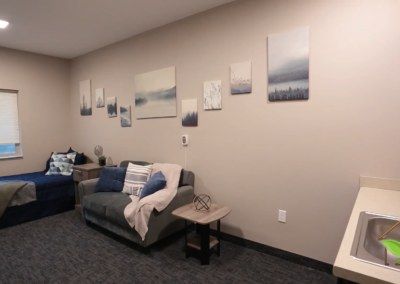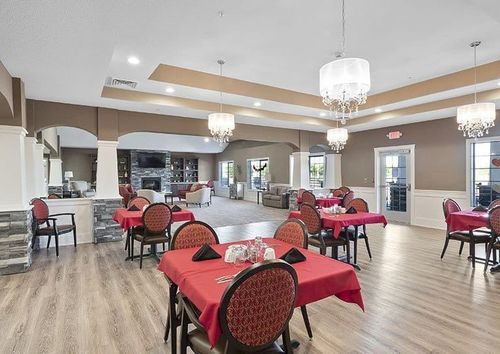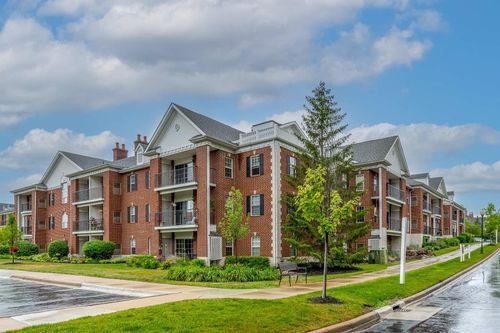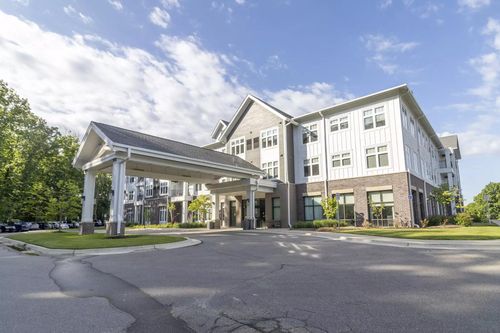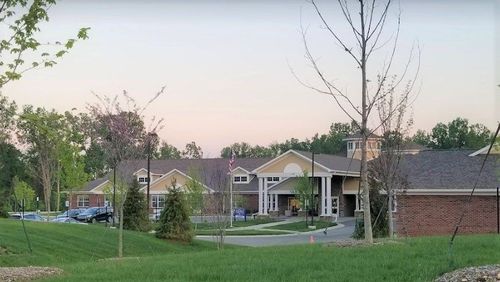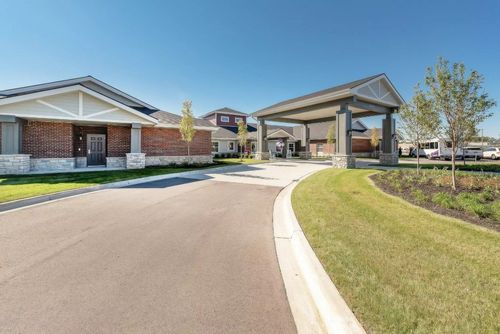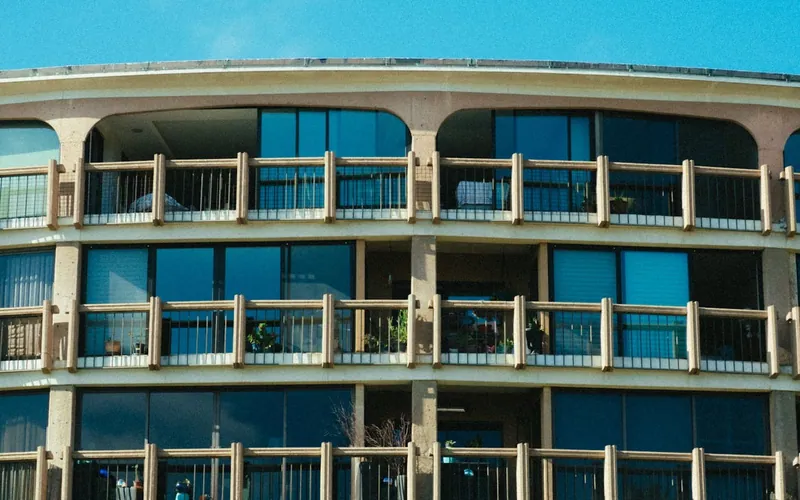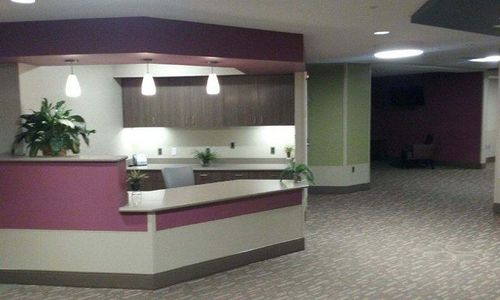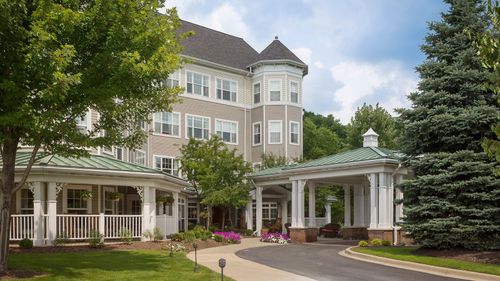
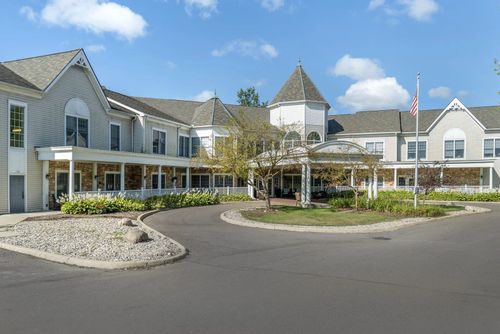
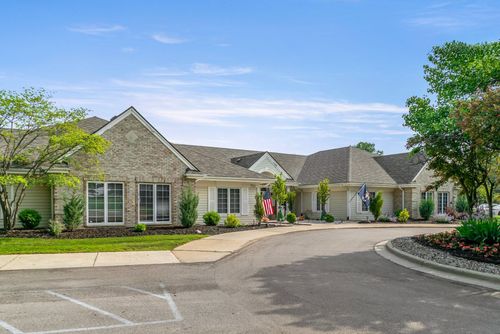
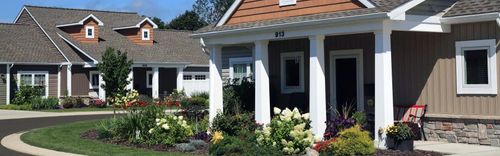
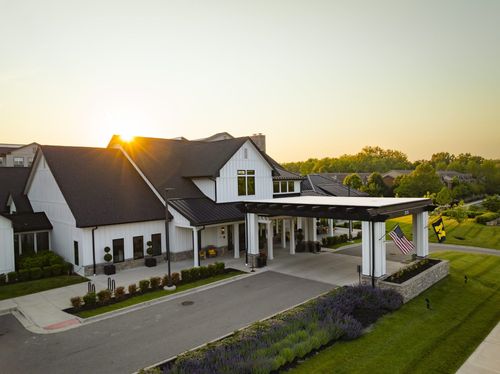

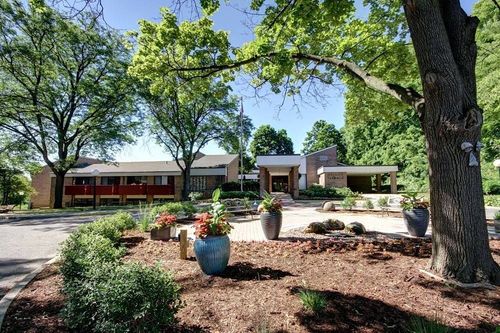
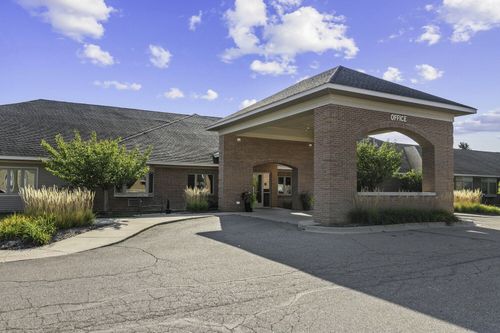
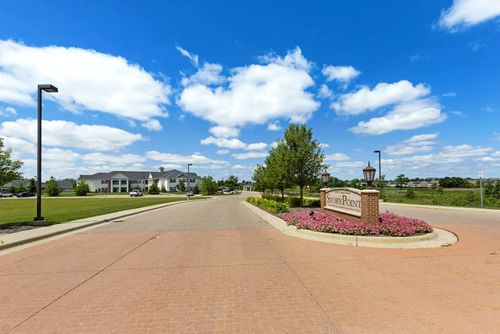

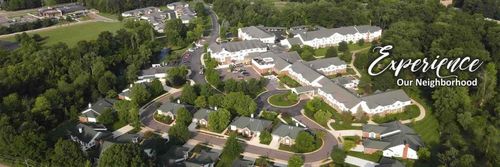
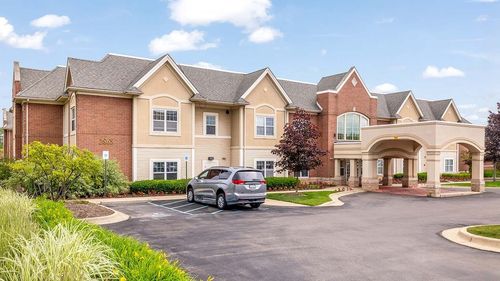
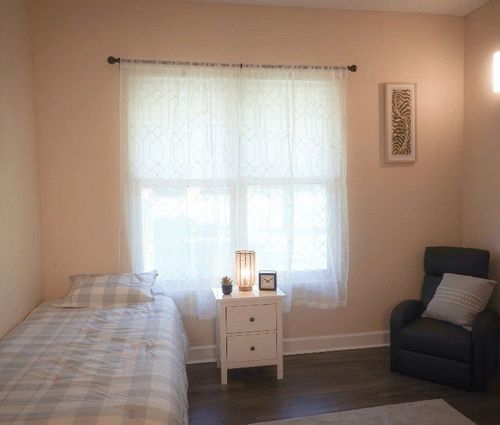

Memory care in Washtenaw County is shaped by the University of Michigan's presence in Ann Arbor, and the choices split in a way that matters for a family facing a diagnosis. Some secured settings are wings or neighborhoods inside larger senior living campuses, such as Glacier Hills Senior Living Community, Clarendale Ann Arbor, and the Brookdale buildings, while others are smaller and built around dementia care from the start, with Linden Square Senior Care and Hillside Terrace among the names families come across. Chelsea Retirement Community sits in the western part of the county and offers a quieter, small-town setting. With more than ten communities to consider, the useful first question is whether a family wants a dedicated building or a secured wing attached to a broader campus.
Building sizes across the county run from about 40 beds at the smallest home to about 150 at the largest community, and that difference shapes how a day feels.
How Days Are Structured Inside a Secured Setting
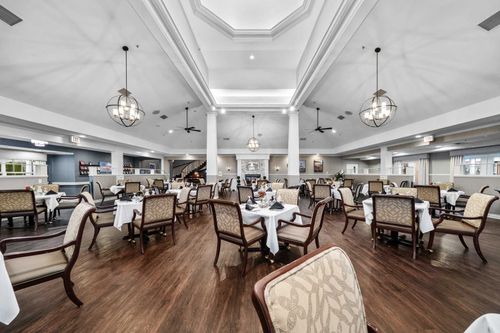
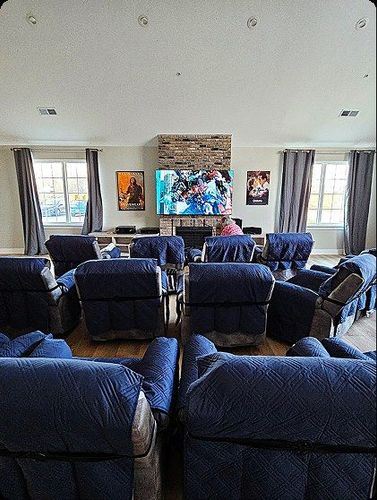
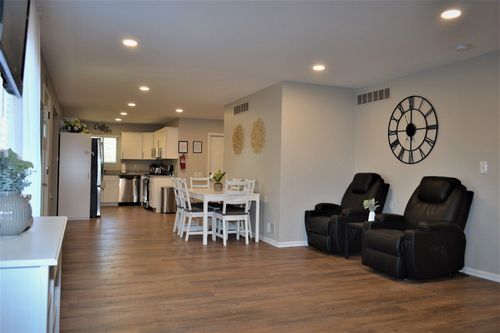
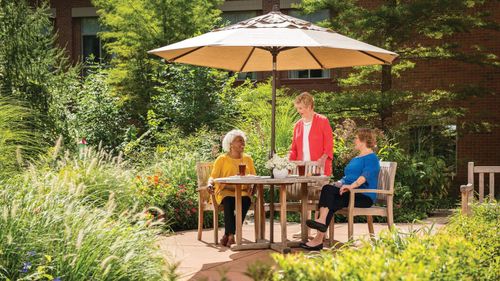
Secured memory care means exits are controlled and residents can move through hallways, courtyards, and common rooms without needing someone to open every door. In a purpose-built home, the whole floor plan is usually designed around that freedom, with short corridors and a few shared rooms that make it easy to find the dining table or a favorite chair. Inside a larger campus, the secured wing typically has its own dining room and activity space, while the rest of the campus offers a library, a chapel, or a bistro that residents may visit with staff or family.
Routines do much of the work. Meals, bathing, medication help, and activities such as music, gardening, and simple crafts happen at predictable times, which tends to settle residents who find change unsettling. Staff learn each person's habits, from preferred wake-up time to the songs that bring them back to the room, and families are generally welcome to join meals and seasonal events.
Understanding Local Pricing
Families here usually see starting prices near $6,387 a month, and the area's range, $5,000 - $7,834/mo, reflects real differences between building types. A smaller dedicated home may bundle care into one rate, while a larger campus may build the price from a base rent plus a care level that rises as needs grow.
Three things move the number most: the size and type of room, how much hands-on help a resident needs each day, and whether the secured wing sits inside a campus with extensive shared spaces. Ann Arbor addresses tend to price differently from communities in smaller towns across the county. Medicaid acceptance is limited, with only one community in the county taking it, so families who expect to rely on a waiver should raise the question early. Veterans benefits and long-term care insurance can also offset monthly costs.
Why the Aging Population Keeps Memory Care Busy
Washtenaw County draws retirees and long-time residents who stay near the university hospital system, and many families here have relatives who moved in for work and now live hours away. That mix means adult children often arrange care from a distance, and demand for secured settings with attentive staff stays steady.
Openings come and go, and the smaller dedicated homes can fill quickly because they have fewer rooms. Families who start looking while a loved one is still comfortable at home usually find more choice than those who begin during a hospital stay.
Why Families in the County Choose Memory Care
Many families choose memory care here once supervision becomes a round-the-clock job that one person or a rotating group of relatives can no longer carry. A secured setting brings a steady team, a predictable day, and a place where a resident can walk freely without risk, which often lets family visits become warmer and less about logistics.
Proximity matters as well. Families in Ann Arbor, Chelsea, and the surrounding towns want a building close enough for frequent visits and near the medical specialists who follow a diagnosis. Some value a dementia-focused home where every neighbor shares similar needs; others prefer a campus where a spouse can live nearby in a different level of support. Several communities in the county welcome pets in some form, which can ease the move for a lifelong animal lover.
How a Local Advisor Narrows the Search
An advisor working Washtenaw County follows which secured settings have openings now, how long waits typically run at the smaller homes, and when Medicaid timing becomes a factor, especially given how few communities accept it. When a loved one is leaving a hospital, the advisor can also coordinate with discharge teams so a move happens on a workable schedule rather than a rushed one.
Building fit is the other half. Sorting purpose-built homes from wings inside larger campuses, then matching each to a person's routines, budget, and distance from family, turns a long list into a few communities worth visiting. If any of this raises questions, families are welcome to reach out for a short conversation about what is available and how to sequence the next steps.
Our Washtenaw County directory keeps expanding as we evaluate providers for quality and alignment in 2026. Start the conversation about memory care in Washtenaw County, or look through the buildings we cover at your own pace.