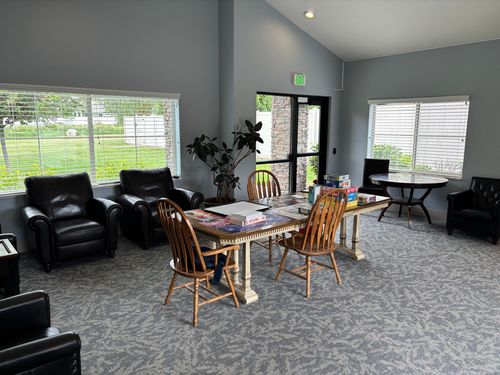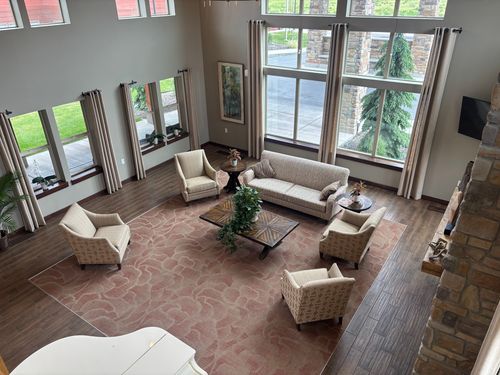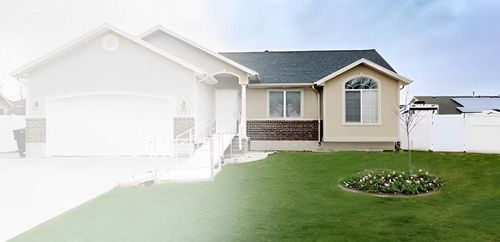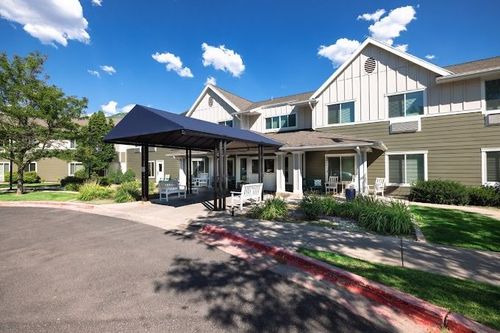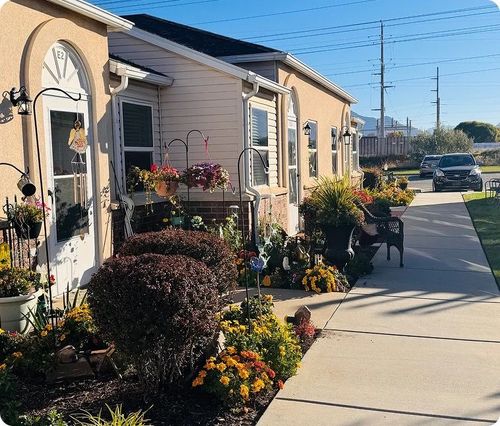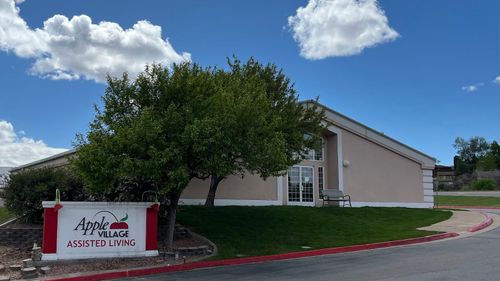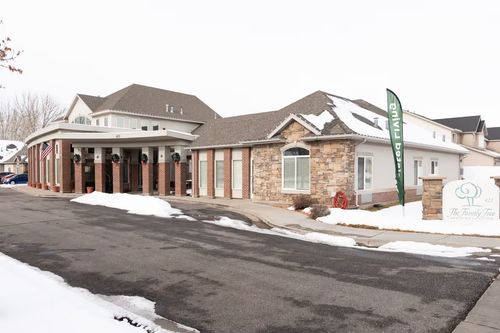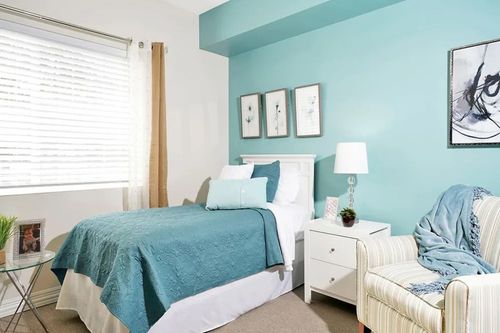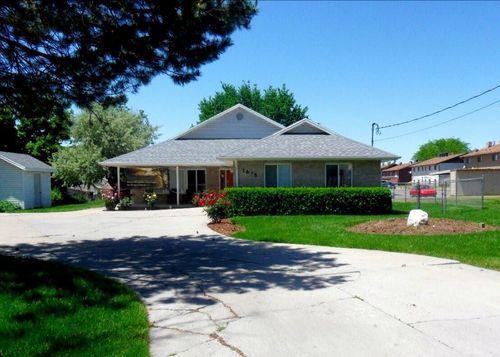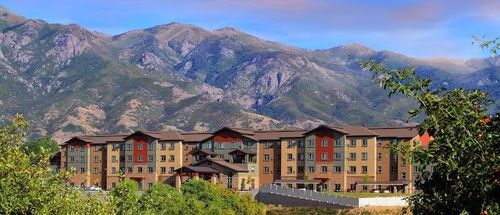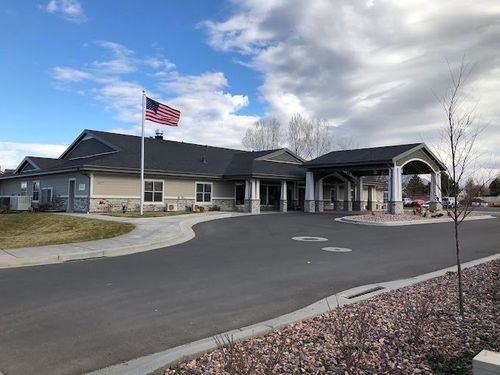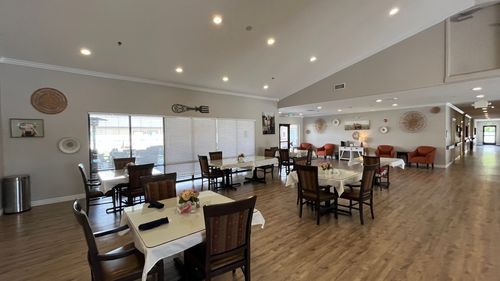
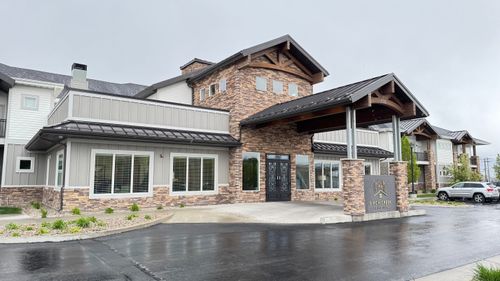
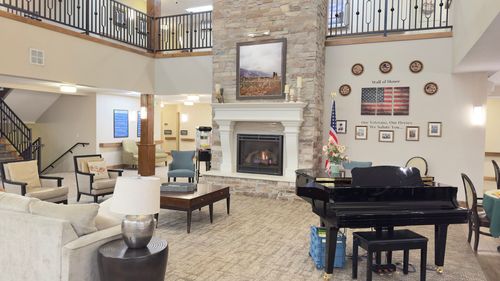
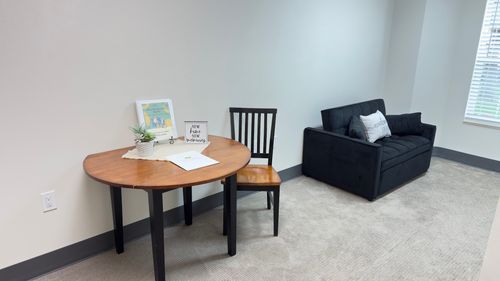
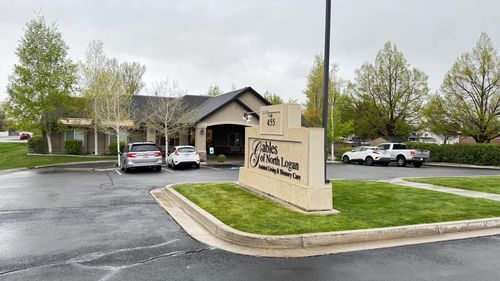
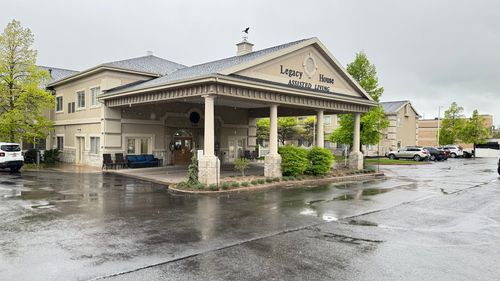
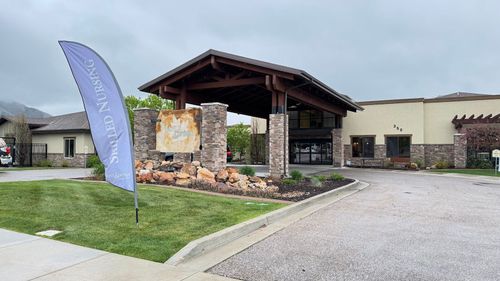
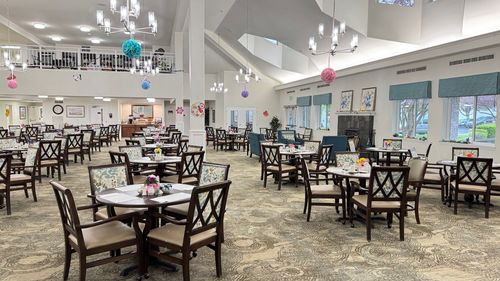

Cache Valley's senior-living spread runs the full length of the valley, with Logan and North Logan anchoring the deepest inventory and smaller buildings spread across Smithfield, Hyde Park, Providence, and Hyrum. The valley's tight geography keeps most communities within fifteen minutes of either of the area's two hospitals, and most families live within the same drive of a parent's apartment.
Utah State University retirees and longtime valley families both keep choosing to stay close, which has pushed Cache's senior count above 15,000 of the county's 145,000 residents in 2026, just over ten percent of the population. New buildings have opened across the smaller towns alongside the Logan campuses, so families often have a real choice between a larger Logan campus and a quieter community closer to the home neighborhood.
How Care Shows Up in Cache County
Care levels in Cache County split between deep Logan-area inventory and smaller buildings spread across the valley towns.
- Assisted Living: Available at almost every building in the directory and at smaller residential homes across the valley. The choice for regular medication management or bathing assistance opens between a Logan campus and a closer-to-home setting in Smithfield, Hyde Park, Providence, or Hyrum, often within a five-mile drive of family.
- Independent Living: Two dedicated Logan-area buildings carry it, with valley towns outside Logan relying on assisted-living buildings that include an independent-living tier. Two dedicated buildings plus the tier-paired ones across the valley give Cache Valley families a real choice between a Logan campus and a quieter community closer to the home neighborhood.
- Memory Care: Secured neighborhoods sit at most of the larger buildings across Logan, North Logan, Hyde Park, Smithfield, Providence, and Hyrum. The valley's mix of larger campuses plus secured neighborhoods at smaller buildings typically surfaces an opening within four to eight weeks for a recent dementia diagnosis, even when the most-requested addresses run a few-week timeline.
- Skilled Nursing: Standalone skilled-nursing buildings are not part of Cache Valley's senior-living inventory. Logan Regional Hospital's long-term care wing and the valley's freestanding rehabilitation campuses carry the local skilled-nursing capacity, with most transitions arranged through a discharge planner rather than a senior-living tour.
Cache Valley's depth means most families work through the care levels inside the same town they already live in, with the smaller residential homes often suiting a parent better than a Logan campus when the home sits closer to where the family already lives.
Healthcare Access in Cache County
Two full-service hospitals carry the clinical load for the valley, and most senior living communities reach either within ten to fifteen minutes. Logan Regional Hospital, an Intermountain Health 146-bed campus with a Level III trauma center, runs the valley's cancer center, heart and cardiac catheterization services, women and newborn care, behavioral health, orthopedics, and brain and spine programs. Cache Valley Hospital, the MountainStar Healthcare 148-bed campus on the north end of the valley, runs a second Level III trauma center, twenty-four-hour emergency care, surgical services, and a women's center.
For higher-acuity care that does not fit either valley campus, families typically head south to Intermountain Medical Center or McKay-Dee, both within a ninety-minute drive. The valley's two hospitals share enough overlap with the local senior-living buildings that case managers and on-call nurses know each other by name, which keeps post-hospital handoffs short.
What Cache County Pricing Looks Like
Cache Valley assisted-living pricing in 2026 falls between $3,800 and $5,350 a month, just below the Wasatch Front median because the valley runs as its own market. The dedicated independent-living buildings in Logan and North Logan price noticeably lower than assisted living. Memory-care apartments at the valley's secured neighborhoods price above assisted living, and buildings that offer both levels usually charge $850 to $950 more for memory care than for assisted living in the same community. Smaller residential homes that price all-inclusive sit at $3,800 and up, and most stay within the valley's assisted-living range.
Move-in fees at the valley's buildings vary from one community to the next. A couple sharing an apartment pays roughly $750 more a month for the second resident, and a respite stay typically runs between $160 and $230 a day.
Why Families Choose Cache County
Three generations of Cache families often live within twenty minutes of each other across the valley, and the Utah State University retiree network gives the area a steady population of older residents who chose to stay after teaching or raising children here. Most older residents live near two or three generations of family along the Logan and Smithfield neighborhoods, and the same retiree network keeps the valley's social fabric anchored across decades.
The Logan Tabernacle, First Dam, the USU campus walkways, and the paved trails along the Logan River make accessible walking and weekday routine simple to keep up well into older age. The senior centers in Logan, Hyrum, Smithfield, and Richmond run weekday calendars that double as quiet check-ins, and the valley's tight social fabric means a missed lunch usually gets noticed within the same week.
What a Local Advisor Brings to Cache County
A Local Senior Advisor who covers the valley knows which Logan or North Logan campus has a couple's apartment open next month, which Smithfield or Hyrum buildings handle Medicaid waivers cleanly, and how Logan Regional and Cache Valley Hospital schedule discharges and respite stays. The advisor also knows when a smaller residential home outside the directory is the right fit for a parent who would rather not move into a larger building.
Our directory for Cache County continues to grow as we evaluate providers for quality and alignment in 2026. Reach out for a conversation about senior living in Cache County, or browse the communities we have vetted at your own pace.