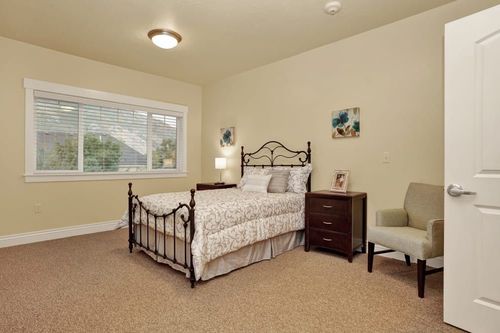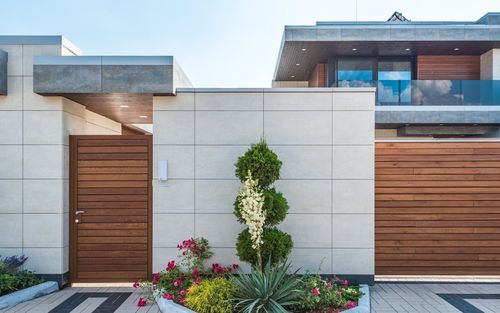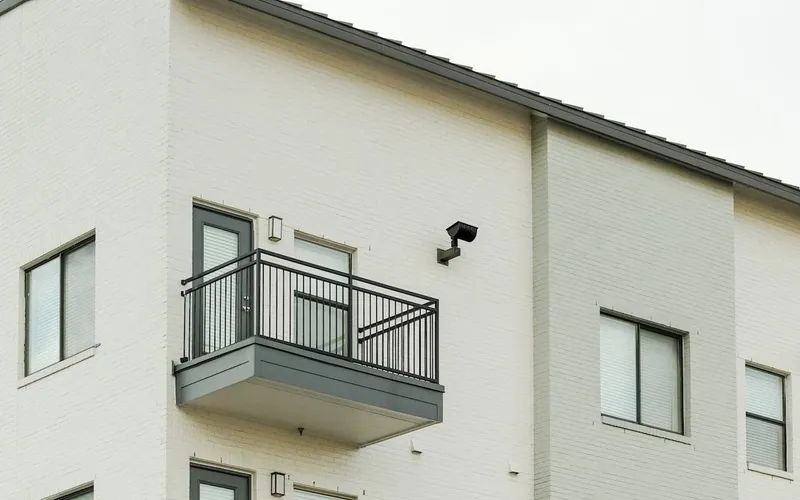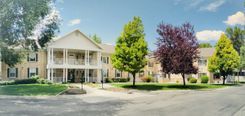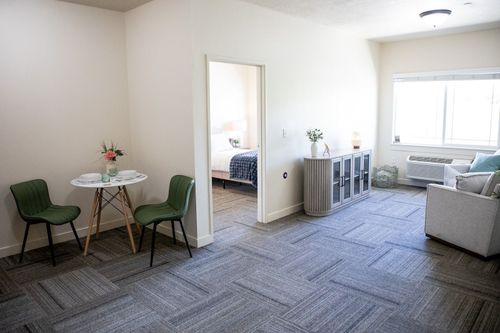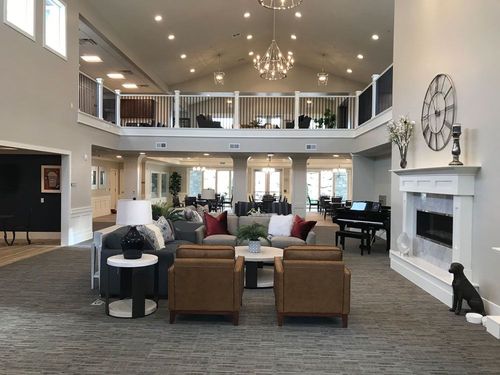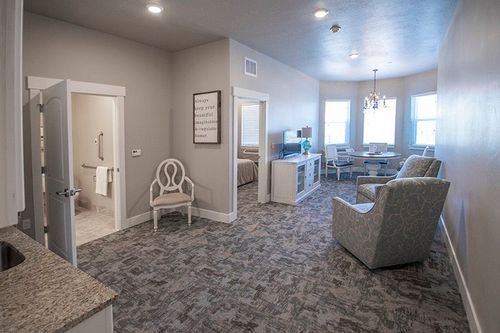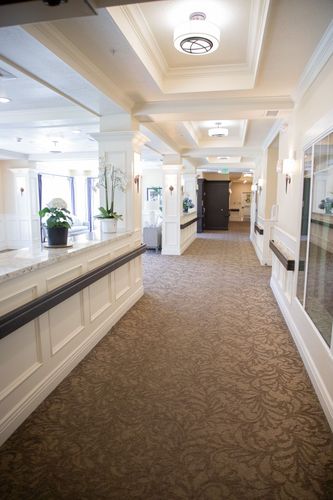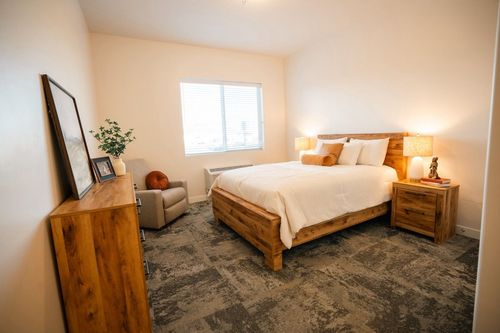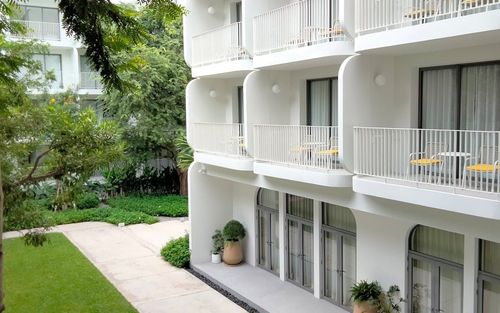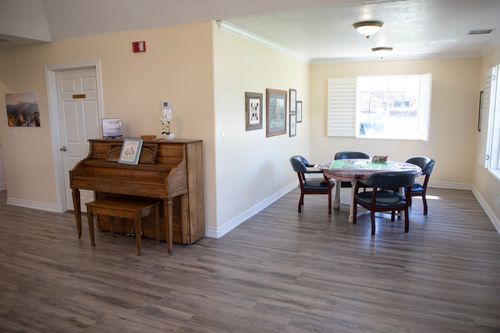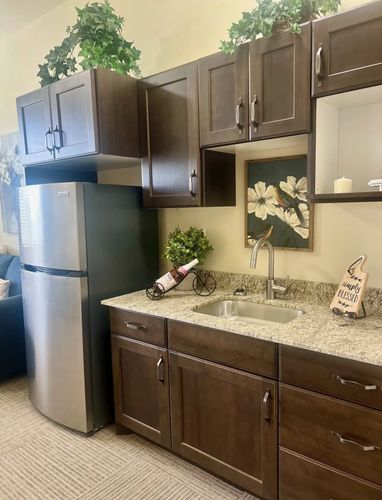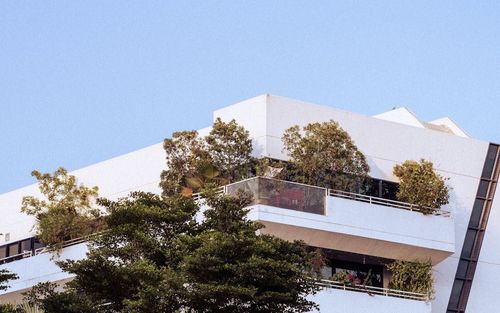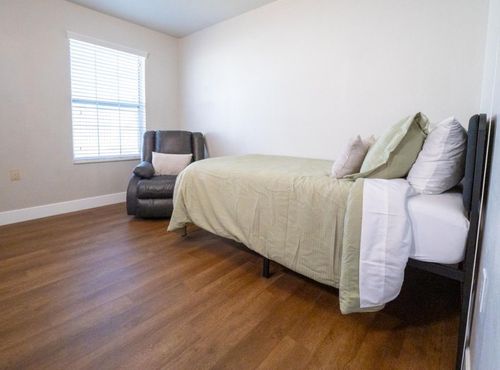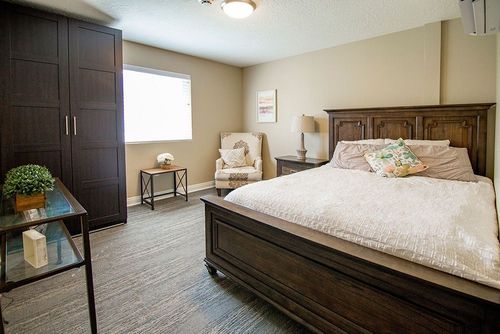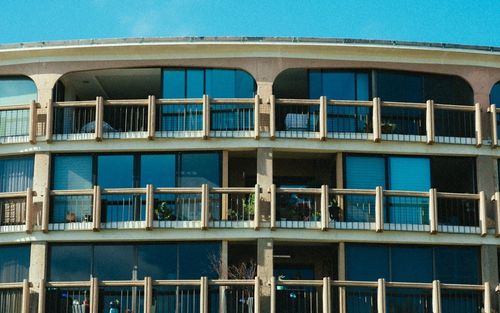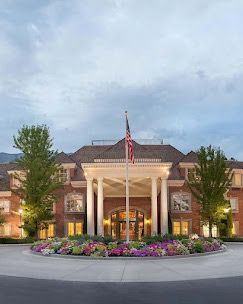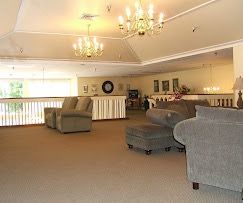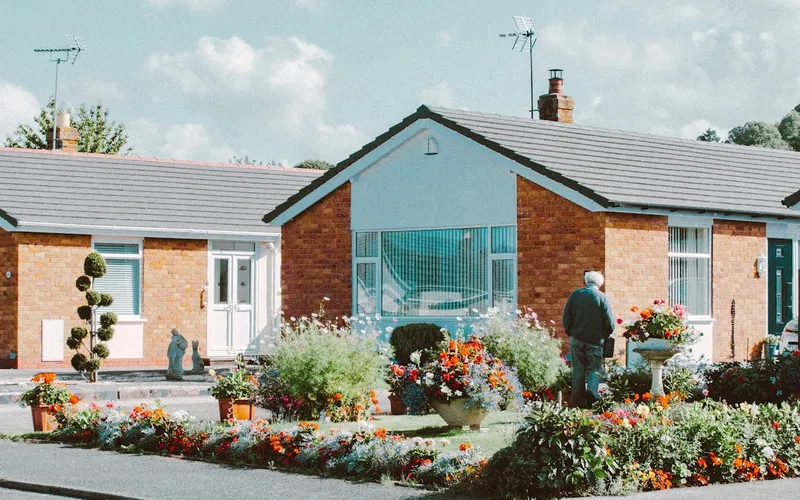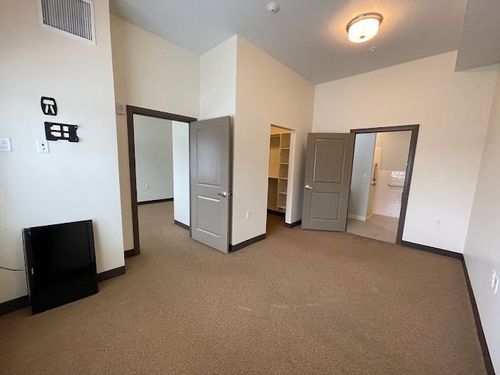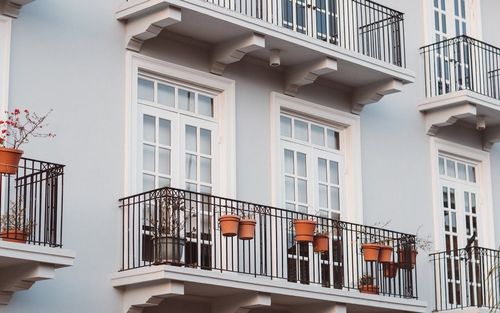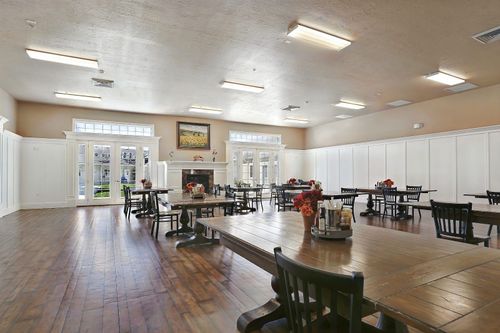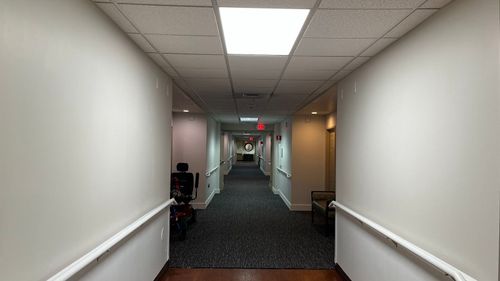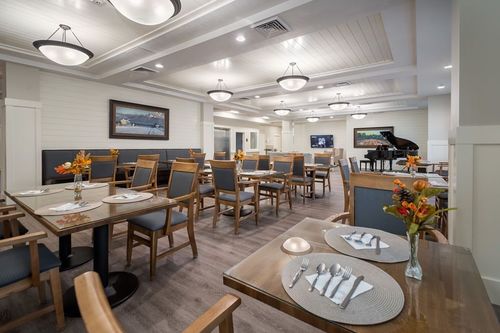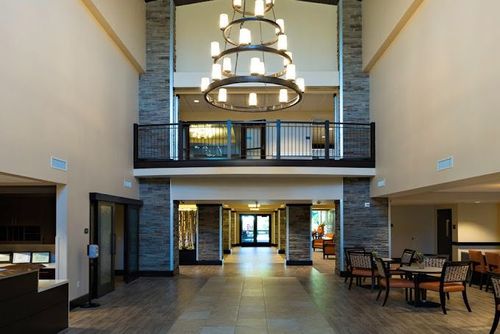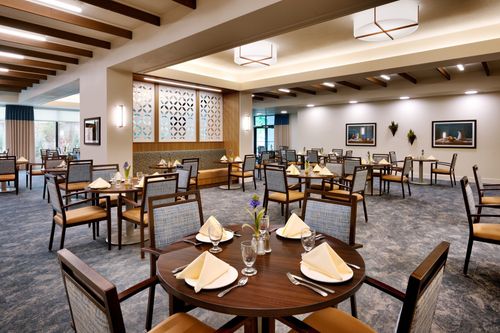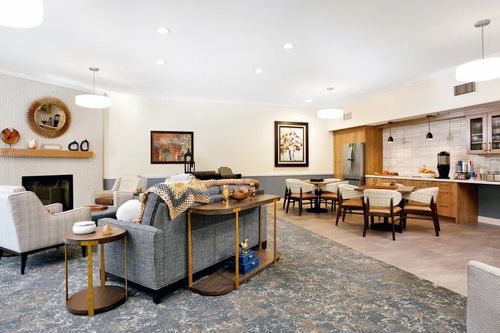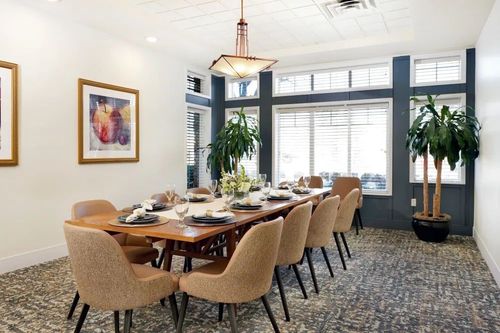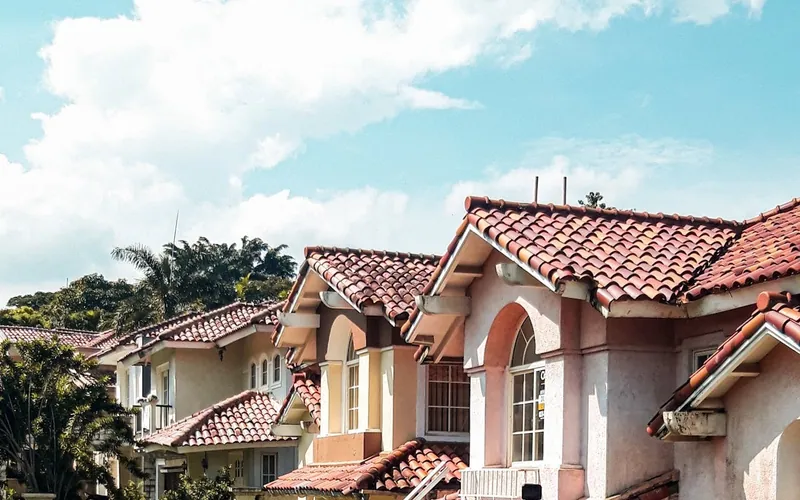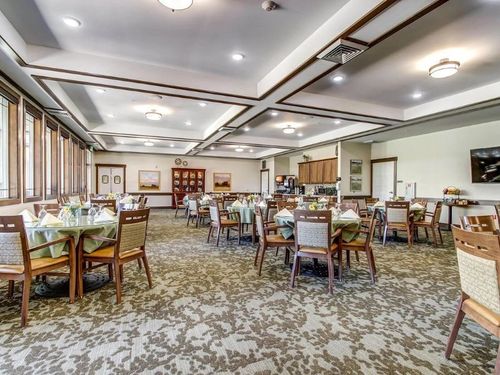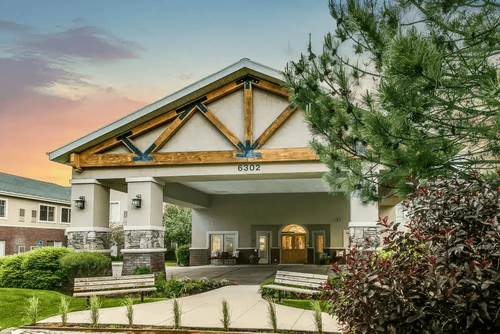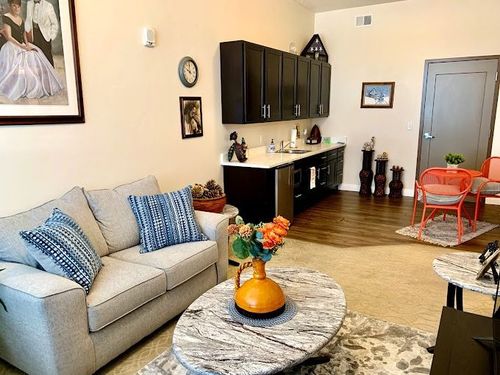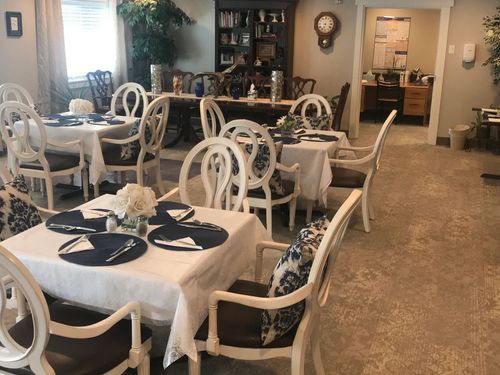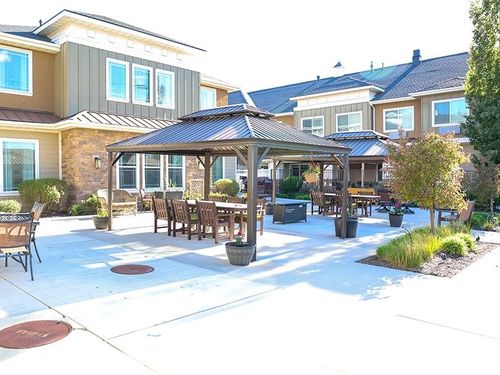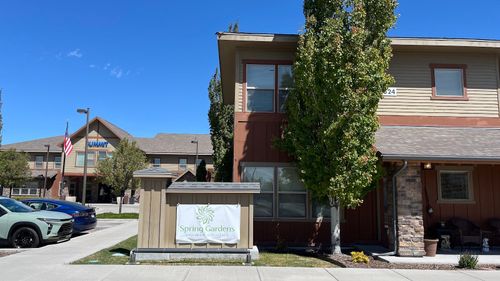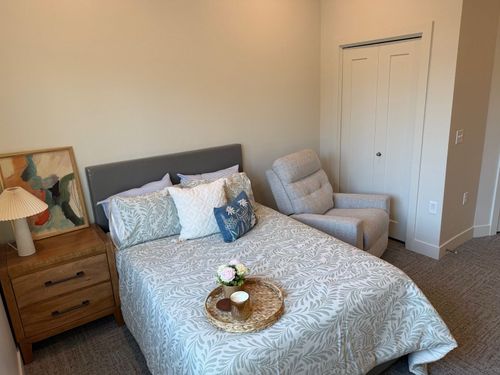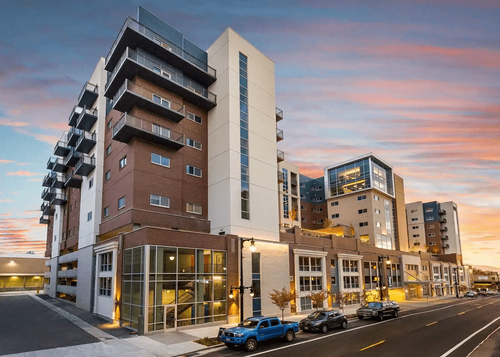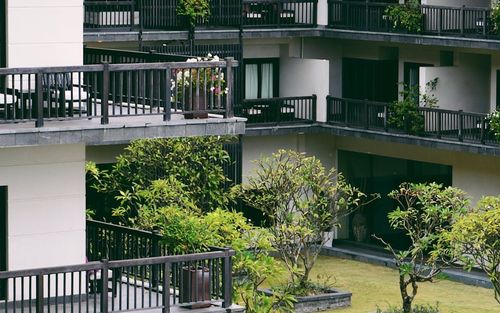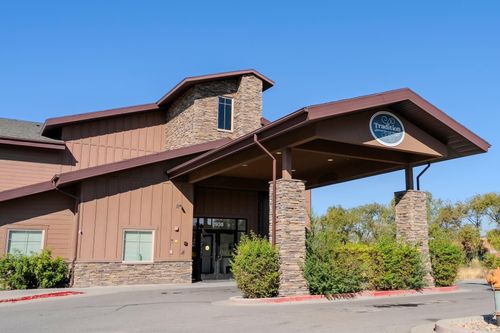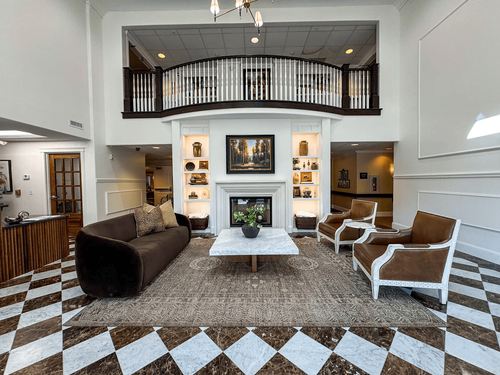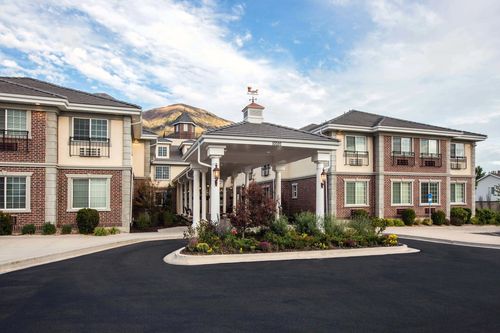
The Charleston at Cedar Hills, a 78-apartment MBK Senior Living community on the city's north-end blocks, holds the entire published assisted-living capacity in this Mount Timpanogos foothill suburb. The Charleston runs studios, one-bedrooms, and two-bedrooms, and most distinctively for a north-Utah-County setting, an on-site chapel that hosts Latter-day Saint and Catholic services right inside the building. For a Cedar Hills family approaching the senior-living conversation, the local choice is essentially one building, and the trade-off is whether the apartment-style format with branded operating support fits the household, or whether the smaller residential-format inventory across nearby American Fork, Highland, or Lehi suits the situation better.
Cedar Hills itself was incorporated only in 1977 around a former turkey-ranch landscape, then grew rapidly through the 1990s and 2000s into a Lone Peak School District suburb where family households dominate and the median age sits in the late twenties. That young-suburb skew means the in-city senior population is small relative to the surrounding north-Utah-County corridor, and most Charleston residents either moved in from family-driven proximity or from broader Utah Valley networks rather than aging in place inside Cedar Hills itself.
Daily Support and Resident Routines
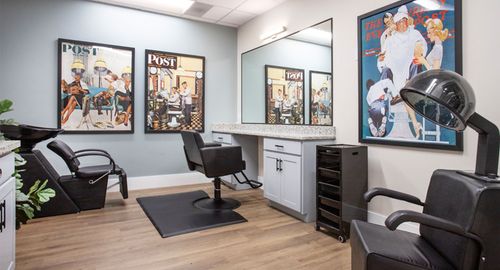
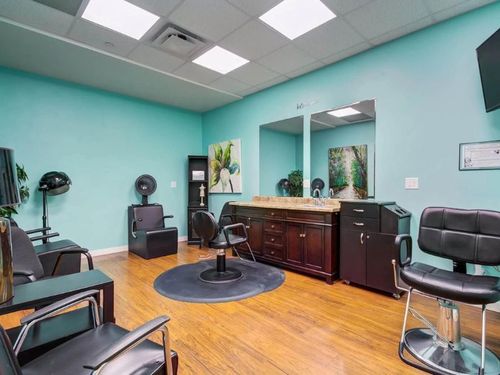
The Charleston runs as a branded MBK Senior Living community, which means daily care follows the community's care-planning model with on-site nursing coverage up to sixteen hours each day and the round-the-clock supervision and call-system staffing that the assisted-living license requires. The 78-apartment footprint sits in a middle range between the small residential homes scattered across north Utah County and the larger Lindon or Provo continuum campuses, which leaves room for a community that knows residents personally without losing the activity calendar, dining variety, and amenity range a smaller building cannot sustain.
Day-to-day support covers what residents have stopped managing well alone: timed medication passes, bathing fit to preferred timing, a caregiver's arm for dressing or transferring, and the steady rhythm of three prepared meals and a structured social calendar. Intermountain American Fork Hospital ten minutes south at 1100 East serves as the Level III Trauma Center anchor, with a ninety-bed facility, seventeen-bed emergency department, and the cardiology clinic that operates an Intermountain location right in Cedar Hills along 50 South. Higher-acuity escalations route to Utah Valley Hospital in Provo.
Cost and Coverage
The Charleston's published starting rate sits at $3,750 monthly for a studio in 2026, with one-bedrooms beginning around $4,600 and two-bedrooms beginning around $5,800. Care services bill as a separate tier added above the apartment rate, with the tier level set during the move-in clinical evaluation and adjusted as needs change; the community's published care charges range roughly $500 to $2,210 monthly depending on the rating. Move-in fees run $1,000 to $3,000 by apartment, a couple sharing one apartment adds roughly $700 to $1,000 each month for the second resident, and short-stay respite tracks the daily equivalent of the monthly rate.
The Charleston runs on private pay; the building does not currently accept Aging Waiver residents. For Cedar Hills families whose budget genuinely needs Medicaid support, the nearest Waiver-participating inventory sits inside a fifteen-to-twenty-minute drive in larger-corridor cities, which maps against the family's geographic anchors. Veterans and surviving spouses may also draw on VA Aid and Attendance once a care assessment qualifies, which layers on top of private pay.
A Young Suburb With a Small Senior Population
Cedar Hills's population of around 9,900 skews toward young families and Lone Peak School District households rather than older retirees aging in place. The senior share is meaningfully smaller than in cities like Bountiful or Sandy, which is why a single 78-apartment building has carried the full local assisted-living conversation for years. Many Charleston residents arrive through adult children who themselves live in Cedar Hills, Highland, Alpine, or American Fork and want a parent within Sunday-dinner reach.
Apartment turnover at the building runs on a steadier rhythm than smaller residential homes elsewhere in the county, because 78 apartments produce more frequent natural transitions; openings typically refresh inside a four-to-six-week window for standard care tiers. When demand spikes from corridor-wide referrals, the wait can stretch to a thirty-to-forty-five-day wait.
Why Families Choose Cedar Hills
Proximity to adult children running households in Alpine, Highland, American Fork, and Lehi is the strongest draw, because a parent at The Charleston stays inside the Lone Peak corridor where the family already lives and works. The on-site chapel matters specifically for Latter-day Saint families whose Sunday and weekday devotional routines have always anchored the week, and the Catholic service availability covers families outside the dominant LDS culture who want religious continuity at the building rather than a Sunday drive out.
The foothills setting of Cedar Hills (the city sits at the base of Mount Timpanogos with views that stretch across north Utah County toward Utah Lake) provides the kind of quiet, family-rooted backdrop many Charleston residents specifically wanted after decades of busier-corridor living elsewhere. Intermountain's specialty depth ten minutes south at American Fork Hospital matters because many longtime north-county residents have already built primary-care and specialty relationships there.
What a Local Advisor Brings to Cedar Hills
Most Cedar Hills calls open through a corridor-typical pattern: an adult child running a household elsewhere in north Utah County notices the home routines slipping for a parent in Cedar Hills, Alpine, or Highland, and starts reading what the nearest building actually offers. The advisor's first move is reading The Charleston's current apartment availability and care-tier band against the household's timing, since the 78-apartment scale means openings cycle predictably enough to plan against.
When the building fits, the conversation moves quickly into apartment selection, care-tier estimation, and the move-in clinical screen. When the apartment-format pricing band or the branded-community feel does not match what the family pictured, the advisor pulls smaller residential-format alternatives across American Fork, Pleasant Grove, and Lehi into the comparison, plus the larger Lindon and Orem continuum campuses for households planning a longer-horizon care progression. Aging Waiver alternatives also enter when Medicaid coverage is the binding factor.
Reaching out before a discharge call compresses the planning window keeps The Charleston genuinely on the family's shortlist alongside the broader north-Utah-County options. Talk it through with an advisor about assisted living in Cedar Hills when timing begins to shape the household calendar, or browse our directory for the broader north Utah County senior-living context.